How to Choose Property in Thailand If You’re Buying for Yourself (Not for Rent)
One of the most common Thailand mistakes is buying “like an investor” when you’re actually buying “like a person who will live there”.
People focus on resale potential, rental numbers, polished visuals, rooftop pools, and impressive lobbies — and then end up with a home that looks good on paper but feels uncomfortable in daily life.
If you’re buying for yourself, the logic is different. The first priority isn’t market demand from strangers. It’s your routine. Not abstract returns, but how the place feels in the morning, during the day, and at night.
Start with lifestyle, not listings
Before comparing layouts and prices, get clear on basics:
Are you living full-time or seasonally?
Alone, with a partner, with children?
Do you want calm, or do you enjoy an active area?
Do you need walkable cafés and shops, or are you okay driving for a quieter environment?
Do you need the sea nearby every day, or is “sometimes” enough?
Without these answers, browsing listings is mostly noise. A “good property in general” and a “good property for you” are often very different.
The area matters more than the unit
This is a hard truth, but it saves people a lot of regret.
A weak area won’t be saved by a beautiful apartment.
A strong area can make even a modest unit feel much better.
When you buy for yourself, the area becomes your daily reality: road access, noise, traffic, walkability, nearby shops, the general atmosphere, and how easy it is to live there without constant effort. In Thailand, two places can look similar in photos but feel completely different in real life.
A simple test is: will it feel good to live here every day, not just on holiday?
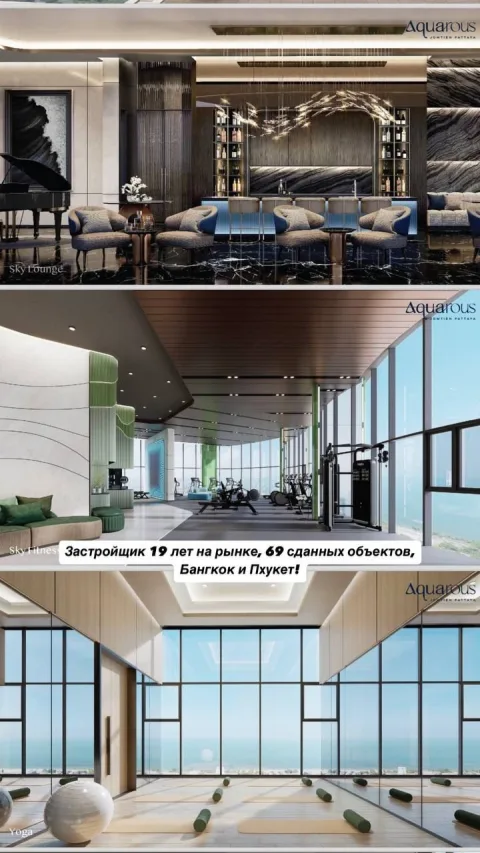
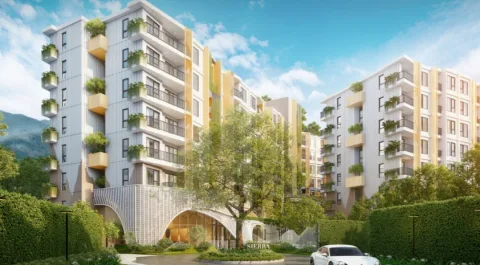
Don’t buy the picture
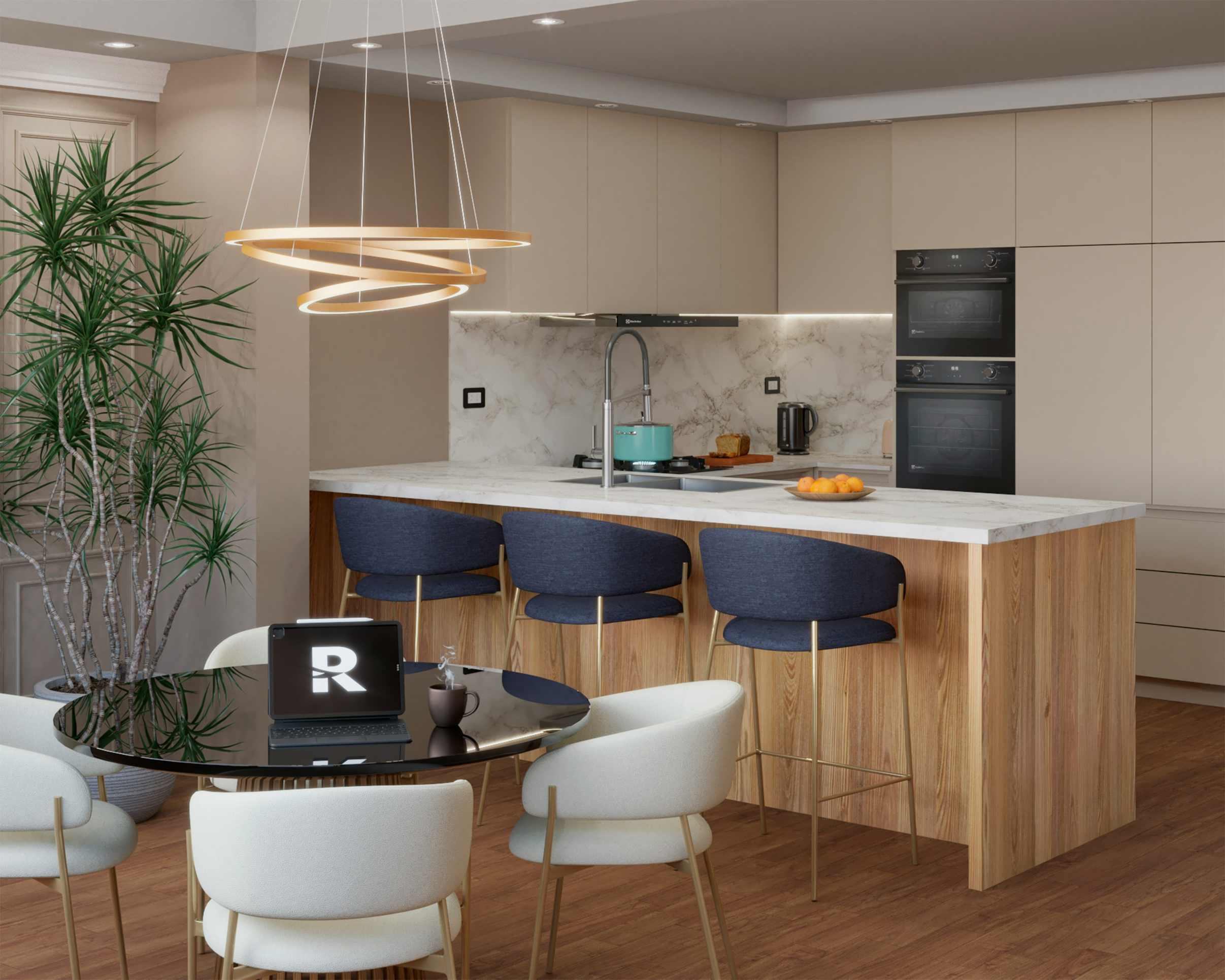
It’s easy to fall for a rendering and a glossy presentation. Pools, lobbies, greenery — it all looks great. But for real living, the basics matter more:
practical layout
natural light
low noise
sensible daily logistics
a neighborhood that feels comfortable, not just “marketable”
Sometimes a less flashy building is simply a better home.
Layout matters more than size
Big doesn’t automatically mean comfortable. Small doesn’t automatically mean cramped.
What matters is:
window placement and light
kitchen + living flow
storage
wasted corridors
how the space feels in real movement, not on paper
A smart 45 sqm can feel better than a poorly planned 60 sqm.
Noise, roads, and surroundings are not “small details”
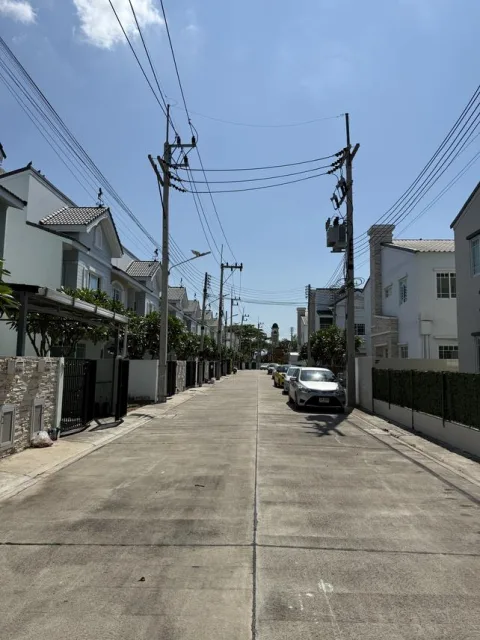
Many places feel fine during the day, then become annoying in real life: road noise, nearby construction, bike traffic, or tourist streets that are fun once and exhausting daily.
For renting, you might tolerate that. For your own life, it can become constant irritation.
Always check what the area feels like in the evening too, not only in daytime.
Don’t let rental logic dominate a personal-home purchase
Even if renting is possible later, rental logic shouldn’t be your main filter when you’re buying to live.
Tenants tolerate inconvenience because they’re temporary. You live with it every day. Things that are “fine for rent” can become daily frustration: tiny kitchens, weak storage, sound issues, awkward bathrooms, overheating from sun, bad window orientation, or annoying access in and out.
Choose the right property type
Not everyone needs a condo. Not everyone needs a villa. And not everyone should buy a bigger format just because it sounds more “serious”.
Condos often suit people who want lower maintenance and simpler daily life.
Houses and villas are great for privacy and space, but they come with more upkeep and usually more dependence on transport.
Gated-community homes can be a middle ground, but only if the specifics are strong.
Choose the type based on your routine, not on status.
Completed property is often underrated for personal living
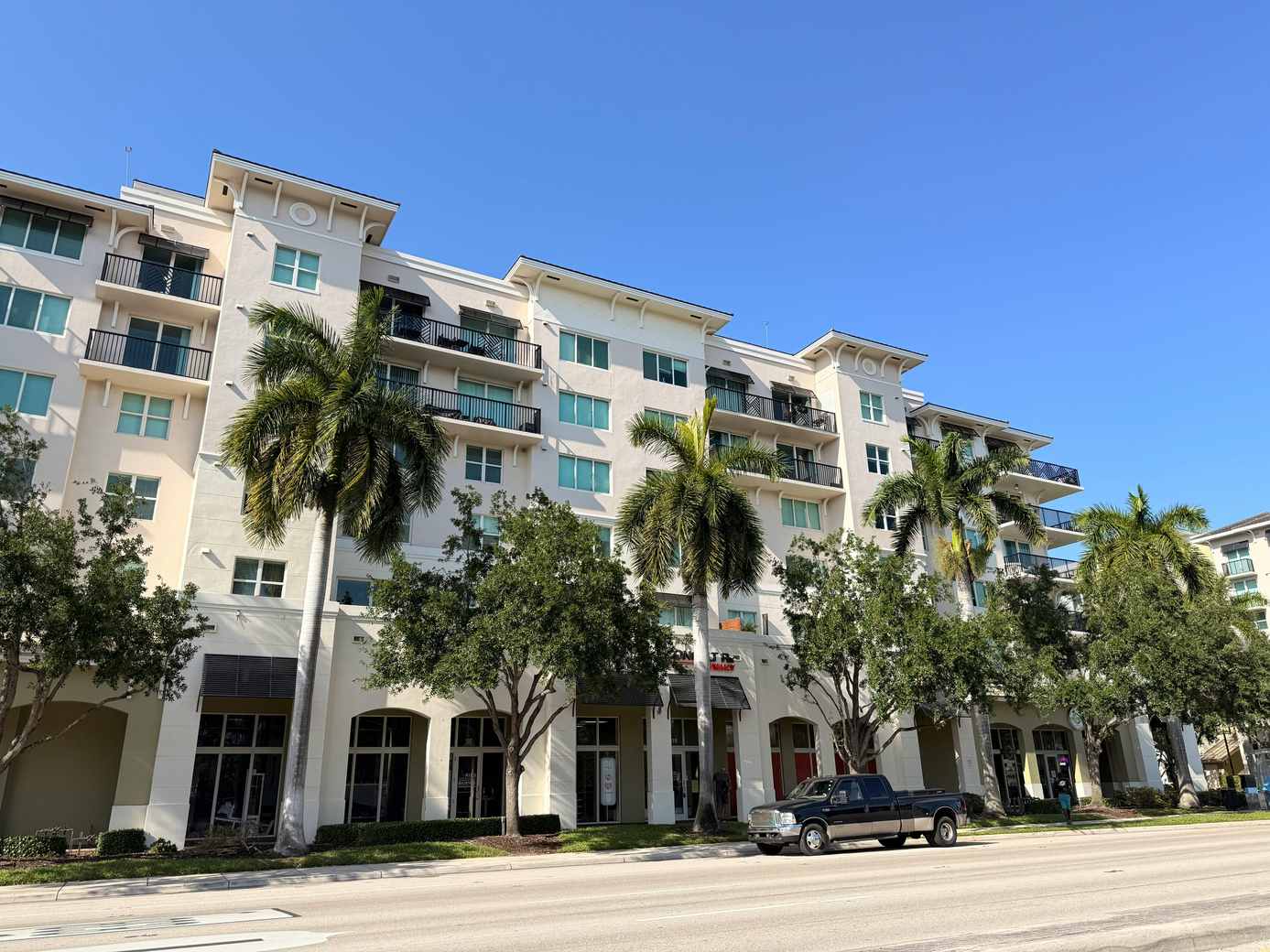
Many buyers chase new developments because they feel fresh. But for personal use, completed property can be a big advantage — because you can see reality: the view, the noise, the road, the neighborhood feel, the finishing quality.
New builds can still be great if you can wait and you truly understand what you’re buying. But if you want clarity and less uncertainty, completed units often win.
What to check carefully
If you’re buying for yourself, focus on:
the area (real-life feel, not map pins)
logistics (how you will live daily)
noise and surroundings
layout (how it works, not just size)
light and orientation
property type (condo vs house means different life)
ongoing costs and management quality
Final thought
If you’re buying in Thailand for yourself, the key question is simple:
will you genuinely feel comfortable living here?
A strong personal-home purchase is the right area, a practical layout, sensible logistics, comfortable surroundings, and a property type that matches your lifestyle. Everything else comes second.