How Property Ownership Registration Works in Thailand
At the beginning, a property purchase usually feels like a decision about the asset itself.
The location.
The layout.
The price.
The view.
The area.
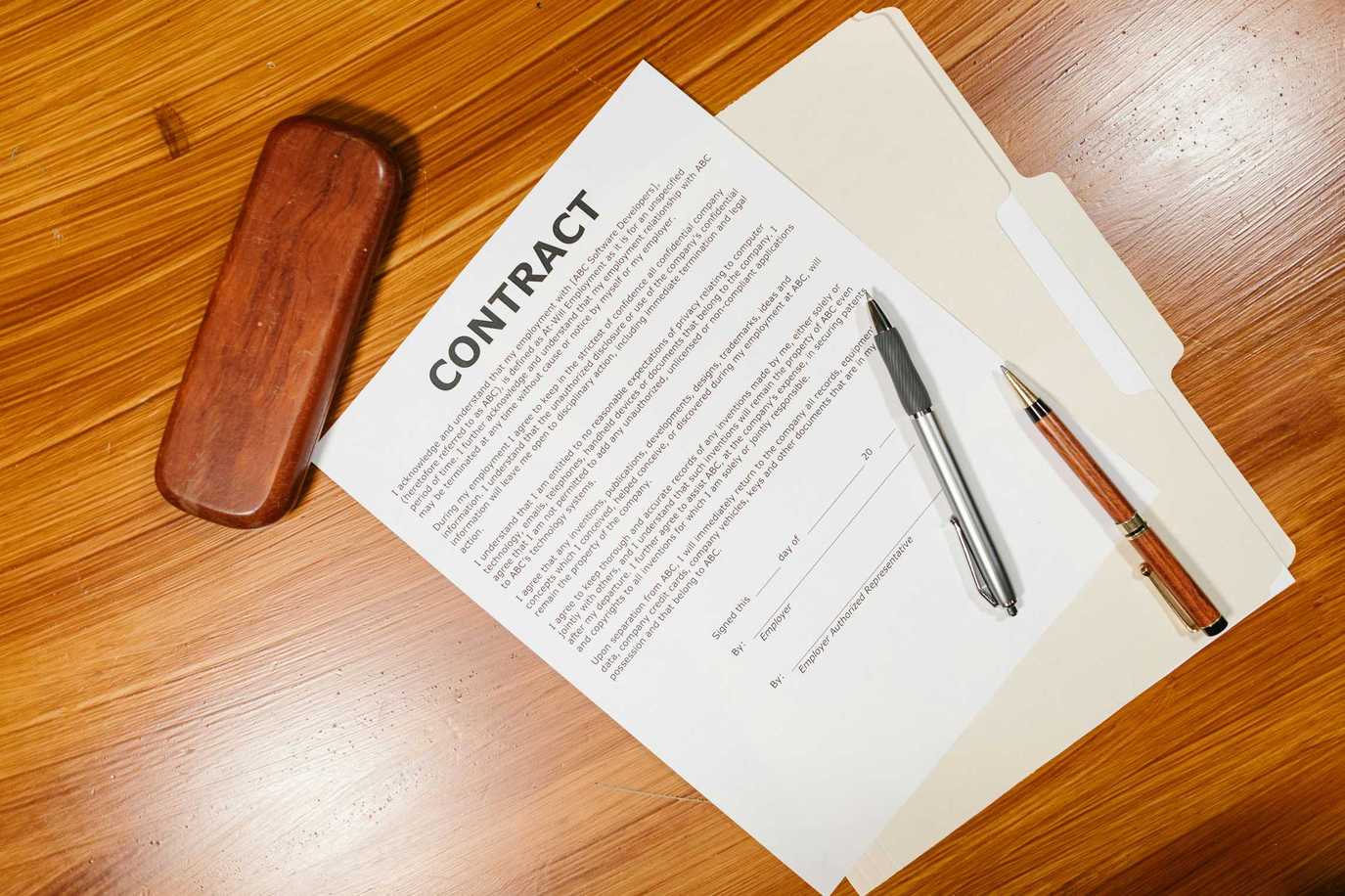
The contract.
The payment plan.
And because of that, it is easy to forget one simple thing: a deal is not truly finished when the money is sent or when the contract is signed. It is finished when ownership has actually been registered.
That is the point where “almost bought” turns into “legally transferred.”
Where registration happens
In simple terms, ownership registration in Thailand usually happens at the Land Department, meaning the local Land Office for the area where the property is located. This is where the transfer is recorded and the new owner is officially entered.
For a condo purchase, the main proof of ownership is the registered unit title deed. Not the brochure, not the booking form, not the chat history, and not the house book.
So the real final stage of the deal is not “we signed everything with the developer”, but what actually happens at the Land Office.
What is usually registered
In the standard foreign buyer scenario, the main process is the transfer of condo ownership into the buyer’s name.
If the deal involves another structure — for example lease rights or other land-related rights — then different legal interests may be registered instead. But in the clearest foreign buyer case, this is usually about registering condo ownership.
How the process usually works
1. The deal has to be ready before Land Office day
Before registration, the transaction needs to be properly prepared:
the property details;
the agreement;
the seller’s documents;
the buyer’s documents;
payment calculations;
banking paperwork;
all documents required for the chosen ownership structure.
For a foreign condo buyer, two filters matter most:
the unit must fall within foreign quota;
the buyer must qualify under Section 19 of the Condominium Act.
2. The property and the seller are checked
Before the transfer, the authorities need to see that:
the seller really owns the property;
the property can legally be transferred;
the asset description matches what is being sold;
the people signing actually have authority to do so.
This is often where problems surface if earlier checks were done too casually.
3. The buyer’s money trail is checked
For foreign freehold condo registration, the purchase funds are generally expected to come from abroad. A Thai bank then issues the supporting documents for inward remittance and, where relevant, currency exchange.
This part is often underestimated. But in practice, poor remittance paperwork can delay or complicate registration even if the property itself is fine.
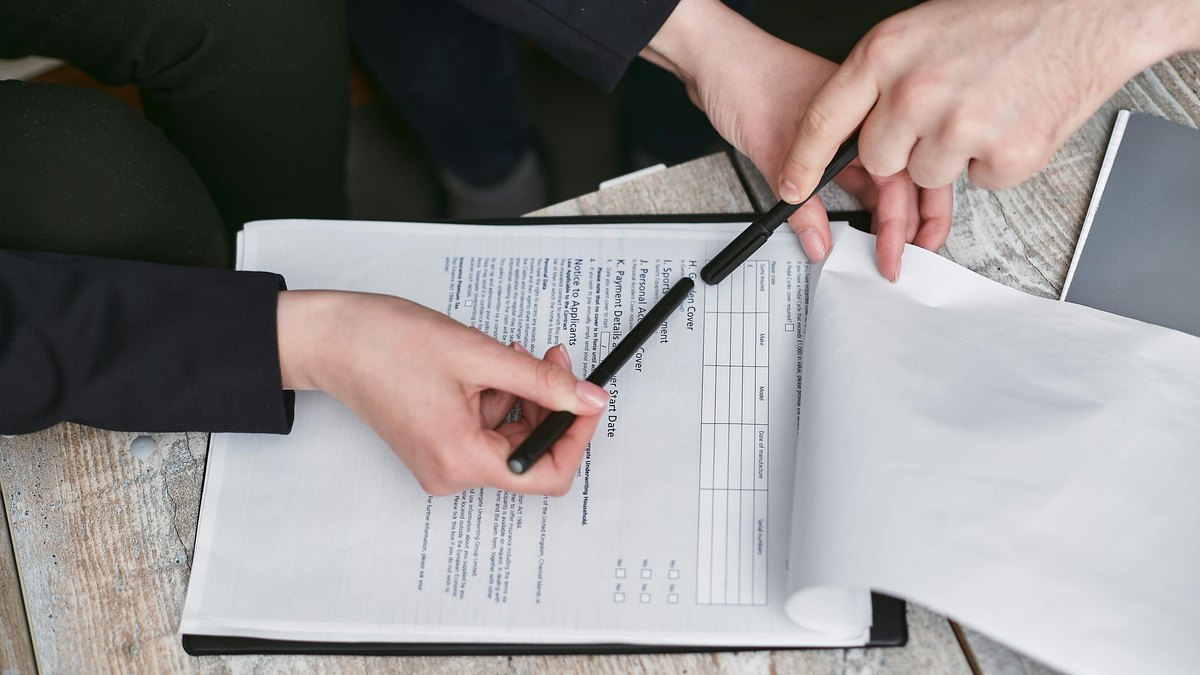
4. The parties attend the Land Office
On registration day, the parties or their representatives attend the Land Office, where:
documents are submitted;
details are reviewed;
forms are signed;
fees and taxes are calculated;
the ownership transfer is officially recorded.
This is not just a closing ritual. It is the legal act that changes ownership.
5. Fees and taxes are paid
At the Land Office stage, transfer-related fees and taxes are usually paid. In condo transactions, this often includes:
transfer fee;
specific business tax, if applicable;
stamp duty, if applicable;
withholding tax.
Who pays what depends on the deal structure and on what the parties agreed in advance.
So before reaching the Land Office, it is important to understand not only the purchase price, but also how the registration costs are split.
6. The new owner is officially recorded
Once the process is completed, the new owner is recorded in the Land Office records. For a condo, the unit title deed remains the core proof of ownership.
That is the moment when the property is no longer “almost yours”, but legally registered in your name.
What documents are usually needed
The exact set depends on the type of property and deal structure, but in general the parties prepare:
the buyer’s passport;
the seller’s documents;
the contract;
property documents;
bank documents showing the fund transfer;
powers of attorney, if someone acts through a representative;
additional project paperwork, if it is an off-plan purchase.
For foreign condo freehold, the most important documents are the ones that prove the buyer can register the unit and that the purchase funds were brought in correctly from abroad.
What usually goes wrong
Most issues are fairly predictable.
Quota is checked too late.
The buyer chooses the unit first and only later finds out it cannot be registered in foreign freehold.
Payment paperwork is messy.
The money was sent, but the supporting banking trail is incomplete or inconsistent.
Fees and taxes were never clearly allocated.
So an unpleasant surprise appears right at the end.
The buyer assumes a signed contract already means completed ownership.
It does not. The contract and payment are important, but the real finish line is registered transfer.
What matters most before registration
In plain terms, the logic is simple:
until the transfer is registered at the Land Office, the deal has not reached its most important point.
You can choose the property, sign the papers, send the money, and feel emotionally committed. But in Thailand, ownership is ultimately about proper registration, not about the feeling that “we already bought it”.
Final takeaway
Ownership registration in Thailand is not a side detail. It is the real closing point of the deal.
At the Land Office, the paperwork is checked, the parties are verified, the fees are paid, and the transfer is formally recorded. For a foreign condo buyer, the critical points are:
foreign quota;
correctly remitted funds from abroad;
a full document set ready for registration.
Put simply:
the deal is not finished when the property feels like yours — it is finished when ownership has actually been registered.