What to Know About Living in Thailand After Buying Property
Buying property in Thailand often feels like the finish line: you choose a unit, complete the deal, get the keys — and then you “just live.” In reality, it’s the beginning. After the purchase, you quickly see whether you understood not only the property, but the everyday life around it.
The first thing to accept is simple: life in Thailand after buying property is not a permanent holiday. Even if the sea is close, your routine will still be made of normal things — electricity and water bills, constant air-conditioning, deliveries, cleaning, small repairs, internet setup, daily shopping, and dealing with building management. The sooner you expect this, the smoother the adjustment feels.
Climate is a big part of real life here. Thailand feels “easy” on vacation, but full-time living is different. Heat, humidity, rainy season, and heavy AC use affect everything: your comfort, your costs, and how furniture, textiles, and appliances hold up over time. In a tropical climate, comfort doesn’t “happen by itself” — you set it up through ventilation, maintenance, and small routines.
Next comes the real monthly cost of living. After purchase, it’s worth being realistic about cost of living after buying property: electricity, water, building fees, internet, cleaning, minor repairs, transport, parking, deliveries, day-to-day shopping, and seasonal costs. Many buyers focus only on the purchase price and underestimate how much comfort depends on steady monthly spending.
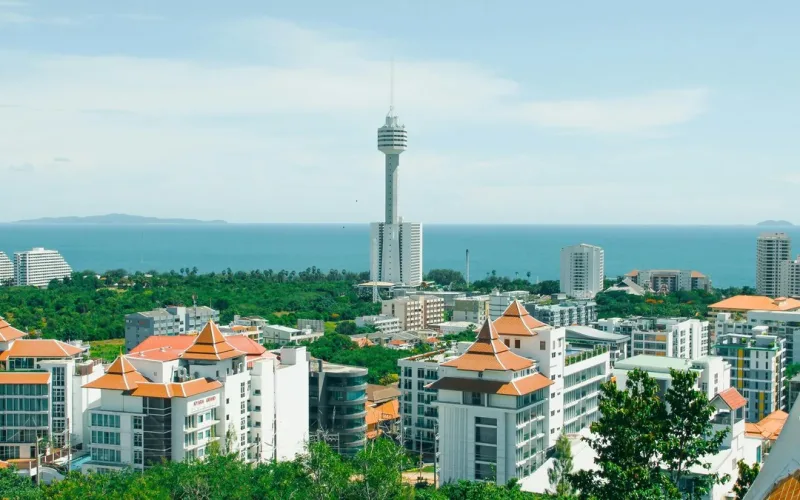
Location also becomes very real once you live there, not visit. Pattaya, Phuket, and quieter areas all feel different — and even inside one city, districts can vary a lot. Some places are convenient but busy and loud. Others are calm but require more driving. After the purchase, this affects everything: how long errands take, how easy it is to move around daily, and whether the area still feels comfortable after weeks and months.
Building or estate rules matter more than most people expect. After buying, you’ll want to understand access control, parking, common area rules, guest policies, deliveries, renovation/noise restrictions, and pet rules. These details often feel “secondary” during viewing, but they shape daily comfort in a very direct way.
If you’re buying for personal use, plan for practical setup. A unit can look “ready” during a viewing, but real living usually needs dozens of small things: storage, lighting in the right places, a workable kitchen routine, a comfortable workspace, and practical household basics. It’s not about decoration — it’s about usability.
If you’re buying as a winter base or for several months per year, solve the “who looks after it when I’m away” question early. In Thailand’s hot, humid climate, property doesn’t respond well to long periods with no attention. Someone should check the unit, air it out, run the AC occasionally, and handle humidity, odors, insects, and minor issues before they grow into bigger problems.
Healthcare is another practical point people often underestimate. Even if you move for a calmer sea-side lifestyle, it’s still important to know where clinics and hospitals are, how healthcare works in your city, how easy it is to access services, and what kinds of costs may come up. It becomes important later — when the property is already part of everyday life.
The biggest “hidden truth” is this: Thailand can offer an excellent lifestyle, but comfort doesn’t build itself. It depends on how well your property matches your real routine, location, seasonality, transport habits, and the building’s rules.
The takeaway is simple: after buying property in Thailand, life becomes real rather than postcard-perfect. The better you understand the rhythm, costs, climate, rules, and practical details upfront, the faster your home becomes a true home — not just a deal that looked good on paper.