If you ignore the glossy renders and sales promises, the short answer is simple: a ready property is usually safer, while an off-plan purchase can offer a better entry price and stronger upside, but comes with noticeably higher risks.
For foreign buyers in Thailand, this matters even more because the decision is not only about location and price. It is also about ownership structure, project status, permits, contract terms, and the real reliability of the developer.
Short answer: which option is safer?
If your goal is more predictability and fewer surprises, a ready property is usually the safer choice. You can see the real unit, assess the quality, inspect the building, the view, the surroundings, and the actual condition of the property.
If your goal is to enter at a lower price and potentially benefit from capital growth by completion, an off-plan purchase can make sense. But this is no longer the lowest-risk option — it is a more deliberate trade-off between risk and upside.
Why buyers choose off-plan property
Lower entry price
Developers often sell units at a lower price during the early stages of construction than closer to completion.
Installment plans from the developer
Many off-plan projects offer staged payment schedules, which can make the purchase easier on the buyer’s cash flow than a ready property requiring faster payment.
Potential price appreciation
If the project is well located, the developer is reliable, and the market performs well, the price may rise by the time the project is completed. But this is a possibility, not a guarantee.
The main risks of buying off-plan in Thailand
Delays or project suspension
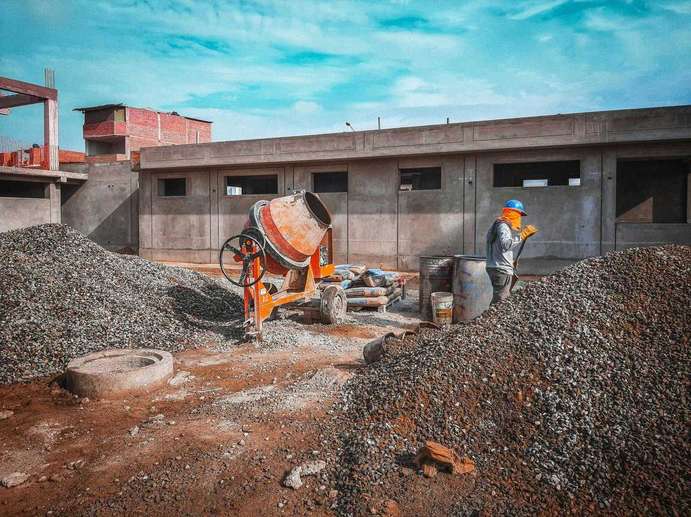
This is one of the biggest risks. Construction may take longer than promised, or in the worst case, the project may stall if the developer faces funding or operational problems.
Permit and approval issues
For some larger projects in Thailand, environmental and construction approvals are critical. If the project requires EIA or IEE approval, its status should be checked carefully.
“You bought one thing, but got another”
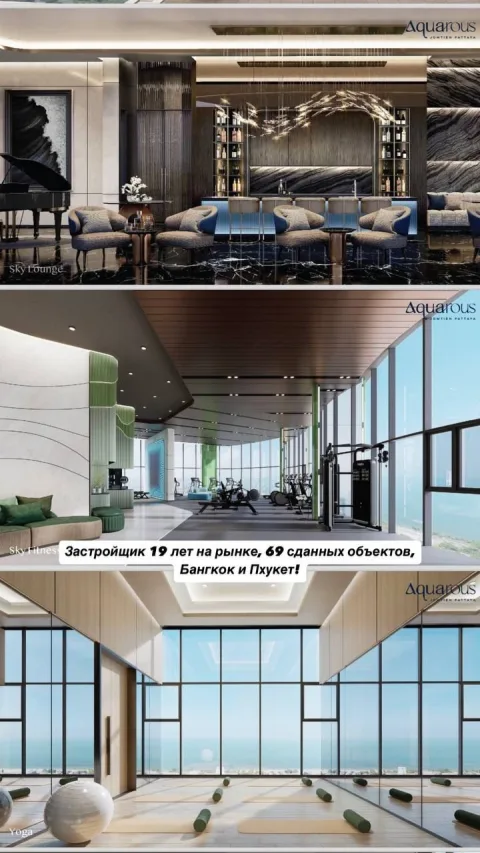
Renders and showrooms can look much better than the final result. If the contract does not clearly define materials, finishes, furnishings, appliances, and shared facilities, some elements may be downgraded.
Weak or unclear developer background
If the developer has no completed projects, no visible track record, or poor transparency, the risk is much higher.
Heavy payment schedule
Sometimes the low entry price looks attractive only at first, while the later payment schedule becomes difficult for the buyer to handle.
Why ready property is usually stronger
You can inspect the real quality
This is the biggest advantage. You are not buying a promise — you are buying something that already exists.
The building, location, and surroundings are already clear
With a completed property, you can understand:
the noise level,
the traffic,
the building condition,
the real neighborhood,
and the actual view.
Faster move-in or rental launch
If you want to live in the property soon or start renting it out quickly, a completed unit is usually the stronger option.
Downsides of ready property
Higher entry price
You usually pay more for certainty.
Less choice of the best units
By the time the project is completed, the most attractive units may already be sold.
Less flexible installment structure
Completed properties often require faster payment compared to off-plan projects.
What to check before buying off-plan
The developer’s track record
Review what they have already built and delivered, whether they met deadlines, and what the final quality actually looks like.
Land and permit status
Check the land position, construction permit, and environmental approvals if applicable.
The contract itself
The contract should clearly define:
the exact unit,
the price,
payment schedule,
completion timeline,
liability for delays,
refund terms,
and any right to replace finishes or materials.
The actual construction stage
Make sure the project is genuinely progressing and not only selling ahead of real development.
When off-plan may still be justified
Off-plan can make sense if:
you are prepared to wait,
you understand the risks,
you verify the developer and the documents,
you want an earlier price entry,
and you have a longer investment horizon.
When ready property is usually the better option
A completed property is usually the more sensible choice if:
this is your first property in Thailand;
you are buying for personal use or an upcoming move;
you want to launch rentals quickly;
you do not want to depend on construction timelines;
and predictability matters more than possible upside.
Final takeaway
If we speak plainly, a ready property in Thailand is usually safer because you can judge the real asset rather than a promise. Off-plan can be attractive because of lower entry pricing and potential appreciation, but it requires much deeper due diligence on the project, the developer, the permits, and the contract.
For a first-time buyer who does not want to learn through expensive mistakes, a ready property is often the more practical path.