Straight answer first
In general — no, a foreigner cannot directly own land in Thailand.
This is where confusion starts, because the market often sounds softer than the law.
You may hear:
“it can be arranged”
“it’s almost like ownership”
“not technically yours, but practically yours”
But plainly speaking: direct land ownership is not the standard route for an ordinary foreign buyer. It’s important to understand this early, so you don’t build your decision on the wrong assumptions.
Why people get confused
Because several different things get mixed together:
owning land
owning a house/building
owning a condominium unit
leasehold (long-term use rights)
narrow exceptions tied to business/investment structures
These are not the same.
A foreigner may not own land, but can still:
own a building on leased land (under certain structures)
own a condo unit (often the clearest route)
lease land under a registered long-term lease
use narrow exception-based paths (not typical for personal home buying)
So the correct question is:
Can a foreigner register land in their own name directly?
Answer: usually no.
What foreigners do instead
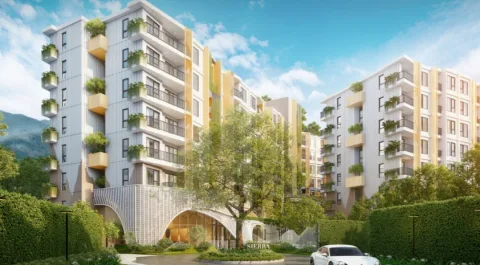
1) Buy a condominium unit (freehold)
This is the most straightforward and common ownership route.
Foreigners can buy condo units in freehold, as long as the project still has foreign quota available (often up to 49%) and the funds are transferred from abroad with supporting paperwork.
Important: condo ownership does not mean general land ownership. It’s a separate condominium framework.
2) Lease the land and own the building
This is a major practical distinction. Many real-life structures look like this:
the land is held under leasehold,
while the house/villa is documented as a separate asset (depending on structure and documents).
So the land isn’t owned, but the use rights are clear, and the building can be treated separately. This can be workable — if the buyer understands exactly what is (and isn’t) being acquired.
3) Narrow exceptions (not the “normal private buyer” path)
Yes, exceptions exist, but they typically involve:
a legal entity/business activity,
specific approvals/conditions,
non-standard procedures.
This is not the everyday “I’m a private person buying a plot for myself” scenario.
What buyers often mistake for land ownership
Leasehold is not freehold: it’s use rights, not ownership.
A house is not the land: owning the building doesn’t automatically mean owning the plot.
Condo freehold isn’t general land ownership: it’s a separate legal regime.
Practical takeaway
If you want the lowest-risk, most transparent path:
condo freehold (when quota is available and paperwork is clean),
a house/villa on leased land (if you understand that the land is not owned),
more complex structures only after proper legal review.
The best starting point is not “how do I force land into my name”, but:
which ownership structure actually matches my goal — living, renting out, investing, or keeping a second home in Thailand?