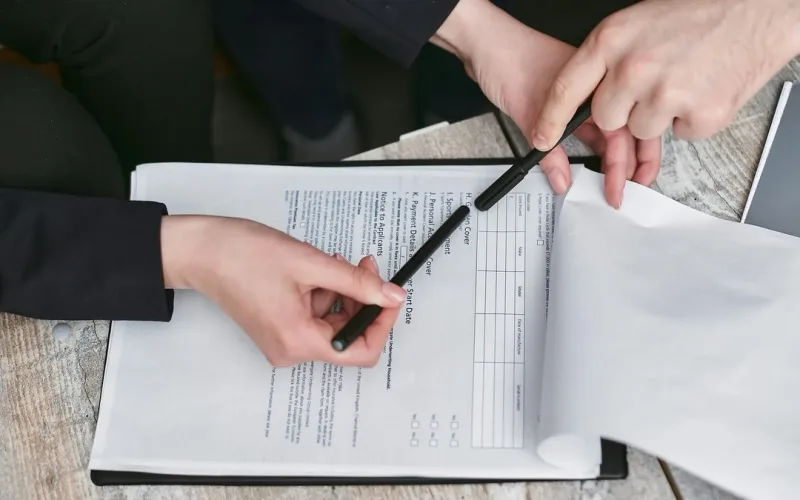
What to Do After Buying Property in Thailand
Many buyers treat handover and registration as the finish line. In reality, that’s just the moment the property officially becomes yours. After that comes the owner stage: paperwork, utilities, building rules, and practical setup — the things that determine whether ownership feels smooth or stressful.
1) Collect and store all documents in one place
Keep contracts, payment confirmations, registration papers, handover documents, furniture/appliance lists (if included), and contact details for management, the developer, and service providers.
It feels like a small thing at first, but later these documents save time during warranty claims, maintenance, rentals, or resale.
2) Inspect the property again — as an owner
After handover, check the basics calmly:
air conditioning, plumbing, lighting, appliances, locks, doors, windows, water heaters, and the internet connection if installed.
Small issues often appear in the first days of real use, not during the formal handover.
3) Set up utilities and understand recurring costs
Make sure you understand how billing works for:
electricity, water, building maintenance, waste collection, internet, and any optional services.
Some projects bill through the management company, others require direct payments to providers. The sooner you understand the system, the fewer surprises later.
4) If it’s for personal use — make it truly livable
A unit can look “complete” during a viewing and still miss dozens of everyday essentials.
Check what you actually need: storage, kitchen basics, textiles, lighting where you need it, and practical household items. Comfort often comes from the small things.
5) If it’s for rental — set up management immediately
A property doesn’t “run itself.”
Decide who handles check-in/out, cleaning, key handover, minor repairs, unit checks, and tenant communication.
Without proper management, even a good unit loses quality, reviews, and income.
6) Learn the building or estate rules
Confirm rules around:
short-term rentals, access control, parking, deliveries, guests, pets, and renovation/noise restrictions.
Many owners discover limitations too late — after they’ve already made plans.
7) If it’s new — clarify warranty procedures
Know what’s covered, where defects are reported, expected repair timelines, and how issues should be documented. Clear process early makes everything easier later.
8) Build a realistic ownership cost picture
Even for personal use, understand annual holding costs:
utilities, maintenance fees, minor repairs, cleaning, insurance (if any), management (if any), and equipment replacement over time.
This prevents the “we already paid everything” illusion.
9) Keep records for the future
Save documents, photos of condition, receipts for improvements, and expense notes. It helps with daily management and makes future rental, resale, or professional management much smoother.
Main takeaway: buying property in Thailand doesn’t end with signing and receiving keys. Ownership starts after the deal. The more calmly and systematically you set things up, the fewer problems and unnecessary costs you’ll face later.