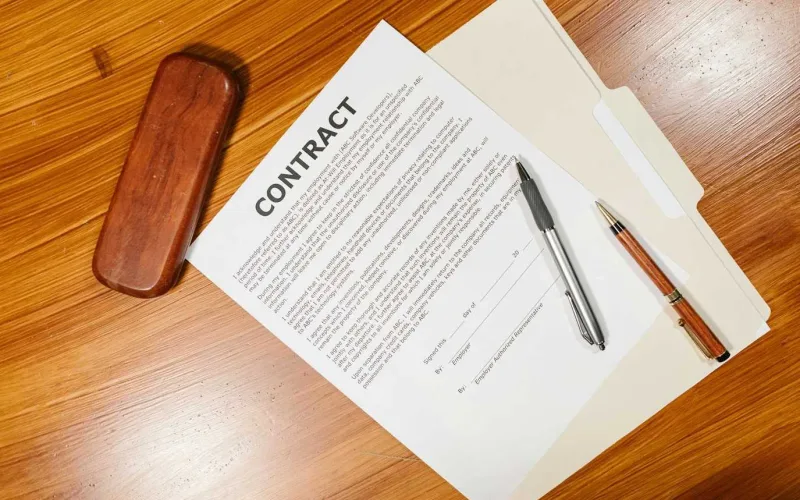
Developer Installment Plans in Thailand: How to Spot the “Nice on Paper” Trap
Developer installment plans in Thailand often look very simple: reserve the unit, pay a small down payment, follow a few staged payments, and clear the final balance closer to completion.
The problem is that “easy installment plan” in marketing and a plan that feels easy in real life can be two very different things. To avoid nasty surprises, you have to look past the headline and understand the full payment structure and the true total cost.
What to check first
1) A low down payment isn’t the whole story
A small entry payment can hide heavy later stages or a big final balance. Always review the full schedule, not just the first step.
2) What the next payments are linked to
Best-case: payments tied to clear construction milestones (foundation, structure, systems, completion).
Riskier: payments tied only to dates, even if construction progress doesn’t match.
3) Is there an extra charge for installments?
Some plans have no surcharge, but many add 3%, 5%, 7% (or more) depending on the term. Calculate this from day one — otherwise you’ll compare two projects as if they’re equal when they’re not.
4) How big is the final payment?
If the last balance is large, you should already know how you’ll cover it: cash, resale, financing, or another plan. Without a clear strategy, the plan may feel comfortable only at the beginning.
Costs people often forget
5) Registration and closing costs
Even if the unit schedule is clear, transfer and registration costs can sit outside the headline price.
6) Building fees and one-time fund payments
New projects often have monthly maintenance fees and a one-time sinking fund contribution. These matter for your real budget.
7) Furniture and appliances
Some “from price” units are sold without furniture. If you want to rent out or move in right away, the true entry budget can jump.
What to confirm in the contract
8) Reservation refund terms
When is the booking payment refundable, and when is it not?
9) What counts as late payment
Grace period, penalties, and whether the developer can terminate the agreement.
10) Whether assignment is allowed
If you want exit flexibility before completion, check if contract assignment is permitted and under what conditions.
How to compare plans properly
Compare three things together:
total cost (including any installment surcharge),
cash load at each stage,
how manageable the final balance is.
Sometimes a project that looks “cheaper” at the start ends up being less practical than one with a clearer, more predictable structure.
Final point
A good installment plan isn’t just a low first payment.
It’s a transparent schedule, clear conditions, reasonable (or no) surcharge, a manageable final balance, and contract terms you fully understand before signing.
When you want to test these terms against real projects, we help clients buy property in Phuket and Pattaya with a transparent payment schedule and a contract you actually understand.