How to Buy Property in Thailand Remotely
Remote property purchases in Thailand are common — but they work well only when the process is structured. The main risk isn’t the “remote format.” The main risk is replacing verification with trust. When you’re not on the ground, the deal should become more documented, not more casual.
Here’s how a clean remote purchase typically runs.
Start by choosing the right purchase format
For most foreign buyers, the clearest route is a condominium unit that can be registered in foreign ownership, as long as foreign quota is available. Houses and land-linked assets usually involve more complex structures, so “remote and fast” is rarely a good approach there. If you want clarity, start with a structure that is straightforward.Verify the deal, not just the photos
Remote buying doesn’t mean skipping checks. Confirm the unit is real as described, the seller has authority, key documents are consistent, pricing makes sense, and if it’s off-plan, the project status and timeline are clear.
Ask for a proper package: recent videos, current photos, floor plan, full payment schedule, draft agreement, and a clear inclusions list. The most common mistake is buying the presentation instead of the asset.
Lock everything in writing before serious payments
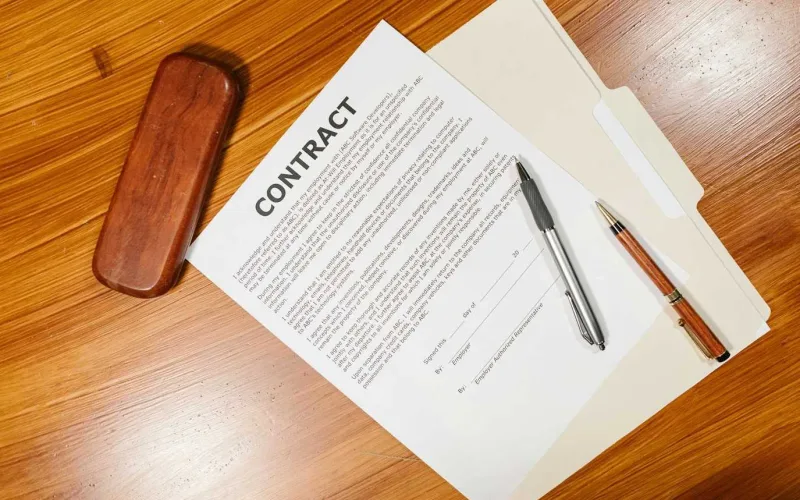
Before you send major funds, make sure the paperwork clearly states: price, payment schedule, timelines, included items, responsibilities, registration terms, and what happens if something goes wrong. In remote transactions, written clarity is not a formality — it’s your safety net.Handle the funds transfer correctly
For foreign condominium ownership, funds are typically remitted from overseas, and the supporting bank documentation matters at registration. This step should not be handled casually — mistakes here often create problems right at the finish line.Use a power of attorney if you won’t attend in person
Remote registration is commonly completed through an authorized representative. What matters is having the correct power-of-attorney document prepared for your specific transaction and the registration authority — not just “any POA.”Complete registration and collect the full final document set
After completion, you need more than “keys received.” You should have signed agreements, payment confirmations, registration papers, property details, and management contacts — everything you may need for ownership, rentals, resale, or future verification. Document discipline is critical in remote deals.Plan the practical setup after purchase
Remote buying doesn’t end at registration. Someone still needs to accept the unit, check what’s included, set up internet and access, organize utility payments, and monitor condition. If you’re buying for rentals, define who handles check-ins, cleaning, key handover, and tenant communication from day one.
Bottom line: buying property in Thailand remotely is absolutely possible. The safe version isn’t “no travel.” It’s “more structure.” The clearer the steps and documents, the calmer the outcome.
If a remote purchase feels daunting, we handle the structure for you: our homepage covers Thailand property selection with document checks and deal support all the way to handover.