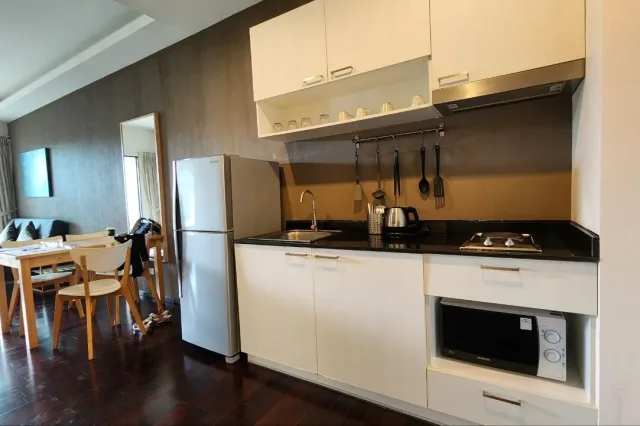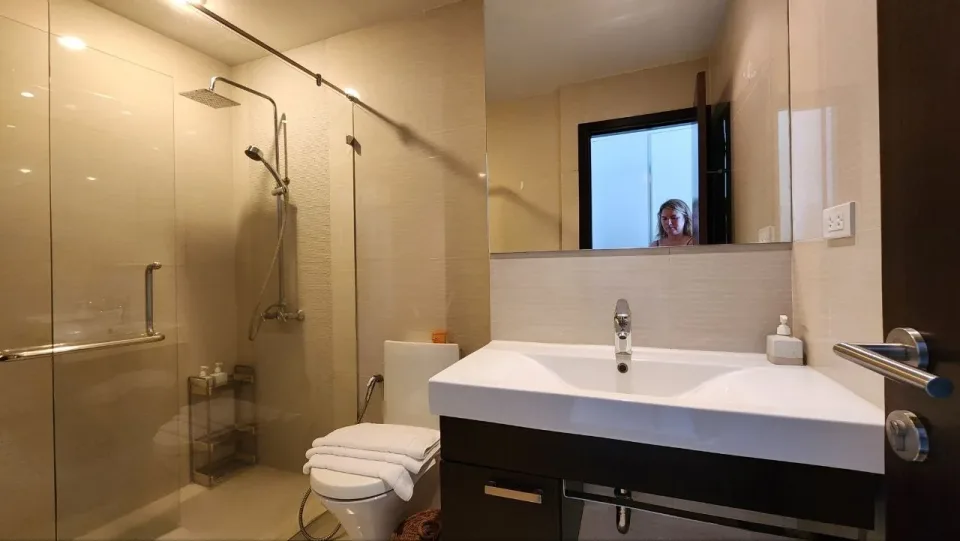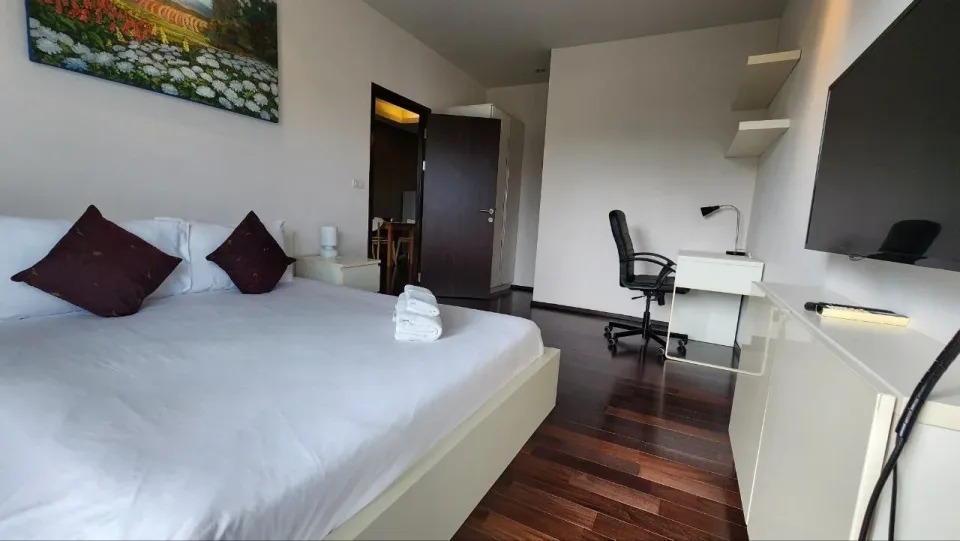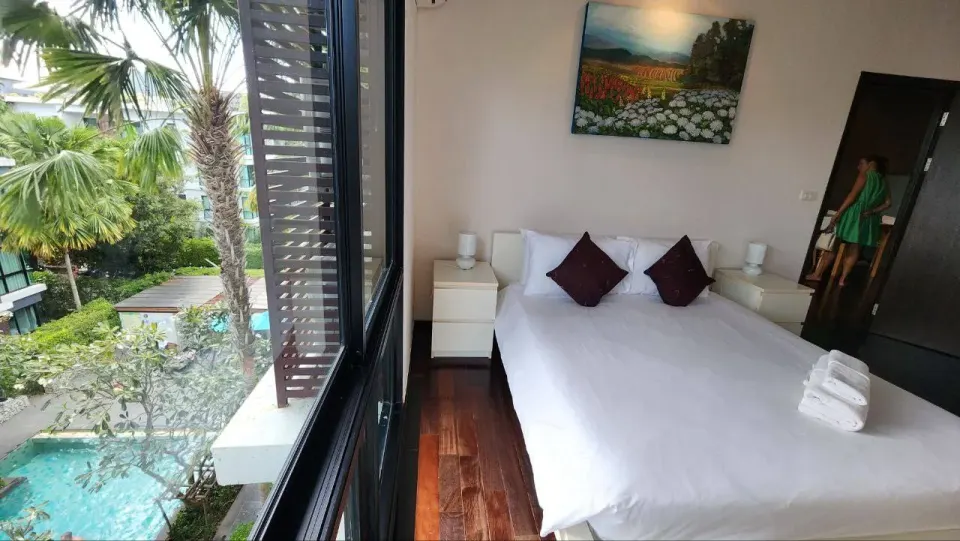
How to Know a Property Is Wrong for You Even If It Looks Beautiful
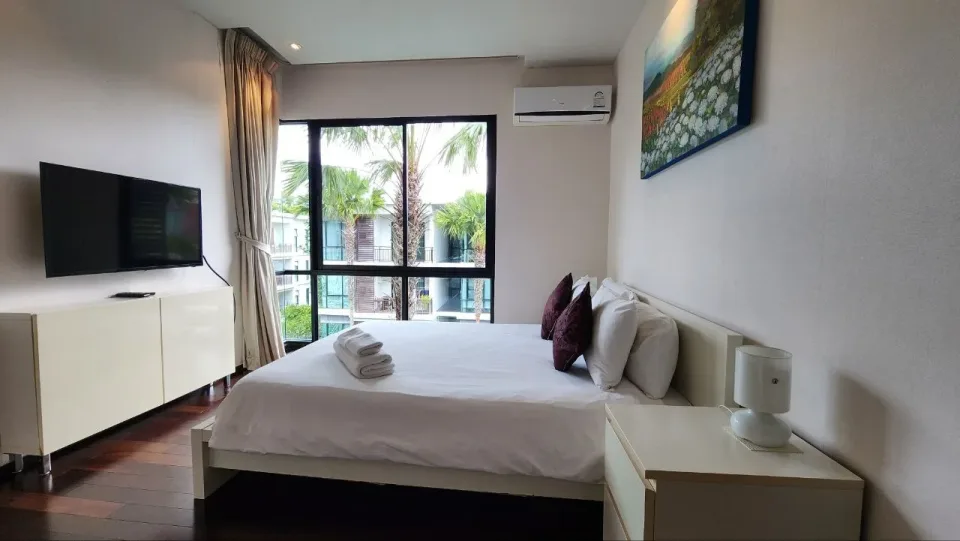
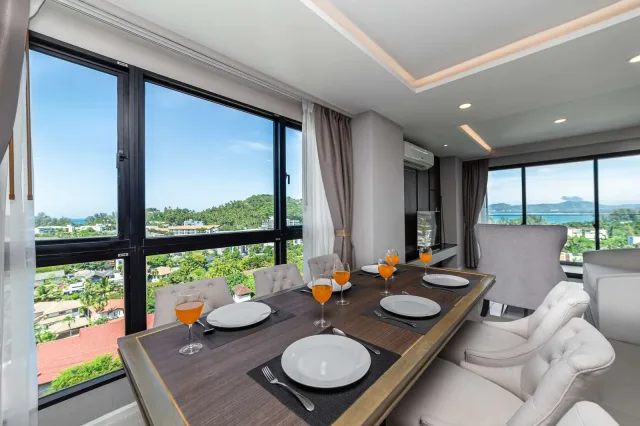
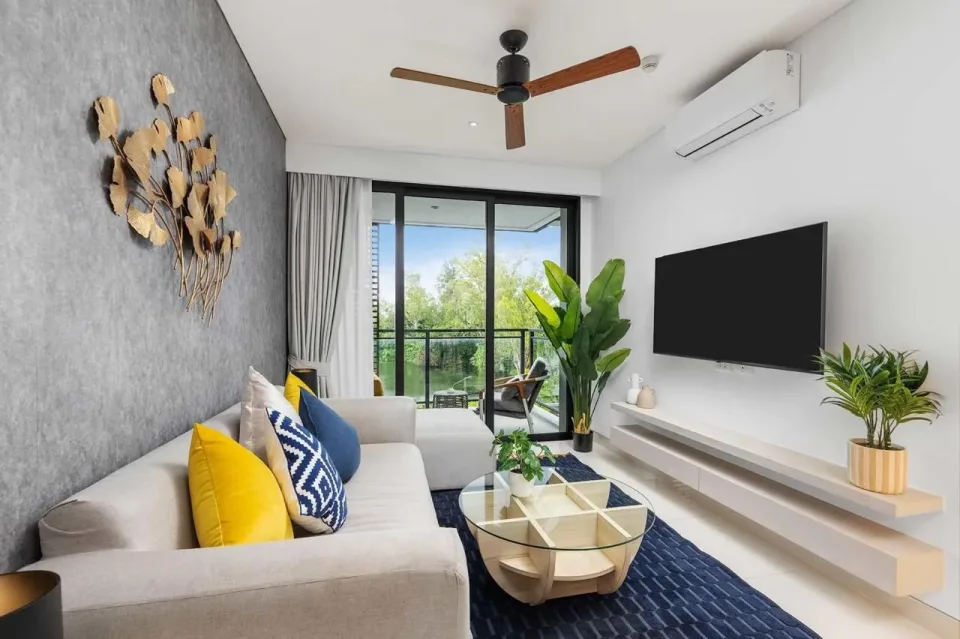
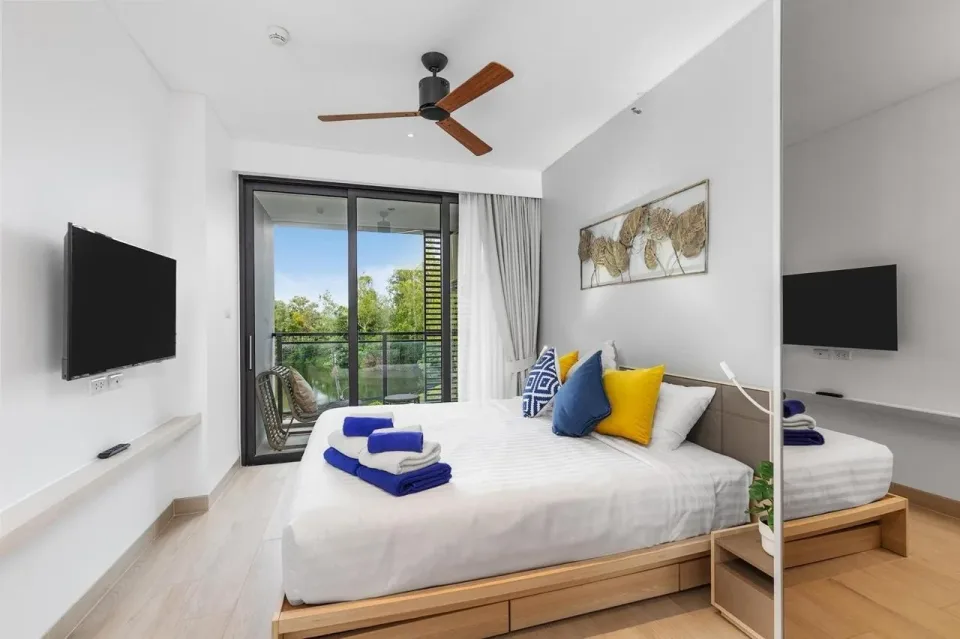
A beautiful property in Thailand can catch attention quickly. Bright interiors, a pool, palm trees, a sea view, a clean lobby, polished renders. At that moment, the mind starts building a picture: morning coffee on the balcony, warm evenings, sea air and a calmer life.
The problem starts when emotion replaces checking. A condo or villa may look expensive, fresh and pleasant, while being weak for your personal scenario. The reason is simple: people often choose with their eyes, while the purchase should be based on use.
One buyer needs a winter home. Another wants rental income. A third plans to move with family. A fourth looks at the property as a long-term asset. Each scenario has different requirements for location, layout, management, noise, liquidity and costs.
Here are the signs that should make you pause, even if the property looks attractive at first sight.
Your Purchase Scenario Does Not Match the Property
The first question is simple: why are you buying?
For personal living, you need a good area, quiet surroundings, transport, shops, medical access, parking, neighbours and a comfortable route home in the evening. For rental use, you need demand, seasonality, building rules, management, nearby competitors and realistic rates. For resale, you need liquidity, developer reputation, entry price, location and the number of similar units nearby.
A beautiful property can still fail your scenario.
For example, a condo by the sea may look perfect for holidays. For long-term living, the area may feel too noisy, too tourist-heavy or inconvenient for daily needs. A quieter location may work well for winter stays, while rental demand may be weaker because of distance from the beach and nightlife.
Before viewing, define one main purpose. If the purpose is vague, almost every attractive property starts to look suitable.
The Area Raises Questions
In Thailand, location often matters more than the image of the unit. A property may look perfect in photos, while the area raises questions on site: how to get to the beach, where to buy groceries, whether there are cafés nearby, how easy it is to call a taxi, how the street feels in the evening.
For living, distance to the sea is not enough. Pavements, lighting, noise, nearby construction, traffic, slopes and the street condition after rain also matter. Sometimes 700 meters to the beach becomes an unpleasant walk along a busy road. Sometimes 1.5 kilometers work better because shops, transport and daily infrastructure are close.
For rental use, look at the area through the eyes of a future tenant. Who will rent here? A tourist for two weeks? A family for a season? An expat for a year? Each audience has different needs.
If you cannot clearly understand who the area suits, compare the property with alternatives before moving forward.
The Price Is Supported Mainly by Emotion
A beautiful presentation can make the price feel less painful. A buyer looks at the pool, view, finishes and lobby, then starts justifying a higher budget.
This is where calculation matters. Compare the property with 3–5 similar options in the same or nearby area. Check price per square meter, floor, view, size, construction status, furniture package, transfer costs and future maintenance.
Be careful with phrases like “only a few units left”, “prices will rise soon”, “best option in the area”. Such claims mean little without comparison.
A strong property can handle comparison. A weak one often depends on presentation and urgency.
The Layout Is Weak for Real Life
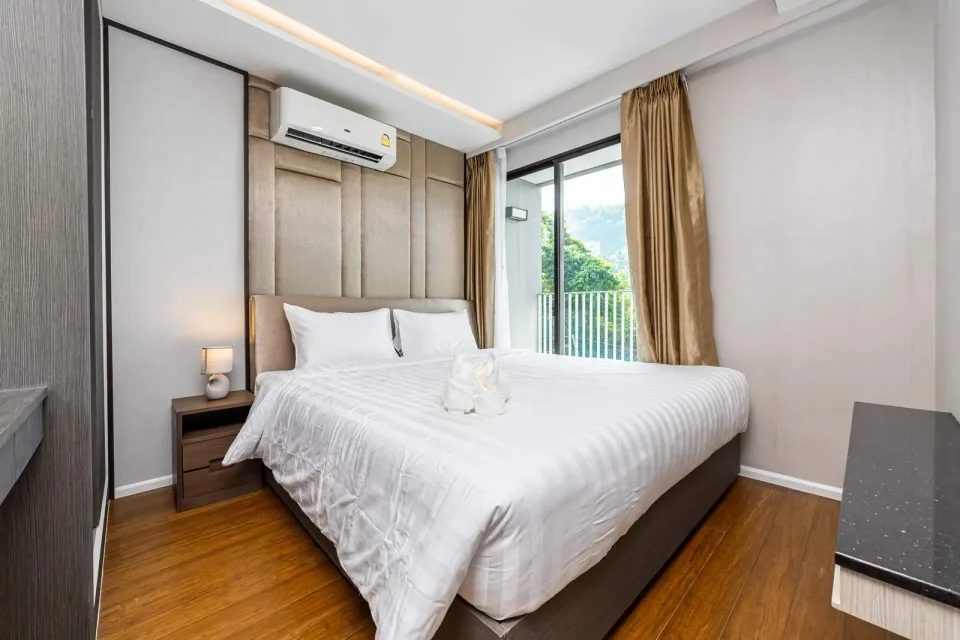
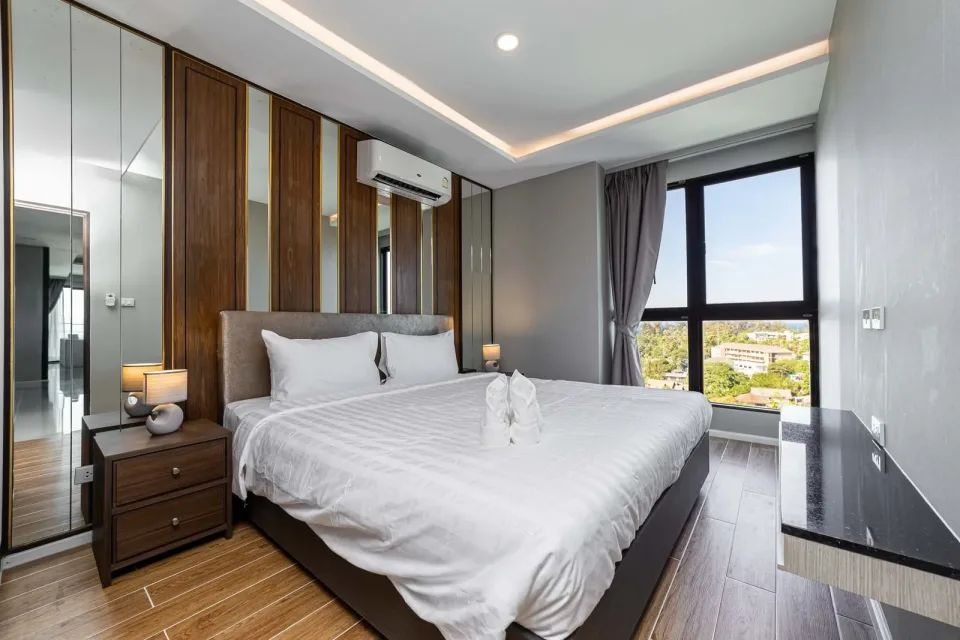
Size alone tells very little. A 35 sqm unit can feel comfortable, while a 45 sqm unit can feel awkward.
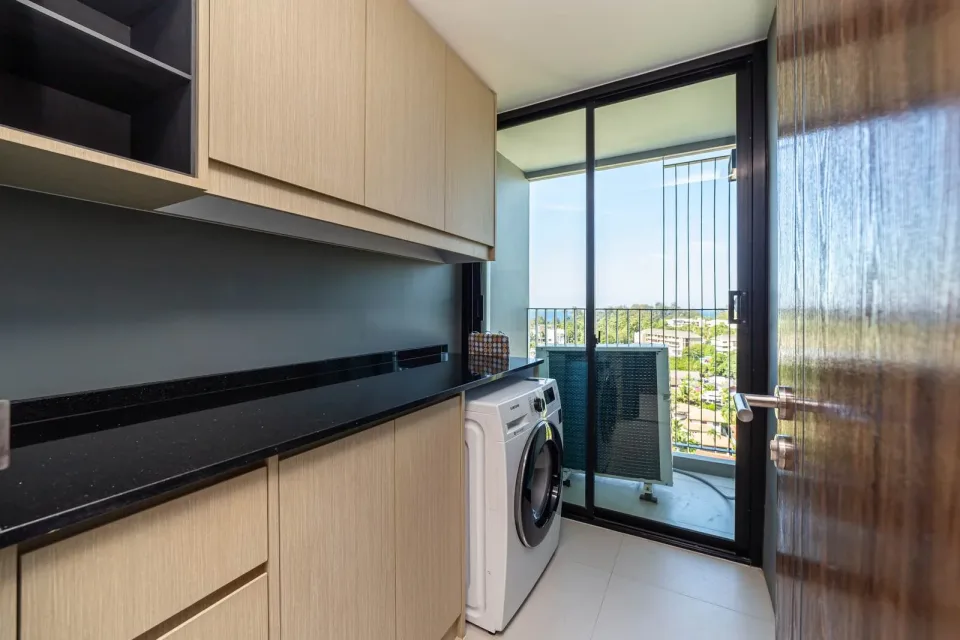
Look at the layout. Is there enough storage? Can you place a work desk? Where will the washing machine go? How do the doors open? Is there enough natural light? Can two people live there comfortably? Is there room for luggage, daily items or children’s things?
For rental use, layout also matters. A tenant quickly feels the difference between a nice photo and a comfortable month-long stay.
A warning sign appears when the property works from only one camera angle. If you need to convince yourself that you will “get used to it”, pause.
The View Is Good, Privacy Is Weak
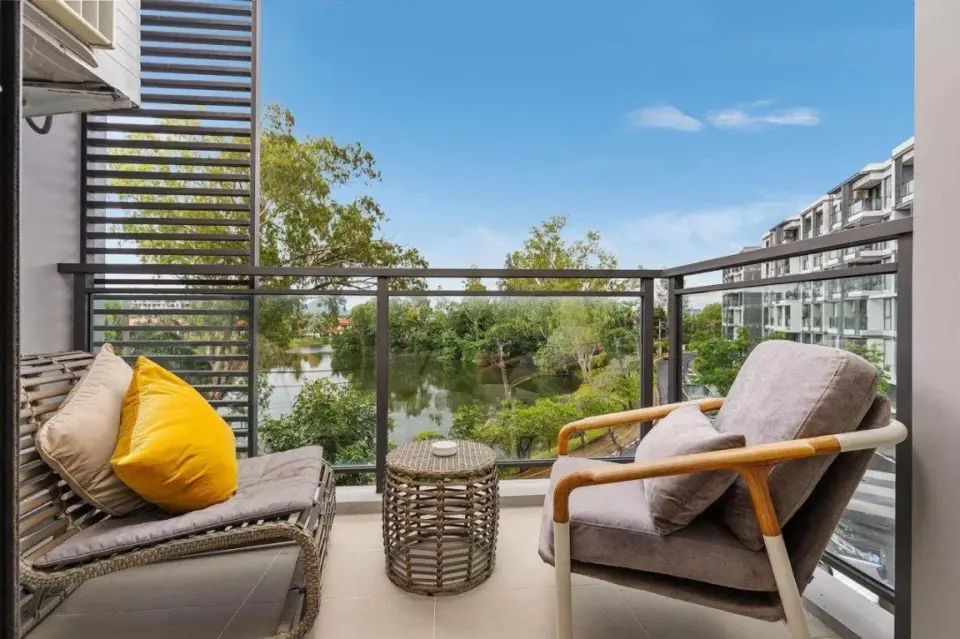
In Thailand, buyers often focus on the view: sea, pool, city, greenery. A good view can affect emotion, rental appeal and resale. Still, the view should be checked together with privacy.
Windows may face another building. A balcony may be visible from the opposite tower. A new construction site may appear nearby later. A showroom angle may differ from the actual view of the selected unit.
Before reservation, check the floor, window direction, distance to neighbouring buildings, nearby development plans and real photos from a point as close as possible to the selected unit.
If the view is the main selling point, verify it carefully.
Facilities Look Impressive, Yet You May Not Use Them
Pools, gyms, cinema rooms, lounges, co-working areas, sauna, kids’ clubs — all of this looks strong in a presentation. Owners still pay for maintaining these facilities.
For personal use, ask yourself honestly: will you use them? For rental use, ask whether tenants will pay more for this package.
Strong facilities help a property stand out. With a weak location or inflated price, they cannot carry the deal alone. Sometimes a simpler building with lower fees and a stronger area works better than a flashy complex with expensive maintenance.
Ownership Costs Damage the Calculation
The entry price is only the beginning. After purchase, owners face maintenance fees, sinking fund, utilities, internet, cleaning, rental management, agency commission, transfer costs and taxes.
For personal living, these costs affect comfort of ownership. For rental use, they affect net performance.
If the purchase is income-focused, calculate money after all costs and vacancy, rather than a nice headline rental rate. A unit may rent well in high season, then slow down in low season. Without seasonality, the calculation becomes too optimistic.
Before reservation, ask for a cost breakdown. If the answer stays vague, postpone the decision.
Building Rules Conflict with Your Plan
Every condominium has rules. They may cover rental terms, pets, renovations, noise, common areas, parking, guests and management company procedures.
For personal living, some limits matter. For rental use, others become critical. For example, short-term rental may be restricted by building rules or local regulation. A villa community may have its own rules for territory management. A condo may have limited parking, even if the renders look convenient.
Before buying, check whether the property rules match your plan. Otherwise, you may buy a beautiful unit and later find it difficult to use the way you intended.
Too Many Similar Units Nearby
For rental and resale, competition matters. If many similar studios and one-bedroom units are being built around the area, tenants will have many choices. Owners will compete by price, view, furniture, floor and management quality.
A large project is not automatically a problem. The key question is what makes your unit different. View? Floor? Layout? Entry price? Management? Access to infrastructure?
If there are few differences, liquidity becomes weaker. Such properties can still work, but only with a sensible entry price and a clear calculation.
The Agent Avoids Direct Questions
A beautiful property can be sold through emotion. Before making a decision, ask direct questions:
final price for the exact unit;
quota;
what is included;
transfer costs;
payment schedule;
weak points of the property;
alternatives in the same budget;
what may change in the area over the next 2–3 years.
A strong specialist answers calmly. They can show documents, compare options, name weak points and explain which buyer scenario the property fits.
If the conversation turns into vague phrases, pressure and urgency, pause.
You Start Justifying Weak Points
The most honest signal often appears inside. If you already see several weak points and start smoothing them over with phrases like “the view is great”, “we’ll figure it out later”, “it should grow anyway”, emotion has moved ahead of analysis.
At that moment, compare the property with alternatives. Use a table: price, area, size, view, costs, completion date, quota, rental logic and liquidity.
After comparison, some options will drop out naturally. That is healthy. In real estate, a good refusal can save more money than a successful discount.
Main Takeaway
A beautiful property deserves attention, but beauty should not be the main reason to buy.
Start with the scenario. Then check location, price, layout, quota, costs, building rules, management and liquidity. Only after that should the view, pool and interior influence the decision.
At LumiThai, we look at property this way: we select options based on the client’s goal, compare alternatives, check weak points and calculate real costs. This helps avoid falling in love with a picture and choose a property that fits real life, budget and ownership plans.