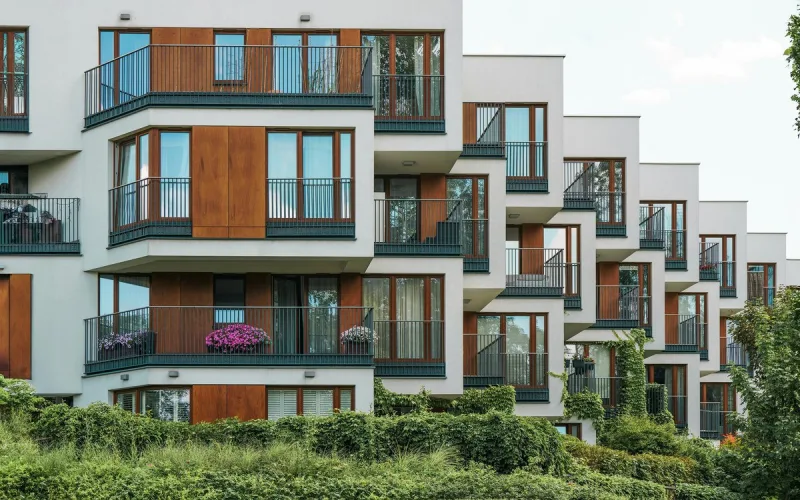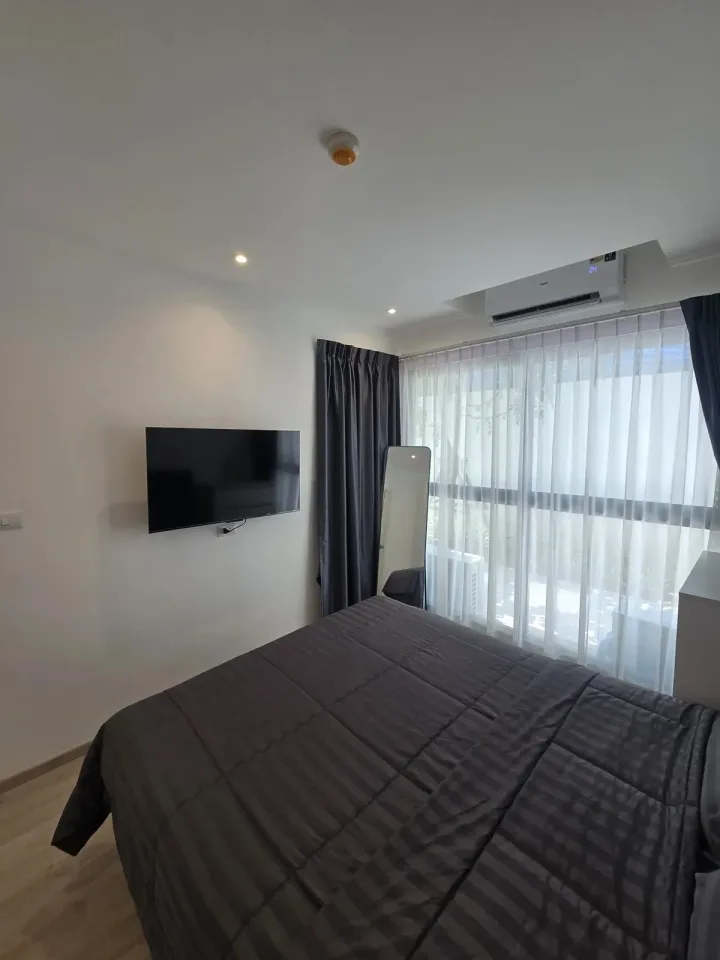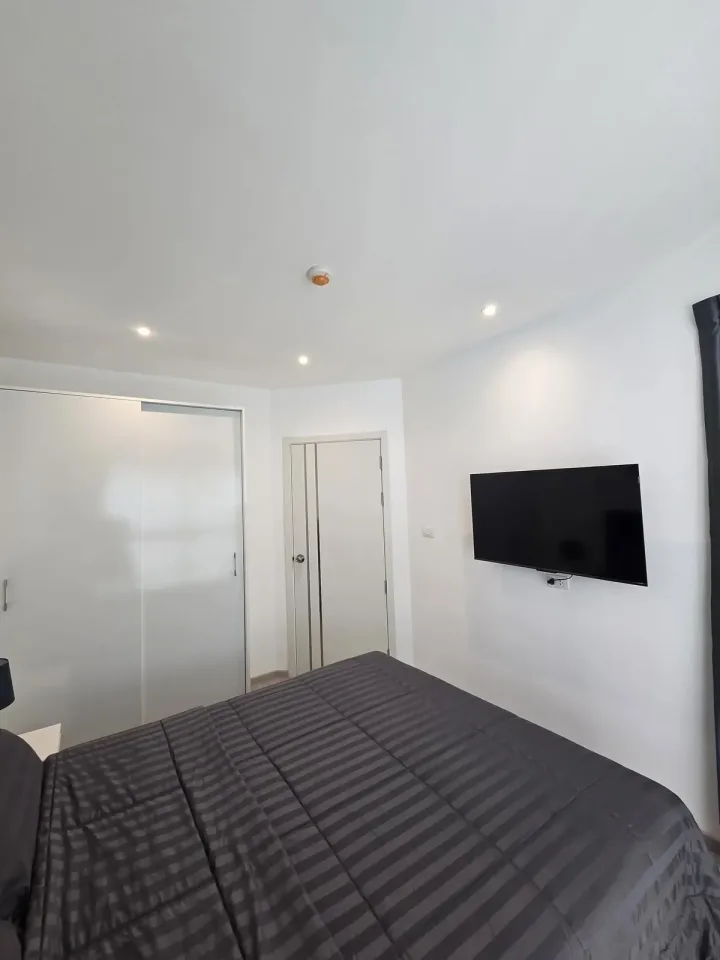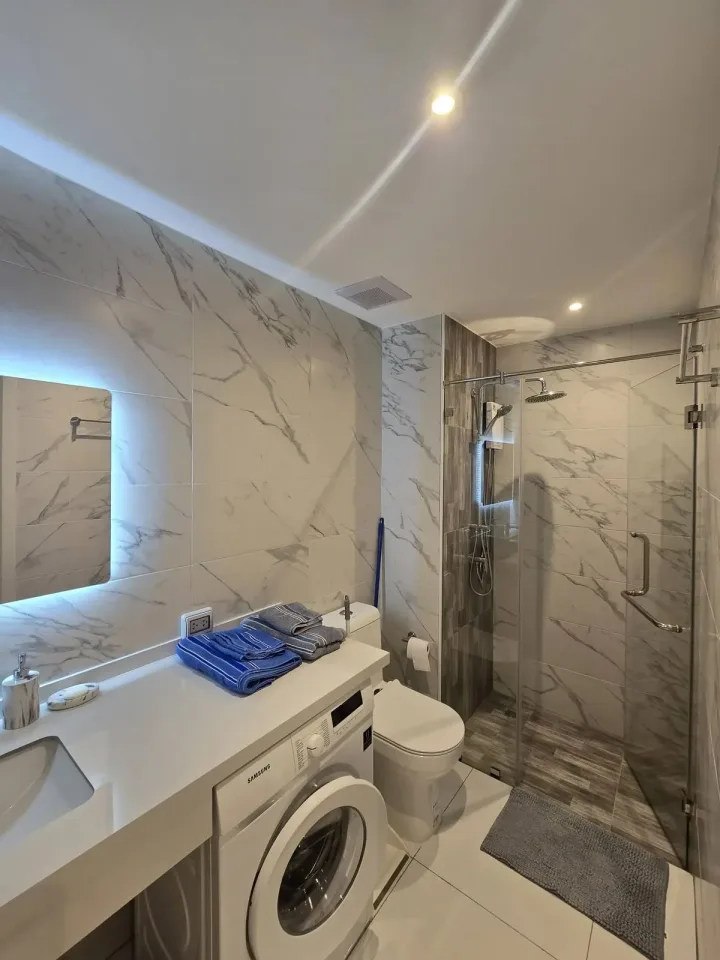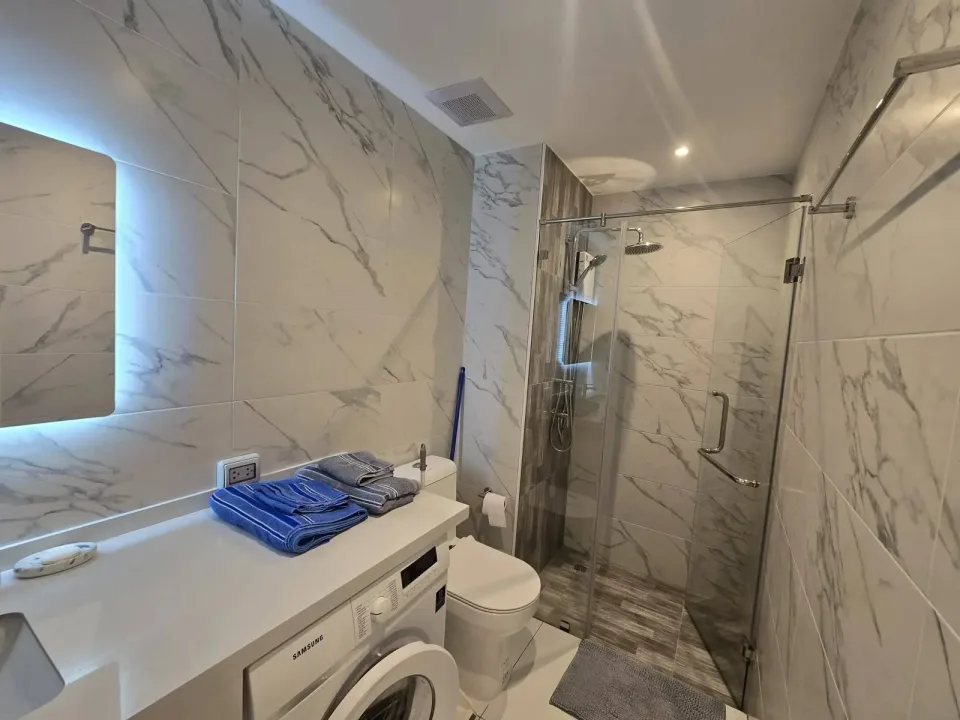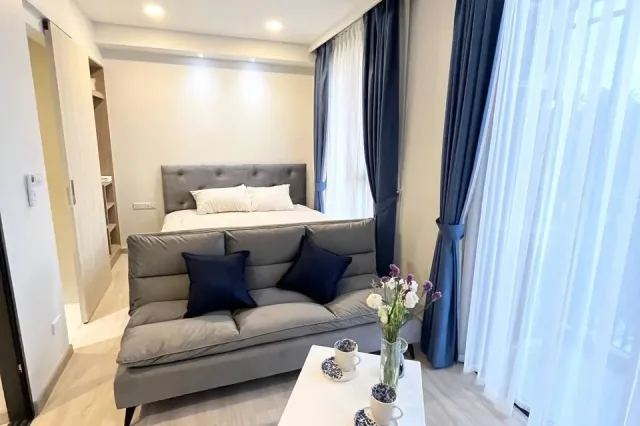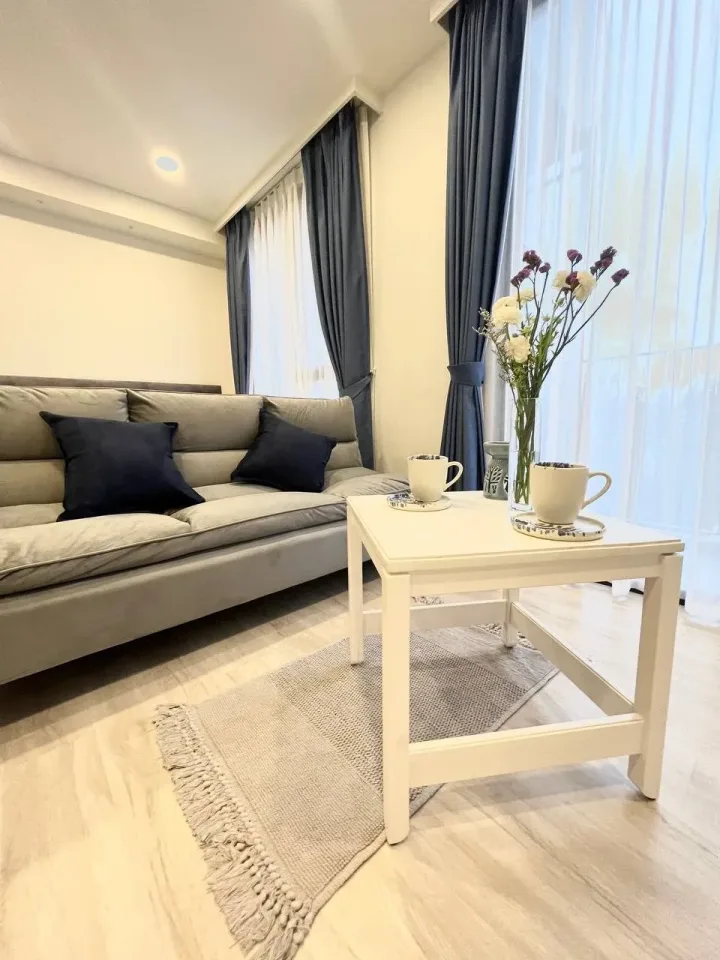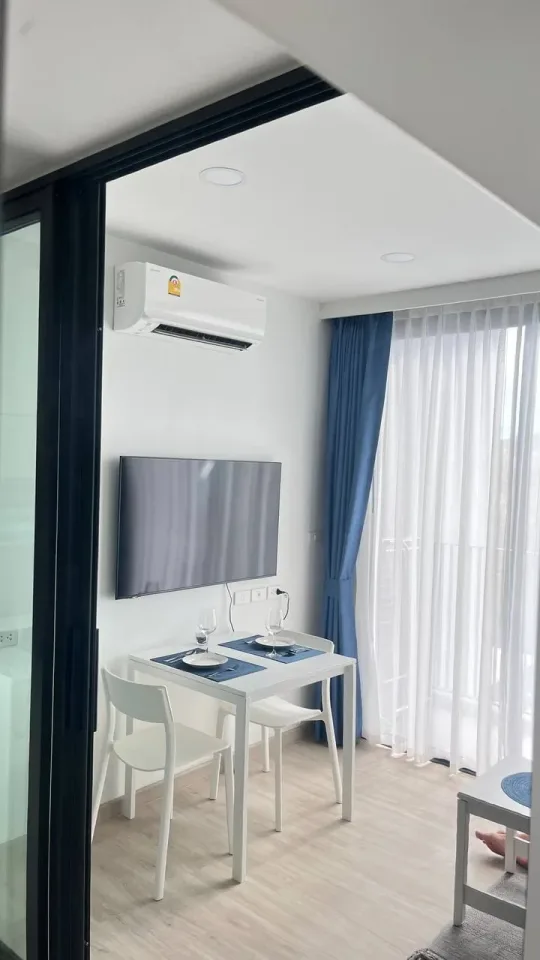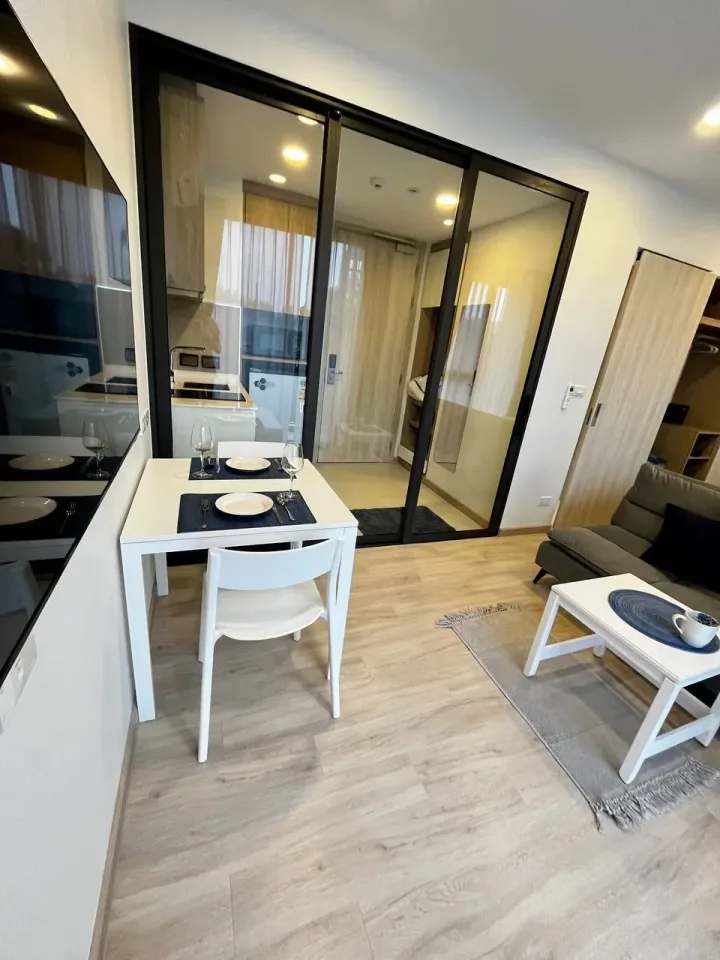
Renting a condo or villa in Thailand usually starts well before the lease is signed. The first steps are choosing the city and area, deciding how long you plan to stay, and setting a realistic monthly budget. After that, you can move on to viewings, document checks, payment terms, and move-in.
Foreigners can rent residential property in Thailand. Six- and twelve-month leases are common for long-term rentals, while other terms may also be available depending on the property, season, and rules of the residential development.
1. Decide on your term, budget, and area
Start with the length of your stay. Longer leases usually provide access to a wider selection of residential properties and can make the monthly terms easier to discuss. A stay of only a few months may offer fewer choices, particularly in popular areas during peak season.
Build a complete monthly budget. In addition to rent, consider the security deposit, first rental payment, electricity, water, internet, cleaning, and any property-specific service costs. Villa tenants should also confirm who pays for pool and garden maintenance.
Your area should fit your daily routine: work, schools, shops, hospitals, beaches, transport, and preferred lifestyle. If Phuket is your target, our guide to the best areas in Phuket for living provides useful context on the island’s main residential locations.
You can also compare Phuket areas and residential projects to understand the types of housing and locations available across the island.
2. Where to look for a condo or villa
Rental properties can be found through real estate agencies, specialist property websites, social media groups, personal contacts, and direct enquiries at residential developments.
Treat every advertisement as a starting point. Current availability, monthly price, lease term, furniture, and included services should be confirmed before money is transferred. In popular rental markets, the date when availability was last verified is especially useful.
Pattaya also varies considerably by area. Jomtien, Pratumnak, Wongamat, Central Pattaya, and the eastern parts of the city suit different lifestyles. Our guide to the best areas in Pattaya for living can help narrow the search.
It is also useful to compare Pattaya property and areas, paying attention to beach distance, transport, shops, and everyday travel times.
3. Check the advertisement and inspect the property
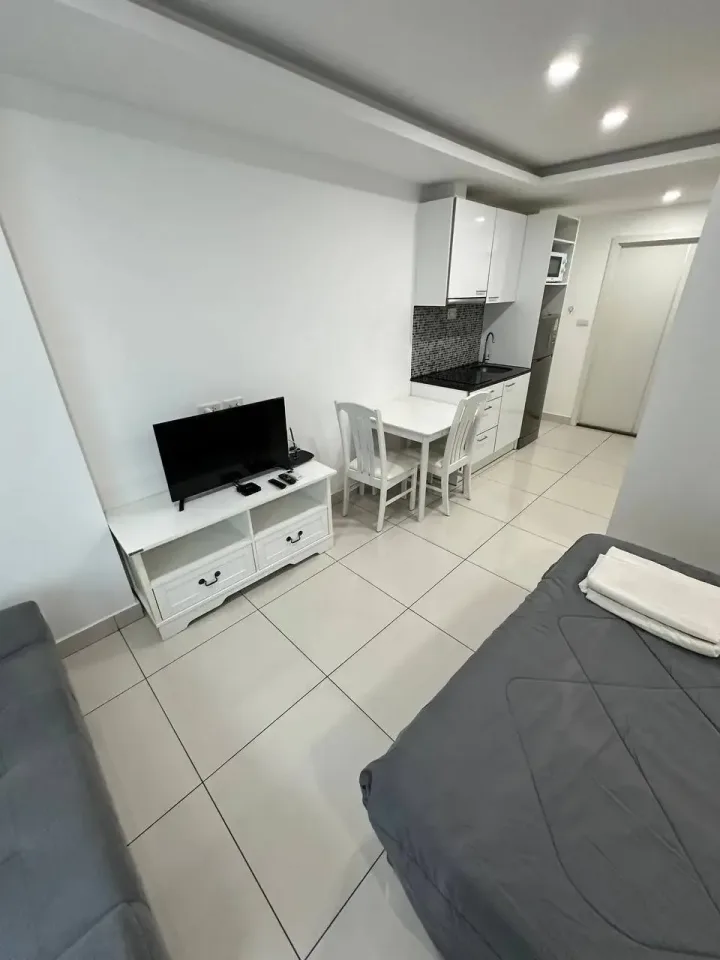
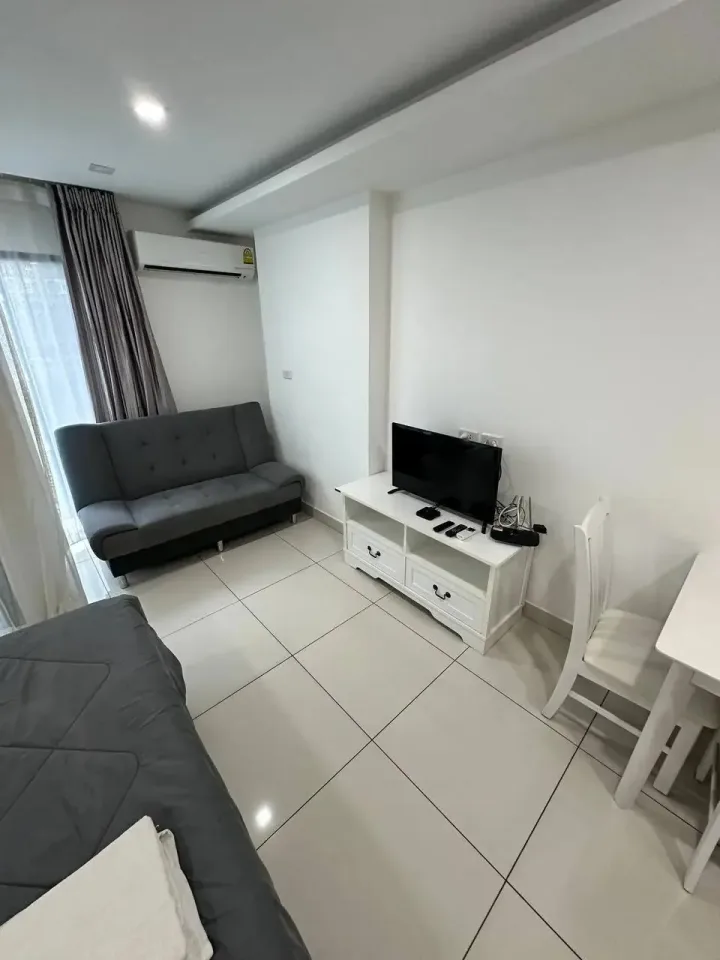
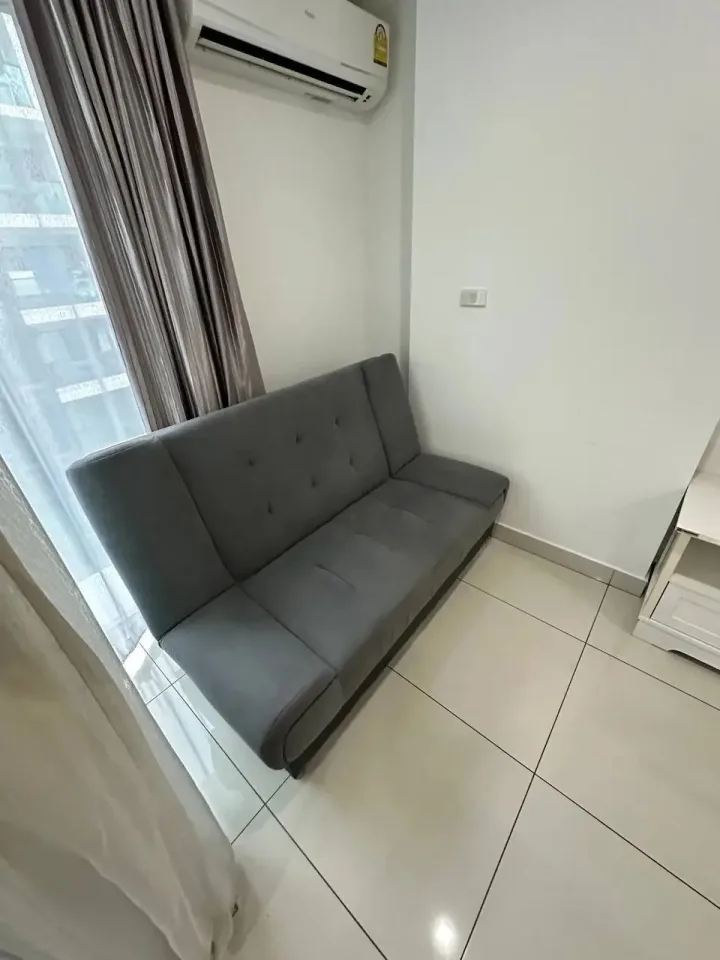
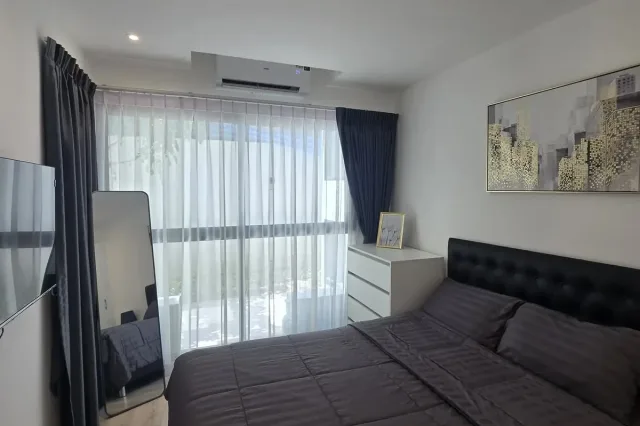
Before paying anything, ask for current photos, the exact monthly rent, minimum lease term, deposit amount, additional charges, and the date from which the property is available. Confirm which furniture and appliances are included.
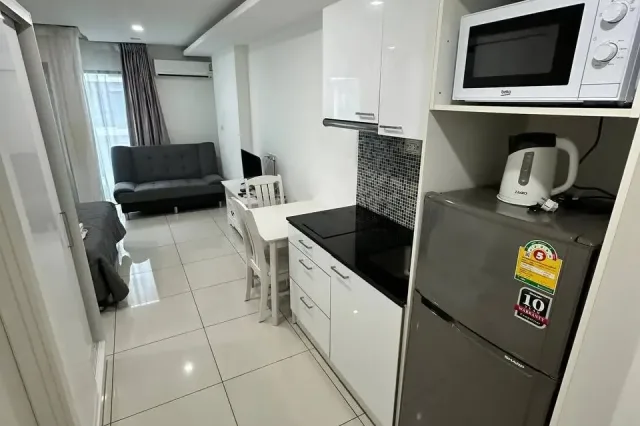
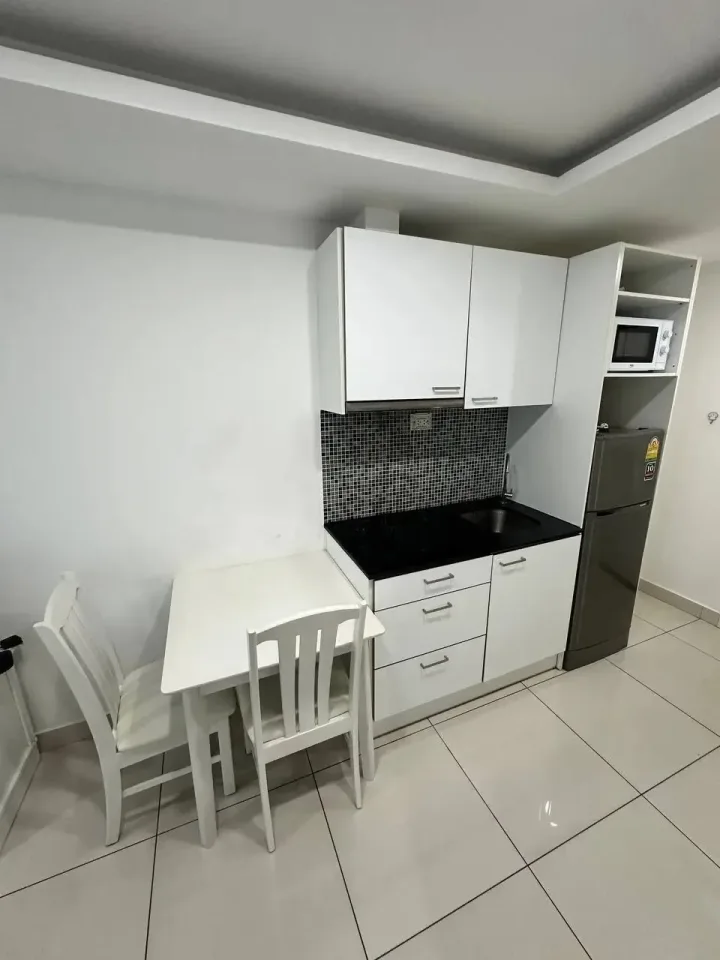
An in-person viewing reveals details that photographs often miss, including street noise, air-conditioning performance, water pressure, natural light, furniture condition, smells, and the quality of common areas.
During the viewing, check:
- air conditioners in the advertised rooms;
- refrigerator, hob, washing machine, and water heater;
- taps, shower, drainage, and water pressure;
- doors, windows, and locks;
- signs of moisture or damage;
- furniture, mattresses, and textiles;
- balcony, terrace, garden, or pool where applicable;
- utility meter readings before move-in.
For a villa, also clarify the pool and garden service schedule, maintenance costs, staff access to the property, and responsibility for equipment failures.
4. Documents commonly requested from foreign tenants
A landlord or agent will commonly ask for a passport and information about your current immigration status. The exact document set varies by property and lease arrangement.
You should also know who is signing on behalf of the property owner. When a representative handles the rental, confirm their authority and the payment details used for the transaction.
Before signing, check the spelling of names, property address, rental period, and agreed monthly price. Payment details should correspond to the owner or authorised representative involved in the agreement.
For stays shorter than 30 days, confirm that the property and accommodation arrangement comply with the rules that apply to short stays. Residential developments may have their own restrictions as well.
5. What to check in the rental agreement
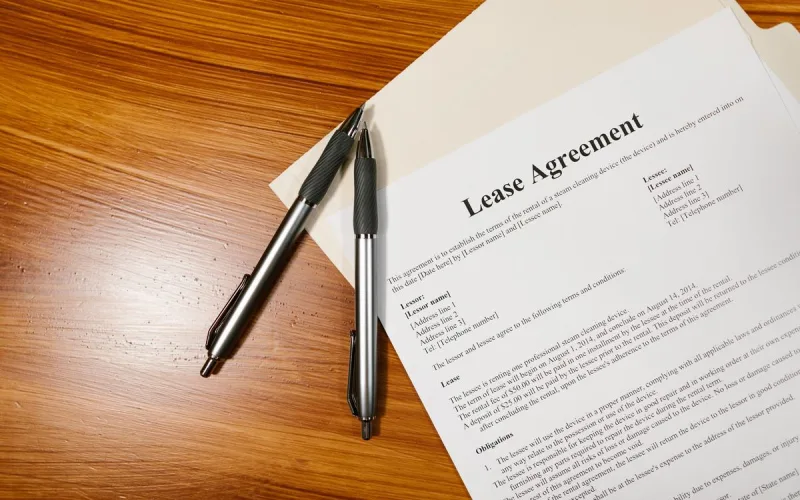
A written lease records the agreement between the parties and provides a clear reference if questions arise later. Read the entire document and its attachments before signing.
The agreement should clearly cover:
- the exact property and address;
- start and end dates;
- monthly rent and payment date;
- security deposit amount;
- conditions for returning the deposit;
- electricity, water, internet, and cleaning charges;
- responsibility for repairs and damaged equipment;
- pet rules;
- early termination terms;
- renewal terms;
- the inventory of furniture, appliances, keys, and access cards.
For villas, pool, garden, and technical maintenance should be covered clearly. Condo tenants should also confirm building rules, parking arrangements, and access to shared facilities.
6. Deposit, first payment, and extra costs
Long-term rentals commonly require a security deposit equal to one or two months of rent, together with the first month’s payment. The exact arrangement should be written into the lease.
If a separate reservation payment is requested before move-in, confirm its purpose, whether it is credited toward the lease, and the conditions under which it can be returned.
Electricity and water are often charged according to consumption. Confirm the calculation method and rates in writing. Internet, cleaning, pool service, or garden maintenance may be included in rent or charged separately.
Keep payment confirmations and receipts. For cash payments, ask for a dated receipt stating the amount and purpose.
7. Move-in inspection and what happens afterwards
On move-in day, inspect the property with the owner or representative. Photograph or record the condition of the rooms, existing damage, furniture, appliances, bathrooms, and utility meters.
Record all keys, access cards, remote controls, and other equipment handed over to you. Meter readings should also be saved in a handover record or written conversation accessible to both parties.
Confirm who handles maintenance requests and how utility readings are reported. Villa tenants should also receive the expected pool and garden maintenance schedule.
Foreign tenants should ask about the TM30 notification, which records a foreign national’s place of stay with Thai immigration. The owner or responsible accommodation provider commonly handles the filing. Ask for confirmation once it has been completed, especially if you may need it for later immigration procedures.
A smooth rental is built around clear terms: the home matches its description, costs are understood in advance, the agreement reflects what was discussed, and the condition of the property is recorded at handover. Following this sequence makes the move easier and reduces the chance of disputes later.