
Renewing a condo, house, or villa lease in Thailand is best handled before the current agreement expires. During the tenancy, market rent, property condition, included services, and the plans of both parties may have changed. The next rental period should therefore be treated as a fresh set of agreed terms.
A practical time to start the conversation is around 30–60 days before the lease ends. This gives you time to compare the market, discuss the rent, and decide whether staying in the property still makes sense. This guide covers ordinary residential rentals for several months or a year. Registered long-term property leases of up to 30 years follow a different legal framework.
When should you start discussing a lease renewal?
Begin with the current agreement. Check the expiry date, required notice period, and any renewal clause. The contract may specify when the tenant must inform the landlord about staying for another term or moving out.
If there is no specific renewal timetable, starting one or two months in advance is a practical approach. Timing can be especially important in Phuket before the high season, when landlords may already be receiving enquiries for the next period.
An early discussion gives both sides enough time to agree on the new rent without last-minute pressure. If you are unsure whether the renewal price is competitive, compare current rental properties in Phuket or available rentals in Pattaya.
How should you discuss the new rent?
The end of the current lease creates a new negotiation point. The landlord may keep the same rent, propose an increase, or change the payment structure. The tenant can also make a counter-offer based on the market and the proposed rental period.
Before negotiating, compare similar properties in the same area. Consider size, condition, furnishing, floor, view, distance from the beach, development facilities, and lease length. Our guide on negotiating rent in Thailand explains how to prepare a realistic counter-offer.
A reliable existing tenant has useful bargaining points: consistent payments, good care of the property, no vacancy period, and no cost of finding a replacement tenant. Keeping a proven tenant can be financially attractive for the landlord.
Discuss the monthly price together with the new lease length. A six-month renewal and a twelve-month renewal may be priced differently. If the rent stays unchanged, confirm whether utilities, internet, maintenance, and other charges remain the same as well.
Which lease terms should be confirmed again?
A renewal covers more than the monthly rent. Before signing the next term, review:
- the new start and end dates;
- monthly rent;
- payment date and method;
- required notice before moving out;
- early termination terms;
- security deposit amount and status;
- electricity and water rates;
- internet charges;
- cleaning and additional services;
- responsibility for repairs;
- pool and garden maintenance for villas;
- pet rules;
- parking;
- access to development facilities;
- furniture and appliance inventory.
Any arrangements made during the current tenancy should be added to the written renewal. This might include an appliance replacement, a revised utility arrangement, or a different maintenance responsibility.
What happens to the security deposit?
In many renewals, the existing security deposit remains with the landlord and continues to secure the tenant's obligations during the next term. The renewal document should state this clearly.
If the monthly rent increases, the landlord may ask for the deposit to be adjusted to the amount agreed for the new tenancy. The written terms should show the existing deposit, any additional payment, and the final total being held.
If the parties sign an entirely new agreement, clarify how the previous deposit will be treated. It can be carried over to the new term or settled before a new deposit is paid. The chosen arrangement should be clear from the contract and payment records.
Should you sign a new lease or an extension?
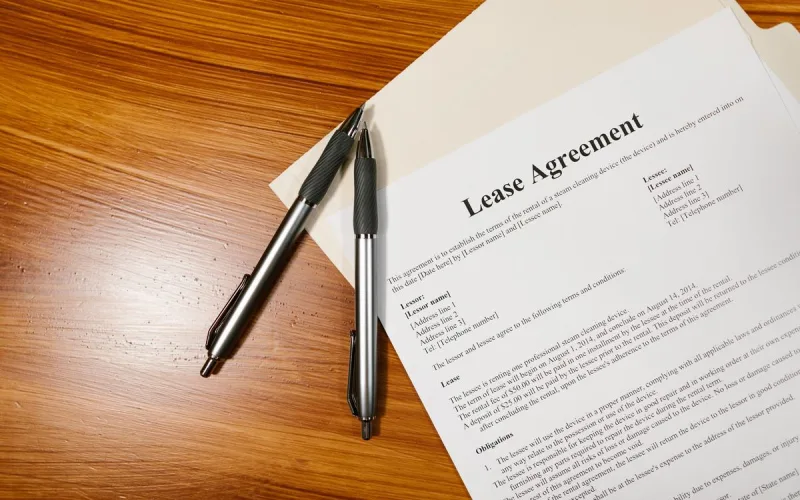
A renewal can be documented through a new lease or a written extension to the existing agreement. The practical choice depends on how many terms are changing.
If most conditions remain the same, an extension can record the new dates, rent, and amended clauses. When several important terms change, a new agreement is often easier for both parties to follow.
Whichever method is used, the document should clearly identify the property, the parties, the new rental period, monthly rent, security deposit, and all revised conditions. Both parties should sign it.
Important promises made in messages should also be reflected in the signed document, especially those concerning rent, repairs, payments, and future move-out terms.
Should you inspect the property again before renewing?
The condition of a rental property changes during a six- or twelve-month tenancy. Before the new term starts, it is useful to review air conditioners, plumbing, appliances, furniture, walls, windows, and other relevant items with the landlord.
Existing damage can be photographed and added to an updated inventory record. For a villa, also check the pool, pumps, garden equipment, and other systems where maintenance responsibilities are divided between the landlord and tenant.
An updated record makes it easier to distinguish existing wear from damage occurring during the renewed period and can reduce future security-deposit disputes.
When is renewing better than moving?
Compare the total cost rather than the monthly rent alone. A different property may have a lower advertised rate while moving can create additional costs for a new deposit, transport, cleaning, service setup, and the time required to find another home.
Renewal can make sense when the current property suits your location needs, the agreed rent remains competitive, the landlord manages the property well, and the home still fits your lifestyle.
Moving becomes more attractive when the new rent is significantly above comparable properties, unresolved maintenance issues have accumulated, or your preferred area and property type have changed.
If there is a chance that you may leave before the next expiry date, review the relevant clause before renewing. Our guide to early lease termination in Thailand explains notice, security deposits, final payments, and landlord-approved tenant replacement.
The goal of a good renewal is clarity for the whole next rental period. Review the price together with the lease term, deposit, expenses, repairs, move-out rules, and property condition, then record the final agreement in writing.