A beautiful render, a sea view, and the phrase “only a few units left” don’t guarantee a safe deal. In Thailand, you should check not only the property, but the developer behind it: track record, land, documents, timeline, contract terms, and real risks.
Developer checks aren’t about being scared of every deal. They’re about not buying emotionally. Strong projects can handle detailed questions. Weak projects start to look shaky once you ask for documents, payment terms, delays, and refund conditions.
Check the developer’s track record
Start simple: what has the company already completed?
A solid developer should have:
delivered projects and real buildings you can inspect
residents and functioning property management
owner feedback and a visible reputation
older projects you can look at years after handover, not just new sales launches
Pay attention to:
how many projects have been completed
whether there were delays
how finished buildings look today
how management performs after handover
whether there are complaints about quality, maintenance, or documents
A new developer is not automatically bad, but checks must be stricter. Land, permits, financing, contractors, and contract terms matter even more.
Look beyond the presentation
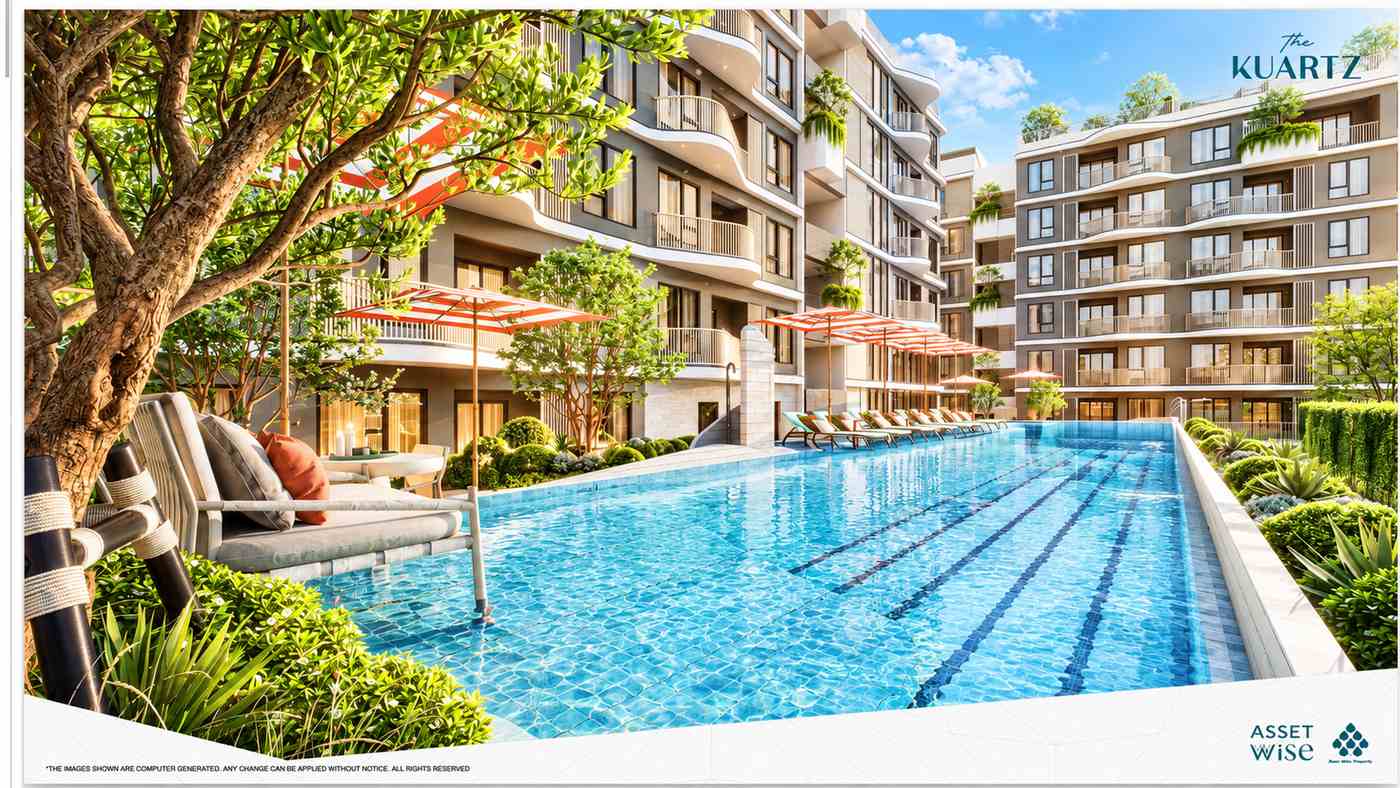
Thailand presentations can be very convincing: pools, palm trees, panoramic views, glossy lobbies, and strong return promises. But you need to look deeper.
Check:
where the land actually is
what surrounds it today
noise sources, bars, empty lots, nearby construction, road access
the real view from your specific unit (not marketing visuals)
whether the project matches the area and future demand
A strong property isn’t the one with the best pictures. It’s the one where location, price, layouts, facilities, rental demand, developer quality, and purchase terms make sense together.
Check land and project documents
Legal checks are essential. You need to know the developer has the right to build on that land and sell the project.
Before major payments, confirm:
land ownership or land rights
type of land title
restrictions or encumbrances
construction permit
whether the project matches the declared parameters
foreign ownership quota status (if buying a condo in foreign ownership)
For foreign buyers, quota is critical. Confirm that your chosen unit can actually be transferred to a foreign buyer.
Check timelines and delay behavior
Delays happen. The real issue is transparency and the developer’s history.
Check:
completion date in the contract
whether there is compensation for delay
delay history in previous projects
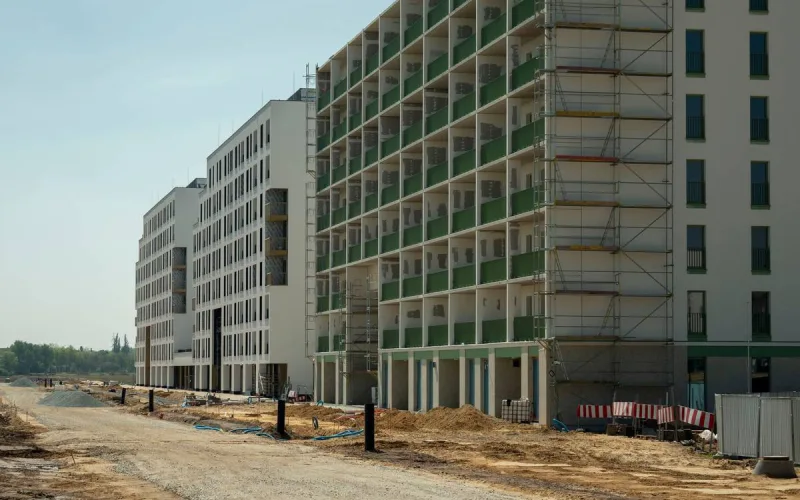
current construction stage
whether progress pace matches the promised handover date
If the project is early-stage and the timeline feels overly optimistic, ask more questions—especially if the developer has a limited track record.
Study the payment plan
A payment plan can be convenient, but you must read it carefully. Price is only one part of the deal—timing matters too.
Check:
reservation amount
whether the deposit is refundable
first major payment
construction-stage payments
handover payment
late-payment penalties
exit conditions if the buyer changes plans
Sometimes a unit looks affordable until you see how heavy the payment schedule is.
Review the contract before signing
The contract defines what you buy, when you pay, what’s included, when handover happens, and what rights each side has.
Focus on:
exact unit description
area and layout
floor, view, building
furniture and appliances package
handover timeline
delay terms
transfer costs
termination terms
refund conditions
If marketing promised one thing and the contract says another, the contract is what matters.
Check additional costs
The unit price is not the full cost of ownership. Clarify in advance:
transfer and registration costs
maintenance fee
sinking fund
utilities
furniture costs if not included
property management fees
rental management costs
A good deal starts with transparent numbers.
Don’t rely only on promised returns
If the project is sold as an “investment,” return figures are often part of the pitch. But projected return and real net owner results are not the same.
Understand:
who will rent out the property
management commission
personal-use restrictions
vacancy periods
repair and furniture replacement costs
what data the return calculation is based on
If returns are presented confidently but costs and seasonality are not explained, it’s a sales tool—not a full model.
Inspect completed projects
If possible, inspect completed projects by the same developer. If you’re not in Thailand, request a video inspection or an independent review.
Look at:
facade condition
common areas
elevators
territory maintenance
pool and gym condition
how the building looks after years of use
Completed buildings show the true developer level better than any showroom.
Warning signs
Slow down if you see:
pressure to reserve immediately
documents are not provided for review
refund conditions are explained only verbally
price far below market with no clear reason
returns promised without cost breakdown
contract terms don’t match marketing
foreign quota status is unclear
early-stage project + weak developer track record
One red flag isn’t always decisive. Several together mean you should pause and dig deeper.
Conclusion
Checking a developer in Thailand isn’t excessive caution. It’s a normal part of buying—especially if you buy remotely, choose an off-plan project, or plan to rent out.
Before reserving, be clear on three things: who is building, what exactly is being built, and what terms you’re buying under. When those answers are clean and transparent, the deal becomes much safer.
It also helps to see the wider market before reserving: our homepage brings together the Thailand property catalog with selection and checks, while this guide focuses on the developer.