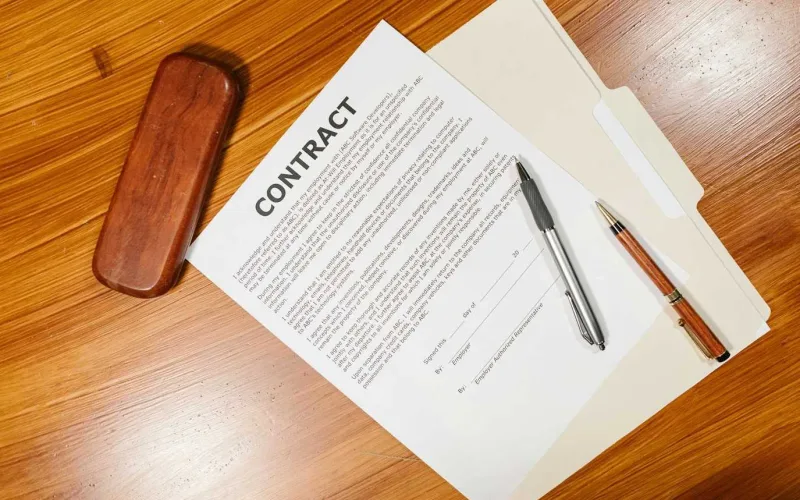
Once a property is reserved, the financial paper trail of the transaction begins. Every transfer should leave two clear records: the bank confirms movement of funds, while the developer confirms that the money has been received and credited to the specific property purchase.
This approach applies across Thailand. Whether you are considering property in Phuket or comparing property in Pattaya, retaining both sides of every payment record makes the final handover and ownership process easier to document.
Why every payment should have two confirmations
The bank record proves that money was sent and identifies the date, amount, currency, sender and recipient. The developer receipt confirms that the incoming funds were identified and credited against the correct property and payment stage.
These records serve different purposes. Together they create a clear trail from the buyer's bank account to the developer's accounting records and allow each transfer to be matched against the contractual payment schedule.
| Transaction stage | Records to keep | What they demonstrate |
|---|---|---|
| Reservation | Reservation receipt and bank confirmation | Payment made to secure the property |
| Initial payment | Developer receipt and bank record | Part of the purchase price has been credited |
| Staged payments | A separate record set for each transfer | Compliance with the agreed payment schedule |
| Final settlement | Transfer confirmation and final receipt | Completion of the purchase-price payments |
What to keep after reservation and the initial payment
The reservation document should identify the project, property, buyer, amount, date and purpose of the payment. The company receiving the funds should match the party named in the contract or the developer's official payment instructions.
For the first substantial transfer, create a dedicated transaction folder containing the purchase agreement, payment schedule, bank transfer record and developer confirmation. Naming files by date and payment stage makes later reconciliation much easier.
What a developer receipt should contain
A useful receipt should clearly link the funds to both the buyer and the property. Check the developer's legal company name, buyer's name, project, unit or property number, amount, currency, date and payment purpose.
For staged payments, the receipt should indicate whether the amount relates to a reservation, initial payment, scheduled instalment or final settlement. It should also contain enough company information to identify the entity issuing the document.
If the receipt contains a different unit number, amount or buyer name from the transaction records, request a corrected version promptly. Resolving discrepancies while the payment is recent is easier than reconstructing them months later.
Which bank records should be retained
Keep the transfer instruction, bank statement and confirmation that an international payment was executed. Where SWIFT is used, retain the transfer record showing the transaction details and payment purpose.
The sender, beneficiary, amount and payment reference should align with the structure of the transaction. Our separate guide explains how property payments and currency conversion work in Thailand.
Store each banking record together with the corresponding developer receipt. One set then demonstrates both the movement of funds and their acceptance against the property purchase.
Where the FET fits into the payment record
When foreign currency is remitted into Thailand, the receiving bank may issue a Foreign Exchange Transaction form or another bank document confirming the incoming foreign funds and currency conversion. The exact form depends on the transaction amount and the bank's procedure.
This record belongs to the banking side of the transaction, while the developer receipt confirms the company's acceptance of the funds. Both should be retained with the purchase agreement and other transaction documents.
Foreign-exchange records can become particularly important where a condominium is being registered under the foreign ownership quota. By transfer day, the buyer should be able to trace the incoming funds by date, amount and sender.
How to organise records for staged payments
An under-construction purchase can involve payments over many months. After every stage, add the bank confirmation, developer receipt and any updated payment schedule agreed by the parties.
A simple payment register can contain five columns: date, payment stage, contractual amount, amount actually transferred and reference to the supporting receipt.
Keep downloaded copies separately from email correspondence and retain original paper records in one transaction file through handover and ownership registration. This makes the record easier to preserve if contacts, banks or email accounts change during construction.
What to reconcile before property handover
Before final settlement, compare the contract price, initial payment, all staged transfers and the remaining balance. The total supported by your receipts should reconcile with the developer's payment history.
Also verify the buyer details, property number, ownership structure and banking documents connected with incoming foreign funds. Retain the final settlement confirmation together with the documents issued at handover.
The overall transaction budget can include costs beyond the property price. Our guide to the full cost of buying property in Thailand covers the additional expenses that should be included in the final calculation.
If a receipt for a completed payment is missing, request it from the developer before the next major transfer. A complete payment history gives the buyer a clear record of contractual performance through to handover.