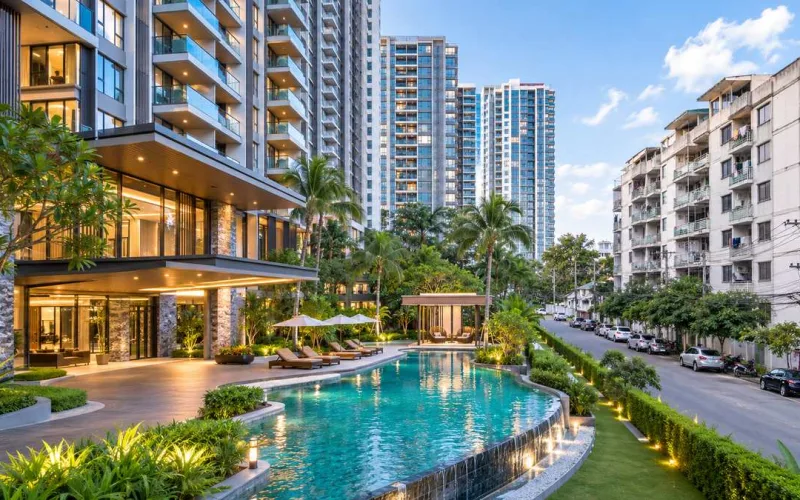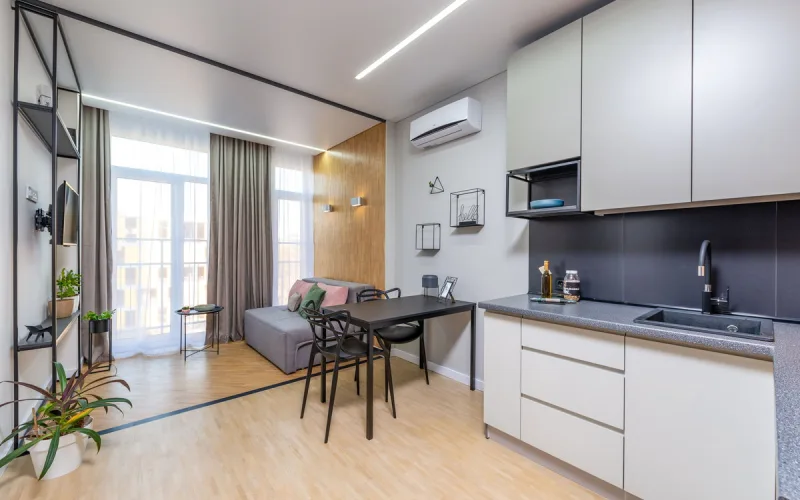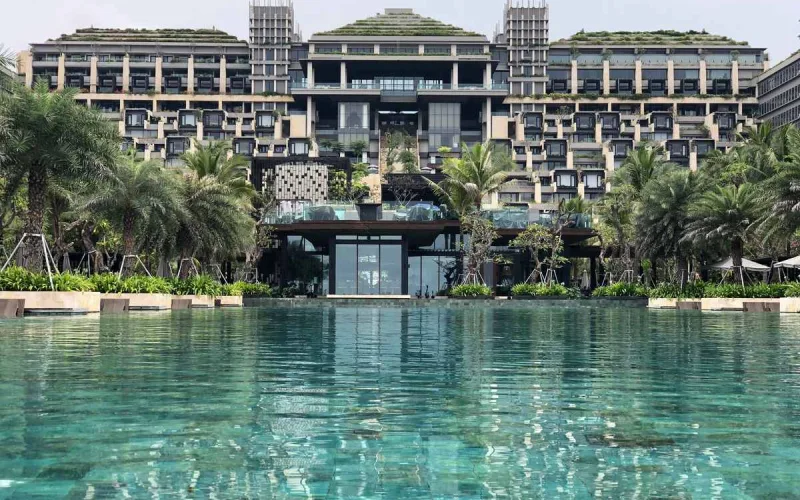
What is a branded residence?
A branded residence is an apartment, penthouse or villa associated with a recognised hotel or lifestyle brand. The development uses the brand name and follows its requirements for architecture, interiors, service and management.
The buyer acquires a property together with an agreed service package. This may include concierge assistance, technical maintenance, housekeeping, access to hotel facilities or professional rental management. The exact package depends on the development and contract.
The market includes three main formats:
- Hotel-integrated residences. The homes are located within or beside a hotel complex, with owners receiving access to selected hotel facilities.
- Standalone residences under a hotel brand. The development operates independently while following brand standards through an appointed management company.
- Lifestyle-branded residences. The concept is linked to a fashion house, car manufacturer, designer or another recognised name.
These formats are regularly found among new developments in Thailand, particularly in Phuket and other premium resort destinations.
What creates the brand price premium?
Branded residences generally cost more than comparable unbranded luxury property. A premium of around 20–40% is frequently seen in the market, while the difference may be lower or substantially higher in individual developments.
The purchase price may reflect:
- the licence to use the brand name;
- brand participation in concept and design development;
- architectural, interior and furnishing controls;
- higher construction and inspection standards;
- expensive common areas and service facilities;
- staff training and management-system setup;
- international project marketing;
- hotel services and rental-programme infrastructure.
Part of the premium pays for the physical product, including materials, engineering, facilities and execution quality. Another part reflects the brand name, its reputation and the expectations of future buyers.
The premium should be tested against comparable property in the same location. Size, floor, view, completion date, ownership structure, finishes, furniture and the actual service package all affect a fair comparison.
What services does an owner receive?
The main practical benefit of a branded development is an established service system. Owners may receive:
- 24-hour concierge and reception;
- housekeeping and residence maintenance;
- in-residence dining and staff services;
- access to spas, fitness centres, restaurants and beach clubs;
- valet parking and resort transportation;
- service reservations and transfers;
- property inspections while the owner is away;
- professional rental management.
The marketing presentation and the contractual service list may differ. Buyers should confirm what is included in the regular fee, which services carry an additional charge and whether owners have unrestricted access to hotel facilities.
Premium services are particularly common in coastal developments. Comparable options can be viewed in the selection of beachside property in Thailand.
How the brand affects rental performance
A recognised name can make the property easier to market to guests who value predictable service, security and quality. An international booking system and experienced hotel operator may support occupancy and average nightly rates.
The brand does not guarantee income. Financial performance depends on the purchase price, seasonality, operator commission, maintenance expenses, owner-use restrictions and the revenue-distribution formula.
Common models include:
- a fixed payment for an agreed period;
- revenue sharing from the individual residence;
- a shared rental pool across multiple owners;
- personal use without mandatory rental participation.
An investment offer should be assessed through net income after every deduction. The guide explaining why high property yields do not always mean a good investment covers this calculation in greater detail.
Liquidity and resale value
A strong brand can support resale value through recognition, service standards and access to an international audience. A secondary-market buyer can understand the expected quality more easily when the management company maintains the development and its services properly.
Actual liquidity depends on the condition of the property, recurring fees, management terms and the continuing relevance of the concept. Pricing against competitors, ownership structure and the ability of a new owner to join the existing service or rental programme also matter.
The agreement between the project owner and the brand requires particular attention. Buyers should establish:
- the remaining contract period;
- whether renewal is available;
- who can approve a change of operator;
- which services continue if the brand leaves;
- how a management change affects the rental programme;
- whether a buyer can take over the existing agreement.
A recognised name supports resale when the development remains well managed and competitively priced. Weak management can reduce that advantage.
Service fees and owner restrictions
Premium services require ongoing funding. In addition to ordinary common-area fees, the owner may pay for:
- management-company fees;
- rental commissions;
- housekeeping, linen and guest services;
- property insurance;
- repairs and appliance replacement;
- furniture upgrades required by the brand;
- marketing and banking expenses;
- a reserve for major interior refurbishment.
A rental programme may restrict personal-use dates, peak-season bookings, furniture selection, independent rentals and alterations to the residence. These rules should be clearly stated in the management agreement.
The complete purchase budget includes the property price, registration charges and future ownership expenses. The guide to taxes and extra costs when buying property in Thailand explains the main items.
When is paying for the brand worthwhile?
A branded residence can suit a buyer who values ready-made services, wants limited involvement in daily management and plans to use the development's facilities. It may also suit an overseas owner who wants an experienced operator to look after the property.
The premium is easier to justify when:
- the development occupies a location with proven demand;
- the brand actively participates in management and quality control;
- the contract clearly describes services and expenses;
- the service standard supports the recurring fees;
- the price remains competitive against quality alternatives;
- personal-use conditions suit the buyer;
- the rental programme has a transparent financial model;
- programme exit and resale terms are manageable.
The premium offers less value to a buyer who rarely uses the services, wants complete management freedom or prioritises low ownership costs. A well-built conventional condominium or villa may provide greater control for a lower total budget.
The key test is the value of the complete package for the buyer's intended use. A name on the building matters when it comes with a strong property, a proven location, a clear contract and effective management.