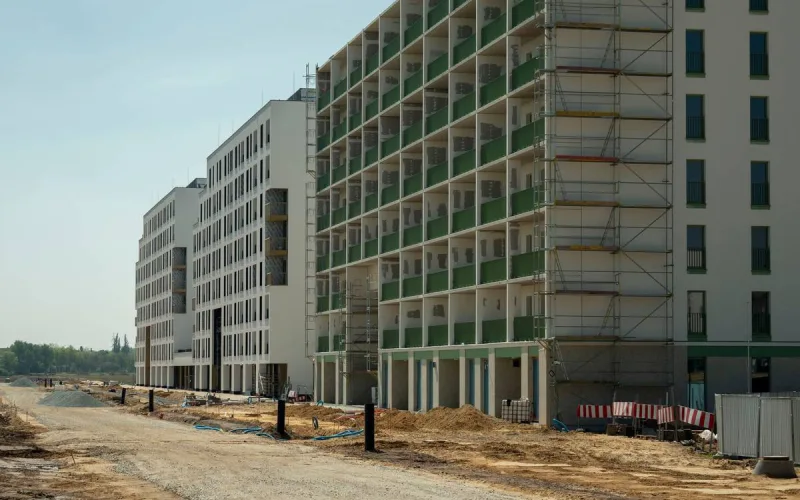
When a revised date becomes a completion delay
A delay occurs when the developer fails to hand over the condo or villa by the date stated in the Sale and Purchase Agreement, including any contractual grace period. The signed SPA is the primary document.
A date shown in a brochure, presentation or sales correspondence may confirm the original promise, but the contractual completion or handover date carries greater legal weight. Check whether an extension is permitted, how long it may last and which circumstances allow it.
Buyers still selecting a development can compare new property developments in Thailand by construction stage, developer record and payment structure.
What to review in the SPA
Locate the exact handover date, grace period, developer liability, notice procedure and termination rights. Depending on the contract, the deadline may refer to construction completion, building registration, key handover or ownership transfer.
Review the force majeure clause separately. The developer should identify a specific event that genuinely prevents performance. Labour shortages, increased material costs or internal project problems do not always justify an extension without liability.
Do not automatically sign an amendment containing a new completion date. Confirm whether compensation rights, termination rights and liability for a further delay remain protected.
Documents to collect
Keep the SPA, reservation agreement, appendices, payment schedule, receipts, bank transfer confirmations, formal notices and correspondence with the project team. Record the original deadline and every later extension notice.
Request a written explanation of the delay, the current construction percentage and a revised schedule. Site photographs, engineering reports and developer updates can support the record but do not replace a formal response.
If an agency handled the purchase, request copies of its correspondence with the developer. Verbal promises concerning a new date, discount or compensation should be confirmed in writing.
How to issue a formal notice
The notice should be sent through a method that proves delivery, such as registered mail, courier with signature or the official email address stated in the contract.
Identify the property, contract number, original handover date, length of delay and the remedy requested. The buyer may request a binding revised deadline, contractual compensation, an amended payment schedule or termination.
Stopping instalments without written authority can create additional risk. The SPA may still require the buyer to follow the payment schedule. Any suspension should rely on the contract, a written agreement with the developer or advice from a Thai lawyer.
Compensation for delayed handover
Compensation depends on the SPA, property type and applicable consumer-protection rules. The contract may provide a daily or monthly penalty, a liability cap and a method of settlement through a separate payment or deduction from the final balance.
Confirm the first day of default, the grace period, the price used for calculation and the contractual limit. If the delay caused documented rental costs or other financial loss, the possibility of claiming those amounts requires separate assessment.
A discount, furniture package, revised payment schedule or reduced final balance may form part of a settlement. All terms should be recorded in an amendment with exact amounts and deadlines.
When the buyer may terminate and request a refund
Termination may be considered when the delay exceeds the period allowed by the SPA, construction has stopped, the revised schedule is not credible or the developer ignores formal demands.
Before serving notice, identify the contractual basis, calculate the total amount paid and determine whether interest or additional compensation may apply. A message to a sales representative is insufficient; the procedure must comply with the SPA and Thai law.
If construction continues and the delay is limited, negotiations may preserve the purchase on improved terms. If work has stopped for a prolonged period, protecting the paid funds becomes the priority.
Where to escalate an unresolved dispute
If the developer ignores the notice, consult an independent Thai lawyer. The lawyer can review the agreement, correspondence, extension grounds and prepare a formal demand in Thai or English.
The dispute may also be submitted to the Office of the Consumer Protection Board. Depending on the circumstances, the matter may proceed through negotiation, mediation or civil litigation.
Before escalation, compare the likely cost and duration of proceedings with the amount claimed and the actual state of construction. Alternative options are available in the catalogue of property for sale in Thailand.
The ownership and registration process is explained in the guide to property ownership registration in Thailand. Buyers should also review the guide to legal risks of buying off-plan property.