
A completed condominium gives a buyer something an off-plan project cannot show yet: a real operating history. You can see how the building is maintained, how shared facilities age, how owners' money is managed and how quickly problems are resolved. When comparing condos for sale in Thailand, management quality should therefore be reviewed alongside the unit itself.
Start with three sources of information
A useful assessment combines building records, an on-site inspection and conversations with residents. Each source reveals a different part of the picture. Financial records show how the condominium is funded, common areas reveal the standard of day-to-day maintenance, and residents can explain how management responds when problems occur.
Ask the seller or the condominium office what records are available for review. Useful material may include the current budget, financial statements, information about the reserve fund, recent co-owner meeting minutes, building rules and details of major planned works. Access procedures vary between condominiums.
Title, encumbrance and seller-document checks belong to the legal due diligence process. This guide focuses specifically on whether an already operating condominium is being managed as a healthy building.
Review common fees, reserves and arrears
The financial health of the building affects maintenance quality and future owner costs. Compare the approved budget with actual expenditure, ask about the reserve balance, find out whether there are significant unpaid owner contributions and check whether special assessments have been required in recent years.
Repeated emergency collections, postponed repairs, persistent arrears and a shortage of money for planned work deserve closer attention. Buyers should also understand the separate purposes of the common fee and sinking fund before comparing different buildings.
The lowest maintenance fee is not automatically the best value. A higher charge may support stronger staffing, better upkeep and healthier reserves, while an unusually low charge can coincide with deferred work. Compare the amount with what the building actually delivers.
Read recent co-owner meeting minutes
Meeting minutes can reveal issues that are difficult to see during a short viewing. Look for discussions about major repairs, elevators, engineering systems, contractor disputes, security, fee changes, legal matters and large planned purchases.
Repeated topics are particularly useful. A single complaint may be isolated. The same unresolved issue appearing across several meetings suggests a broader management problem. Check what decisions were approved, whether funding was allocated and whether the work was eventually completed.
Upcoming capital work also matters. Elevator replacement, façade repairs, waterproofing, pool renovation or major engineering upgrades can create additional costs for owners if existing reserves are insufficient.
Inspect the areas that buyers usually overlook
The lobby is only one part of the building. Walk through residential corridors, elevators, stairwells, parking areas, waste rooms, pool bathrooms and less visible sections away from the main entrance.
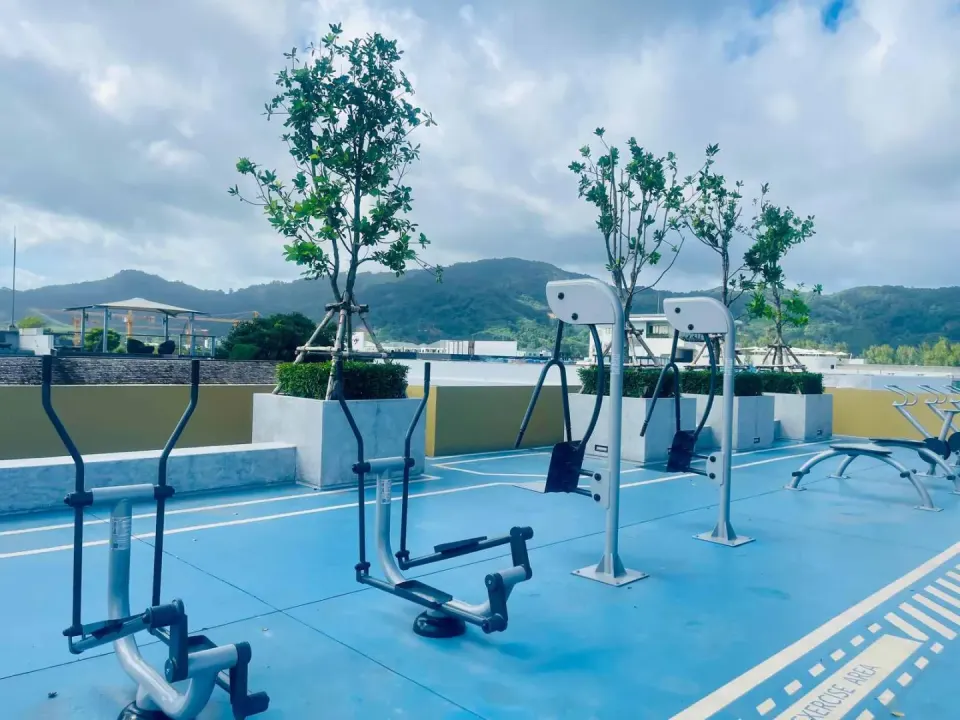
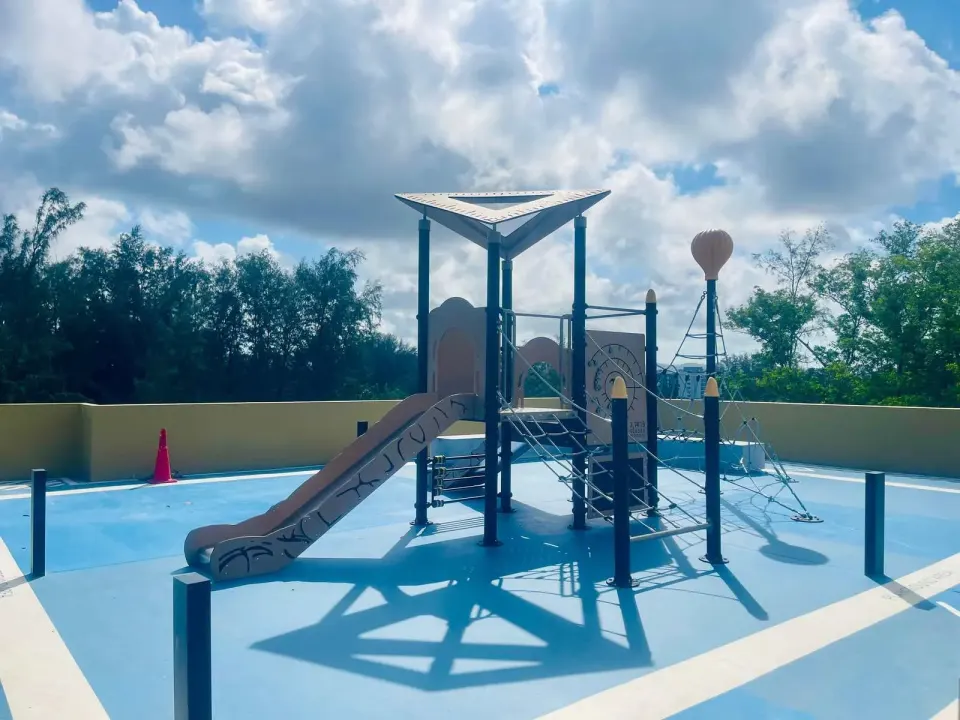
Look for water stains, damp smells, damaged finishes, broken lighting, poorly maintained doors, dirty ventilation grilles and access-control problems. Outside, inspect drainage, landscaping, pathways, parking organisation and the condition of shared facilities.
Small maintenance details often provide a clearer picture of daily management than a polished reception area.
Understand who controls the building
A registered Thai condominium has several layers of governance. Co-owners make major decisions through meetings, a committee provides oversight, the juristic person manages the common property framework, and a manager or contracted management company may handle daily operations.
Our guide to the Condominium Juristic Person in Thailand explains these roles in detail. For a specific building, find out who approves spending, who supervises contractors, how residents submit requests and which organisation is responsible for daily maintenance.
Frequent changes of managers, staff or key contractors are worth asking about. A series of disputes, unfinished contracts or unresolved maintenance jobs may indicate instability in the building's management structure.
Talk to owners and residents
A few short conversations can provide valuable context. Ask how quickly repairs are completed, whether elevators or water systems suffer recurring outages, how security operates, whether staff turnover is high and whether owners have faced unexpected special assessments.
Residents can also explain how management handles noise, parking, renovation work, common-area rules and complaints. In tropical locations, it is worth asking how the property performs during heavy rain, especially in relation to drainage, leaks and parking areas.
Similar feedback from several unrelated residents is more useful than one isolated opinion.
Build a final management-quality assessment
Well-run condominiums usually show the same broad characteristics: understandable financial reporting, adequate reserves, maintained common areas, completed meeting resolutions, stable staff and a clear process for handling resident requests.
Warning signs include recurring repair delays, unresolved complaints, weak fee collection, frequent contractor changes, repeated special assessments and a visible gap between financial records and the actual condition of the property.
Use the same criteria when comparing several completed developments. Buyers looking specifically at the island can browse condos in Phuket and compare the building condition, facilities, owner costs, rules and management structure alongside the individual apartments. This turns a viewing into an assessment of the entire property system rather than the unit alone.