When you buy a unit in a registered condominium in Thailand, you acquire ownership of the unit together with a share in the building’s common property. A Condominium Juristic Person is established to manage that shared part of the property. It is responsible for common-area upkeep, administration, finances, building rules and day-to-day coordination. When comparing condos for sale in Thailand, the quality of this management structure can affect owner costs, building condition and long-term resale appeal.
What is a Condominium Juristic Person?
Once the condominium is registered, its juristic person has legal status under Thailand’s Condominium Act. Its central purpose is to manage and maintain common property for the benefit of the co-owners and in accordance with resolutions made under the condominium’s governing structure.
The individual unit remains privately owned. The land on which the condominium stands, structural elements, common spaces, shared equipment and other areas provided for joint use form part of the common property. Each owner holds a registered share in that common property.
Who makes decisions: general meeting, committee and manager
The governance structure has several levels. The general meeting of co-owners makes major decisions concerning the condominium. The committee supervises the juristic person’s management and monitors the manager. The manager handles day-to-day administration, implements decisions and coordinates staff and contractors.
This structure separates decision-making, supervision and daily operations. Owners exercise their role through meetings and voting, the committee provides oversight, and the manager runs the ongoing administrative work.
What counts as common property?
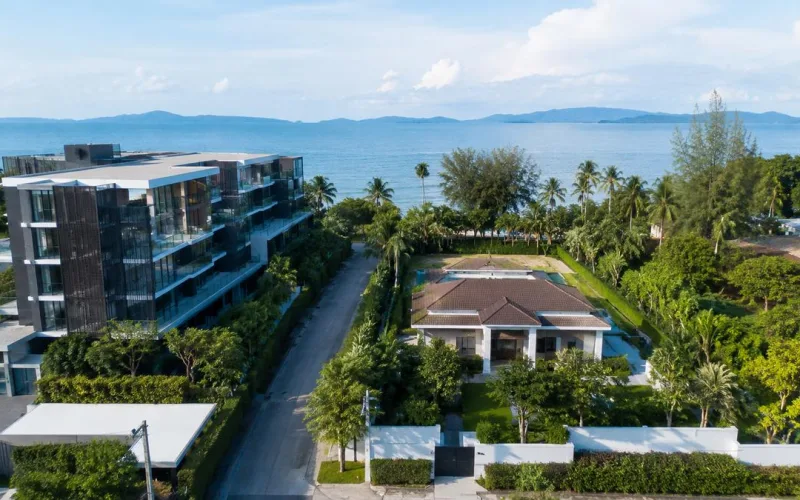
Common property can include the land under the condominium, structural parts of the building, corridors, lobbies, lifts, engineering systems, swimming pools, gyms, gardens, parking areas and technical facilities where these form part of the registered common property.
The juristic person arranges cleaning, equipment servicing, security, routine repairs and other work required to maintain the building. Specialist contractors may be hired for particular services, with costs covered through the condominium’s approved financial structure.
Common-area fees and the sinking fund
Unit owners contribute toward the cost of maintaining common property. Regular charges support everyday expenses such as staff, cleaning, security, engineering services, utilities for shared areas and routine maintenance.
A sinking fund provides reserves for larger future repairs and improvements to common infrastructure. The calculation method, payment schedule and use of these funds are governed by the documents and financial arrangements of the specific condominium.
Before buying, it is useful to review current common-area charges, the condition of the reserve fund and any major works already approved. These expenses form part of the real cost of condominium ownership.
Rules, accounts and records
The juristic person administers the building’s internal regulations. These can cover the use of common areas, renovations inside units, parking, pets, noise, moving procedures and contractor access.
Its financial responsibilities include budgeting, recording income and expenses, preparing annual financial statements and maintaining records of co-owner decisions. The committee supervises management, while financial reporting is presented through the condominium’s statutory governance process.
Owners should understand the building regulations, important meeting resolutions, current budget, regular charges and planned major works. These records provide useful insight into the quality and transparency of building management.
How a juristic person differs from a property management company
The Condominium Juristic Person is the registered legal entity of the condominium itself. A property management company is a service provider that may be hired to perform technical, administrative or operational duties.
The statutory manager can be an individual or a juristic person subject to the requirements of Thai law. Where a company is involved, its duties depend on its formal authority and contractual role. The general meeting, committee and statutory management structure remain part of the condominium’s legal governance framework.
Managing an individual unit for rental income is a separate function. Our guide to rental and property management in Thailand explains tenant management, rental operations and owner services in more detail.
What a buyer should check before purchasing a condo
In a completed condominium, review the current common-area charges, sinking-fund arrangements, condition of the building, planned major repairs, house rules and the management structure. For a resale purchase, the seller’s outstanding common expenses and the documents required for ownership transfer also deserve attention.
When comparing condos in Phuket, look beyond the pool, view and interior finish. A well-run juristic person supports transparent finances, maintains shared facilities and helps preserve the overall quality of the development over time.
The legal review of the specific unit should be handled separately. Our guide to documents to check before buying property in Thailand covers title records, seller documents, project paperwork and other transaction documents.