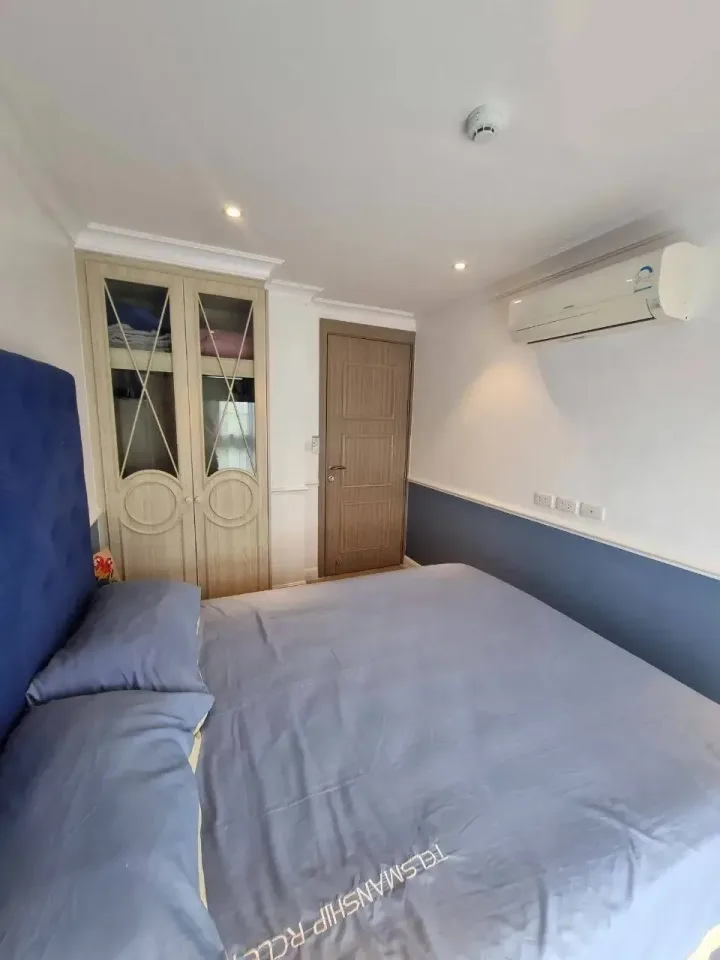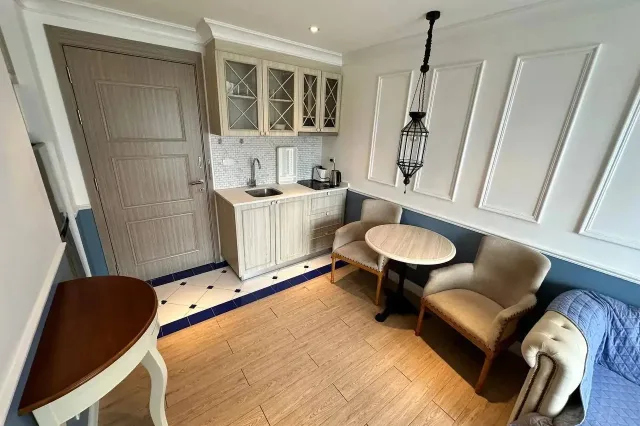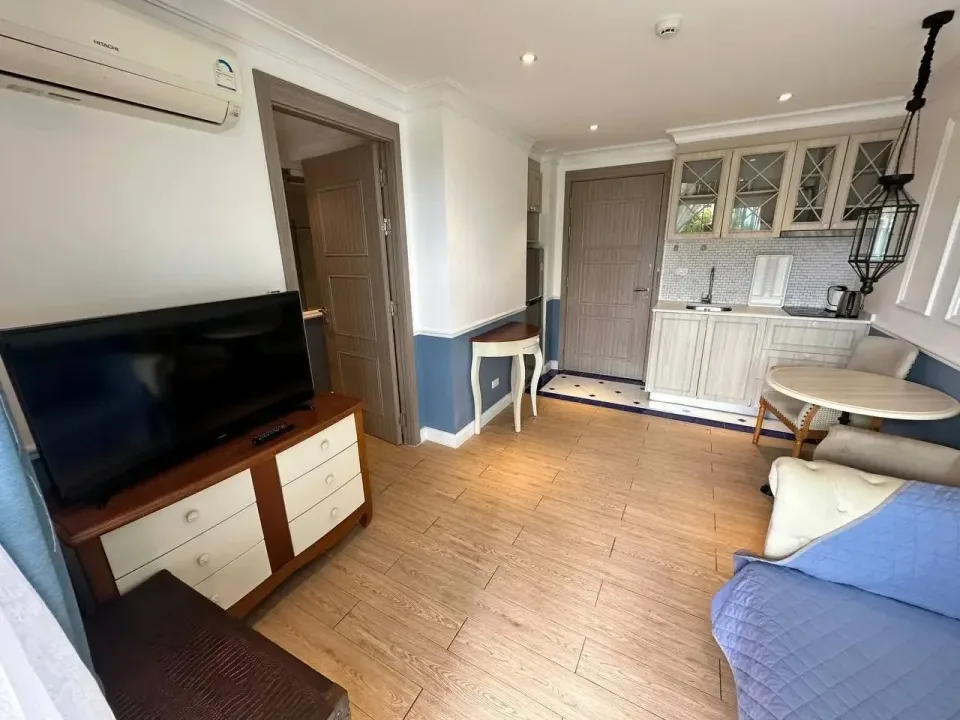
Rental conditions in Thailand are shaped by national law, the agreement with the owner and the internal regulations of the particular building. Two neighbouring residential complexes may set different requirements for lease duration, occupant registration, visitors, pets, parking and shared facilities.
These restrictions matter to tenants and to owners planning to generate rental income. Before committing to a property, request the current building rules and compare them with the proposed lease.
Which documents determine the building rules
Rental requirements usually come from several sources. National legislation governs leases, accommodation businesses and immigration reporting. A registered condominium operates through its condominium juristic person, manager and co-owner meetings. Its approved regulations may apply to owners, tenants and visitors.
Before signing, request:
- the current building regulations;
- the tenant and occupant registration procedure;
- rules for the swimming pool, gym and parking areas;
- the schedule of penalties and damage charges;
- moving, furniture delivery and renovation procedures;
- the building's pet policy.
When comparing condominiums in Phuket or apartments in Pattaya, review these documents before reserving a unit.
Restrictions on lease duration and rental format
One of the main conditions is the minimum stay. Accommodation for less than one month may fall within rules governing hotel activity. The applicable regime depends on licensing, the type of property, available exemptions and the way the accommodation is operated. A lease of one month or longer generally carries a lower risk of hotel classification, while the building regulations still apply.
Building rules may also regulate:
- the minimum lease duration;
- daily and weekly stays;
- the number of leases allowed during a year;
- management approval of each tenant;
- subletting and transfer of occupancy;
- renewal and early termination;
- keys and access cards.
Owners should compare these restrictions with their intended rental strategy. A high advertised rental rate may produce a weaker result when short stays are restricted and vacancies are frequent. It is worth reviewing why a high property yield may still represent a poor investment.
Tenant registration and TM30 reporting
Building management may request information required to register residents and activate access. The usual documents include a passport copy, lease agreement, contact details, vehicle information and the dates of occupancy.
Foreign occupants are also subject to TM30 residence reporting. Responsibility generally rests with the owner, possessor or head of the household providing accommodation. The report must be submitted within the prescribed period after the foreign national arrives. TM30 is separate from the building's resident registration and from the foreigner's 90-day report.
Before moving in, confirm:
- who will file the TM30 report;
- which passport and arrival documents are required;
- who will keep the filing confirmation;
- how long access-card activation takes;
- whether another report is required after travel.
Rules for guests and overnight visitors
Visitors may be required to register with security and provide identification, the unit number and confirmation from the resident. An overnight visitor may need to be added to the occupant record.
The visitor policy may cover:
- the number of guests allowed;
- entry and exit hours;
- overnight stays;
- guest access to the swimming pool and gym;
- visitor parking;
- resident supervision in restricted areas;
- the resident's responsibility for guest conduct.
Sharing a personal access card may breach the building's security procedure. Longer guest stays may require an updated occupant registration.
Everyday conduct inside the complex
Each building sets its own rules for shared areas. Common subjects include quiet hours, smoking, waste disposal, parking, pets, renovations and private events.
Check the rules concerning:
- noise during evening and night hours;
- designated smoking areas;
- permitted pet types, sizes and numbers;
- reservation of recreational areas;
- swimming-pool conduct;
- use of service lifts for moving furniture;
- approved renovation hours;
- registration of contractors and delivery workers;
- vehicle washing and storage in parking spaces.
Ask for a written resident handbook during check-in. Verbal instructions from security may cover only part of the official policy.
Penalties and access restrictions
The consequences depend on the approved regulations, the type of violation and the lease terms. They may include a warning, an order to correct the issue, compensation for damage, an agreed deduction from the security deposit or a formal notice to the owner.
Repeated breaches may affect selected services, visitor privileges or the continuation of the lease, subject to the applicable rules and agreement. Any charge should be supported by a written clause stating its basis, amount and dispute procedure.
When a dispute arises, request a written notice, the relevant rule and a calculation of the claimed amount. Photographs, messages, the move-in report and the inventory record can help establish the facts.
What to check before paying a deposit
Ask the owner or agent:
- what minimum lease period applies;
- whether the agreement can be renewed;
- whether subletting is permitted;
- how many occupants can be registered;
- how overnight visitors are recorded;
- who files the TM30 report;
- whether pets are accepted;
- which parking space is included;
- whether access-card fees apply;
- which actions can lead to penalties;
- when the security deposit may be retained;
- who pays for damage to common areas.
Buyers who are still assessing a location may choose to rent before purchasing property in Thailand. A trial period provides direct experience of the security, management, maintenance services and shared facilities.