A Family Purchase Starts with School and Location
Buying property in Thailand with children is different from buying a holiday apartment. A nice view, swimming pool and beach access matter, while daily family comfort depends on school, healthcare, roads, safety, transport and housing format.
A family home must work every day. In the morning, the child goes to school. After classes, there may be sports or activities. In the evening, the family stops at a supermarket. On weekends, they go to the beach. If someone gets sick, the route to a clinic must be clear.
Before buying property in Phuket or another part of Thailand, families should first define their daily scenario: where the child will study, how parents will move around, how much time the family is ready to spend in traffic and which area supports normal everyday life.
School as the Main Area Anchor
For families with children, school becomes the key location anchor. Phuket, Pattaya, Bangkok, Hua Hin and Chiang Mai offer international schools, kindergartens and educational centres. Costs, curriculum, language and schedules vary significantly.
In Phuket, families often look at areas with access to BISP, HeadStart, UWC Thailand, BCIS and other international schools. In Pattaya, families consider routes to Regents International School Pattaya, Rugby School Thailand, Tara Pattana International School and other education options.
The right order is simple: choose the school, then the area, then the property. Families should test the route in the morning and after classes. A route that looks short on the map can take longer in real life because of traffic, rain, U-turns and school schedules.
When choosing a school, consider:
child’s age;
language of instruction;
curriculum;
tuition fees;
entry requirements;
schedule;
sports and activities;
route from home;
family plans for the next few years.
For long-term living in Thailand, it is better to choose an area with room to grow: close to school, activities, sports, healthcare and daily services.
Healthcare and Insurance
Healthcare in Thailand is strong in major cities and tourist regions. Phuket, Pattaya and Bangkok have modern private hospitals, international clinics, dental centres and pediatric care.
Families need three things: a nearby clinic, a good hospital within reasonable reach and medical insurance. With children, medical situations can happen suddenly: fever at night, playground injuries, allergies, infections or dental issues.
Before buying property, check:
driving time to the nearest clinic;
location of a major hospital;
availability of English-speaking doctors;
pediatric care;
emergency services;
clinics covered by insurance;
nighttime and rainy-season access.
Family medical insurance is an important part of the budget. Private hospital treatment without insurance can be expensive, especially for hospitalization or advanced diagnostics.
Safety, Roads and Neighbourhood
Thailand is generally comfortable for family life, while safety should be checked in a practical way. Families should evaluate the specific area, street, access road and daily routes.
Check:
traffic near the property;
sidewalks;
street lighting;
road speed around the complex;
nearby construction;
evening noise;
controlled access;
security and CCTV;
parking;
child access to the pool;
road condition during rainy season.
In Phuket, many areas are designed around cars or motorbikes. Walkable neighbourhoods are limited, so families with younger children should understand how daily movement will work.
Inside a residential complex, check pool safety, depth, rules, lighting, elevators, stairs, security, visitor access and management quality.
Transport and Daily Routes
Transport often becomes a key daily factor after relocation. A family may live in a beautiful home by the sea, while quality of life drops if school, supermarket, clinic and activities are too far away.
Build a real daily map:
school route;
kindergarten route;
supermarkets;
clinic and hospital;
sports and activities;
beach;
parents’ work;
airport;
family trips.
In Phuket, a car usually gives much more freedom. Areas such as Bang Tao, Rawai, Nai Harn, Koh Kaew, Chalong and Kathu are easier for families with private transport. Pattaya is denser, so some routes are easier to manage with short rides.
Before buying, drive the usual route at different times: morning, evening, rainy weather and weekends. This quickly shows whether the area works for the family.
Condo, Villa or Townhouse
Families in Thailand usually choose between three property formats: condo, villa and townhouse.
A condo is convenient for first-time purchase, holidays and seasonal stays. A development usually provides security, swimming pool, gym, parking, management and clear rules. Maintenance is easier than in a villa. This format suits families with one child, seasonal residents and buyers who value simple ownership.
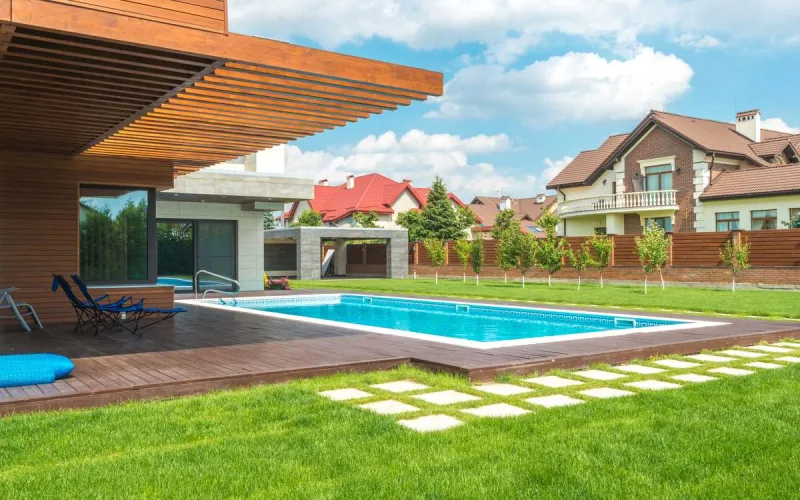
A villa provides more space, privacy, garden, private pool and a true home feeling. This format suits long-term living, larger families and buyers seeking more personal space. Costs are higher: pool, garden, security, cleaning, air conditioners, repairs, insects, drainage and engineering systems.
A townhouse sits between the two formats. It offers more space than a condo and usually costs less than a detached villa. For families, it can be a practical balance between size, budget and residential comfort.
When choosing villas in Phuket or condos in Phuket, families should compare not only price, but also daily life: maintenance, school route, sports, healthcare and nearby shops.
Where Family Life Is Easier in Thailand
Phuket suits families who want international schools, nature, beaches, villas, family-friendly districts and an international environment. The island is more expensive and transport matters, while school and property choice is strong.
Pattaya suits families who value urban infrastructure, a more accessible budget, condo choice and school access. Jomtien, Pratumnak, Naklua, East Pattaya and school areas create different living scenarios.
Hua Hin offers a calmer rhythm, seaside living, Bangkok access and a more predictable environment. It works well for families seeking long-term stability.
Koh Samui provides island life, nature and villas, while families should pay more attention to healthcare, logistics, schools and transport.
Bangkok is strong in schools, healthcare and city infrastructure. It is powerful for families focused on education and work, although it does not offer a beach lifestyle.
Phuket Areas for Families
In Phuket, area choice depends on school, budget and lifestyle.
Bang Tao / Laguna suits families who value beach access, international environment, restaurants, shops, Boat Avenue, Porto de Phuket, sports activities and school access. The area is expensive, while it is very convenient for family life.
Rawai / Nai Harn attracts families looking for a calmer southern island lifestyle, greenery, beaches, cafés, children’s activities and a more relaxed pace. It is popular among long-term residents.
Kata / Karon suits families who want beaches and tourist infrastructure. It is important to check noise, seasonality, traffic and neighbouring properties.
Kamala offers a calmer beach lifestyle and suits families who want to stay on the west coast with a softer rhythm.
Koh Kaew and Chalong are strong for routes rather than beach access. They work well for families who value schools, access to Phuket Town, marinas, malls and daily infrastructure.
Why Renting Before Buying Makes Sense
Families with children should live in the chosen area before buying. A 2–3 month rental period reveals details that photos and property descriptions cannot show.
During a rental test, the family checks:
school route;
child’s schedule;
evening noise;
shops;
clinics;
neighbours;
humidity;
rainy season;
transport;
management quality;
living costs;
property comfort.
This test is especially useful when buying for long-term living. A district may feel great during a holiday, while an ordinary school week shows it more honestly.
Our guide on moving to Thailand before buying property helps structure this test period and avoid buying based only on attractive photos.
What to Check Before Buying
Before buying family property in Thailand, use a practical checklist:
school and commute time;
healthcare and insurance;
area safety;
transport;
roads during rainy season;
shops and daily services;
ownership costs;
residence rules;
rental options;
management company;
ownership structure;
legal review;
property condition;
nearby noise and construction;
internet quality;
children’s facilities.
It is also important to estimate property owner expenses in Thailand: maintenance, utilities, repairs, management fees, insurance, pool care and garden care.
A family property should be convenient not only at the moment of purchase, but also a year later, when school, work, activities, guests, trips, daily tasks and regular expenses become part of normal life.
Final Thoughts
Property in Thailand for a family with children should be chosen through daily life. The main priorities are school, healthcare, safety, transport, area and property format.
A condo is convenient for first purchase and holidays. A villa suits long-term living and more space. A townhouse provides a middle format for families with a practical budget.
The best approach is to choose the school and area first, rent before buying, test real routes and then select the property. This helps families reduce mistakes and buy a home that works for everyday life.