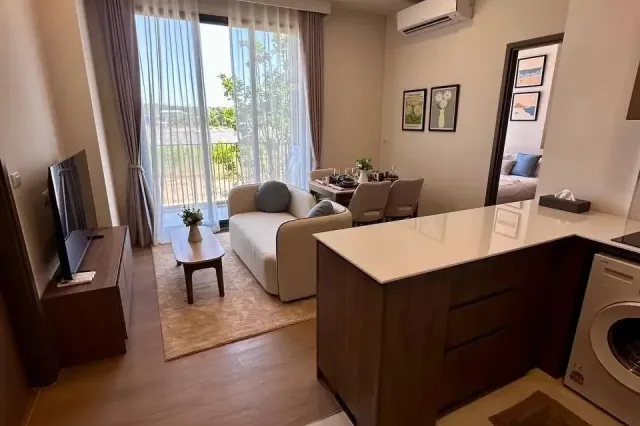
Managing a villa involves more operational work than looking after an apartment. The owner must coordinate pool care, landscaping, engineering systems, cleaning, furniture inspections, utility payments, and tenant support. A reliable company brings these tasks together through a defined budget, scheduled maintenance, and regular reporting.
Define the Management Scope First
Before comparing providers, prepare a clear list of responsibilities. Some owners require a complete rental operation, while others only need property care during extended absences. A combined model covers routine maintenance and seasonal rentals. Our guide to how rental and property management work in Thailand explains the main structures.
Full rental management usually covers property promotion, enquiries, booking calendars, guest arrivals, cleaning, payment administration, and inventory control. Property care services focus on inspections, bills, gardens, equipment, and repair coordination.
The size of the house, land plot, and facilities affects the workload. Comparing the property with current villas in Phuket or villas in Pattaya can help an owner estimate a realistic maintenance budget.
Check the Company's Villa Management Experience
Apartment management experience alone does not prove that a provider can maintain a private house. Villas have more engineering systems, outdoor areas, and recurring maintenance requirements. Ask how many villas the company manages, where they are located, and how many properties each employee oversees.
Request a sample monthly report, a preventive maintenance schedule, and recent photographs from managed properties. Speaking with existing owners can reveal how quickly the team handles emergencies and whether actual costs remain close to approved budgets.
Confirm the expected response time for leaks, electrical failures, pump problems, and air-conditioning breakdowns. A local operational team should be able to reach the property within the period stated in the agreement.
List Every Service in the Agreement
The service schedule should reflect the villa's condition, rental model, and land size. A rental villa commonly requires:
- property listing creation and updates;
- calendar and rate management;
- guest communication before and during each stay;
- check-in, check-out, and inventory inspections;
- cleaning, linen changes, and household supplies;
- pool cleaning and water-quality control;
- garden and irrigation maintenance;
- checks of air conditioners, pumps, and water heaters;
- pest and termite control;
- payment of authorised bills;
- repair coordination and supply purchases;
- regular photographic condition reports.
Each task should have a defined frequency. A general phrase such as “pool maintenance” gives the owner little protection. The agreement should state the number of visits, inspection steps, chemical purchasing procedure, and evidence required after each visit.
Compare Fees and Additional Charges
Short-term rental management commonly costs around 15–30% of gross rental income. Long-term management often ranges from 8–15% of monthly rent. Property supervision without tenant acquisition may cost approximately THB 5,000–15,000 per month. The final figure depends on villa size, landscaping, equipment, location, and service scope.
Compare quotations based on the same list of duties. A low percentage may cover guest communication and key handover only, with cleaning, linen, advertising, emergency visits, pool care, gardening, and repair supervision charged separately.
Ask every provider for one complete cost table. It should show the management fee, fixed charges, additional visits, contractor payments, and any markups on supplies. This allows the owner to estimate net income before signing.
Control Bookings, Income, and Repairs
The owner should retain access to the booking calendar, rates, and reservation history. Every payment, deduction, and transfer should appear in a monthly statement. Each expense should be supported by a receipt, invoice, or equivalent document.
Set a spending limit that the manager may approve without further permission. Minor work below that amount can be completed immediately, while major repairs require written owner approval. Expensive work should normally be supported by several contractor quotations.
A useful monthly statement records:
- stay dates and revenue from each booking;
- discounts and refunds;
- management fees;
- cleaning, linen, and household supply costs;
- electricity, water, and communication bills;
- pool, garden, and repair expenses;
- the remaining balance and owner payout.
Review the Villa Management Agreement
The agreement should describe both parties' responsibilities in clear language. Every important promise should appear in writing.
Check the following provisions:
- the full service scope and visit frequency;
- management fees and additional charges;
- owner payout deadlines;
- financial statement format and frequency;
- the spending limit without separate approval;
- key and document storage procedures;
- responsibility for property damage;
- guest security-deposit procedures;
- the agreement term and termination process;
- transfer of listings, photographs, calendars, and booking history after termination.
After taking possession of a villa, the owner should also review documents, equipment warranties, and the condition of all included items. These steps are covered in our guide on what to do after buying property in Thailand.
Recognise Warning Signs
Warning signs include a vague service list, refusal to provide a sample report, lack of owner references, and an unclear expense approval process. Hidden contractor markups, restrictive termination clauses, and company-only control of listing accounts also create unnecessary risk.
Promises of permanent occupancy or fixed returns require written obligations, supporting calculations, and clear provider liability. A forecast without a transparent financial model gives the owner little protection against seasonal demand and unexpected expenses.
Questions to Ask Before Signing
- How many villas does the company currently manage?
- How many properties does each manager oversee?
- Does the company have a permanent local team?
- What emergency response time is guaranteed?
- Which services are included in the base fee?
- Which services carry additional charges?
- Are there markups on repairs, supplies, or contractor invoices?
- Who controls the calendar and sets rental rates?
- Which account receives guest payments?
- What information appears in the monthly statement?
- What spending limit applies without owner approval?
- Who owns the listings, photographs, and booking history?
- What notice period applies to termination?
- How are keys, documents, and remaining funds transferred after termination?
The strongest choice combines transparent pricing, a detailed agreement, relevant villa experience, and convenient owner control. This structure protects the property and gives the owner a clear view of both income and operating expenses.