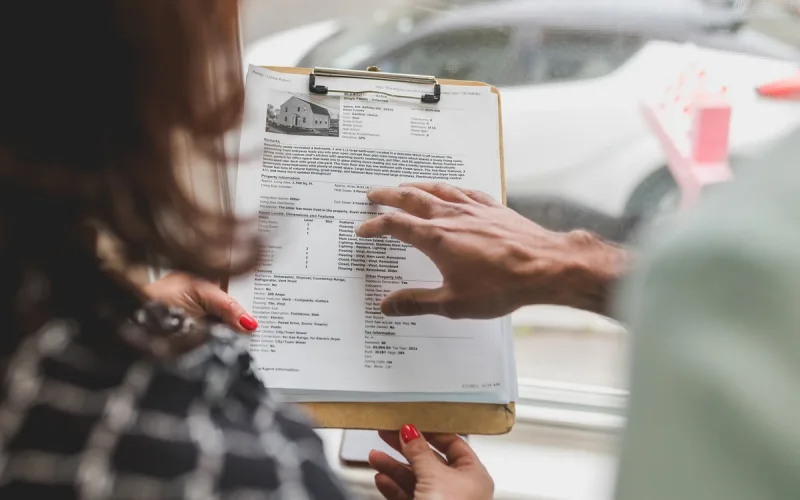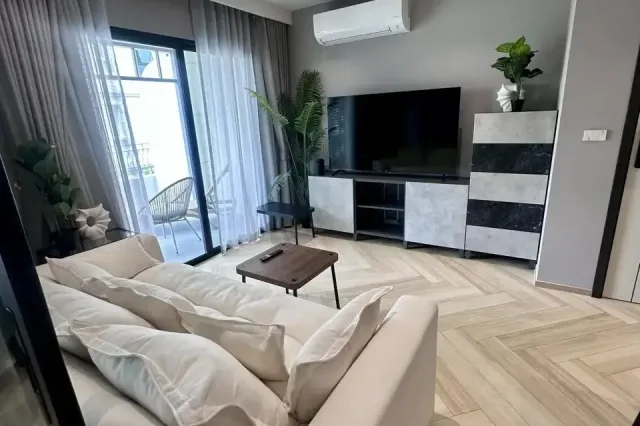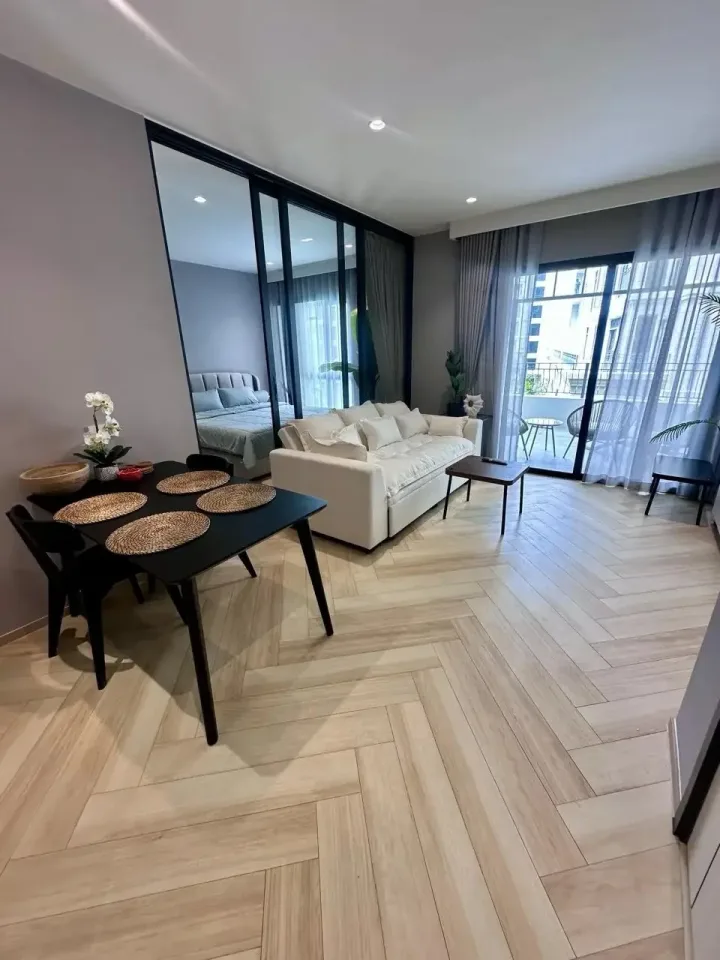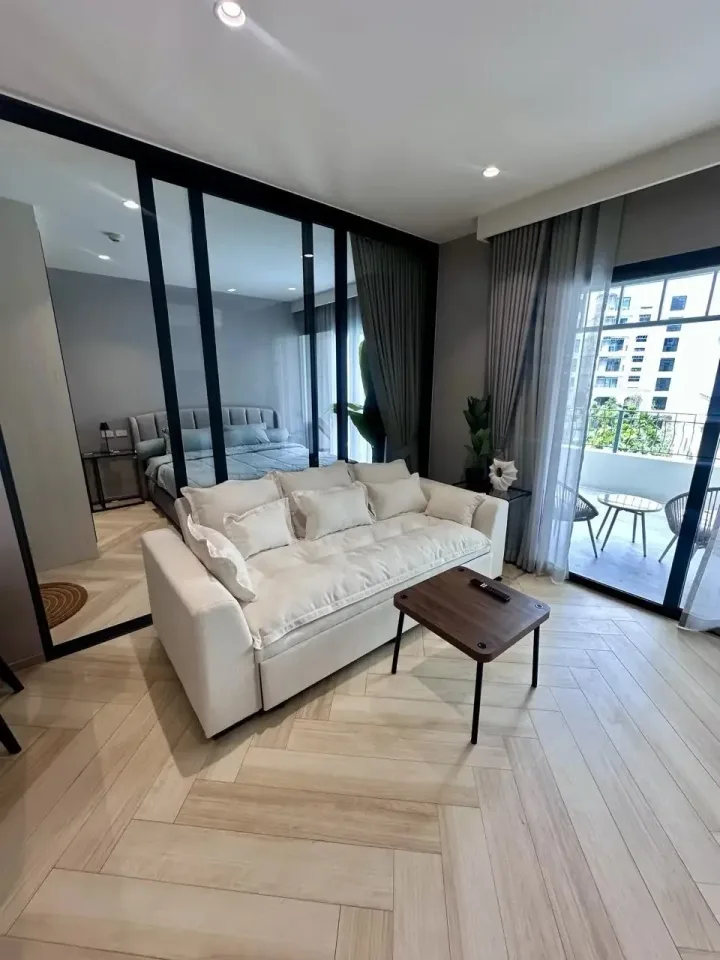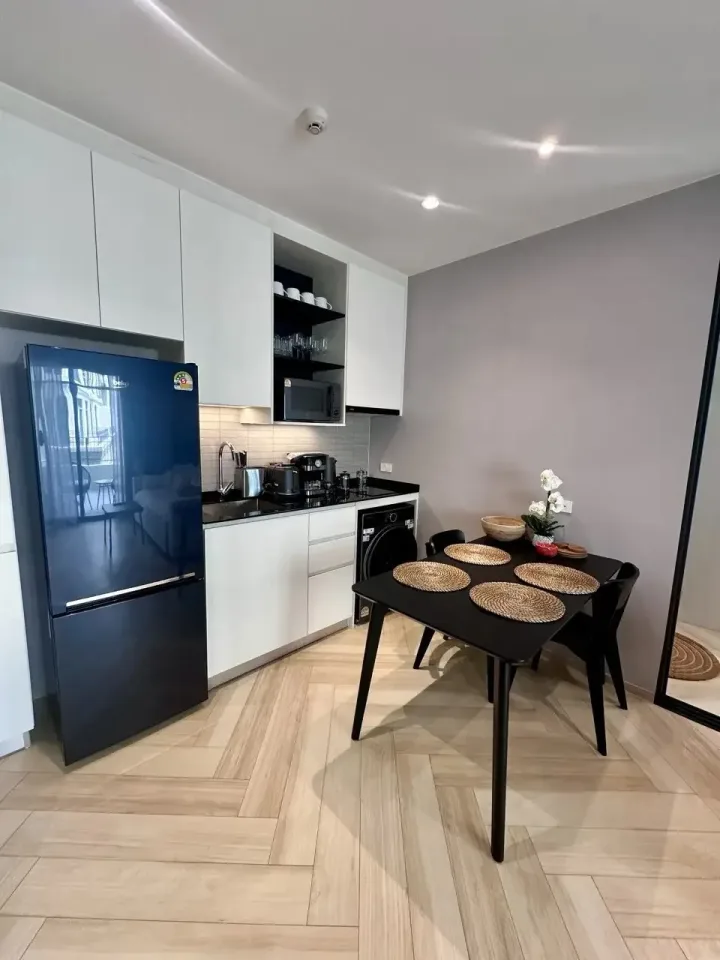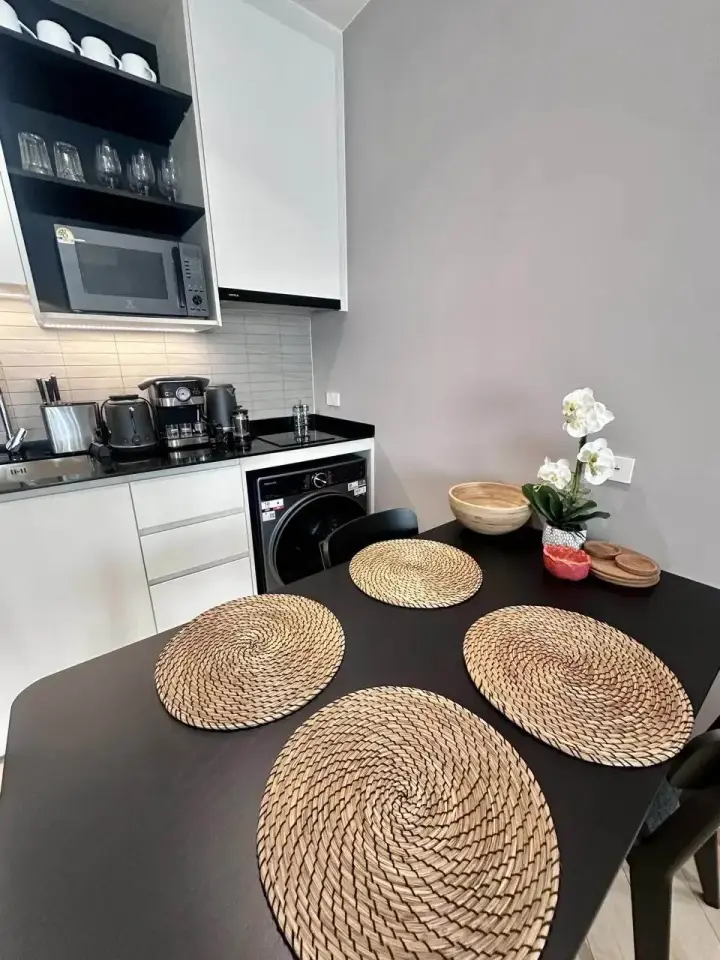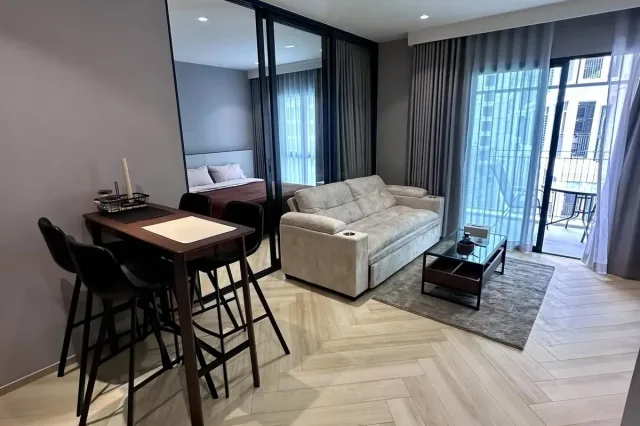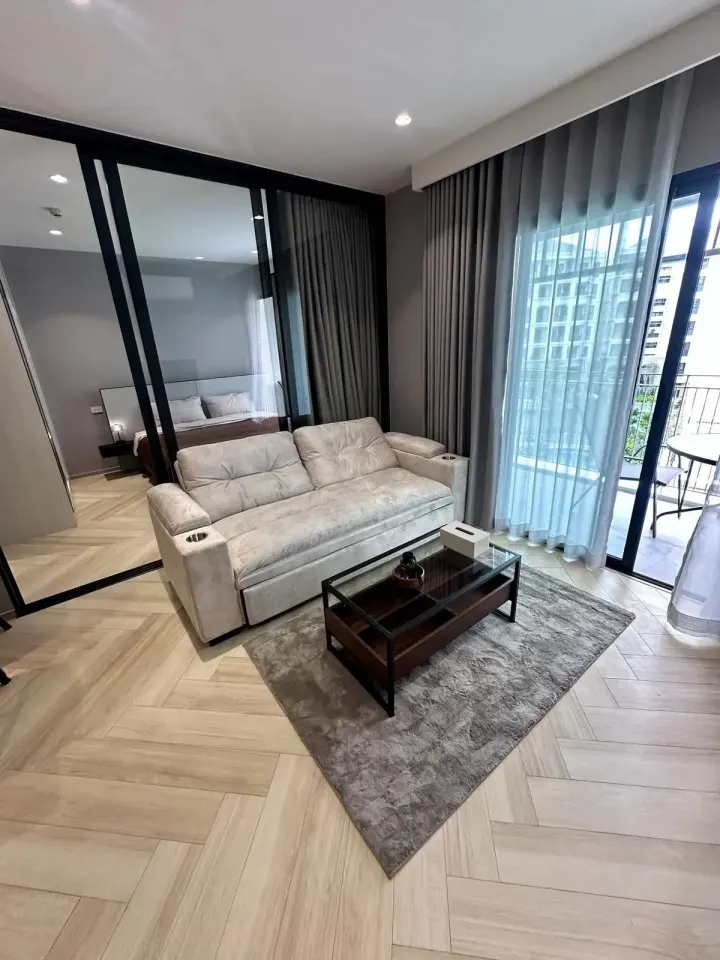
Why Property Management Should Be Planned in Advance
Buying a condo or villa in Thailand is only the first step. After the transaction, everyday ownership begins: utility bills, maintenance, tenant check-ins, cleaning, repairs, property inspections, and reporting.
This is especially important for buyers who live in another country. A property can be beautiful, well located, and attractive for rent, yet without proper management it can quickly become a source of small recurring problems.
Someone must hold the keys, check the property after tenant move-out, monitor air conditioners, control payments, reply to messages, arrange cleaning, and call technicians when needed. That is why the management model should be chosen before buying, not after handover.
In most cases, owners have four options: manage the property themselves, work with an agent, hire a property management company, or join a developer rental program.
Option 1: Managing the Property Yourself
Self-management works for owners who live in Thailand or visit the property often. In this case, the owner searches for tenants, shows the unit, signs lease agreements, collects payments, checks the property condition, and handles everyday issues.
The main advantage is full control. The owner sees who lives in the property, what expenses appear, how quickly tasks are solved, and how the unit is maintained.
The main drawback is time. Rental management requires constant involvement. The owner needs to reply to messages, arrange viewings, meet tenants, control cleaning, inspect the property after move-out, handle repairs, and monitor payments.
This option is suitable for owners who want to stay personally involved and are ready to manage details. For remote owners, self-management usually becomes difficult.
Option 2: Working with an Agent
An agent can help with tenant search, viewings, negotiations, lease agreements, and check-in. This is a convenient option when the owner needs someone local who understands the area, rental demand, and realistic rental prices.
Agents usually receive a commission for the deal. For example, for finding a long-term tenant or helping with short-term rental arrangements. In some cases, an agent remains involved after check-in and helps coordinate basic tasks.
The advantage of an agent is flexibility. It is easier to agree on specific tasks: show the property, find a tenant, inspect the unit, hand over keys, or assist with payments.
The drawback is that responsibility may be limited. An agent does not always provide full maintenance, reporting, repairs, utility control, or regular property inspections. These duties should be agreed in advance.
This option suits owners who need a local helper and whose property does not require intensive daily management.
Option 3: Property Management Company
A property management company is a more structured option. It can handle tenant search, check-in, check-out, cleaning, repairs, payments, property inspections, and reports for the owner.
For remote owners, this is often the most comfortable model. The company is based locally and works with cleaners, technicians, tenants, and building management.
Good management is especially important for short-term rentals. Guests expect quick replies, a clean unit, working appliances, and clear instructions. Poor service quickly affects reviews and future occupancy.
For long-term rentals, there are fewer daily tasks, yet the lease agreement, deposit, tenant screening, property condition report, and payment control are still important.
Before handing over the property, owners should check what the service includes: tenant search, cleaning, repairs, reports, photos after move-out, bill control, communication with the building office, and help with tax-related questions.
Option 4: Developer Program or Rental Pool
Some projects offer a developer rental program or rental pool. In this model, the property is handed over to the developer or project operator, and rental income is distributed according to agreed terms.
The advantage is simplicity. The operator usually handles marketing, check-in, cleaning, maintenance, and reporting. The owner has less daily involvement and can plan income more easily.
The drawback is limited flexibility. Program terms may affect personal use, stay dates, income level, payment schedule, and maintenance expenses.
Before joining such a program, owners should review the agreement carefully: term, guarantees, commissions, income calculation, personal-use rules, owner expenses, and exit conditions.
A rental pool may suit an investor who wants a more passive model. For buyers planning to use the property often, it is important to check restrictions in advance.
What Proper Property Management Includes
Property management is more than finding a tenant. Owners should understand who is responsible for the property every month.
A proper management service may include:
tenant search;
property viewings;
lease preparation;
check-in and check-out;
deposit control;
property inspections;
cleaning arrangements;
minor repairs;
utility bill control;
communication with the building office;
owner reports;
photos after tenant move-out;
support with tax and everyday matters.
The higher the property value, the more important transparent reporting becomes. Owners need clear numbers: income received, expenses paid, work completed, and upcoming payments.
How to Choose the Right Management Model
The right model depends on the purpose of the purchase.
If the property is for personal use only, basic supervision may be enough: bills, cleaning before arrival, appliance checks, air conditioner checks, and general condition monitoring.
If the property is bought for long-term rental, tenant search, lease terms, deposit, payment control, and regular inspections matter most.
If short-term rental is planned, a full service is needed: fast guest replies, booking calendar, cleaning, check-in, check-out, repairs, reviews, and flexible pricing.
If the owner lives abroad, the structure should be clear: who holds the keys, who approves repairs, how expenses are confirmed, how often reports are sent, and who communicates with tenants.
The key point is simple: the property should not be managed only by verbal agreement. Even with a reliable agent or company, owners need clear terms, duties, commission, reporting rules, and access conditions.
Questions to Ask Before Handing Over the Keys
Before trusting a property to an agent, management company, or rental operator, owners should ask direct questions.
Who will hold the keys?
Who handles check-in and check-out?
How often is the property inspected?
Will photo reports be provided?
Who pays utility bills?
How are repair expenses approved?
What is the management fee?
Who finds tenants?
Who signs the lease agreement?
How is the deposit held?
What happens if property is damaged?
How quickly does the owner receive reports?
Can the owner use the property personally?
What are the termination terms?
These questions help owners understand how transparent the management will be.
Final Takeaway: Who Should Manage the Property
Self-management suits owners who live nearby and are ready to handle the property personally.
An agent is useful when the owner needs tenant search, viewings, and specific local tasks.
A property management company is better for remote buyers who need regular control, reporting, cleaning, repairs, and tenant communication.
A rental pool or developer program may suit investors who prefer a more passive model.
The best solution depends on the property, location, purchase goal, and how much time the owner is ready to spend on management. This model should be chosen before the transaction, so the property in Thailand becomes a controlled asset rather than a constant source of small problems.