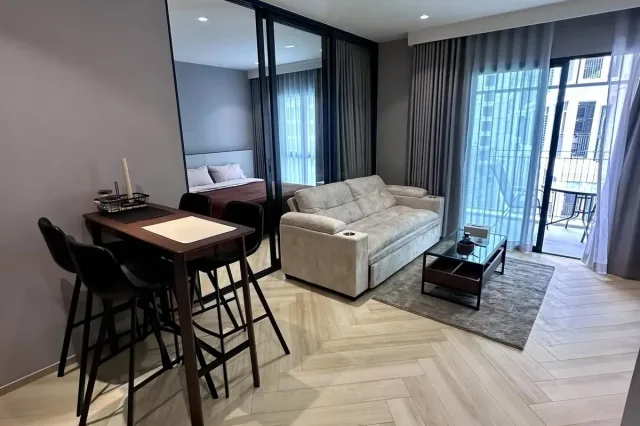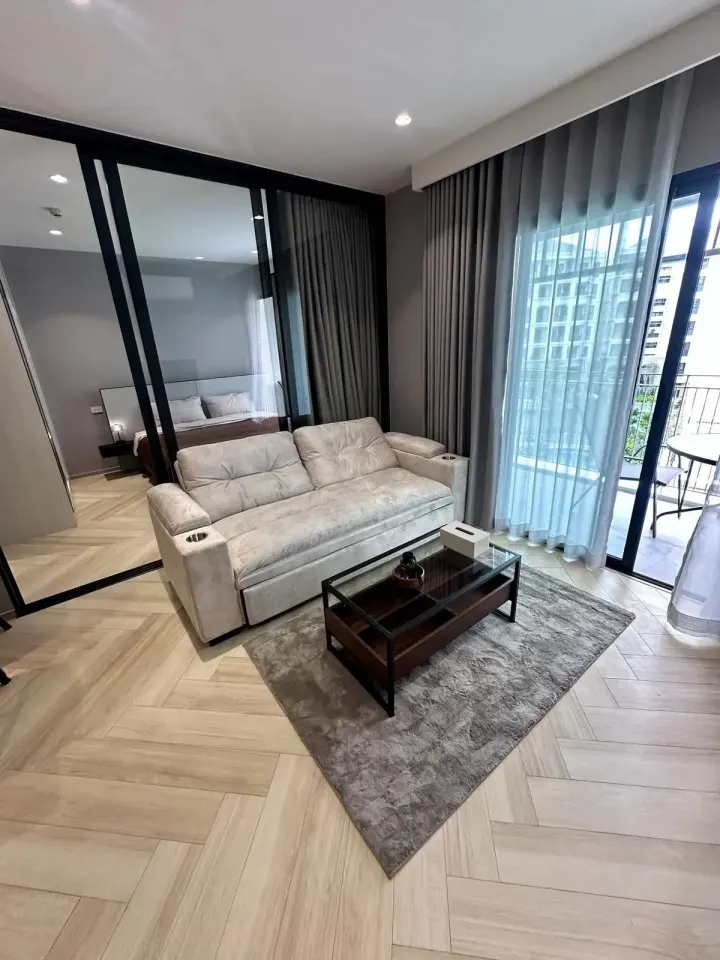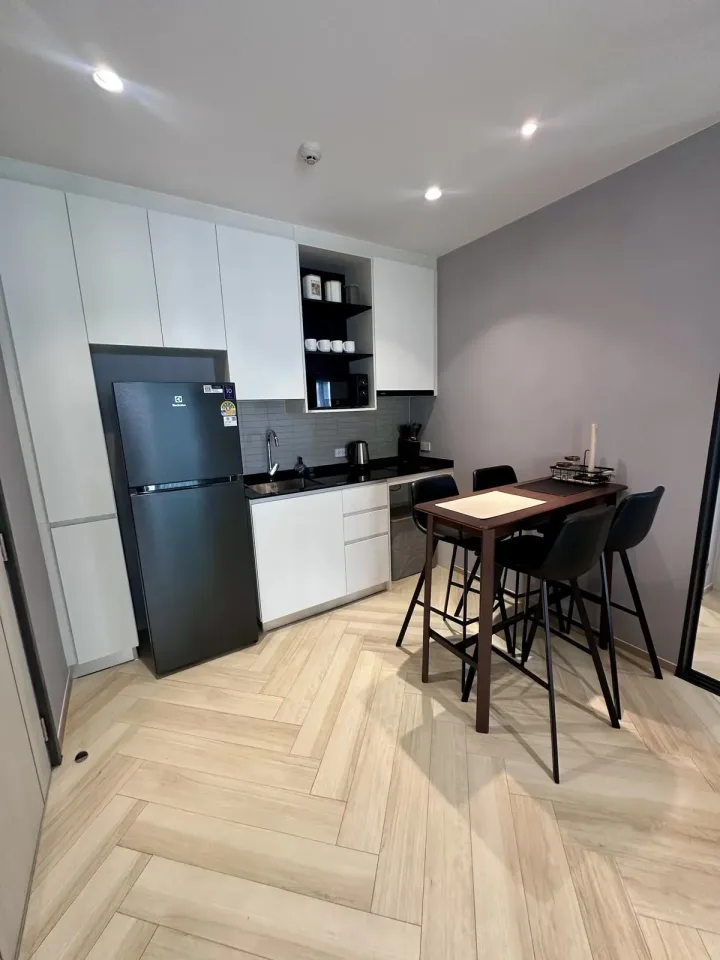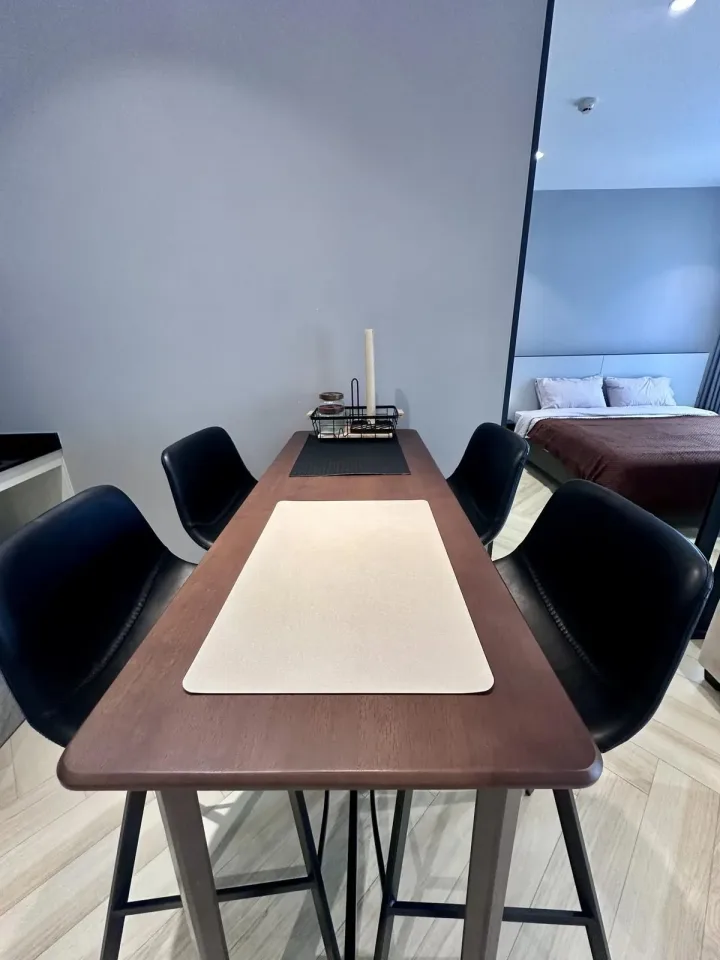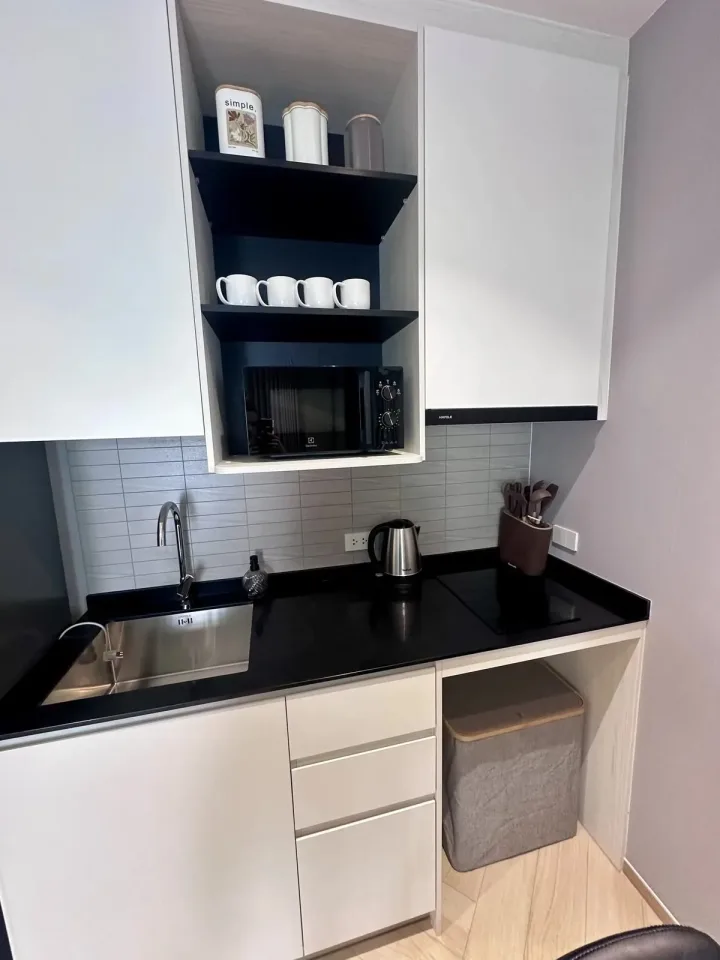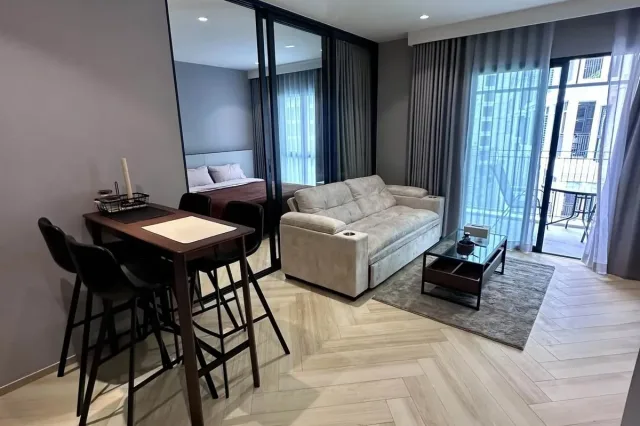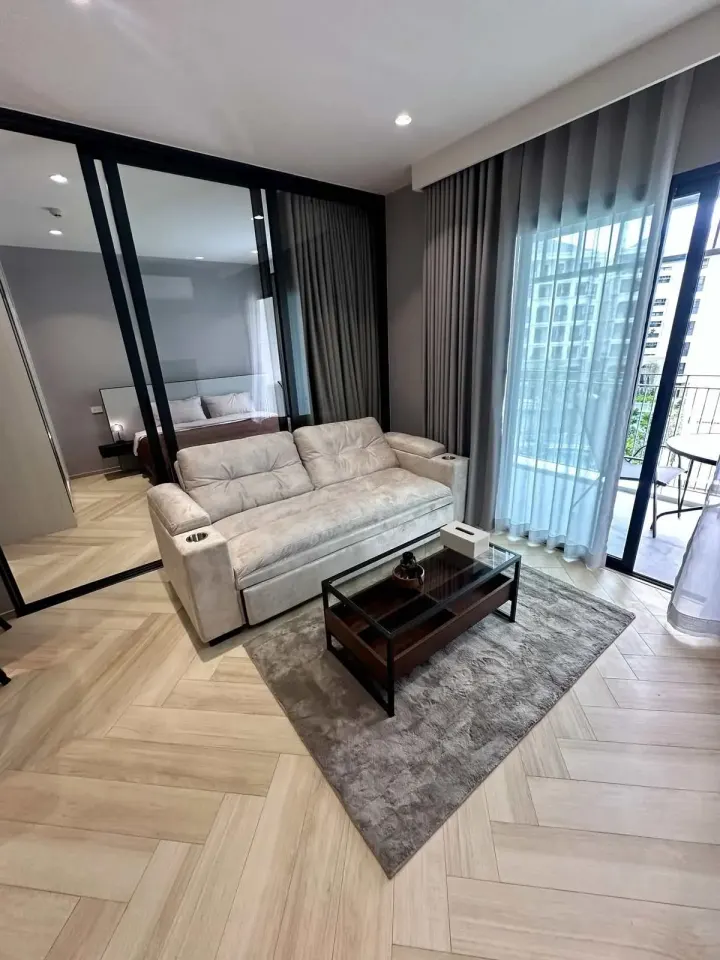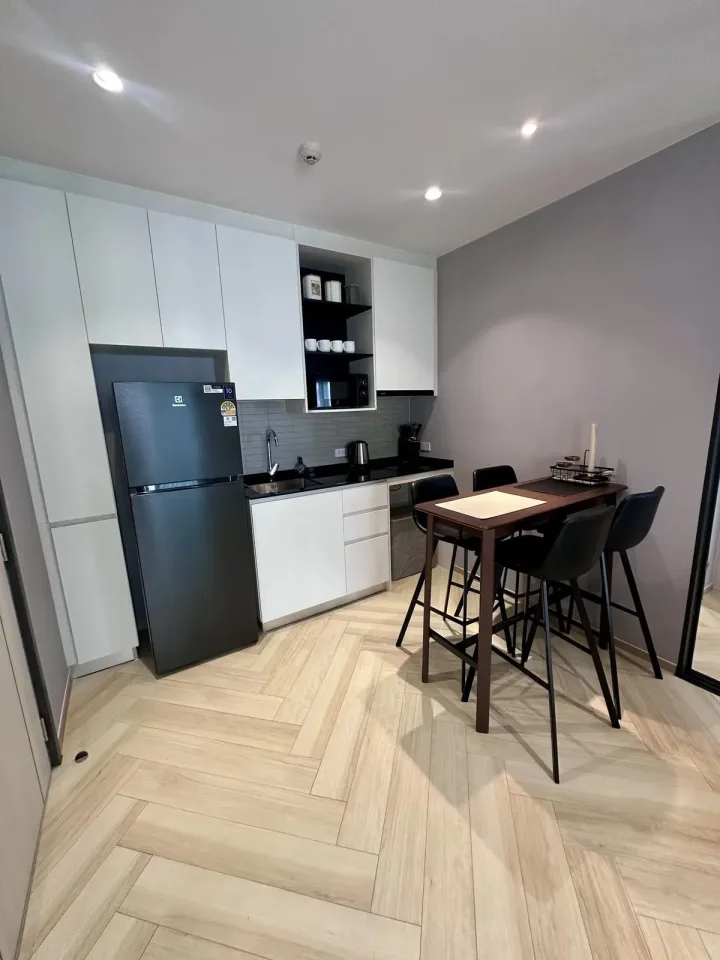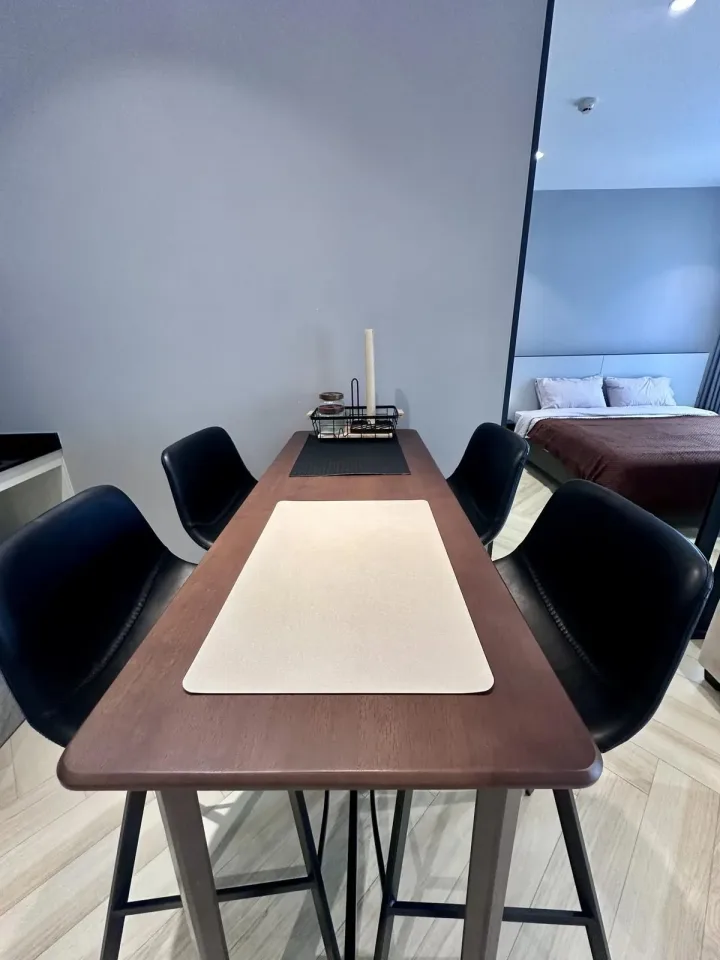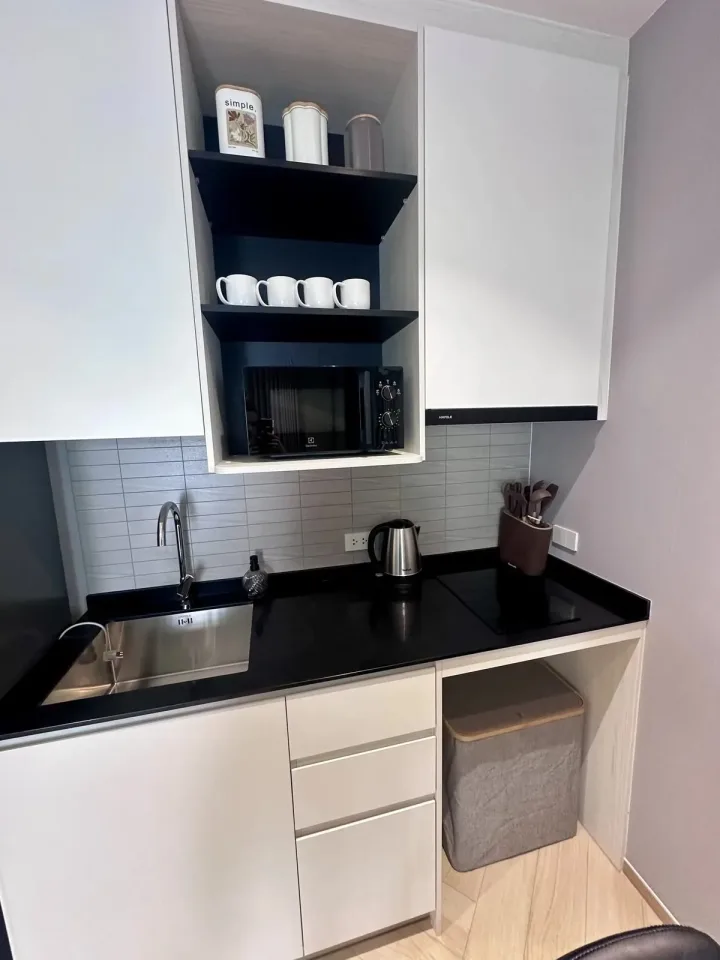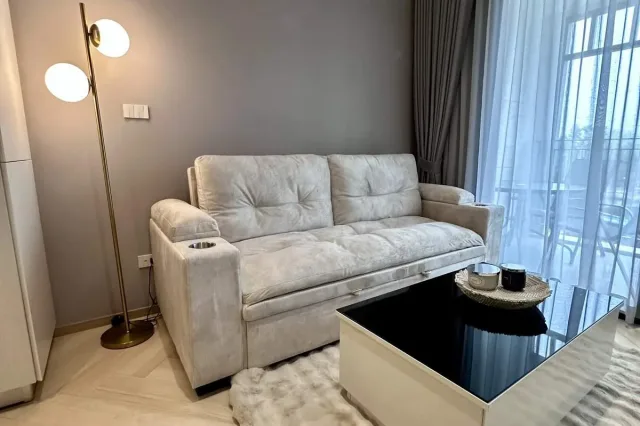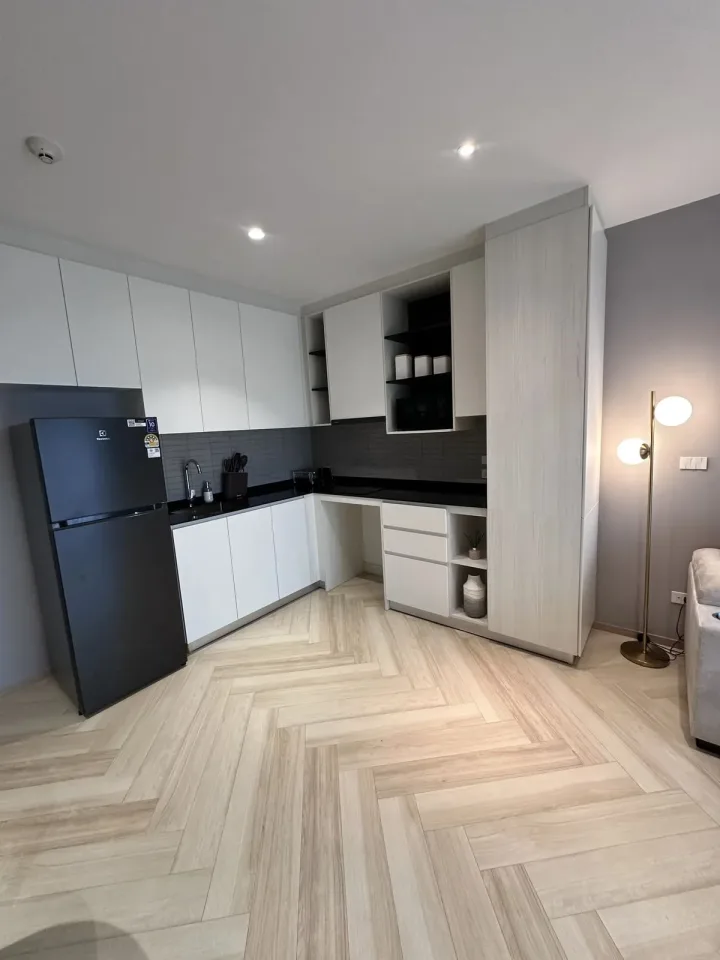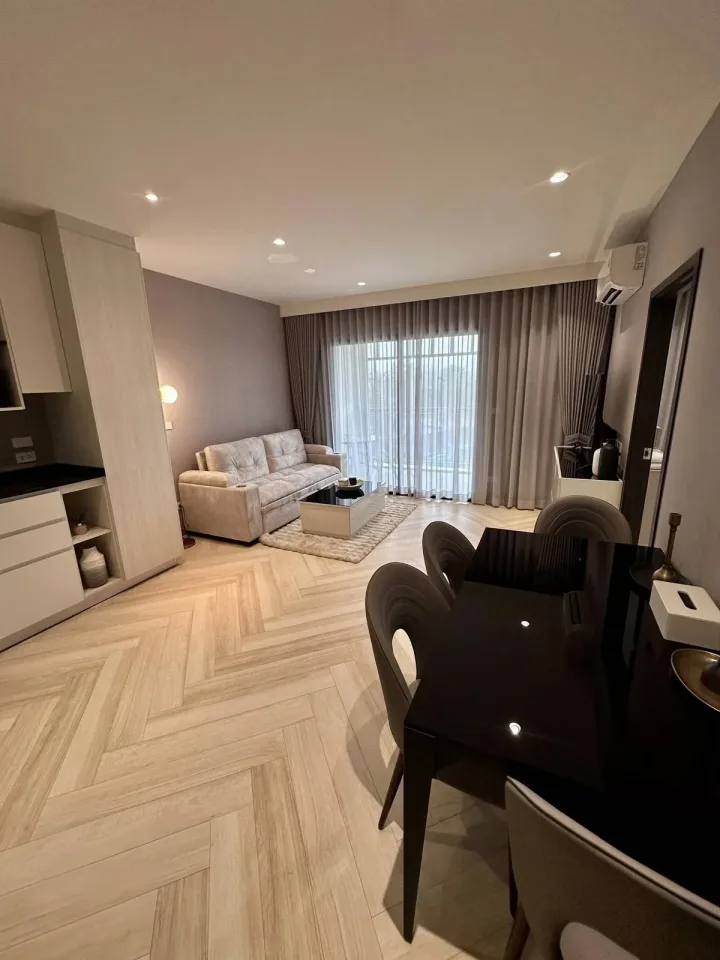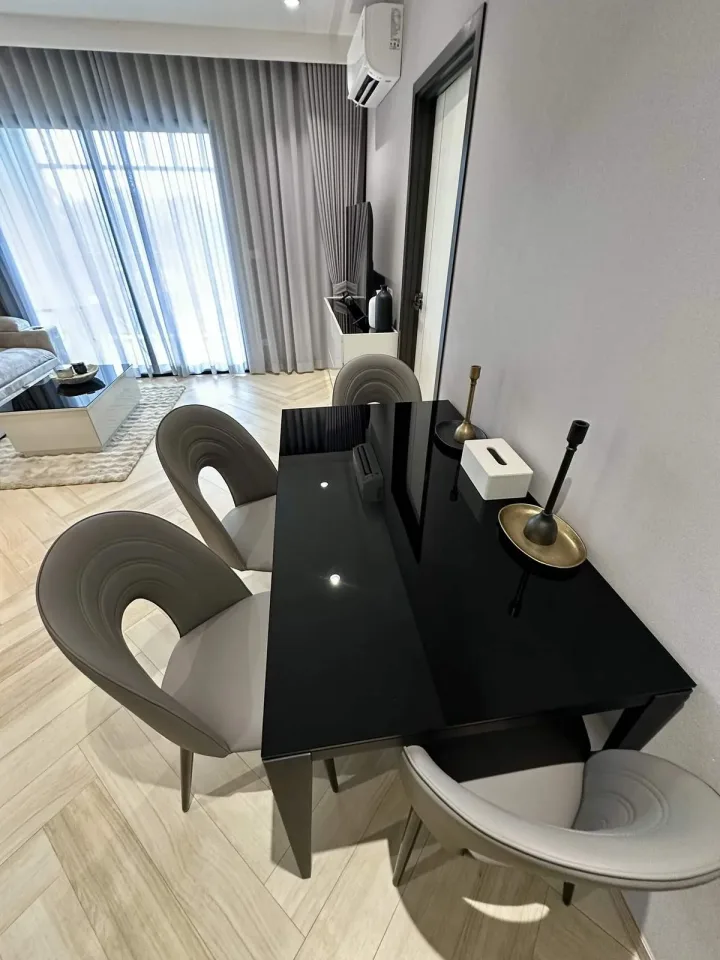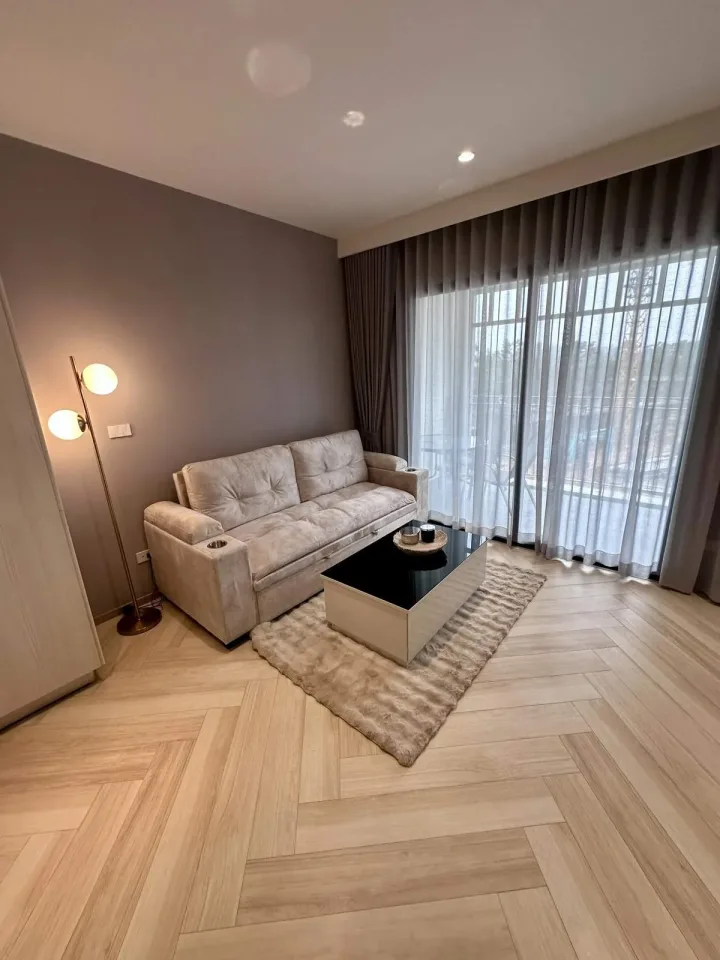
Short-Term and Long-Term Rentals in Thailand: What Is the Difference?
For property owners in Thailand, rental strategy usually comes down to two clear options.
The first option is short-term rental. This means renting a property to tourists, seasonal visitors, or guests for a short stay: from a few days to several weeks, sometimes for one or two months. This format is common in resort areas with steady visitor demand, such as Phuket, Pattaya, Koh Samui, and key tourist or business zones in Bangkok.
The second option is long-term rental. In most cases, this means a lease for 6–12 months. Tenants are often expats, families, company employees, business owners, international school parents, or people planning to live in Thailand for an extended period.
The key question for an owner is simple: which strategy leaves more net income after expenses, vacancy periods, maintenance, management fees, and taxes.
Rental Yield: Higher Gross Income or Better Net Profit
Short-term rentals can generate higher income during the high season. This is especially true for properties located close to the beach, tourist areas, shopping centres, restaurants, and transport links. Pool villas, sea-view units, and well-designed condos in popular areas can perform strongly during peak months.
A high nightly rate does not automatically mean strong net profit. Owners need to deduct cleaning, laundry, supplies, minor repairs, platform commissions, property management fees, vacancy gaps, and furniture wear.
Long-term rentals usually generate lower income per day, yet they offer a more predictable cash flow. With a reliable tenant, the property can stay occupied for many months with fewer check-ins, less marketing, and fewer urgent operational tasks.
In simple terms, short-term rental is better for maximising income in a strong location. Long-term rental is better for stability and easier management.
Vacancy, Seasonality, and Occupancy
Short-term rental performance depends heavily on seasonality. During the high season, a good property can stay booked for much of the month. During the low season, rates often fall, bookings slow down, and owners compete through pricing, service quality, and presentation.
This matters a lot in resort markets. Phuket is strongly connected to tourist seasons. Pattaya can be more stable because of expats, domestic tourism, and long-stay demand, although seasonality still affects the market.
Long-term rental works differently. The owner may earn less during peak months, yet the property remains occupied for a longer period. This reduces the risk of empty weeks and makes income planning easier.
A strong rental strategy should be considered before buying. Owners need to look at the location, property type, building rules, future competition, facilities, transport, and real tenant demand. The same unit can work well for long-term rental and perform weakly as a short-term rental.
Wear, Cleaning, Repairs, and Operating Costs
Short-term rental usually creates more operational work. Guests change often, furniture is used more intensively, appliances wear faster, and cleaning is required after each stay. The higher the occupancy, the higher the service standard needs to be.
Owners should plan for:
cleaning after check-out;
laundry for bed linen and towels;
replacement of dishes and small items;
appliance repairs;
furniture updates;
utility bills;
internet;
booking platform commissions;
property management fees.
In long-term rental, part of the cost is often paid by the tenant. Electricity, water, and internet may be charged separately, depending on the lease terms and local practice.
That is why owners should compare net income, not only rental price. In some cases, a long-term tenant with a clear lease can give the owner almost the same result with much less daily involvement.
Rental Management: Self-Management or Property Management Company
If the owner lives in Thailand and has time to manage the property personally, some tasks can be handled directly. This includes replying to messages, arranging viewings, collecting rent, solving household issues, checking the property after move-out, and organising cleaning or repairs.
For remote owners, a property management company is often essential. It can help with tenant search, check-in, check-out, property inspections, minor repairs, payments, and reporting.
Short-term rental requires especially strong management. Guests expect fast replies, clean rooms, working appliances, and clear instructions. Poor service leads to weak reviews, and weak reviews reduce future occupancy.
Long-term rental involves fewer daily tasks, yet tenant selection, lease terms, deposit, property condition, and utility payments must be handled carefully.
Legality, Taxes, and Documents
One of the key issues in Thailand is the legality of short-term rentals. In residential condominiums, rentals under 30 days may fall under hotel-related regulations. Before buying or renting out a property, owners should check the rules of the specific building, the position of the juristic office, and local legal requirements.
Long-term rental is usually a more straightforward format for residential property. A lease for several months or one year is easier to manage from a legal and practical point of view. Still, owners need clear documents and written terms.
Key points to discuss in advance:
lease agreement;
rental period;
deposit amount;
payment date;
deposit refund terms;
who pays electricity, water, and internet;
rules for repairs and replacements;
early termination terms;
responsibility for damage;
tax obligations.
Foreigners can own property in Thailand through legally permitted structures and rent it out if ownership and lease terms are arranged correctly. Before making a decision, it is wise to review the specific property, location, and ownership structure.
What Should an Owner Choose: Short-Term, Long-Term, or Mixed Strategy?
Short-term rental works best for properties in strong tourist locations, with good design, attractive photos, convenient facilities, and professional management. This strategy can generate high income, especially during the high season, if pricing and occupancy are handled well.
Long-term rental works better for owners who value predictability, lower wear, stable tenants, and easier management. It is often suitable for properties near schools, business areas, daily infrastructure, and districts with steady expat demand.
A mixed strategy can also work. For example, the property can be rented short-term during the high season and for several months during the low season. This approach requires careful calendar control, pricing, and lease planning.
The main point is simple: the better option is the one that leaves more net income after expenses, vacancy, taxes, and management, while keeping risk at a comfortable level.
Before buying property in Thailand, owners should understand which rental strategy fits the specific unit. This affects the location, layout, size, furniture, building facilities, and future rental performance.