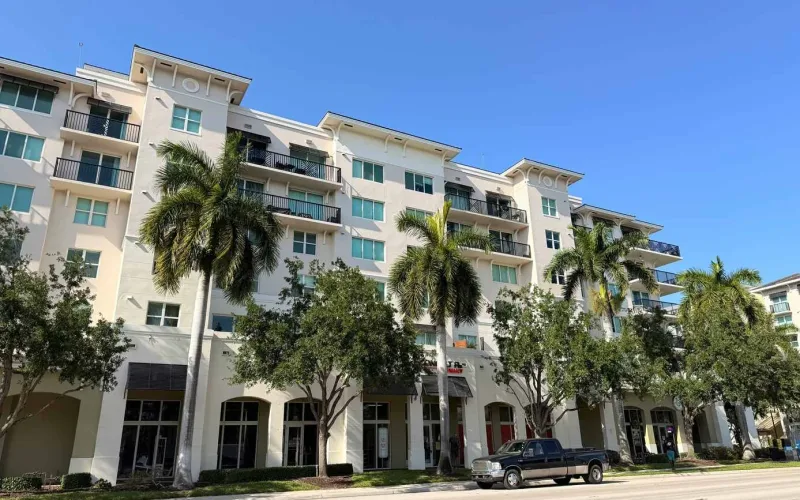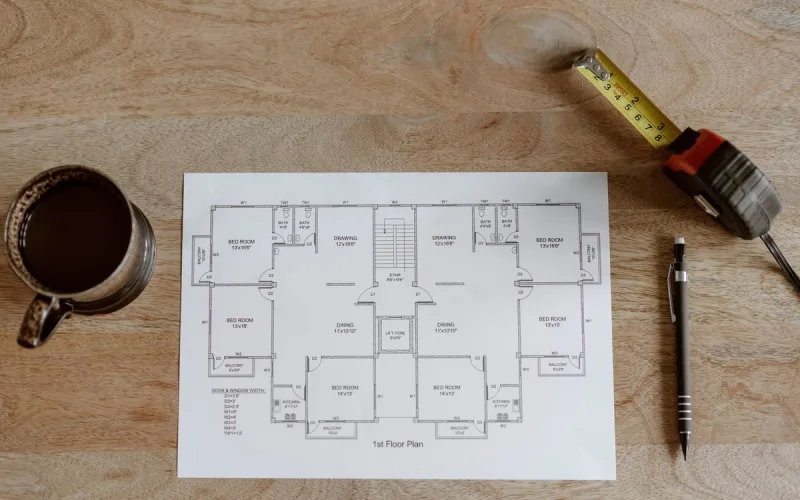
A condo floor plan in Thailand may look simple: size, bedroom, balcony, bathroom, kitchen and furniture layout. But these details often make the difference between a comfortable apartment and a good-looking sales picture.
Before buying, it is important to look beyond square meters and the view. You need to understand how the unit will work in real life: where to store things, whether the kitchen is practical, whether there is enough space around the bed, whether a work desk can fit, how useful the balcony is, and how the layout may affect rental demand or resale.
If you are already comparing specific projects, you can start with the LumiThai property catalogue and review condos in Thailand for living, holidays and rental scenarios. Below is a practical guide to reading a floor plan before booking.
Why layout matters more than the advertised size
Most listings show the total area. At first glance, 35 sqm may look better than 28 sqm. But the key question is not only the number. It is how the space is distributed.
A smaller unit can feel more comfortable if it has a good shape, a short corridor, a practical kitchen and enough storage. A larger unit can lose useful space through a long hallway, an oversized balcony or an awkward room shape.
Look at the real function of every part of the unit. If a square meter cannot be used properly, it adds little comfort.
Usable area: which square meters really work
Usable area is the space that supports real living: sleeping area, living zone, kitchen, bathroom, storage, comfortable circulation and room for a table or sofa.
When reading a floor plan, ask simple questions.
Can you walk around the bed? Is there space for a wardrobe? Can a sofa fit without blocking the passage? Can kitchen cabinets, wardrobe doors and bathroom doors open properly? Where will suitcases, cleaning tools, drying rack and household items go?
Thai condo units are often compact, especially studios and one-bedroom apartments. That is normal for the market. This makes every square meter important.
Studio, 1-bedroom and 2-bedroom layouts
A studio usually works well for short stays, rental demand and one-person living. A good studio has a logical sleeping area, kitchen and sitting zone. A weak studio feels like a hotel room without proper storage and daily-life function.
A 1-bedroom unit is usually more comfortable for winter stays and long-term living. The bedroom should feel separate, the living room should remain usable, the kitchen should be more than a decorative corner, and the bathroom should be placed logically.
A 2-bedroom unit should make the second room useful. It can serve a family, guests, a home office or wider rental demand. If the second bedroom is too narrow, has poor light or cannot fit storage, resale potential may be weaker.
Balcony, kitchen and bathroom: common weak points
A balcony in Thailand can be a strong advantage if it has a view, airflow and enough space for a small table or drying rack. But a large balcony with little practical use can reduce the value of the indoor space.
Kitchens in Thai condos are often compact. Check the working surface, fridge position, storage, hood, sockets and distance to the dining area. A kitchen can look good in a render and still be uncomfortable for daily use.
The bathroom should be checked for size, entrance position, shower zone, ventilation and storage. A good bathroom does not disturb movement inside the unit and does not take too much space from the bedroom or living room.
Storage, furniture and appliances
Storage has a major impact on daily comfort. A unit may have a good bedroom, nice view and new furniture, but life becomes uncomfortable without wardrobes, shelves and space for luggage.
Check where wardrobes are placed, whether there is space for a washing machine, cleaning tools, towels, household items, beach gear and seasonal clothing.
Also check the furniture package. In Thailand, many condos are sold furnished or partially furnished. Clarify what is included: bed, mattress, sofa, table, appliances, curtains, wardrobes, air conditioners and kitchen equipment.
View, orientation and neighboring buildings
The same layout can feel very different on different floors. A view toward the sea, pool or greenery increases appeal. A view into a neighboring building can reduce comfort and rental attractiveness.
Orientation also matters. Thailand has a hot climate, and direct sun at certain hours can heat up the unit. In some cases, a calmer side of the building is more practical than a dramatic view with too much heat.
Before booking, check not only the unit plan, but also its position in the building: floor, orientation, neighboring towers, elevators, technical rooms, road, nearby construction and possible future buildings.
How layout affects rental demand and resale
For rental demand, the logic is simple: a tenant should quickly understand where to sleep, work, cook, store things and relax. The fewer questions the unit raises, the easier it is to rent out.
Resale follows a similar rule. Buyers usually prefer clear layouts without long corridors, useless corners, dark rooms and overly tight kitchens.
A liquid layout usually feels simple and practical: good shape, decent view, useful furniture, storage, comfortable bedroom, functional living area and a well-placed bathroom.
Checklist before choosing a unit
Before booking, check the total area and usable area. Look at how much space the balcony takes. Review the room shape, passage width, space around the bed, kitchen, bathroom, wardrobes and washing machine position.
Then check the floor, view, orientation, neighboring buildings, lift location, road noise, nearby construction and furniture package.
Only after that compare the price. Two units with the same area in the same project can be very different in comfort, rental demand and future resale.
The main idea is simple: a good layout is not the largest number of square meters. It is a unit where every meter works for real life.