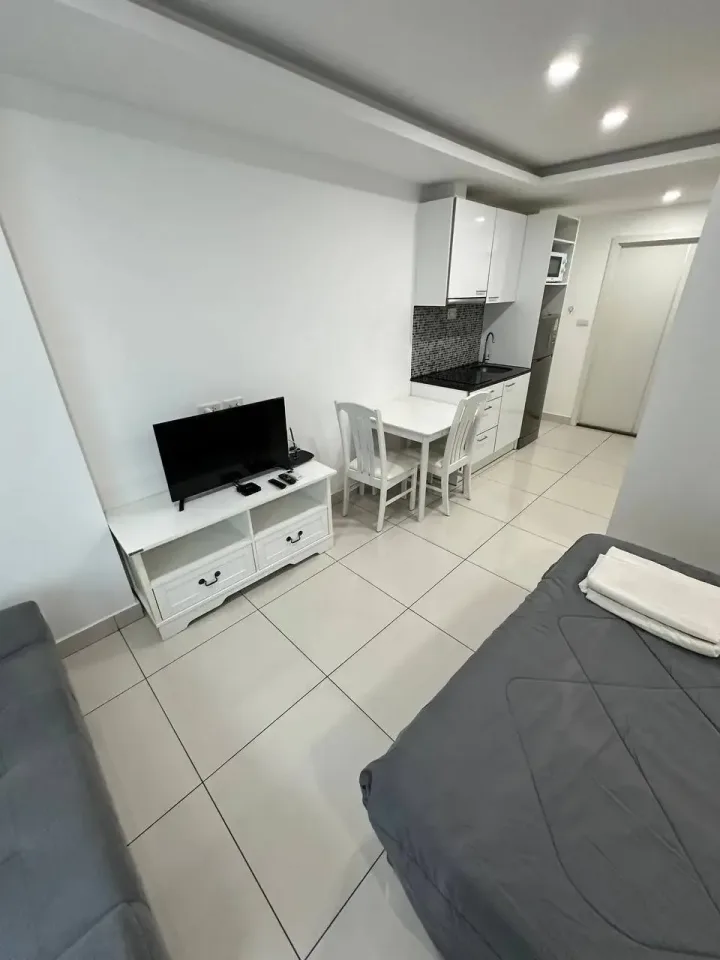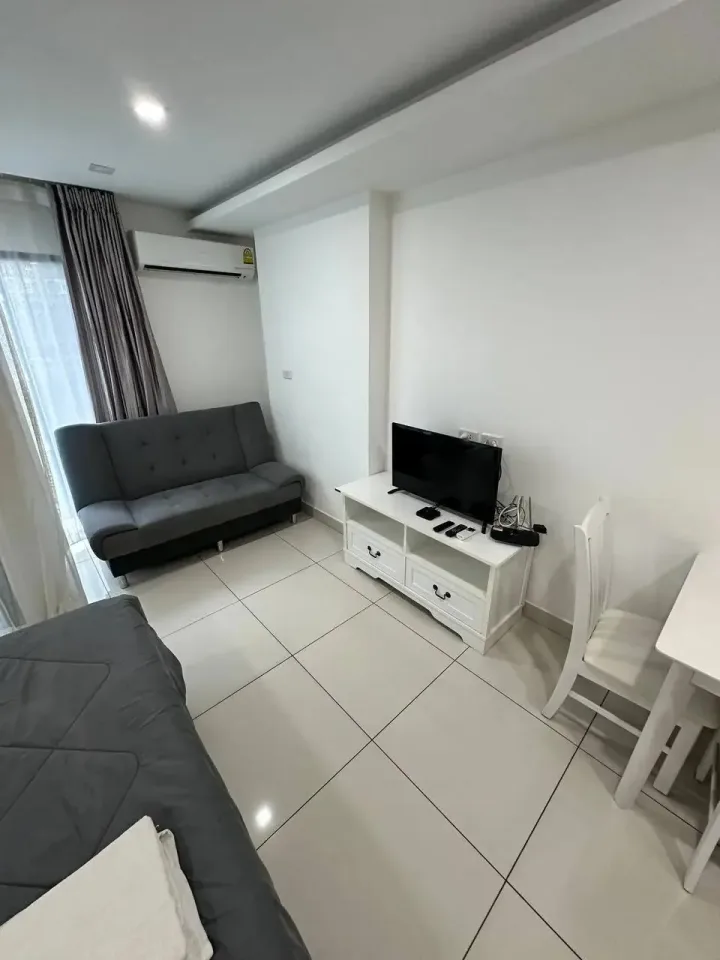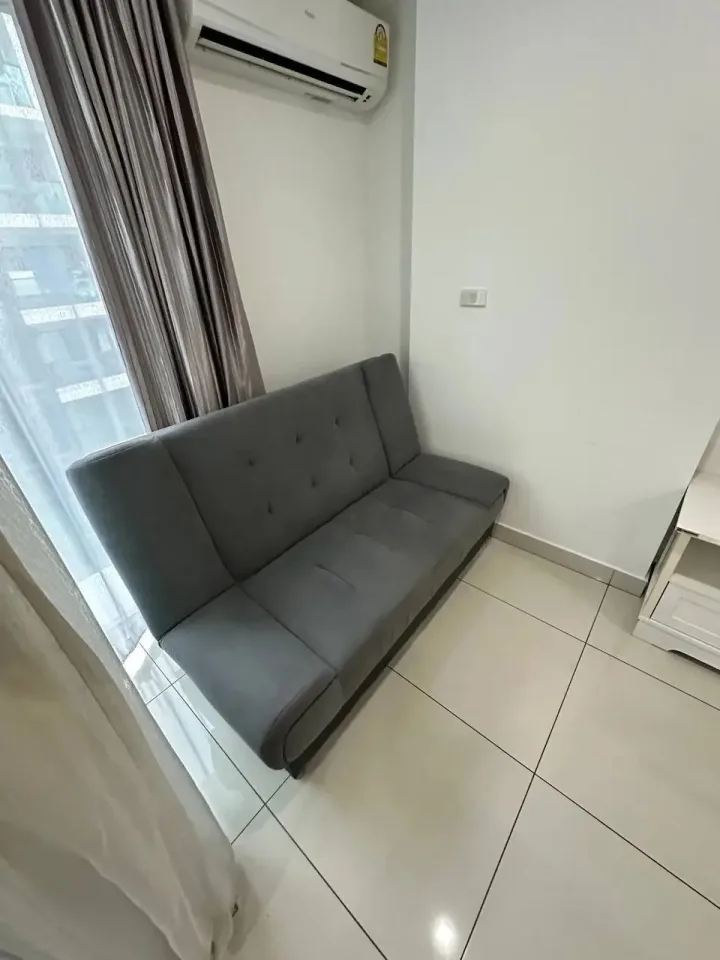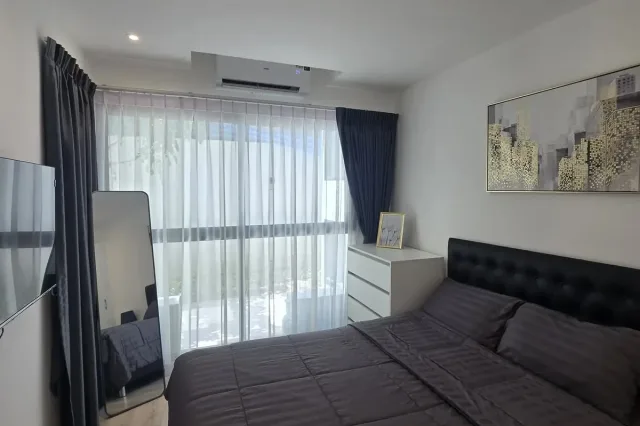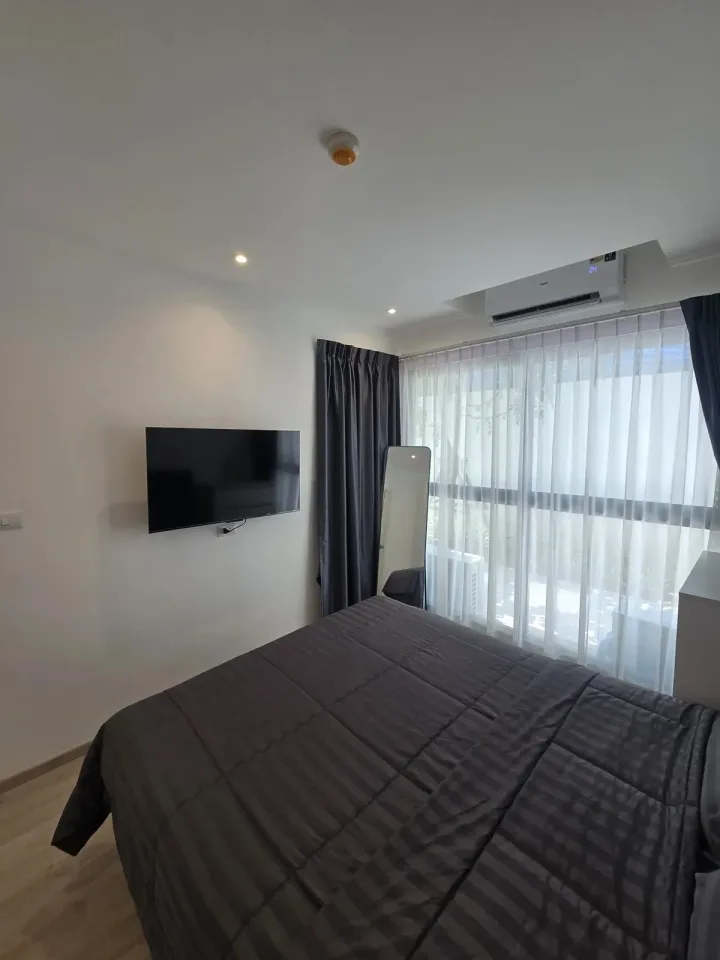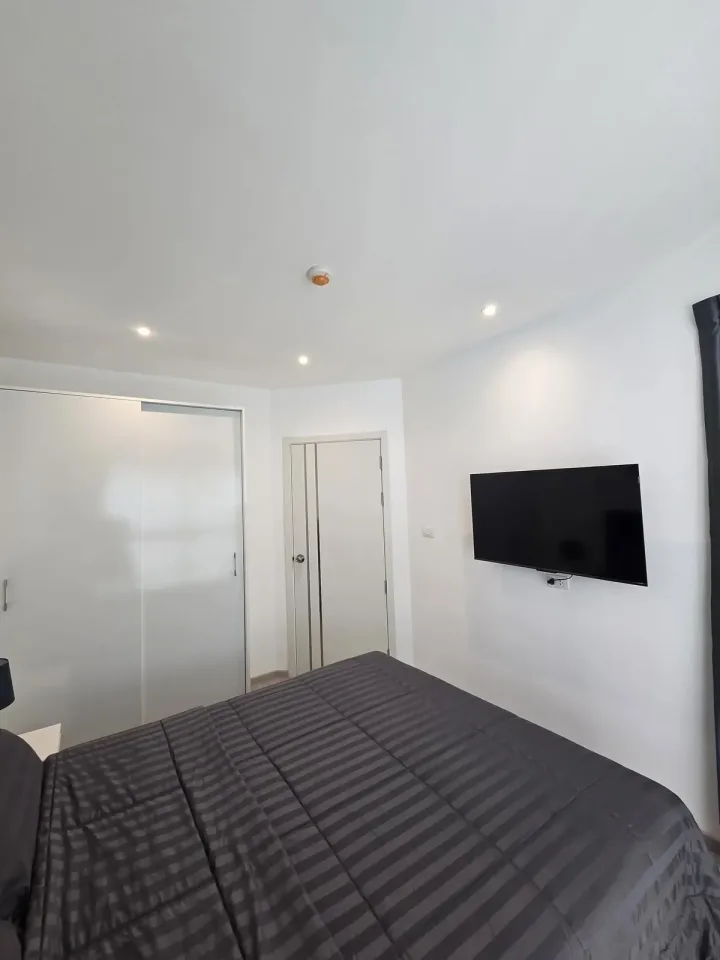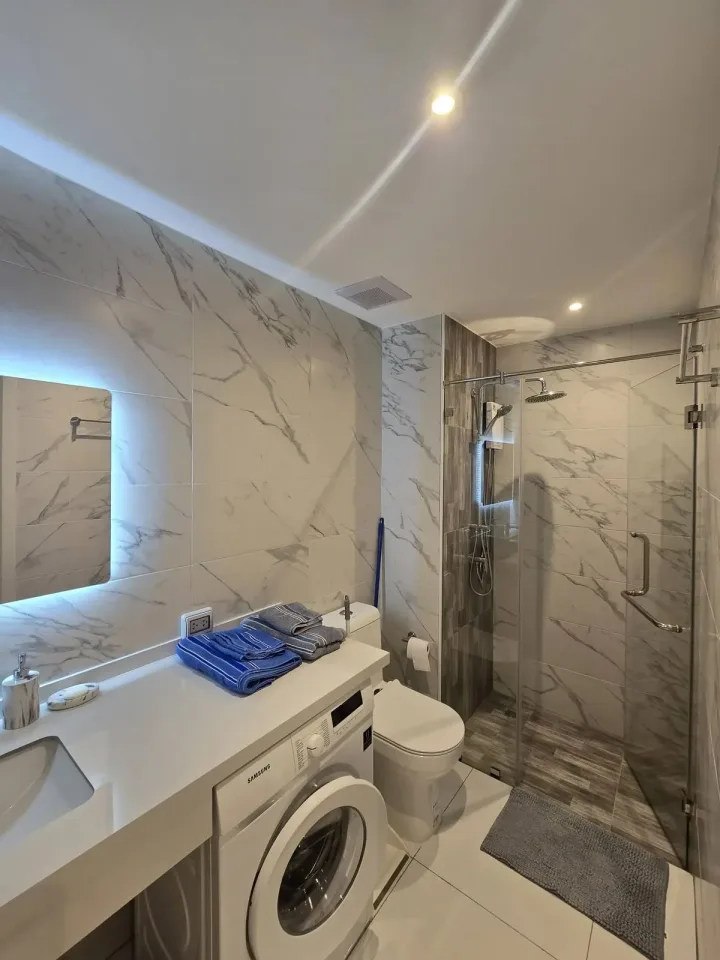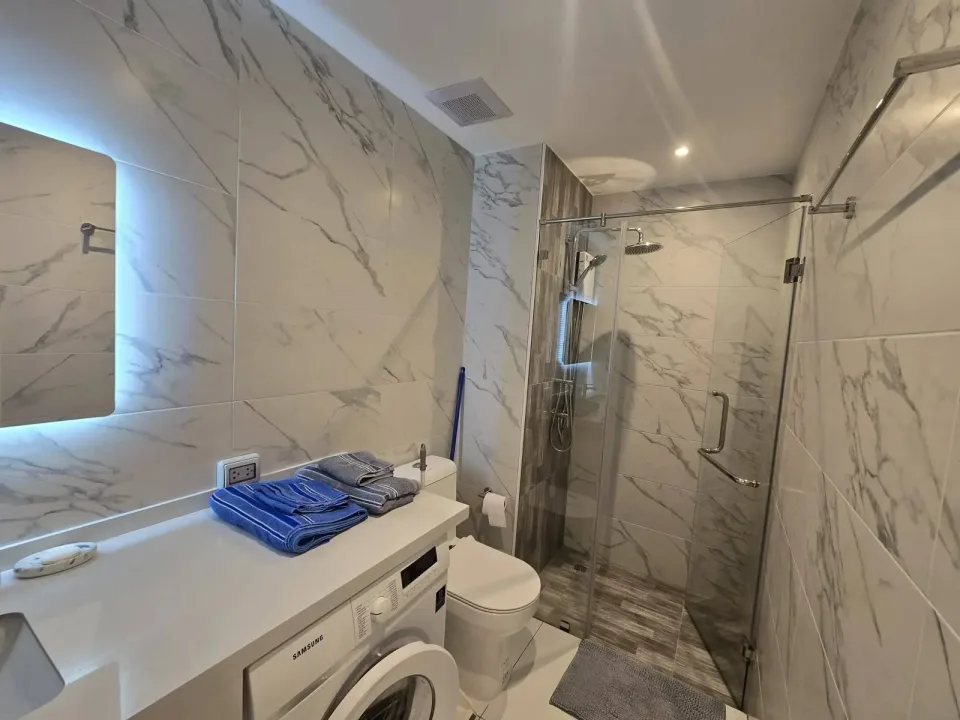
Several payments may be requested before moving into a rental property in Thailand. These can include a booking payment, advance rent, and a security deposit. Each serves a different purpose, so the terms should be recorded in writing before funds are transferred.
For long-term rentals, a security deposit equal to one or two months of rent is common in the market. The final arrangement depends on the property, lease period, landlord, and agreement. For the complete process, see our guide on how to rent a condo or villa in Thailand as a foreigner.
1. Payments you may make before moving in
Three different types of payment commonly appear before move-in: a booking payment, advance rent, and a security deposit.
These payments have different purposes and should be clearly separated in the paperwork.
- Booking payment temporarily reserves the property for an agreed period.
- Advance rent pays for the first or another specified rental period.
- Security deposit secures the tenant's obligations and is normally settled at the end of the tenancy after any justified deductions.
Before paying, confirm the purpose of each amount, the recipient, payment date, and refund conditions. These details should be recorded in the agreement, receipt, or another written confirmation.
Rental costs also vary significantly by location and property type. You can compare Phuket areas and residential projects or explore Pattaya property and areas when planning your budget.
2. Booking payment vs security deposit vs advance rent
A booking payment may be used after the parties have selected a property and need time to prepare the rental agreement. Once paid, the home is commonly held for the prospective tenant for an agreed period.
Before transferring a booking payment, confirm:
- which property is being reserved;
- the date until which it is held;
- who receives the money;
- whether the amount is credited toward later payments;
- the circumstances in which it is refundable or retained.
A vague reference to a “deposit” provides little information about the purpose of the payment. Written terms should identify exactly what the money is for.
Advance rent is payment for a future occupancy period. The security deposit is held until the tenancy ends and is addressed during the final settlement between landlord and tenant.
3. How much security deposit may be requested?
One or two months of rent is common in Thailand's long-term residential rental market. The tenant also commonly pays the first month's rent before moving in.
For example, with monthly rent of THB 40,000, an arrangement might include:
- THB 40,000 for the first month;
- THB 40,000–80,000 as the security deposit;
- a separate booking payment only when the parties have agreed to one before signing the main lease.
This is an example of market practice. The actual amounts depend on the specific property and agreement.
Special consumer-protection rules may apply to certain landlords operating residential rental businesses. Requirements for such operators can differ from arrangements with individual private owners, so the landlord's status and the terms governing the rental should be considered together.
All payments, deductions, and refund conditions should also be checked against the rental agreement before you sign it.
4. What can be deducted from a security deposit?
The security deposit is linked to specific tenant obligations. Possible deductions are easier to assess when the agreement describes them clearly from the start.
Common areas of dispute include:
- damage to furniture, appliances, or finishes;
- unpaid rent;
- unpaid electricity, water, or other agreed service charges;
- missing keys, access cards, or items recorded in the inventory;
- additional cleaning where the property is left in poor condition;
- financial consequences of early termination where these are stated in the agreement;
- other documented costs for which the tenant is responsible.
Normal wear and tear should be distinguished from actual damage requiring repair or replacement.
Deductions are easier to evaluate when the contractual basis and the amount are clearly documented.
5. How to record property condition and protect your deposit
The best time to protect your future deposit refund is on move-in day. Inspect the property before unpacking and record its condition.
Photograph or video:
- walls, floors, and ceilings;
- furniture and textiles;
- appliances;
- bathrooms and plumbing;
- windows and doors;
- existing scratches, stains, and other damage;
- balconies, terraces, gardens, or pools where applicable;
- utility meter readings.
Keep the inventory, rental agreement, deposit receipt or transfer confirmation, and written correspondence about the property's condition.
If you discover an existing defect, send a photo and short written description to the landlord soon after moving in. This provides a clear record of when the issue existed.
Repeat the inspection when you leave. Comparable move-in and move-out records make the final settlement much easier.
6. When and how is the deposit returned?
The refund process should be stated in the rental agreement. The landlord or representative will normally inspect the property, confirm final meter readings, and calculate any outstanding charges or damage.
Before returning the keys, record:
- the move-out date;
- the condition of the property;
- final meter readings;
- keys and access cards returned;
- any outstanding utility charges;
- the refundable deposit balance;
- the agreed refund date.
If part of the deposit is withheld, request a written breakdown showing the reason and amount for each deduction.
Refund timelines depend on the agreement and any rules applying to the particular landlord. The expected settlement period should therefore be written into the contract before move-in.
7. What to do if your deposit is not returned
If the agreed deadline passes, start with a written request to the landlord or property manager. State the amount due, move-out date, and agreement details.
A practical sequence is:
- review the deposit and deduction clauses;
- prepare proof that the deposit was paid;
- collect move-in and move-out photos;
- include meter readings and proof of utility payments;
- request an itemised explanation of deductions;
- send a formal written demand for the disputed balance;
- seek professional legal assistance or an applicable consumer-protection remedy if the issue remains unresolved.
Documents usually carry more weight than emotional exchanges. A signed agreement, payment records, photographs, and a clear written timeline provide a much stronger basis for resolving a dispute.
Deposit protection starts before payment: the purpose of the money is clear, refund conditions are written down, the property's condition is recorded, and every payment can be documented.