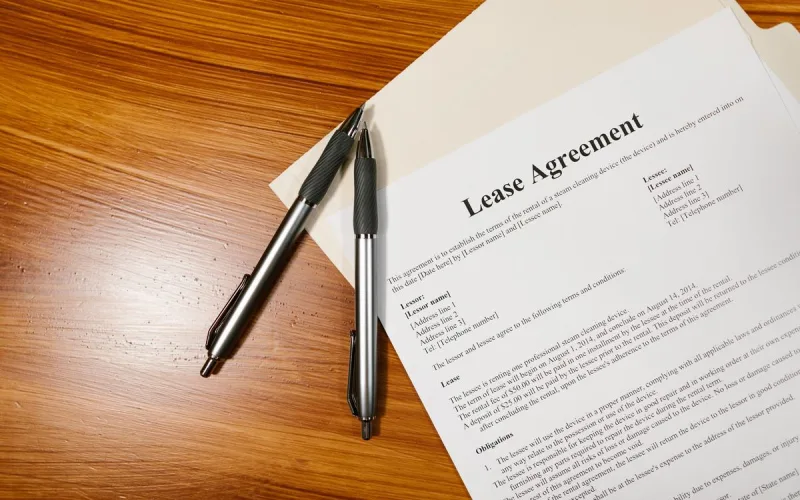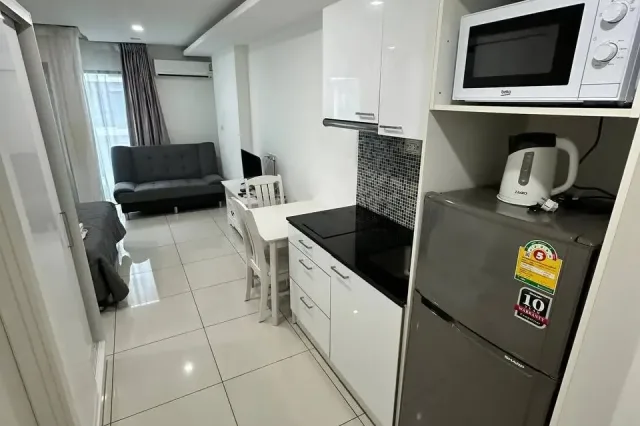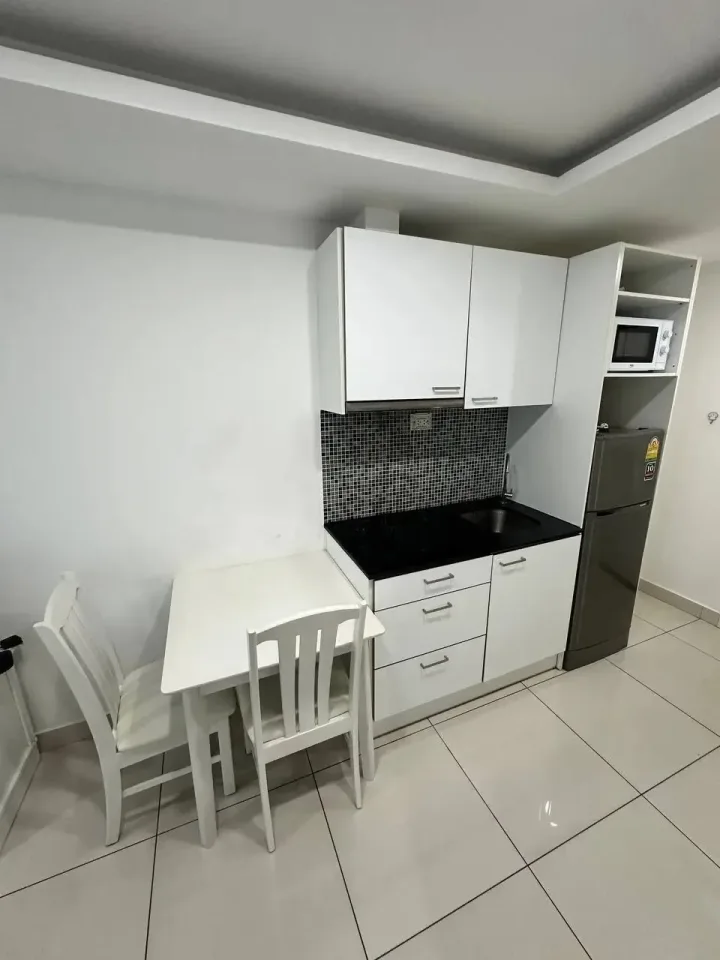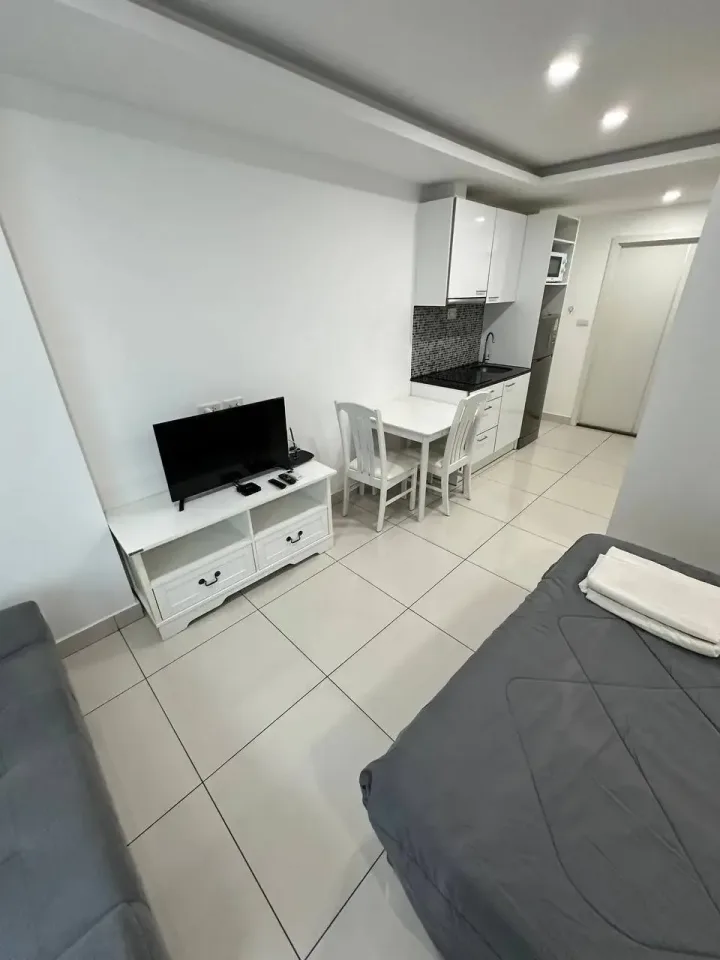
Foreign tenants in Thailand usually need only a modest set of personal documents. At the same time, it is sensible to verify the landlord's identity, ownership connection, representative authority, and payment details before signing or transferring money.
The exact requirements depend on the property, rental period, landlord, and management arrangements. For the complete journey from property search to move-in, see our guide on how to rent a condo or villa in Thailand as a foreigner.
1. Documents commonly required from a foreign tenant
A passport is the core identification document. A landlord or agent will commonly ask for a copy of the photo page and personal details for preparation of the rental agreement.
| Document | How commonly requested | Purpose |
|---|---|---|
| Passport | Usually | Identification and contract details |
| Current visa page or entry stamp | Commonly | Evidence of current immigration status |
| Phone number and email | Usually | Contact with the landlord, agent, or property manager |
| Proof of income or employment | Sometimes | Additional financial verification |
| Second photo ID | Sometimes | Additional identity verification |
The passport remains the primary tenant document. Employment letters, bank statements, or work permits are additional requirements that may be requested by a particular landlord or management company.
2. Visa, entry stamp, and additional tenant documents
For a standard residential rental, landlords commonly request a copy of the passport page showing the tenant's current visa or latest entry stamp. This provides evidence of the tenant's current status in Thailand.
For a longer agreement, a landlord may also ask for:
- a bank statement;
- an employment letter;
- a work permit, if applicable;
- school or university information;
- a second photo ID;
- an emergency contact.
These requirements depend on the individual landlord and rental arrangement. Asking for the full document list early can make signing much smoother.
Documents required for a tenancy and documents needed for immigration or visa procedures serve different purposes. If you plan to use the lease as proof of address, check the requirements of the organisation that will receive it.
3. Documents to request from the landlord
A tenant should be able to understand who is renting out the property and how that person is connected to the condo, house, or villa.
| Document | What to check | Purpose |
|---|---|---|
| Landlord ID card or passport | Name and identity details | Confirm the person entering the agreement |
| Ownership document | Owner's name and property details | Confirm the landlord's connection to the property |
| House registration where relevant | Property address | Additional address verification |
| Residential development rules | Occupancy conditions | Understand parking, facilities, and residential restrictions |
For a house or villa, the documents may include a Chanote, the Thai land title document. A condominium uses documentation relating to the individual unit.
The practical goal is to establish a clear chain: landlord → property → agreement → payments.
For a condo rental, it can also help to understand the role of the building's juristic person. Our guide to the condominium juristic person in Thailand explains its responsibilities.
4. What to check when an agent or representative signs
An agent, property manager, or another representative may handle the transaction for the owner. In that situation, clarify which actions the representative is authorised to perform.
If a representative signs documents for the owner or receives a substantial payment, request evidence of authority. This may take the form of a power of attorney or another document confirming the representative's role.
Check:
- the owner's name;
- the representative's name;
- the property details;
- authority to sign;
- authority to receive rent and the security deposit;
- the recipient's bank details.
If money is being transferred to a third party, obtain written confirmation explaining why that person or company is receiving the payment. The transfer reference can also identify the property and payment type.
5. Details that should match before signing and payment
Before transferring funds, compare the key information across all documents. Pay particular attention to names, the property address, rental period, and recipient details.
Work through the following chain:
- the landlord's name matches their identification;
- the landlord can be connected to the property documentation;
- the agreement identifies the same owner or an authorised representative;
- the property address and description match the home you viewed;
- the payment recipient is identified in the documentation or confirmed by the owner;
- the purpose of each payment is recorded in the agreement, receipt, or correspondence.
For Phuket rentals, you can cross-check the location against Phuket areas and residential projects. For Pattaya, Pattaya projects and areas provide similar location context.
6. Documents to obtain and keep after signing
Once the agreement is signed, keep your own complete record. These documents can be useful throughout the tenancy and again when you move out.
Keep:
- your signed copy of the rental agreement;
- all attachments;
- the furniture and appliance inventory;
- proof of the first rental payment;
- proof of the security deposit;
- move-in condition photos;
- initial utility meter readings;
- written correspondence about special terms;
- records of keys and access cards handed over.
Foreign tenants should also ask about the TM30 notification of their place of stay. The property owner or responsible accommodation provider commonly handles the filing. Keep confirmation once it has been completed.
If the development issues parking stickers, access cards, or other passes, ask about the return procedure when you move out.
7. Final document check before transferring money
Before payment, run through this final list:
- tenant passport prepared;
- current visa or entry stamp copy prepared;
- landlord identity checked;
- landlord's connection to the property confirmed;
- representative authority understood;
- property address consistent across the paperwork;
- party names correctly written;
- payment details checked;
- the purpose of every payment recorded;
- tenant will receive a signed agreement;
- inventory prepared;
- TM30 arrangements clarified.
A sound document check follows a simple sequence: who is renting out the property, which property is being rented, who is signing, and who receives the money. When that chain is clear, the transaction becomes easier to understand and document.