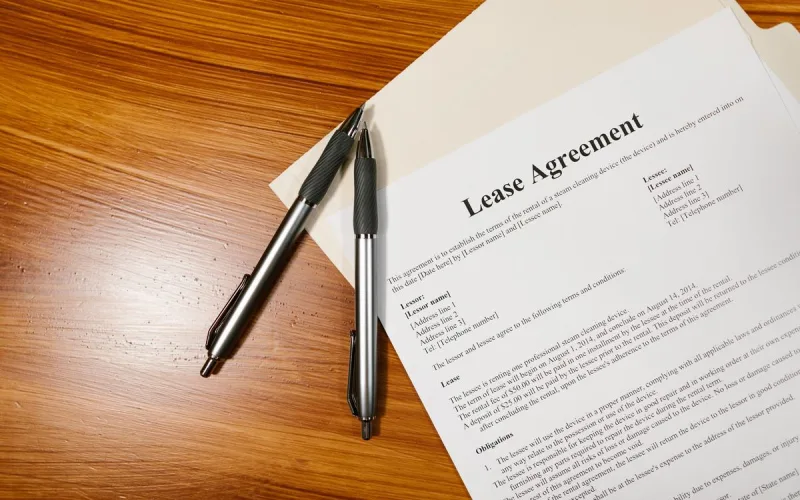
A rental agreement sets out the terms of occupancy, payment arrangements, and the responsibilities of both parties. Before signing, check the property and landlord details, understand every payment obligation, clarify responsibility for repairs, and review the exit terms.
If you are still at the property-search stage, start with our guide on how to rent a condo or villa in Thailand as a foreigner. This article focuses specifically on the agreement signed once a property has been selected.
1. What information should a rental agreement contain?
Start with the basic details. The agreement should clearly identify the parties, the property, the rental period, and the financial terms.
Check that it includes:
- the landlord's full name or company name;
- the tenant's name as shown in the passport;
- the exact address of the condo, apartment, house, or villa;
- the start and end dates;
- the monthly rent;
- payment dates and methods;
- the security deposit;
- additional charges;
- renewal and early-exit terms;
- signatures of the parties.
If the agreement is provided in both Thai and English, compare the key provisions in both versions. Amounts, dates, the rental period, property details, and deposit conditions should be consistent.
Every material clause should be understood before money is transferred. Any unclear provision is best clarified in writing before the agreement is signed.
2. Check the property, landlord, and representative
The agreement should identify the exact property being rented. The name of a residential development alone may not provide enough detail, so the contract should contain an address and sufficient information to connect the agreement to the specific home.
When the landlord signs personally, compare their details with the documents provided. If an agent or representative signs or receives funds, confirm their authority and the payment details used for the transaction.
Condo tenants should also review building rules covering parking, access cards, swimming pools, gyms, and other shared facilities. These matters are commonly administered by the condominium juristic person; our guide to the condominium juristic person in Thailand explains its role in more detail.
If you are renting in Phuket, reviewing Phuket residential projects and areas can help you understand the location, surroundings, and development named in the agreement.
For Pattaya, you can similarly compare Pattaya projects and areas, particularly when choosing between Jomtien, Pratumnak, Wongamat, and central parts of the city.
3. Rental period, monthly price, and payment schedule
Six- and twelve-month agreements are common for residential rentals, although landlords may offer shorter or longer arrangements.
The contract should specify:
- the start and end dates;
- the monthly rent;
- the payment due date;
- bank details or another agreed payment method;
- how the rent may change upon renewal;
- the consequences of late payment.
If a price or discount was agreed during negotiations, confirm that the same figure appears in the final document. The same applies to services included in the rent and any special first-payment arrangement.
Agreements covering immovable property for periods longer than three years require separate attention to registration and enforceability. This is a different legal scenario from the common residential rental of a condo or villa for several months or one year.
4. Security deposit and utility charges
The agreement should state the security deposit, when it is paid, and how it is returned. Long-term residential rentals commonly use a deposit equivalent to one or two months of rent.
Pay close attention to the circumstances that allow deductions. The wording should connect deductions to identifiable events such as property damage, unpaid charges, or another breach of the agreement.
The contract should also state when the remaining deposit is returned after move-out and how the final balance is calculated.
Utility and service costs may include:
- electricity;
- water;
- internet;
- cleaning;
- parking;
- pool and garden maintenance for a villa;
- other property-specific recurring services.
For electricity and water, confirm both the calculation method and the applicable rate. If charges are based on meters, record the starting readings at handover.
5. Repairs, inventory, and responsibility for damage
Repair responsibilities are a common source of disagreements. The agreement should explain who handles routine faults, appliance servicing, and major repairs.
It is useful to distinguish tenant-caused damage, normal wear, and technical equipment failures. Clear wording makes responsibility easier to establish when the tenancy ends.
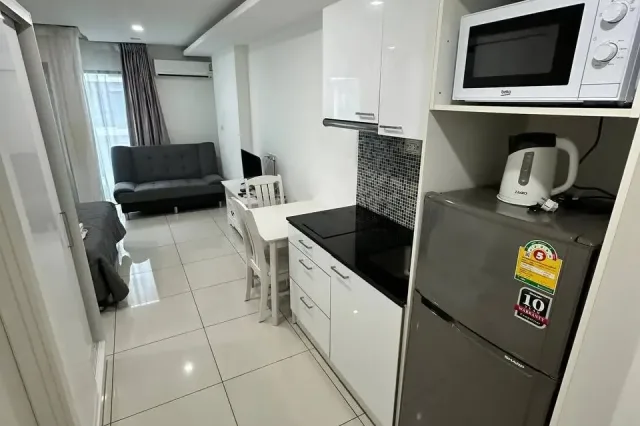
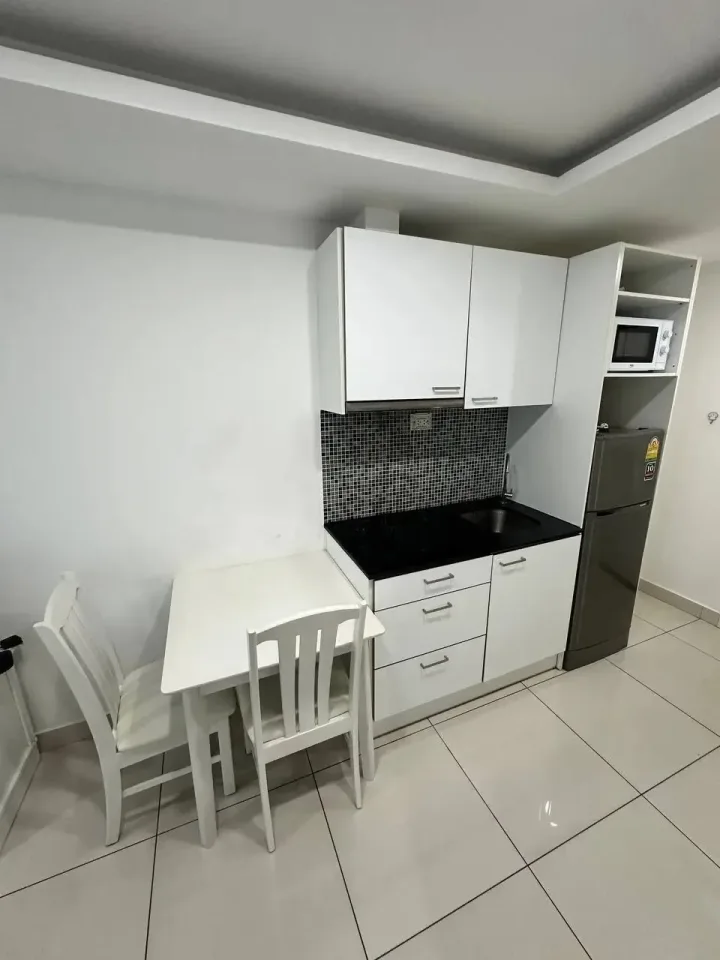
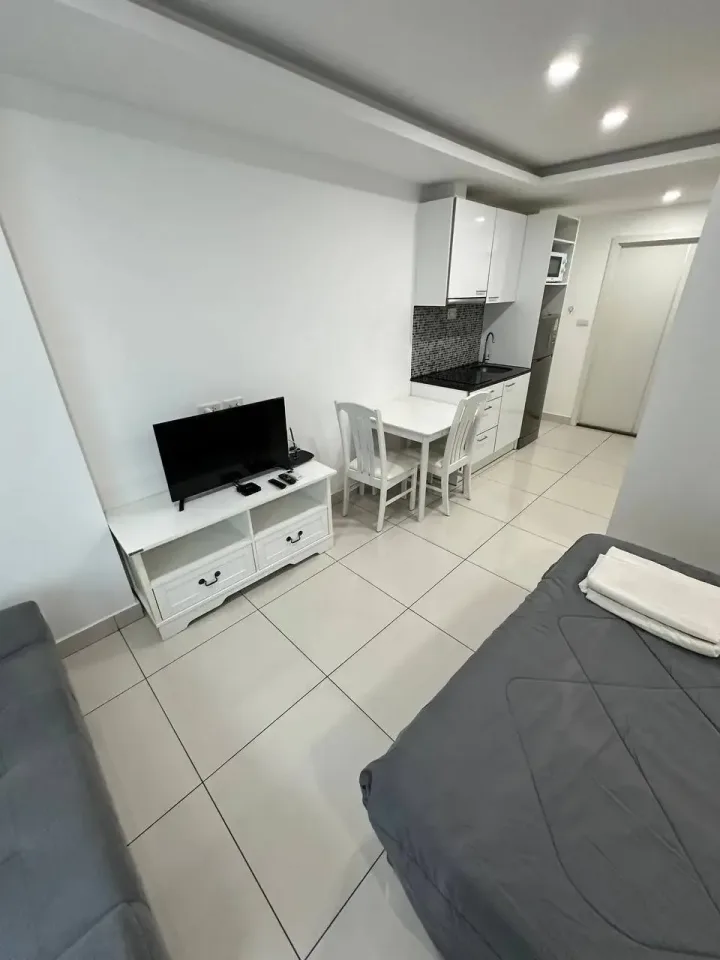
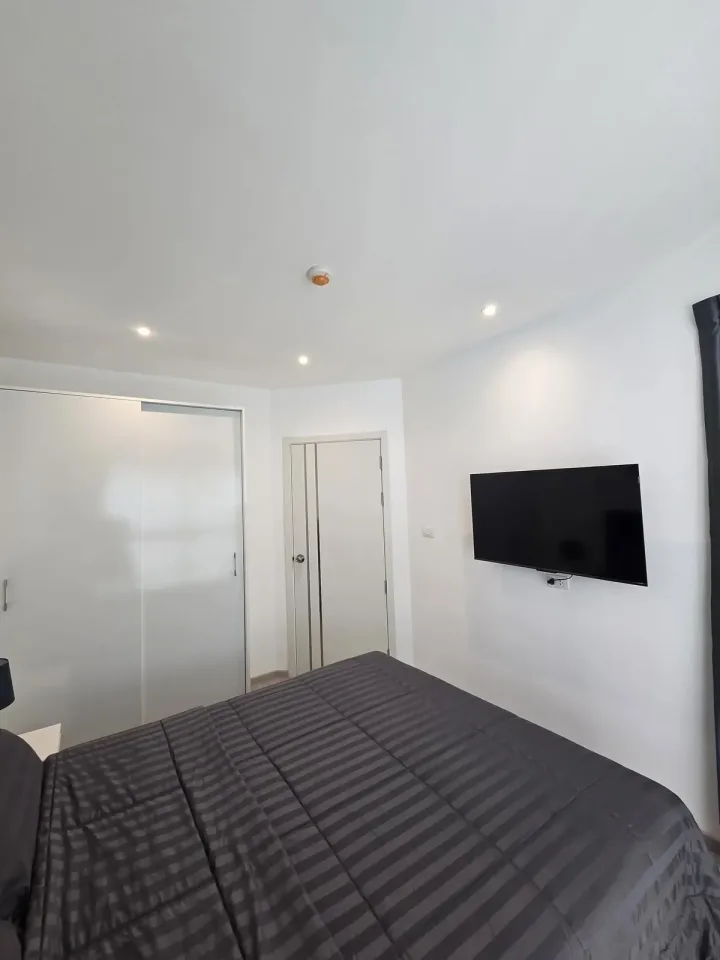
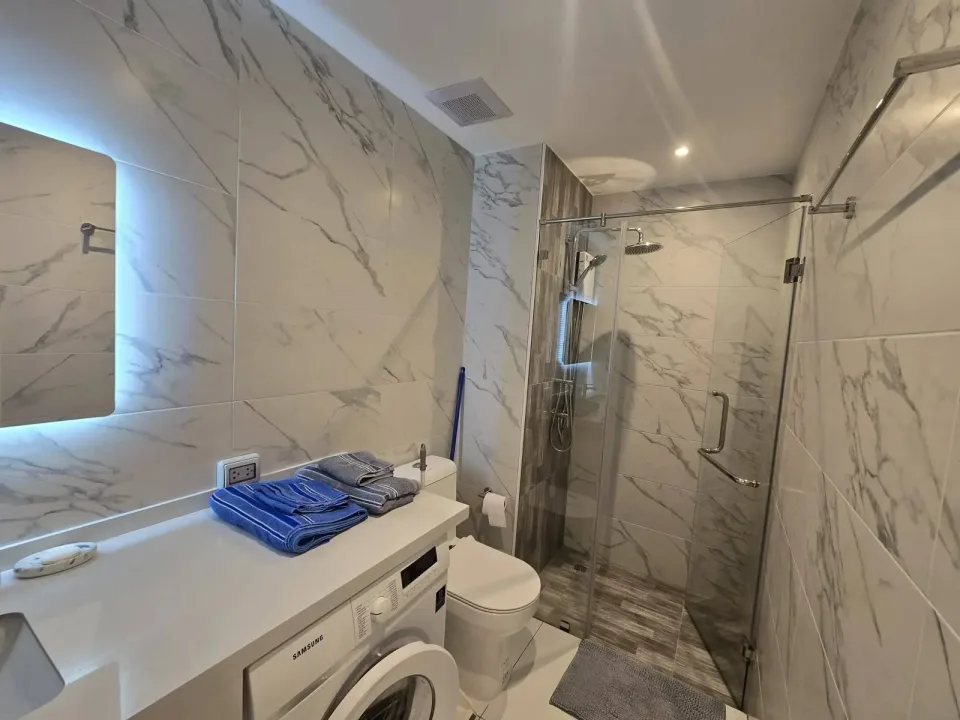
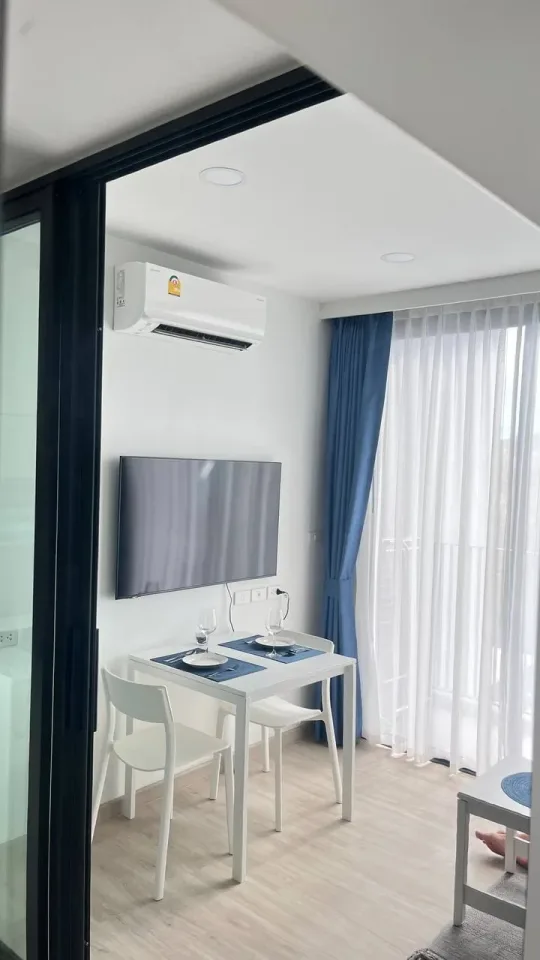
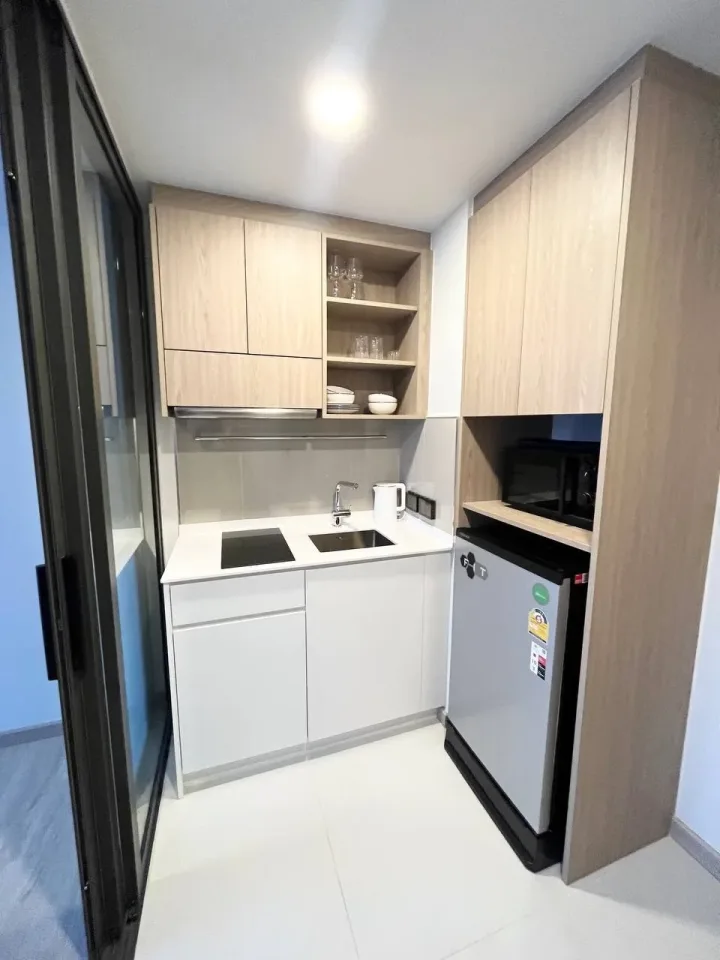
An inventory should be attached to the agreement. It can include furniture, televisions, refrigerators, washing machines, air conditioners, kitchen equipment, keys, access cards, and other items supplied with the property.
Photos taken on move-in day strengthen the inventory record. Photograph existing scratches, stains, furniture damage, bathroom condition, and appliances, and keep the files with the agreement and payment records.
For villas, the contract should also address pool equipment, pumps, irrigation systems, garden maintenance, and access for service staff.
6. Early termination, renewal, and property return
Early termination terms deserve careful review. The agreement should state how much notice is required and what financial consequences apply when the tenant leaves before the scheduled end date.
Check:
- the required notice period;
- what happens to the security deposit;
- whether an additional early-exit charge applies;
- how a partial final month is calculated;
- the procedure for renewal;
- the condition in which the property must be returned.
Renewal terms are worth discussing in advance, particularly when the landlord may revise the monthly rent. The method and timing for agreeing a new price can also be recorded in writing.
At move-out, record the property's condition and final meter readings. After keys are returned, both parties can confirm outstanding charges and calculate the refundable deposit balance.
7. Final checks before signing
Read the agreement once more from the first page through all attachments before signing. This final review often reveals differences between the written document and what was discussed during negotiations.
Check in order:
- both parties' details;
- the exact property;
- rental period;
- monthly rent;
- security deposit;
- payment dates;
- utility rates and additional charges;
- repair responsibilities;
- inventory;
- early termination terms;
- deposit return conditions;
- renewal terms;
- signatures and agreement date.
Any amendments or special arrangements should be incorporated into the agreement or its attachments before signing. Written correspondence can provide useful context, while the signed agreement remains the main reference for the tenancy.
A good rental agreement makes the financial obligations, responsibilities, and exit process clear from the beginning. Clear terms make the tenancy easier to manage and reduce the risk of disputes at move-out.