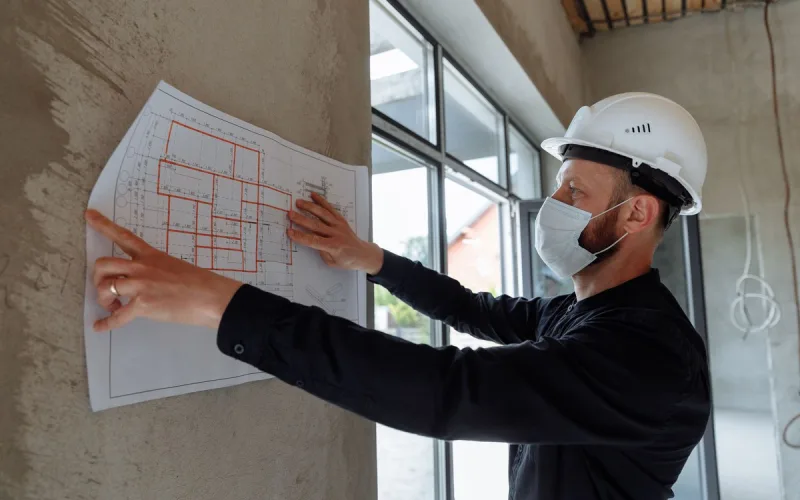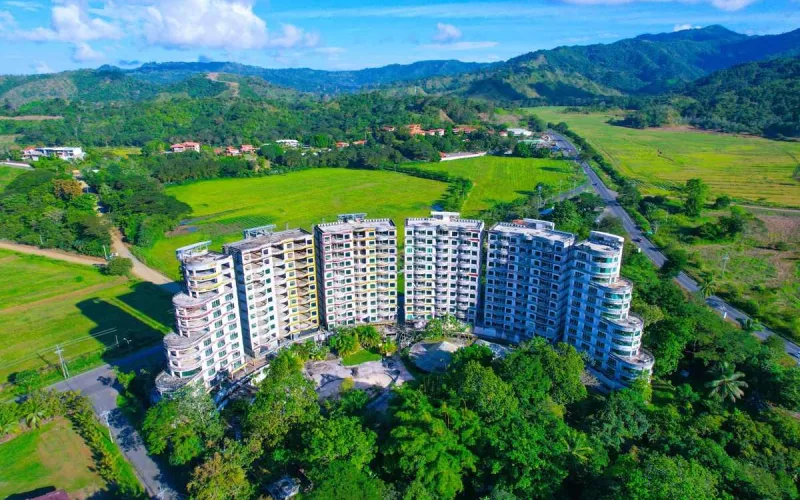
Price per square meter looks like a simple way to compare properties: take the total price, divide it by the area and get one clear number. It is useful as a first filter. The problem starts when a buyer makes a decision based only on that number.
In Thailand, a property with a low price per sqm may still be weak for living, rental income or resale. Another unit may look more expensive per sqm, yet offer a better layout, view, floor, location, ownership structure and market demand. That is why buyers comparing condos in Thailand should look beyond the basic calculation and evaluate the full value of the unit.
What price per square meter actually shows
Price per sqm only shows the relationship between the asking price and the stated area. It helps you compare similar units in the same project, spot overpriced options and understand the general price level.
This metric becomes weaker when properties differ by location, floor, view, layout, ownership structure, construction stage and running costs. Two 40 sqm units can perform very differently: one may rent and resell easily, while the other may stay on the market for a long time.
Usable area matters more than total area
The biggest trap is treating all square meters as equal. A brochure may show the total area, but part of that space can be taken by a long corridor, an awkward corner, a large balcony or a zone that is difficult to use in daily life.
For living and rental demand, usable area matters more: where the bed fits, whether there is a proper work corner, how practical the kitchen is, whether storage works and how comfortable the living space feels. A well-planned compact studio can be stronger than a larger unit with wasted space.
A low price per sqm does not automatically mean value. Sometimes the buyer is paying for area that looks good in a table but adds little to real use.
Layout affects rentability and resale
Layout directly affects demand. Tenants care about practical details: where to sleep, where to work, where to store belongings, whether the kitchen is usable and how private the bedroom feels. Future buyers think in a similar way: the easier it is to imagine real life in the unit, the easier the decision becomes.
This is especially important for studios and one-bedroom condos. In Thai resort areas, these units are often bought for rental income, so every meter needs to work. If the layout is filled with corridors, narrow passages or strange dead zones, the low price per sqm may hide weak liquidity.
Floor and view can change the real value
Within the same project, a mid-floor or high-floor unit with an open view is usually stronger than a similar unit on a low floor facing a wall, car park or neighboring building. The difference becomes especially important in resort locations where buyers and tenants value the sea, greenery, pool view, sunset or open surroundings.
A unit with a better view may cost more per sqm. At the same time, it may be easier to rent and resell. A cheaper unit on a weak floor may look attractive only until you compare real demand.
Location can outweigh size
Location often matters more than a few extra square meters. For rental demand and resale, buyers should look at beach access, transport, shops, cafés, schools, medical facilities, walkability, noise, traffic and the overall quality of the area.
For example, when choosing property in Phuket, a stronger location may command a higher price per sqm but offer clearer demand and better long-term market interest. The same logic applies in Pattaya between Jomtien, Pratumnak, Wongamat, Naklua and central areas: price per sqm without location tells only a small part of the story.
Ownership costs change the real result
Many buyers compare only the purchase price, but property ownership also brings ongoing costs: common area fees, sinking fund, utilities, repairs, furniture replacement, cleaning, rental management and taxes. The higher the project level and the richer the facilities, the more carefully these costs should be checked.
Two units with the same price per sqm may have very different ownership costs. One project may have moderate and predictable expenses, while another may reduce the net result through higher fees, management charges and future upkeep. For investors, this is critical: returns are measured after costs, not by the entry price alone.
Ownership structure and quota affect liquidity
For foreign buyers in Thai condominiums, the ownership structure matters. Foreign freehold usually requires available foreign quota in the condominium. If the quota is full or the unit is offered under another structure, it can affect liquidity, future resale and the size of the buyer pool.
Before reservation, check whether foreign quota in the condominium is available, how the unit will be registered and which documents confirm the ownership format. Sometimes a cheap price per sqm comes with conditions that make the property less attractive to future buyers.
Construction stage adds risk to the price
An early-stage project may offer a more attractive price per sqm. That is normal: the buyer accepts waiting time, construction risk, payment schedule risk and uncertainty over the final quality.
A completed project is easier to evaluate: you can inspect the building, common areas, view, atmosphere and management quality. An off-plan property requires checking documents, project permits, developer background and contract terms. If the unit is still under construction, review the legal risks of off-plan property in Thailand before making a serious payment.
Liquidity matters more than an attractive average
Liquidity is the ability of a property to find a tenant or buyer without a heavy discount. It depends on location, view, floor, layout, building condition, legal clarity, ownership costs and competition inside the project.
A unit with a low price per sqm can be hard to resell if the project has many similar units, a weak view, an awkward layout or high monthly costs. A unit with a higher price per sqm can be stronger if it matches clear demand: good floor, practical size, attractive view, decent furniture, convenient area and transparent ownership.
How to compare two properties properly
Start with the goal. For personal use, comfort, location, transport, quietness, view and daily routine matter most. For rental income, focus on demand, seasonality, management, furniture wear and costs. For resale, look at liquidity, scarcity of the unit type, clear documents and the condition of the project.
Then compare the full picture, not only price per sqm:
- total property price;
- usable area;
- layout;
- floor and view;
- location and access to key points;
- ownership structure;
- post-purchase costs;
- rental potential;
- resale liquidity;
- project and developer quality.
Only then does price per square meter become useful. It works as one parameter, not as the final answer.
Final takeaway
Price per square meter is useful for a quick market check, but it only shows part of the value. In Thailand, usable area, layout, floor, view, location, ownership costs, ownership structure and liquidity can completely change the conclusion.
A smart purchase starts not with “where is the cheapest sqm”, but with “which property fits my goal and will still make sense to the market in a few years”. This approach helps separate real value from a nice-looking number in a price list.