Why Seasonality Matters for Property Owners
Seasonality has a direct impact on rental property in Thailand. For owners, it affects money, occupancy, and daily management. Rental rates, booking volume, vacancy periods, marketing effort, and annual net income all change throughout the year.
During the high season, properties usually rent faster and at higher rates. During the low season, demand becomes weaker, competition increases, and owners need to manage pricing and rental periods more carefully.
A common investor mistake is calculating rental yield from peak-season rates. That number may look strong on paper, while real annual performance can be lower. A better calculation should include the whole year: high season, low season, empty weeks, expenses, management, repairs, and furniture updates.
Pattaya and Phuket react to seasonality differently. Phuket is more connected to international tourism, weather, and beach holidays. Pattaya usually has steadier demand because of expats, long-stay visitors, domestic tourism, and long-term rentals.
That is why seasonality should be considered before buying. It affects the city, district, property type, rental format, and future management strategy.
High and Low Seasons in Thailand: What Changes for Rentals
Thailand’s high season usually runs from November to April. During this period, the weather is drier, the sea is calmer, tourist arrivals increase, and rental demand becomes stronger. The strongest months are usually December, January, and February, especially around New Year and winter holidays.
The low season usually runs from May to October. During this period, rainfall is more frequent, the sea can be less calm, and tourist numbers fall. For owners, this means more competition and a higher risk of vacancy.
Seasonality changes several rental factors at once.
First, pricing changes. During the high season, short-term rental rates for condos, apartments, and villas can be significantly higher.
Second, occupancy changes. A good property in a strong location can fill its calendar in advance, especially in December and January.
Third, vacancy becomes a key issue. If the property stays empty during the low season, annual rental yield falls even after strong winter rates.
Management also becomes more important. Good photos, fast replies, fair pricing, reviews, cleanliness, maintenance, and flexible stay periods help reduce seasonal pressure.
Pattaya: More Stable Demand and Long-Term Tenants
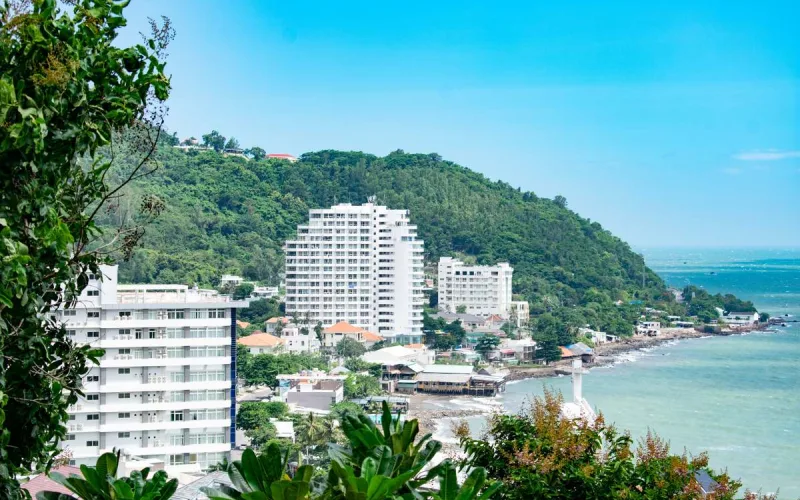
Pattaya is affected by seasonality, yet its rental market is usually calmer than island resort markets.
The high season in Pattaya often runs from November to March. Tourists, long-stay visitors, retirees, expats, and regional travellers arrive during this period. Good condos and villas rent faster, and short-term rental rates can increase.
The low season in Pattaya is usually softer. The city is supported by more than tourism. There are long-term tenants, working foreigners, families, business owners, retirees, long-stay residents, and domestic demand from Thailand.
For owners, this is a key advantage. Pattaya is often attractive because of a more predictable annual rental scenario rather than a record winter rate.
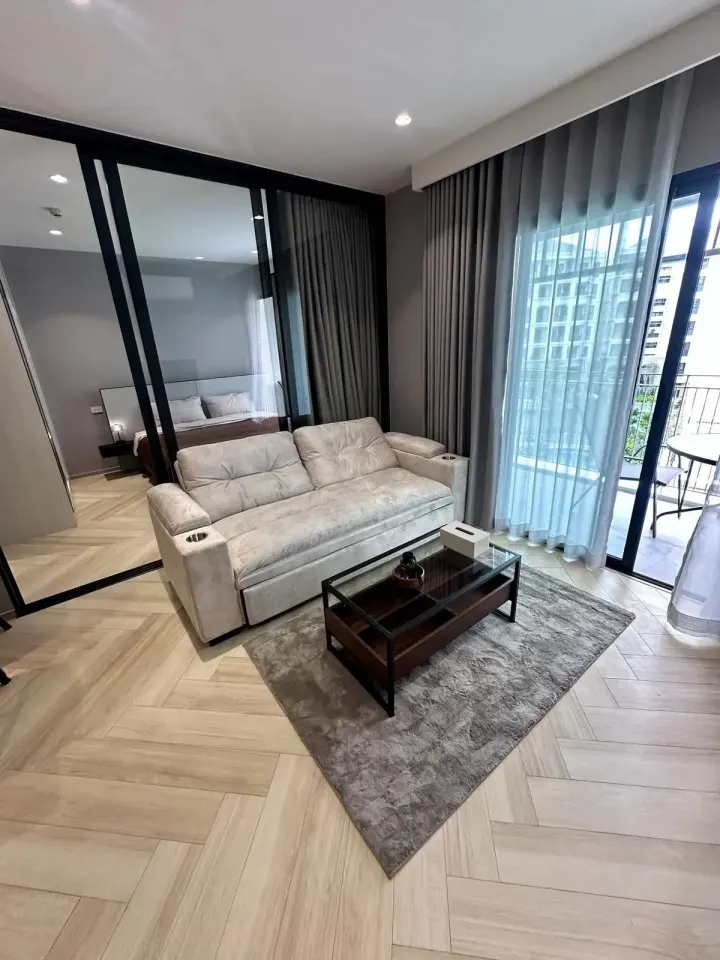
If the goal is to buy a condo in Pattaya for rental income, it is worth comparing districts, tenant profiles, and realistic low-season occupancy. Jomtien, Wongamat, Pratumnak, Na Jomtien, Central Pattaya, and East Pattaya all work differently.
Jomtien combines resort and long-stay demand. Wongamat is often chosen for a calmer and more premium coastal setting. Pratumnak suits buyers who want to stay between the city centre and Jomtien. East Pattaya is more connected with houses, villas, families, and long-term living.
Pattaya can suit owners who want stability, a more accessible entry budget, and the ability to work with tenants for several months or a full year.
Phuket: Strong High Season and Clear Low Season
Phuket is more dependent on the tourist season. It is a resort island where rental demand rises strongly during the dry period and changes noticeably during the rainy season.
The high season in Phuket usually runs from November to April. The strongest months are December, January, February, and part of March. During this period, demand increases for villas, apartments, beach-area condos, and properties in popular districts such as Bang Tao, Laguna, Layan, Kamala, Rawai, Nai Harn, Kata, and Karon.
During the high season, Phuket can generate strong gross rental income. Pool villas, beach-area apartments, and professionally managed properties often perform well.
The low season in Phuket requires a more careful calculation. From May to October, tourist numbers fall, weather becomes less predictable, and competition between rental properties increases. Owners often need to reduce rates, offer longer stays, or secure tenants in advance.
If the goal is to buy a villa in Phuket for rental income, seasonality needs special attention. Pool villas can perform well during the high season, while the final result depends on the district, purchase price, management, expenses, and low-season occupancy.
Phuket can suit buyers who accept seasonal fluctuations in exchange for stronger peak-season demand and higher average rental rates in popular locations.
Short-Term and Long-Term Rental: Where Seasonality Is Stronger
To compare short-term and long-term rentals in Thailand properly, owners should look at high-season rates, vacancy, expenses, furniture wear, and property management.
Seasonality affects short-term rentals the most. The shorter the stay, the more the property depends on tourism, holidays, weather, flights, and competition.
During the high season, short-term rentals can generate more income. Guests travel for holidays, book in advance, and are willing to pay more for location, pool, view, design, and good service.
During the low season, a short-term rental property may face empty dates. Owners then need to adjust rates, improve listings, build reviews, and change the strategy flexibly.
Long-term rental is usually calmer. A 6–12 month lease smooths seasonal changes. The owner earns a lower daily equivalent rate, receives a more predictable payment flow, and depends less on weekly bookings.
For Pattaya, long-term rental often looks especially practical because many people live there for months or years. For Phuket, long-term rental also works, especially in residential areas close to schools, shops, fitness, beaches, and international communities.
A mixed strategy can also work. For example, a property can be rented short-term during the high season and for several months during the low season. This approach requires careful calendar management, realistic pricing, and proper income control.
Pattaya or Phuket: Where Is Rental Demand More Stable?
In simple terms, Pattaya usually offers a more stable rental scenario, while Phuket can create stronger seasonal peaks.
Pattaya benefits from its city logic. It has a lower entry budget, more long-term tenants, less dependence on weather, and stronger domestic demand. For owners, this can mean a calmer model and fewer sharp drops between seasons.
Phuket benefits from resort demand and higher average rental rates in strong areas. This is especially true for pool villas, beach-area apartments, and properties in popular tourist locations. Phuket’s seasonality is more visible, so calculations should be made for the full year.
The right choice depends on the buyer’s goal.
If stability, a more accessible budget, and long-term rental are important, Pattaya can be the calmer option.
If the buyer accepts seasonal changes and is looking for stronger income during peak months, Phuket can be more interesting.
Still, the city alone does not guarantee the result. Location, purchase price, property type, layout, furniture, competition, expenses, and management quality all matter.
How Investors Should Calculate Rental Yield with Seasonality
Owners should also calculate property owner expenses when renting out property: management, cleaning, repairs, utilities, building maintenance, taxes, vacancy, and furniture replacement.
Rental yield should be calculated over a full year. Expected income for 12 months should be reduced by all regular and one-time expenses.
Vacancy is especially important. If the property stays empty during the low season, the final rental yield falls. Even one or two empty months can change the result significantly.
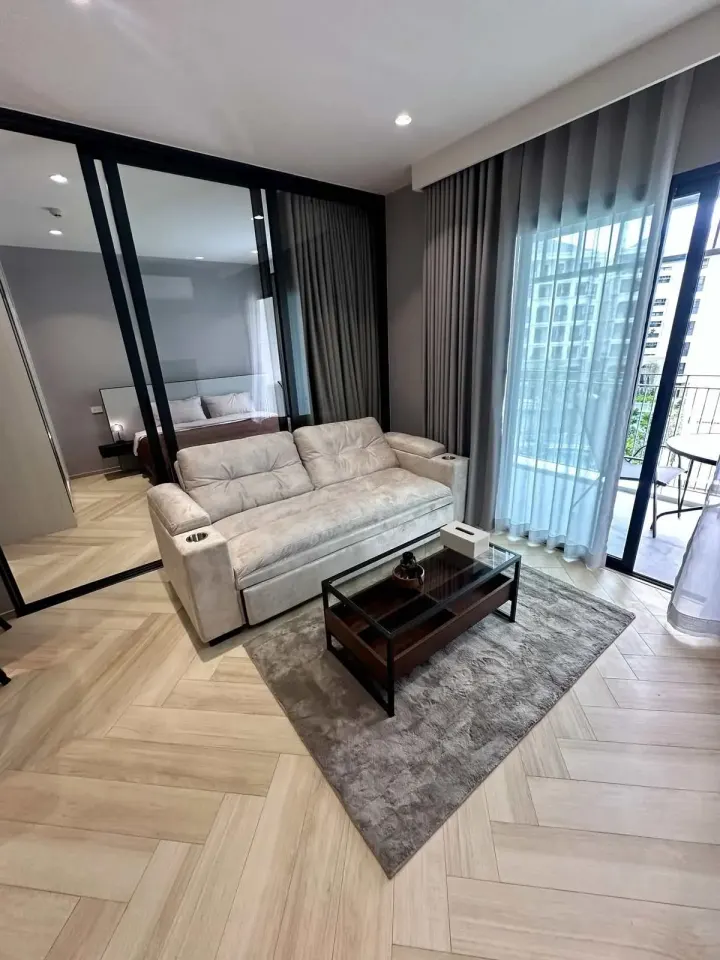
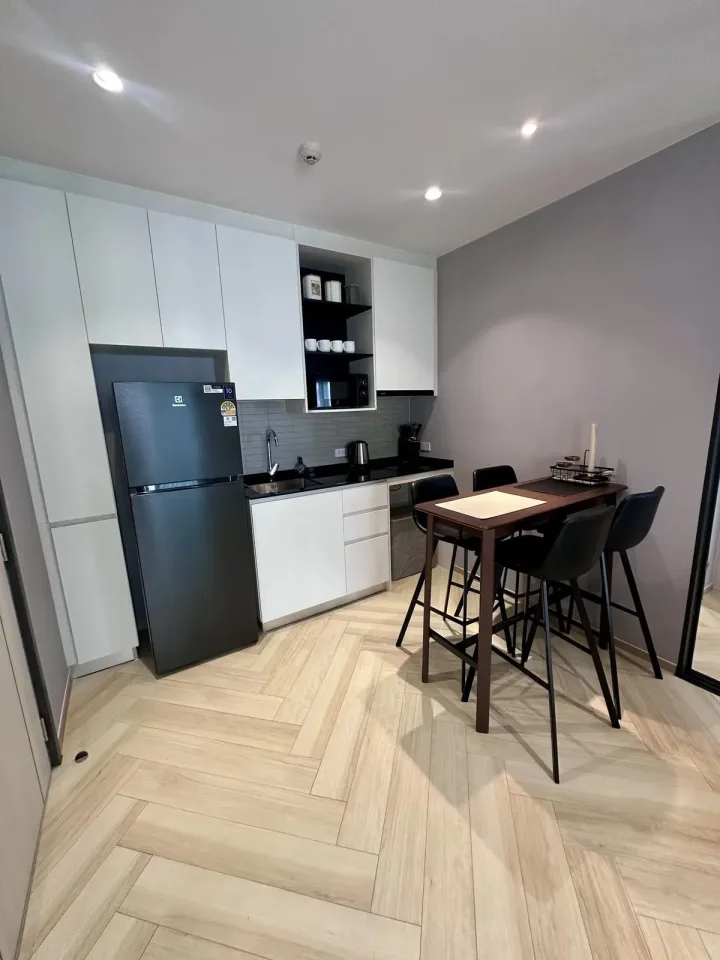
Property type also matters. A studio in Pattaya, a beach-area condo in Phuket, and a pool villa all work differently. They have different expenses, tenant profiles, and levels of seasonality.
Investors should answer several questions in advance:
which rental format is planned;
who will manage the property;
what occupancy is realistic during the low season;
which expenses remain with the owner;
how quickly the property can be rented again;
whether there is long-term demand;
how strong the competition is in the area;
how the property compares with similar listings.
This gives a more realistic picture than rental yield promised in a sales presentation.
What to Check Before Buying Rental Property
Before buying property in Thailand for rental income, buyers should look deeper than project visuals and promised yield. Seasonality should be part of the due diligence.
The location needs to be assessed carefully. In Pattaya, buyers should compare Jomtien, Wongamat, Pratumnak, Na Jomtien, East Pattaya, and Central Pattaya. In Phuket, they should compare Bang Tao, Laguna, Layan, Kamala, Rawai, Nai Harn, Kata, Karon, and Cherng Talay.
It is also important to understand the tenant profile: a tourist for one week, a winter visitor for three months, a family for one year, a remote worker, or an expat.
Buyers should also understand who manages property in Thailand after purchase: the owner, an agent, or a property management company. This affects occupancy speed, service quality, property condition, and final income.
Building rules should be checked in advance. Some condominiums limit short-term rentals. For villas, buyers should understand who handles the pool, garden, repairs, and tenant communication.
Owners should also check expenses: building maintenance fee, sinking fund, utilities, internet, cleaning, management commission, repairs, and taxes.
Seasonality does not make a property weak by itself. It simply needs to be calculated. A good property in the right location can generate rental income in both Pattaya and Phuket. The strategy should be selected before the purchase.
The main conclusion is simple: rental property should be judged by how it performs throughout the year. Real rental yield appears when the owner understands seasonality, expenses, risks, management, and realistic occupancy.