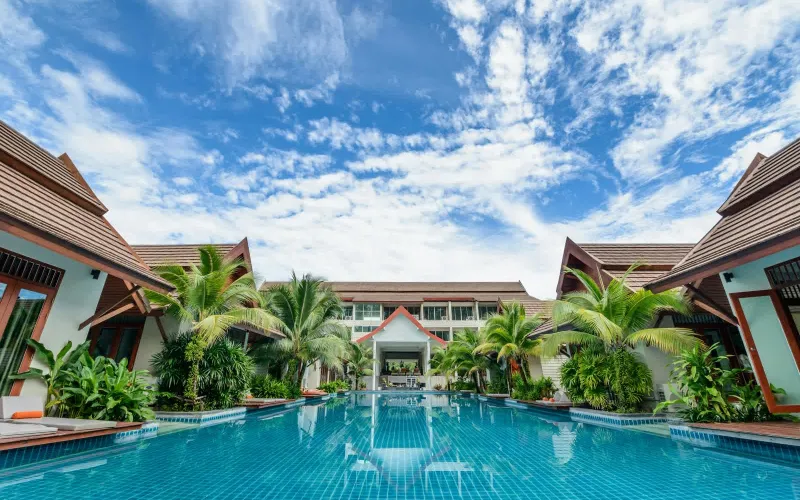
Buying property in Thailand often starts with an attractive story. A sales manager shows renderings, explains why the area is growing, talks about rental demand, flexible payments, rising prices after launch and a smooth purchase process. At first glance, everything may sound reasonable: the beach is nearby, tourism is strong, the project looks modern and the launch price seems lower than the future price.
The risk starts when a promise remains only in a presentation, chat message or sales conversation. For a buyer, the key documents are the reservation agreement, sale and purchase agreement, payment schedule, ownership structure, transfer costs, management rules and the developer’s track record. If a promise is not written clearly, it should be treated carefully.
Guaranteed rental return
One of the most common promises is a fixed rental return. Buyers may hear about 5–10% annual income, high occupancy, professional management and regular payouts. This can sound especially attractive when the property is bought for investment.
The important part is not only the percentage. The buyer should understand who pays the return, where the money comes from, how long the program lasts, when payments start and what happens if occupancy is lower than expected. It is also important to check whether maintenance, repairs, furniture, taxes, management fees and tenant search costs are included.
If the rental return appears only in a brochure, it is a weak foundation. The contract should state the payment amount, payment schedule, program duration, exit terms and the responsibility of the party promising the income.
Limited-time discount
“Today only” discounts are often used to speed up a reservation. Sometimes the discount is real: a developer may offer an early launch price, promote specific layouts or try to reach a sales target during a new phase.
The risk appears when urgency becomes the main reason to buy. A buyer who is afraid of missing the deal may overlook ownership structure, payment terms, transfer costs, refund rules, construction status, location quality and the developer’s background.
A strong property can survive due diligence. If the sales team pressures you to reserve immediately and avoids direct answers, it is safer to pause.
Flexible payment plan
A developer payment plan can be convenient. The buyer pays a reservation fee, then makes staged payments during construction and settles the remaining amount closer to completion. This is common for new developments in Thailand.
The buyer should check payment dates, payment amounts, late-payment penalties, rules for construction delays, deposit refund terms and whether payments are linked to real construction progress. Extra attention is needed when a large part of the price is paid long before the property is ready.
A flexible payment plan does not make the purchase safe by itself. Without checking the project, documents and contract, a comfortable payment schedule can create a false sense of security.
Promised price growth
Another common argument is that the property will rise in value after completion. In some projects, prices do increase from early launch to completion. This depends on the area, project quality, demand, competition, management and the wider market.
Future price growth should never be treated as guaranteed. A developer may show successful past projects, a strong location and limited supply, but the future resale price still depends on the market. If many similar projects enter the area, if completion is delayed or if the final quality is weaker than expected, resale performance may be lower than the sales pitch suggests.
Instead of relying on the phrase “the price will go up,” buyers should look at actual transactions, competing projects, liquidity, ownership costs, rental demand and management quality after completion.
Sea view and infrastructure
Renderings usually look better than reality. A sea view may depend on the floor, angle, building position and future construction on nearby land. Nearby infrastructure may be shown in the presentation, while part of it is still planned. “Five minutes to the beach” may mean five minutes by scooter rather than an easy walk.
Before reservation, check the exact floor, window direction, nearby vacant plots, real route to the beach, access to shops and connection to main roads. For personal living, these details matter as much as the price.
For rental use, the practical side is also important: access, beach distance, cafés, transport, parking, security, pool, gym and property management. A beautiful concept without daily convenience can be harder to rent than expected.
Buyback promises
Some projects offer a buyback promise after several years. On paper, the idea may sound safe: you buy the property, use it or rent it out, and later the developer buys it back at a stated price.
This requires careful review. The buyer should check who exactly promises to buy the property back, whether the promise is included in the contract, what price is written, what conditions apply, which fees may appear and whether the developer has the right to refuse the buyback.
If the buyback is presented as a safety guarantee, ask for the written contract and have it reviewed before paying. Without written terms, it remains a marketing promise.
What to check before paying
Before paying a reservation fee, ask for the reservation agreement, deposit refund terms, payment schedule, ownership structure, furniture and finishing list, transfer costs, maintenance fees, sinking fund, management rules and handover conditions.
For off-plan property, also check land documents, construction permit, completion timeline, delay terms, the developer’s track record and completed projects.
Clear answers, documents and enough time for review are positive signs. Vague replies, changing timelines, refusal to share the contract in advance and pressure to pay immediately are warning signs.
Red flags
Buyers should be careful with high rental returns without calculations, urgent discounts, refusal to send the contract before reservation, unclear payment schedule, vague completion dates, pressure to make a quick decision, and promises that everything will be “handled later.”
Phrases such as “the price will definitely grow,” “this is the last unit,” “you do not need a lawyer,” “all buyers do it this way,” or “the deposit will be returned even if it is not written” should be checked through documents.
Conclusion
A reliable developer is not afraid of questions. A good project can be checked calmly: documents, contract, payment plan, timeline, ownership structure, purchase costs and management conditions. Attractive promises are not the problem by themselves. The problem appears when those promises cannot be confirmed in writing.
If you are considering an off-plan property in Thailand, do not make a decision only from renderings, presentations or sales messages. First check the terms, compare the project with alternatives and then decide whether the reservation makes sense.
For a deeper checklist, read our separate guide: How to Check a Developer in Thailand Before Buying Property.