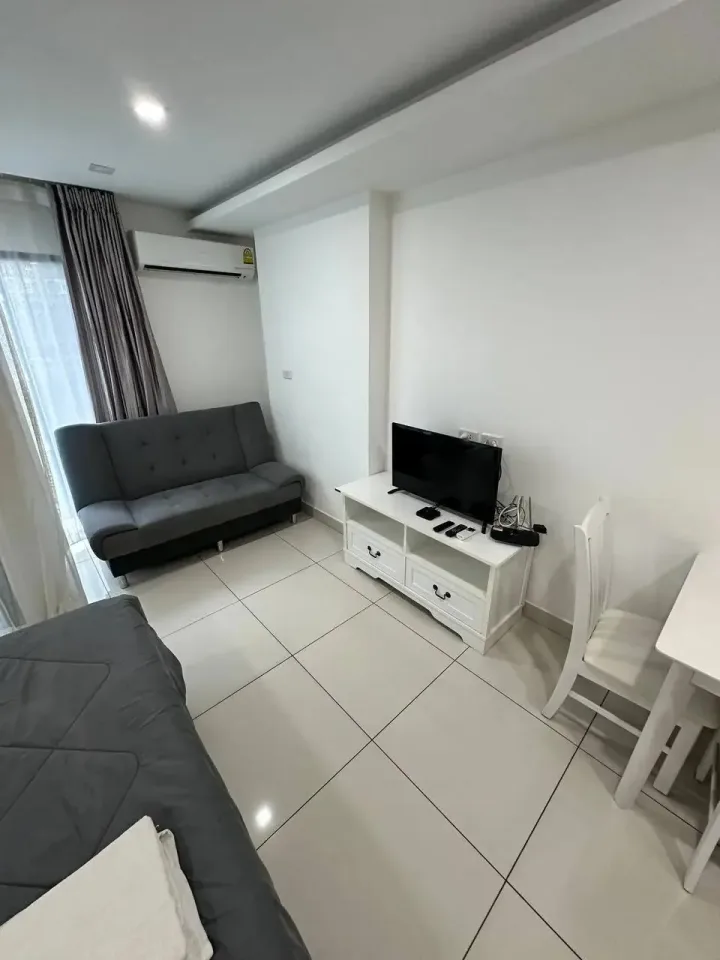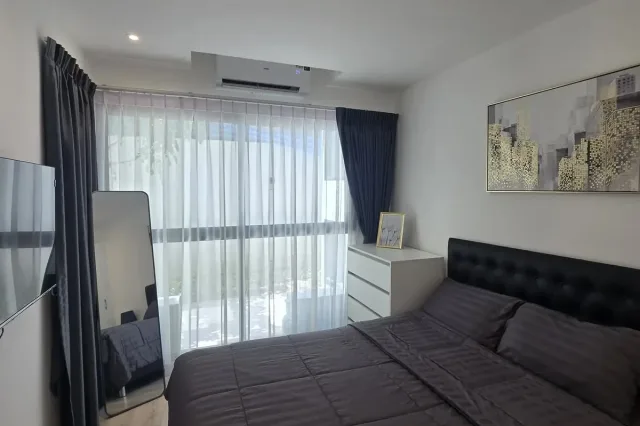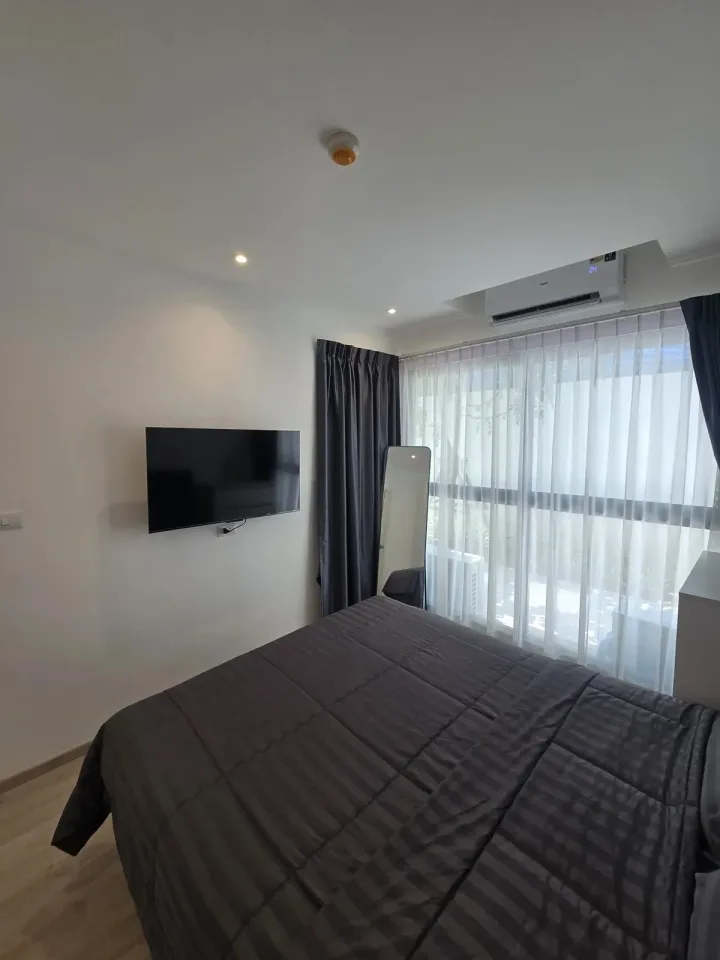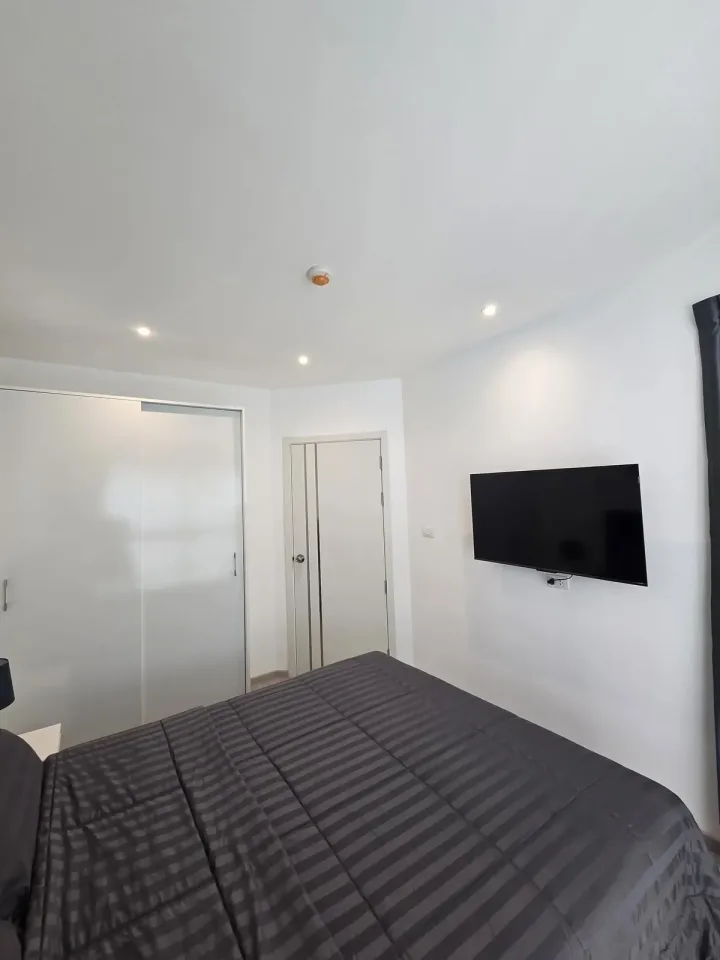
Market rent is a supported price range for a specific property, location, lease term and season. A reliable estimate comes from comparing several similar rental offers. One listing reflects one owner's expectations, while a clean sample provides a clearer view of the local market.
The calculation requires the property's characteristics, current competing offers, payment terms and listing dates. The result should contain a lower, central and upper price boundary.
Start with a profile of your property
Record the unit's main characteristics before collecting comparables. This profile will help remove unsuitable offers at an early stage.
- city, district and residential development;
- property type;
- number of bedrooms and bathrooms;
- usable area;
- floor and view;
- condition and renovation quality;
- furniture and appliances;
- shared facilities;
- minimum lease term;
- expenses included in the monthly rent;
- date available for occupancy.
Run the comparison within one local market. Current examples can be collected from Pattaya rental properties and homes for rent in Phuket. Keep the two city samples separate.
Which properties qualify as comparables
A strong comparable sits in the same development or nearby part of the district and has a similar bedroom count, usable area and condition. For villas, include land size, private pool, parking and grounds maintenance.
Lease terms should match. A one-month offer and a twelve-month contract usually belong to different price groups.
| Factor | Information to record | Purpose |
|---|---|---|
| Location | Development, district and access to key places | Defines the local demand pool |
| Property type | Condo, house or villa | Separates different tenant groups |
| Size | Total and usable area | Supports layout comparison |
| Features | Bedrooms, floor, view, furniture and condition | Explains price differences |
| Lease terms | Duration, deposit and advance payment | Affects monthly pricing |
| Included costs | Water, electricity, internet and maintenance | Shows the tenant's total housing cost |
| Listing date | Publication and update dates | Measures price relevance |
A consistent structure is easier to build with a property comparison table. Add dedicated columns for monthly rent, lease length and included expenses.
Clean the comparable sample
A useful sample contains at least five current offers. A larger group of closely matched properties within the same development or district usually produces a stronger range.
Remove the following entries:
- duplicate listings for the same property;
- offers with outdated publication dates;
- daily and weekly prices in an annual lease comparison;
- units with a different bedroom count;
- recently renovated homes mixed with average-condition units;
- offers carrying compulsory service charges;
- promotional rates limited to selected dates.
Calculate the base rental range
- Convert every offer into a monthly amount in Thai baht.
- Group offers by lease duration.
- Record utilities and extra services in separate columns.
- Calculate monthly rent per square metre as a supporting measure.
- Sort monthly rents from lowest to highest.
- Identify the central group of closely spaced values.
Rent per square metre = monthly rent ÷ usable area.
This measure helps identify outliers within one property format. Small studios often carry a higher rate per square metre than larger homes. Final pricing should also reflect layout efficiency, features and tenant demand.
The lower boundary supports a faster tenant search. The central range represents the most likely achievable rent. The upper boundary requires clear advantages such as a renovated interior, attractive view, quality furnishings or a rare layout.
Apply adjustments for property differences
An adjustment explains why the subject property deserves a higher or lower rate than a selected comparable. Fixed percentages across an entire market provide limited accuracy. Matched pairs inside one development offer stronger evidence of the value attached to a feature.
| Factor | Possible effect | How to measure it |
|---|---|---|
| Floor and view | Higher or lower monthly rent | Compare similar units in the same building |
| Layout | Premium for efficient use of space | Compare units with similar floor areas |
| Furniture and appliances | Premium for move-in readiness | Check the inventory of each comparable |
| Condition | Premium for renovation or discount for wear | Review photographs and update dates |
| Facilities | Value from pools, gyms, parking and security | Compare developments of a similar standard |
| Lease term | Lower monthly rate for a longer commitment | Separate offers by contract duration |
| Included costs | Change in the tenant's total housing budget | Compare payment responsibilities |
Asking rent and achieved rent
Asking rent is the amount requested when a property is advertised. Achieved rent reflects the signed agreement, including lease duration, negotiation and included services.
Fresh listings show current owner expectations. A long time on the market indicates weaker demand at the advertised terms. Give older offers less weight in the final calculation.
Whenever a confirmed contract amount or negotiated reduction is available, record it separately. A completed lease provides stronger evidence than an ageing advertisement.
Account for season and lease duration
Pattaya and Phuket are influenced by tourism cycles, while long-term rental prices usually experience softer seasonal movement. Compare listings published during similar periods.
An annual lease provides more predictable occupancy. Shorter stays may support a higher monthly amount together with greater tenant acquisition, cleaning, check-in and maintenance costs.
Measure seasonality through changes inside the same development. Mixing unrelated districts can combine seasonal effects with location differences.
Validate the price after publication
Tenant behaviour provides the final test. Track enquiries, viewing requests, follow-up questions and willingness to discuss the lease.
| Period | What to review | Owner action |
|---|---|---|
| Days 1–7 | Views and initial enquiries | Review photographs, description and terms |
| Days 8–21 | Qualified enquiries and viewings | Compare the rate with fresh offers |
| Days 22–30 | Reasons for rejected offers | Move towards the lower part of the range |
| More than 30 days | New supply and demand changes | Rebuild the comparable sample |
High enquiry volume without an agreement may point to deposit requirements, lease length, occupancy rules or additional charges. Low visibility calls for a review of presentation quality and price position.
Separate market rent from net income
Market rent measures the monthly amount tenants are prepared to pay. Net income is the owner's remaining amount after management, maintenance, repairs, taxes and vacancy periods.
Before approving the final rate, review the main rental property owner expenses in Thailand. They help establish the financial result and a sustainable lower boundary.
Final calculation sequence
- Record the property's features and lease terms.
- Collect current offers from the selected location.
- Remove duplicates, outdated listings and different property formats.
- Standardise monthly rents and contract lengths.
- Set lower, central and upper boundaries.
- Apply evidence-based adjustments.
- Publish the property within the calculated range.
- Review market response after 7, 21 and 30 days.
- Update the calculation when new comparable offers appear.
This process turns rental pricing into a traceable decision. The owner can see the supporting evidence, understand each adjustment and respond to demand changes in time.