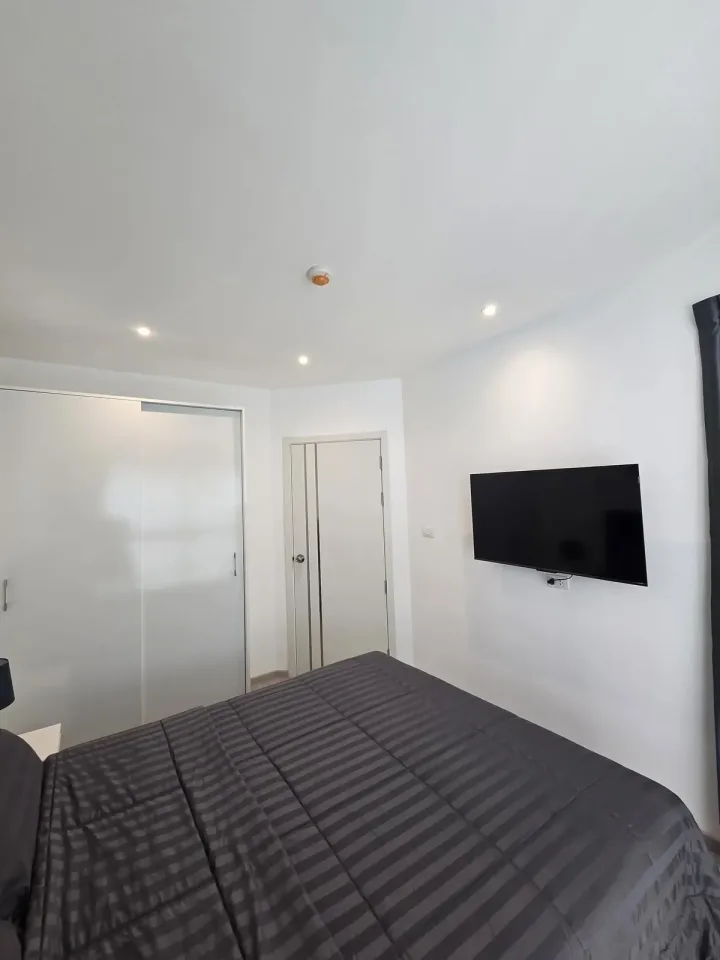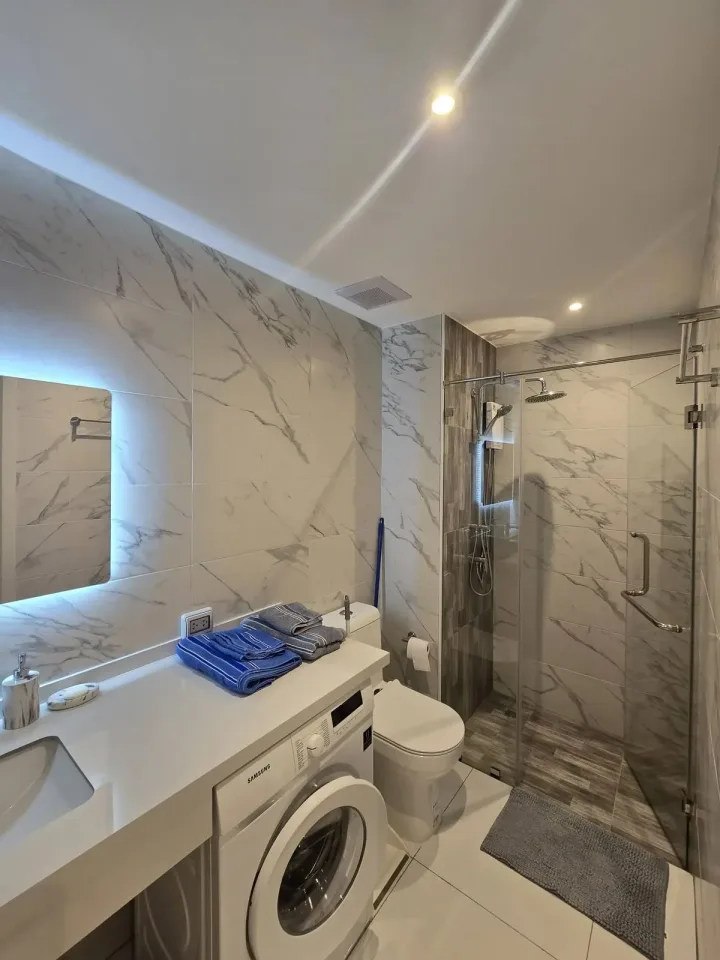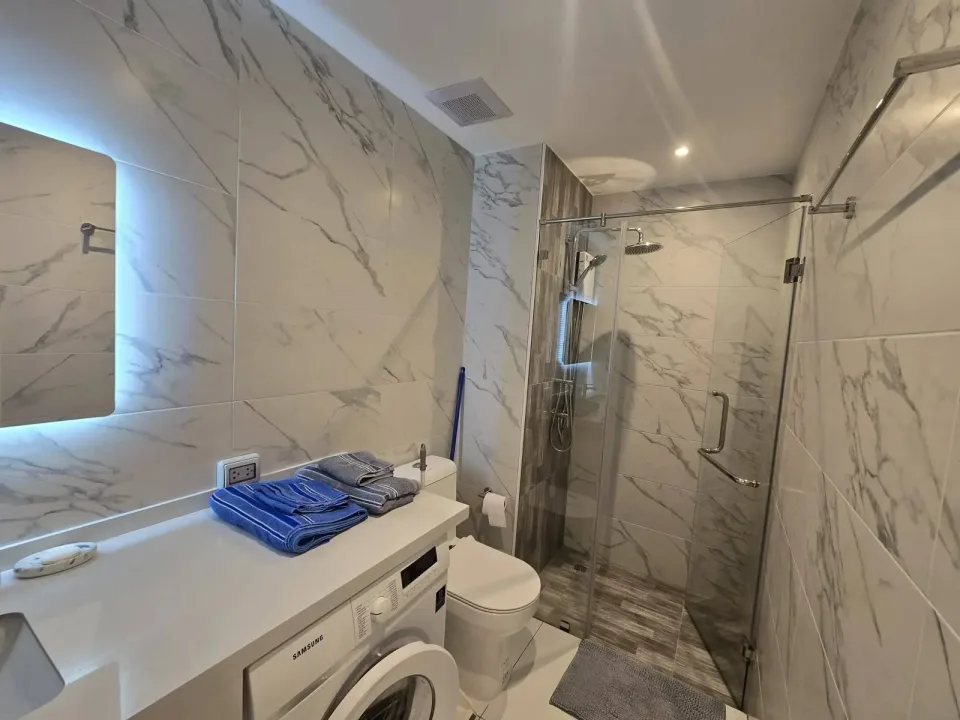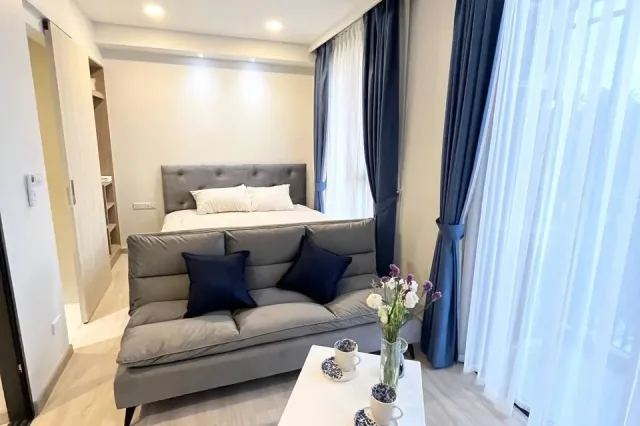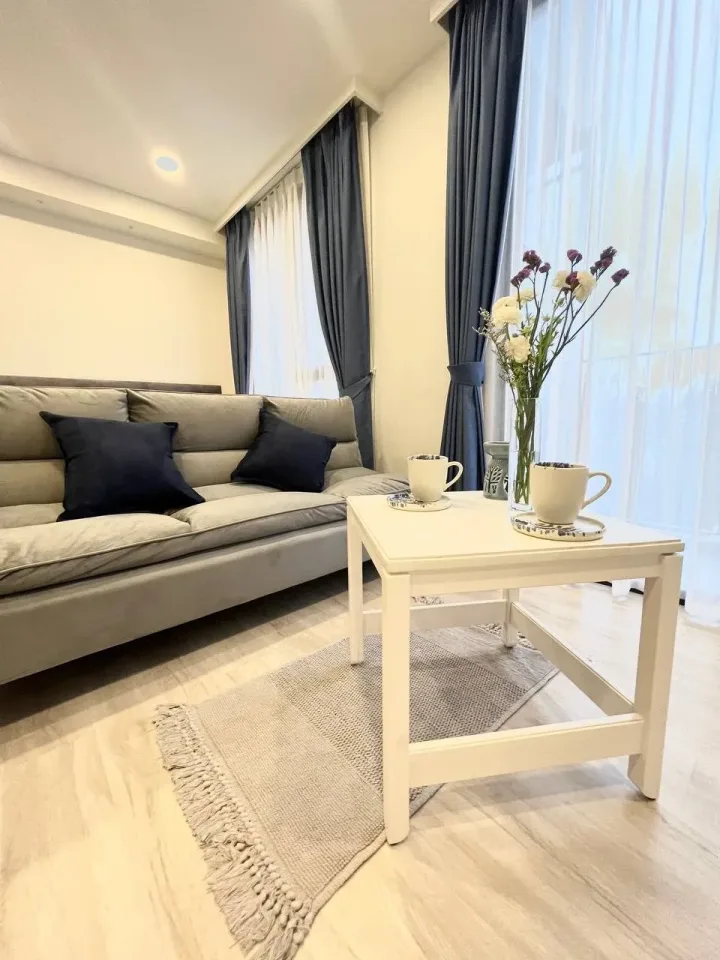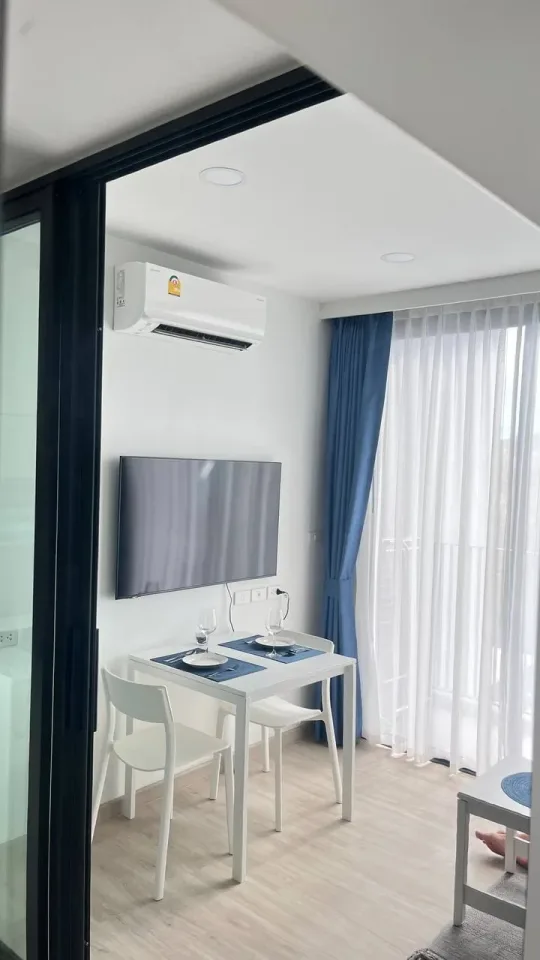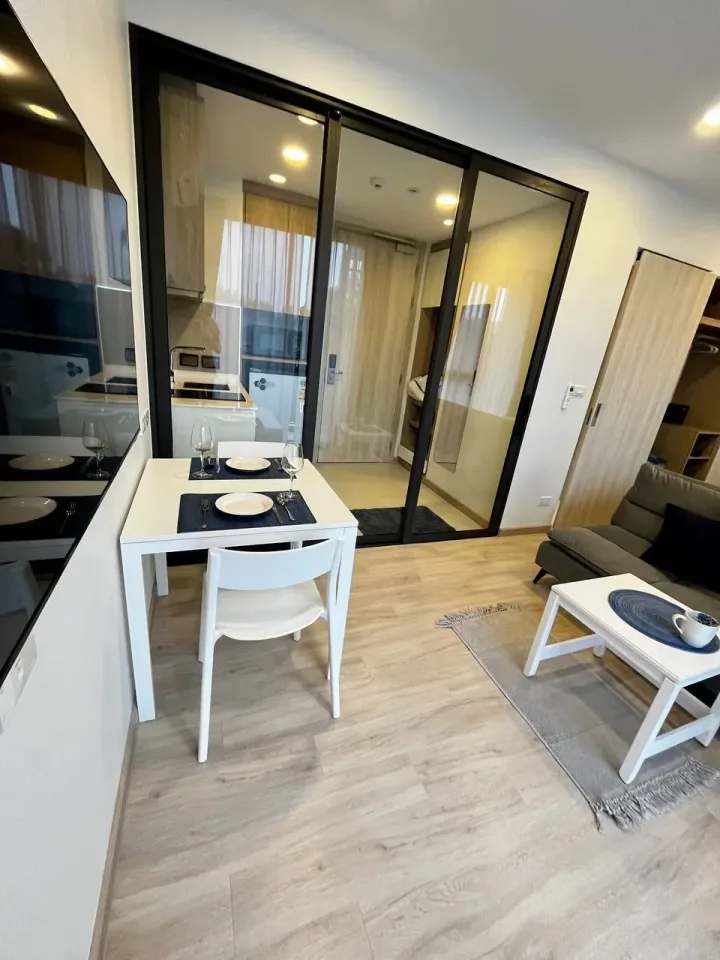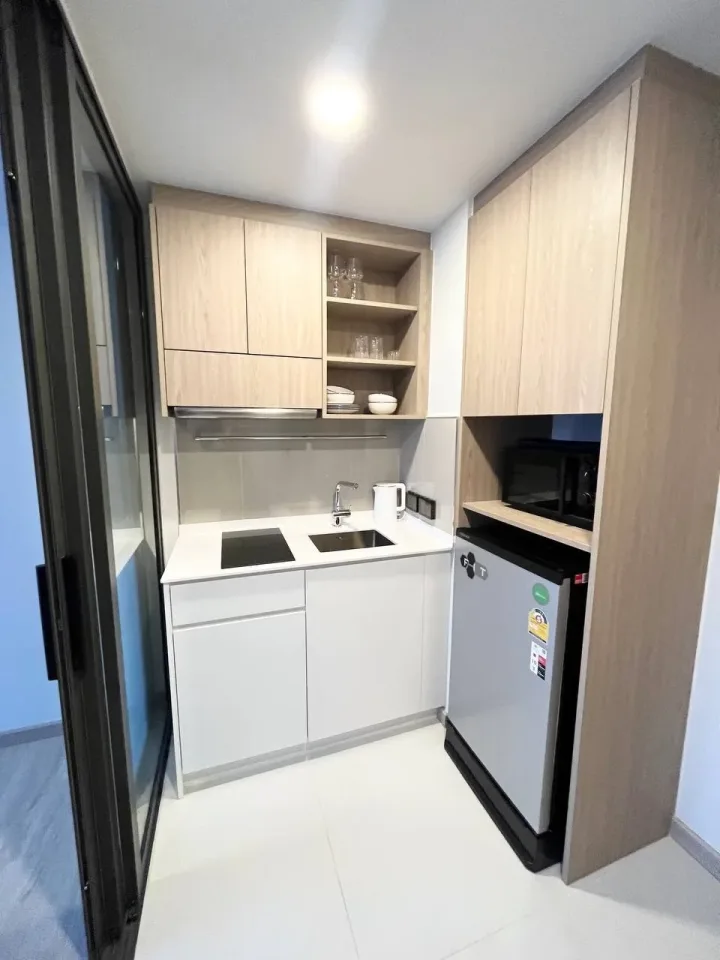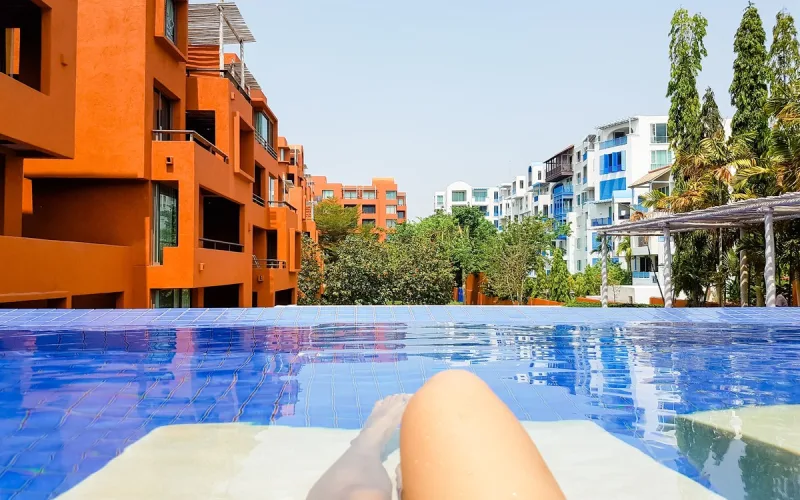
Buying a condo in Thailand for rental demand requires a clear and practical approach. A nice interior, swimming pool and tropical view do not automatically mean that tenants will rent the unit consistently.
Tenants look at property differently from buyers. They care about location, beach access, transport, shops, cafes, building condition, rental price, internet, noise, view, layout and daily comfort.
A rental condo is not just a beautiful unit. It is a property that fits real demand: tourist stays, winter stays, long-term rental or a mixed rental scenario.
Why a beautiful condo does not always mean rental demand
The main mistake is choosing a property through buyer emotions only. A stylish show unit, nice furniture and an impressive pool help sell the project, but rental demand is driven by more practical factors.
Tenants want to know how quickly they can reach the beach, where to buy groceries, where to eat, how to get around, whether the unit is suitable for remote work, whether it is quiet at night, whether there is parking, good internet and proper building management.
If the project looks good but the surrounding area is empty, the beach is inconvenient, transport is weak and construction is nearby, renting it out will be harder. For a rental-focused purchase, start with the future tenant’s daily life scenario.
Location: area, beach, transport and infrastructure
Location is the main filter for rental demand. In Thailand, condos rent better in places where tenants can live without daily inconvenience.
For tourist rental, beach access, cafes, restaurants, massage shops, convenience stores, exchange points, walking areas and access to entertainment are important. For winter stays, tenants often value quiet surroundings, supermarkets, markets, hospitals, gyms, parking and transport.
In Phuket, demand is often concentrated around beach areas and established tourist infrastructure. In Pattaya, Jomtien, Pratumnak, Wongamat, Central Pattaya and areas with easy access to the sea, shops and routes are usually stronger.
If the project is in a developing area, check the current infrastructure separately. Future growth may be good for capital appreciation, but tenants pay for convenience today.
Which condo format is easier to rent
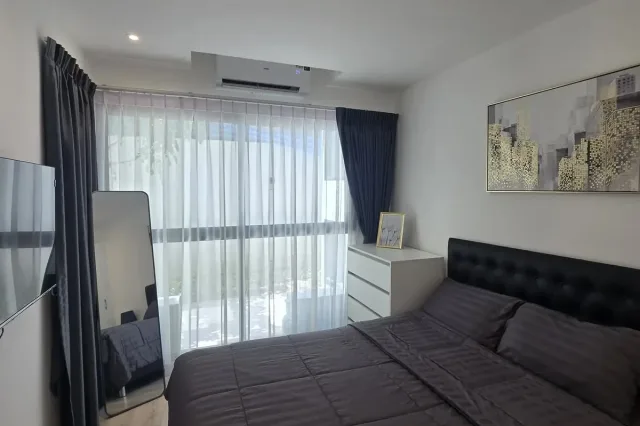
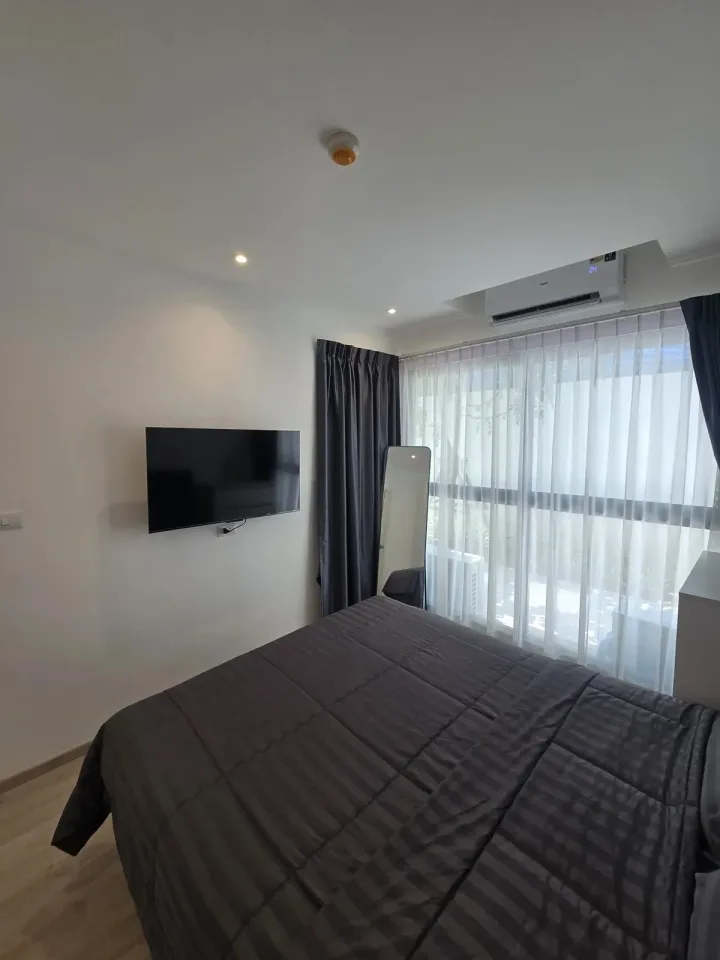
The most universal rental format is a 1-bedroom condo. It works for couples, single tenants, winter stays, remote workers and long-term living. In many cases, around 35–45 sq.m feels more comfortable than a very compact studio.
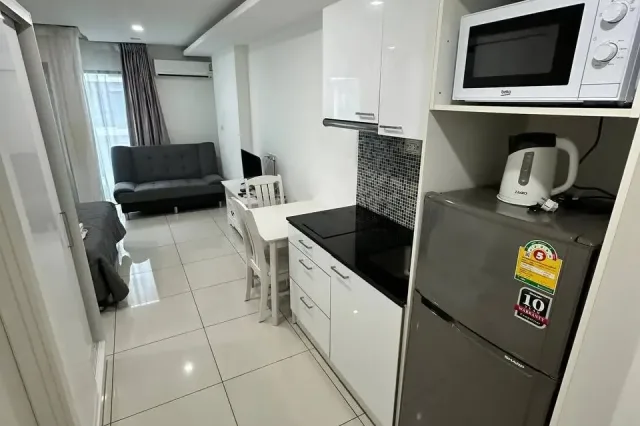
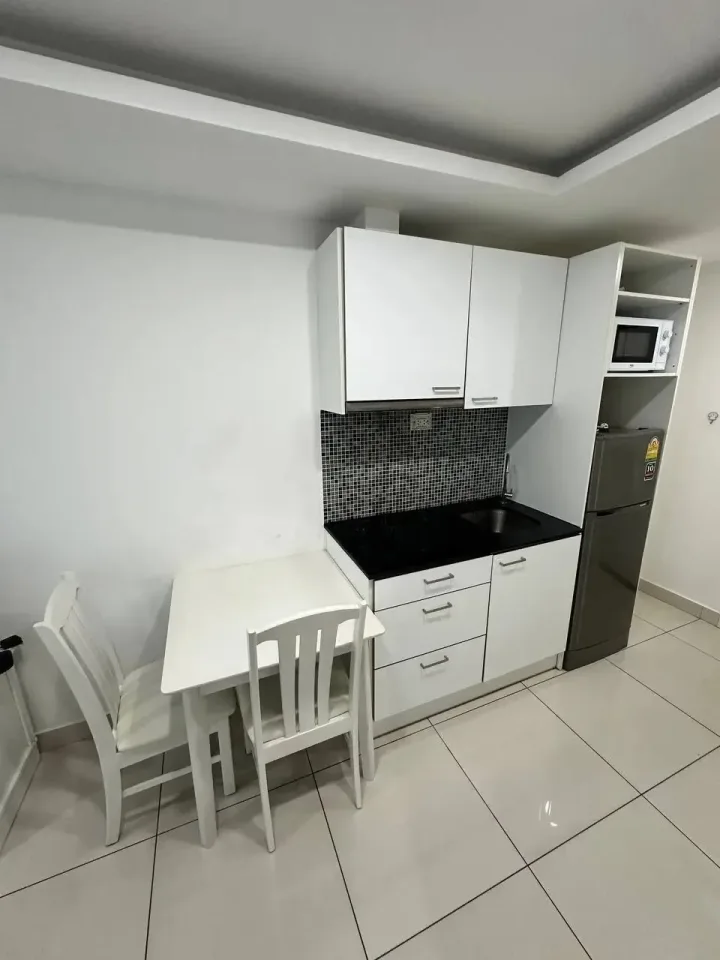
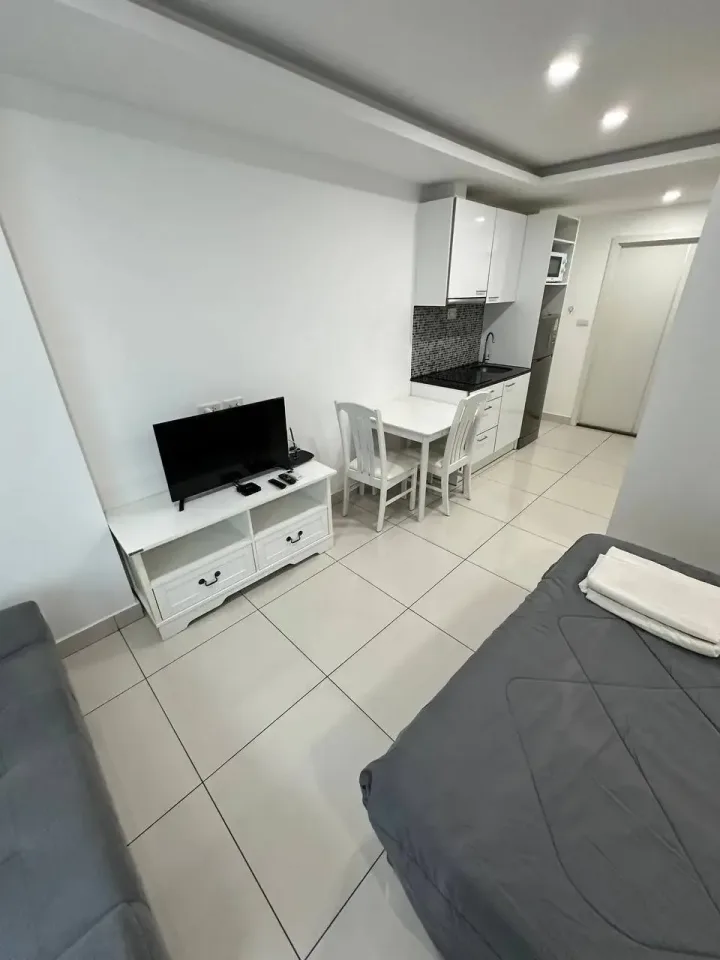
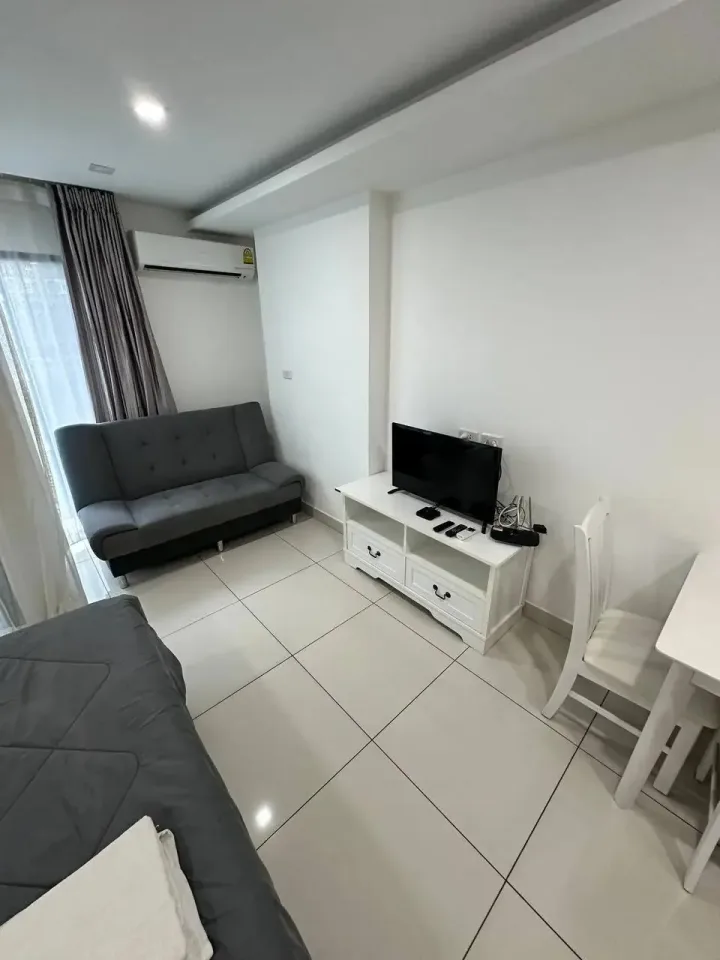
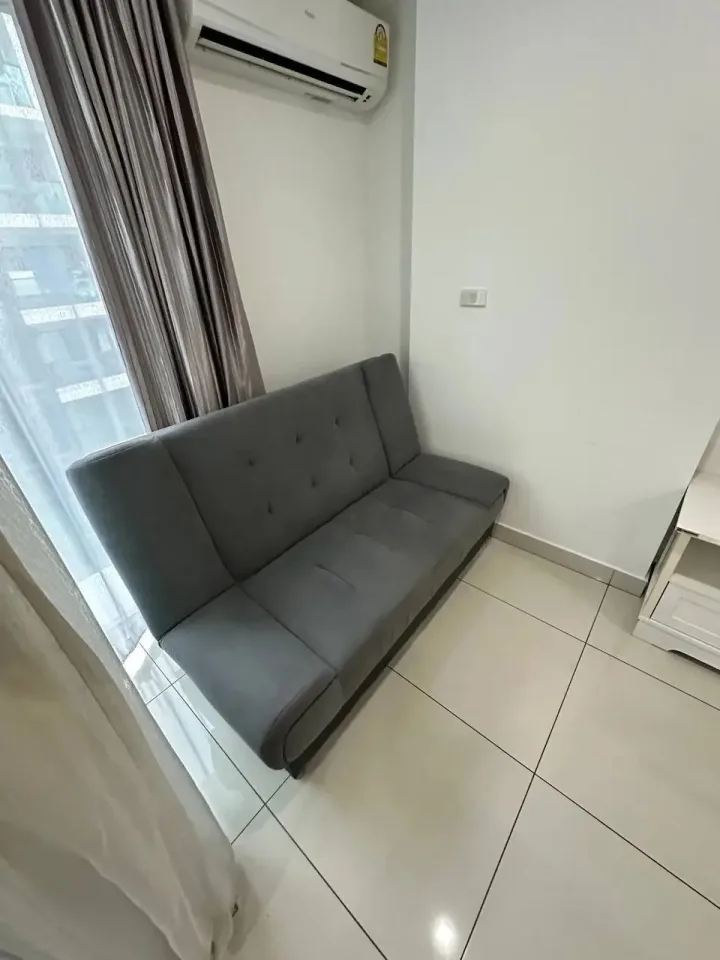
Studios can also work well, especially when the entry price is low and the location is strong. They are easier to rent to tourists, single tenants or short-stay visitors. Still, the studio must be functional: proper bed, storage, kitchen, work space, balcony and good ventilation.
Two-bedroom units suit families, friends and tenants who need more space. They can bring a higher rental rate, but the audience is narrower and the purchase price is higher. This format should be chosen in locations with clear demand for family rental.
View, floor, noise and building condition
Rental performance depends on more than size. Two similar units in the same building can rent differently because of view, floor, noise and internal position.
Units with a pleasant view, good natural light, a comfortable floor, balcony and no direct noise from roads, bars, construction or technical areas usually perform better.
Sea view, pool view or green view can improve appeal, especially in resort areas. But the premium for the view must be calculated. If the price difference is too high, rental yield can become weaker even when the unit looks better.
The condition of the building also matters. Tenants evaluate the lobby, elevators, corridors, swimming pool, fitness room, cleanliness, security and general feeling of the property.
Entry price, costs and real yield
Rental yield in Thailand should not be calculated only from the advertised rental rate. You need to include purchase price, seasonality, vacancy, maintenance fee, sinking fund, utilities, cleaning, management, repairs, taxes and commissions.
In strong locations, buyers often look at gross rental yield around 5–8% per year. In some cases, the number can be higher, especially with active short-term rental. Net yield is usually lower because operating costs reduce the final result.
Before buying, calculate several scenarios: high season, low season, long-term rental, short-term rental, self-management and management through a company.
If the property looks profitable only with perfect occupancy and maximum rental rate, the risk is high. A good rental property should still make sense under a more conservative scenario.
Seasonality: short-term and long-term rental
Rental demand in Thailand depends on season. During high season, rates and occupancy are usually stronger. During low season, some units stay vacant or rent at lower prices.
Short-term rental can generate more income, but it requires active management: guest communication, cleaning, check-in, check-out, small repairs, reviews and quality control. It is also important to check the rules of the building and local restrictions.
Long-term rental is usually calmer. The yield may be lower, but the operational burden is reduced. This format works well for properties near infrastructure, schools, hospitals, office areas, transport and expat residential districts.
The best rental property can work in several scenarios. For example, it can be rented at a higher rate during winter months and then switched to longer rental during quieter periods.
Property management and building rules
Even a good unit can underperform without proper management. If the owner lives abroad, they need a person or company to handle tenants, cleaning, repairs, payments, photos, listings and communication.
Before buying, check whether short-term rental is allowed, whether there is a rental program, what commission the management company charges, how income is paid, who handles repairs, how the unit condition is controlled and who manages reviews.
Also check competition inside the building. If many similar units are available for rent in the same project, tenants will compare price, view, floor, furniture and reviews. A weaker unit can lose even in a strong complex.
Checklist before buying a rental condo
Before buying a condo in Thailand for rental demand, go through a practical checklist.
Check the area, beach distance, transport, shops, cafes, restaurants, markets, hospitals, schools, gyms and walkability. Define your target tenant: tourist, winter visitor, family, remote worker or long-term expat.
Review layout, size, view, floor, noise, balcony, furniture, kitchen, storage, work space, internet and building condition. Compare the purchase price with real rental rates, not only with sales promises.
Check rental rules, property management, costs, taxes, maintenance fee, sinking fund, possible vacancy and competition in the same building.
The main idea is simple: a condo in Thailand for rental income should be chosen by demand, not by fantasy. A strong property should make sense to the future tenant: convenient location, fair rental price, practical layout, active infrastructure and realistic yield calculation.