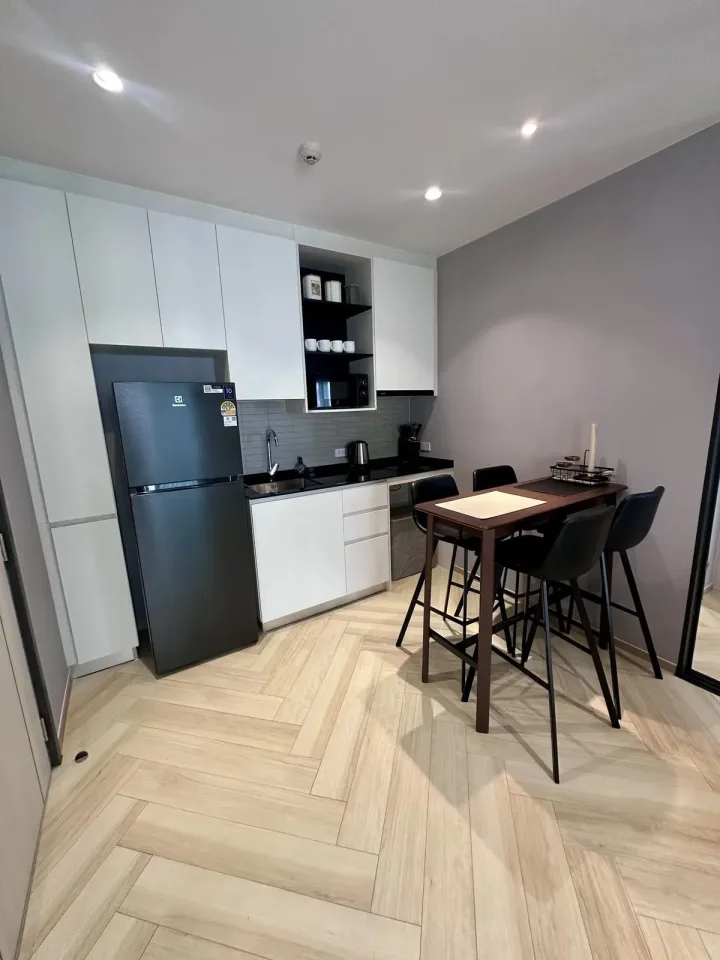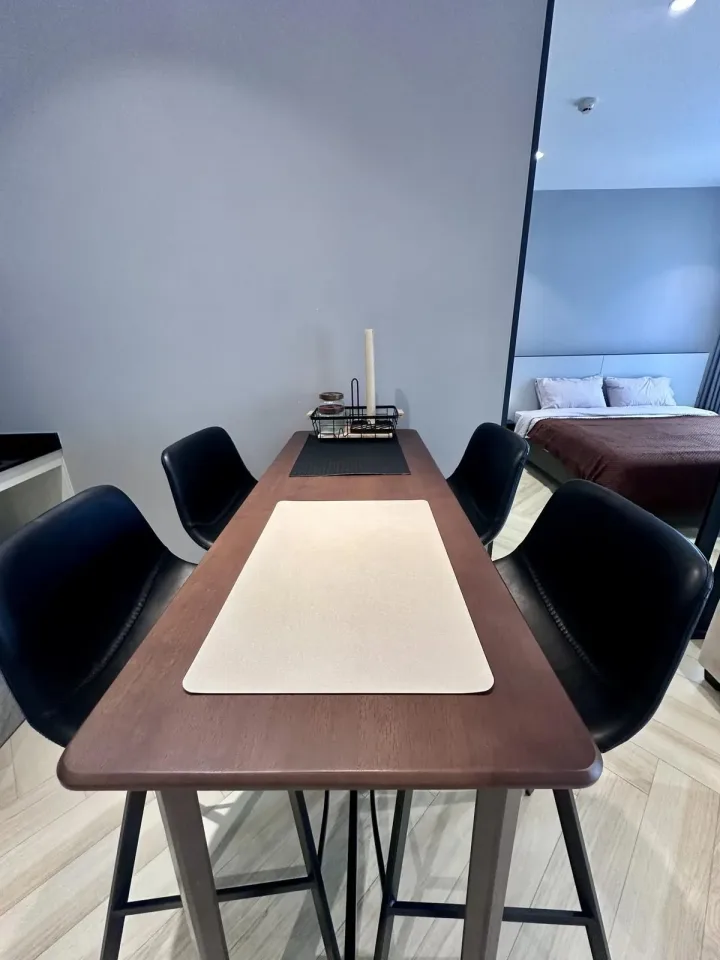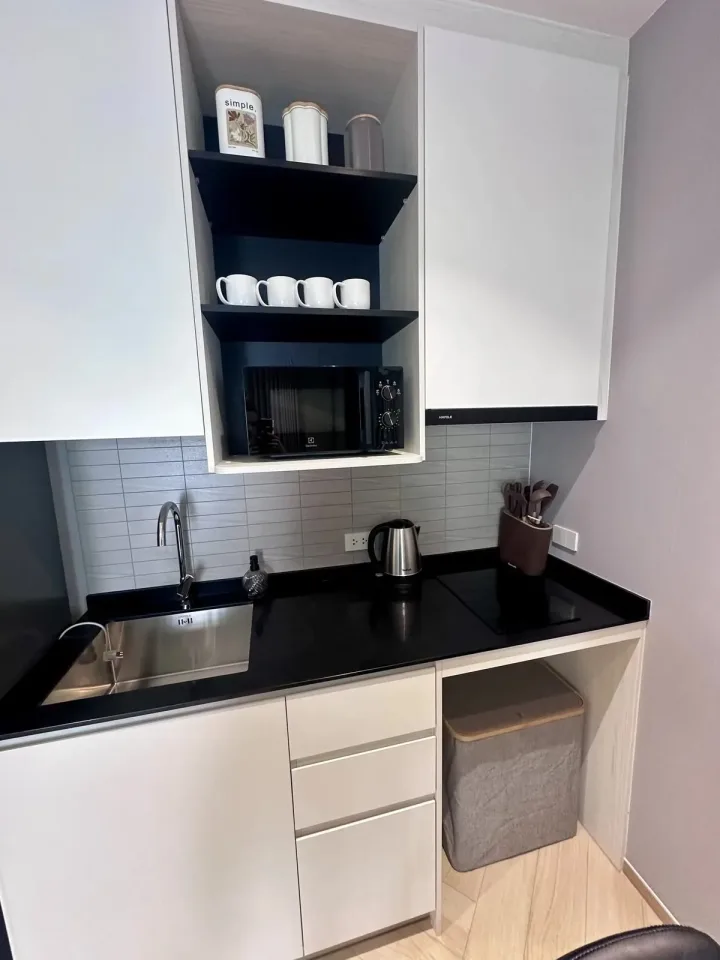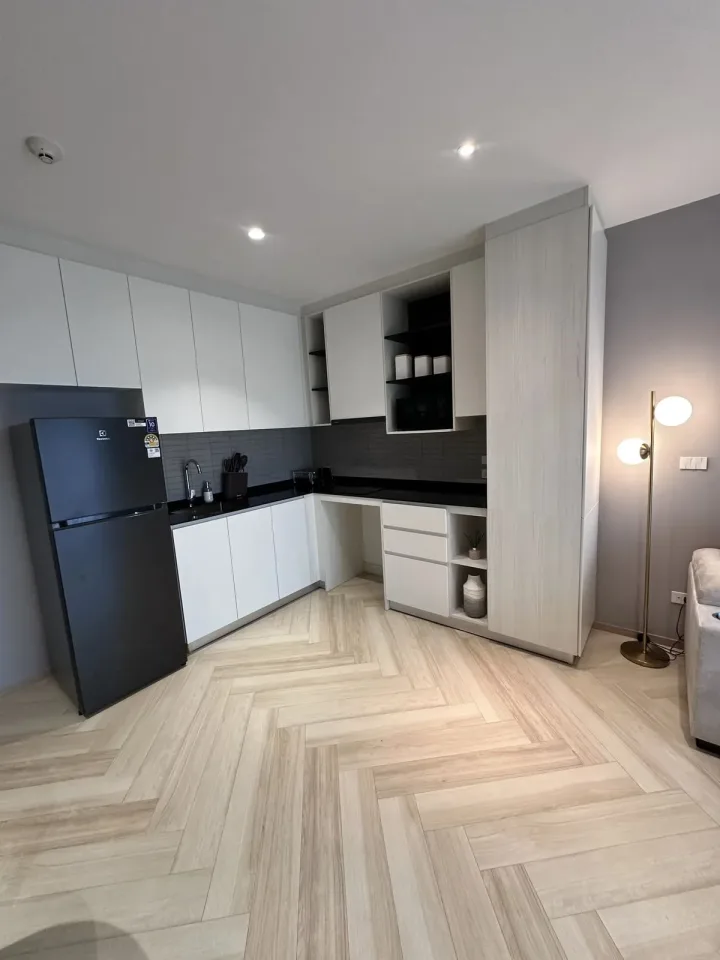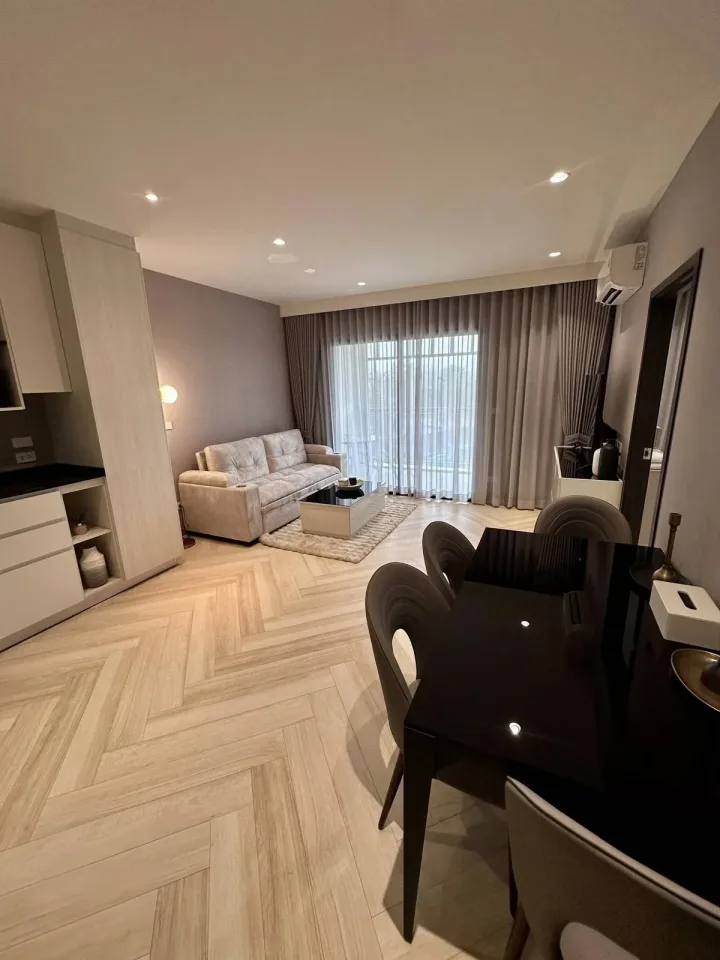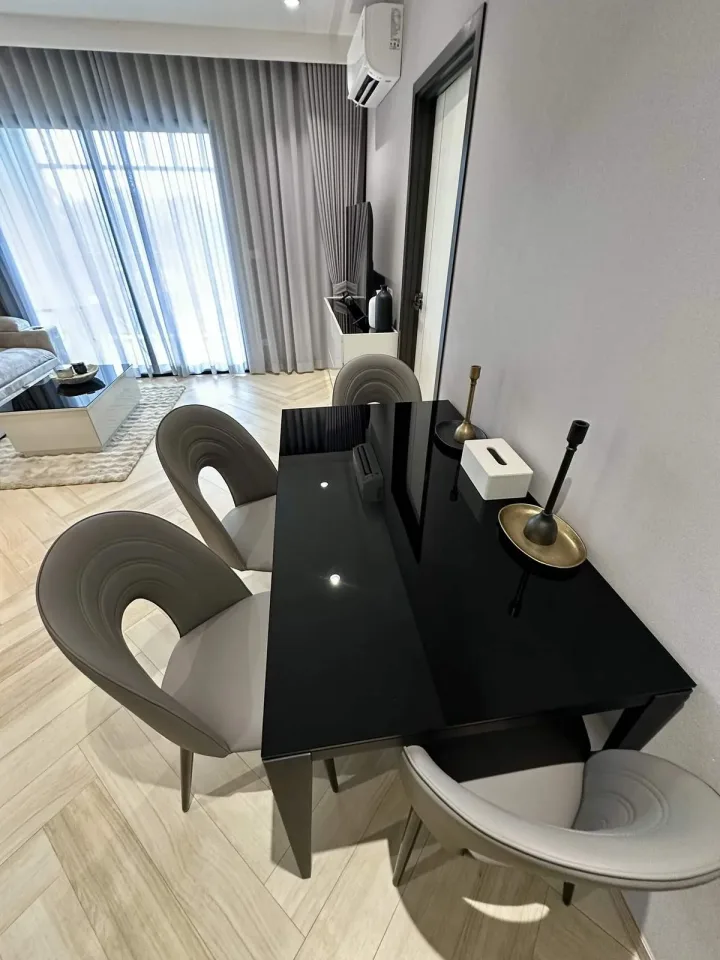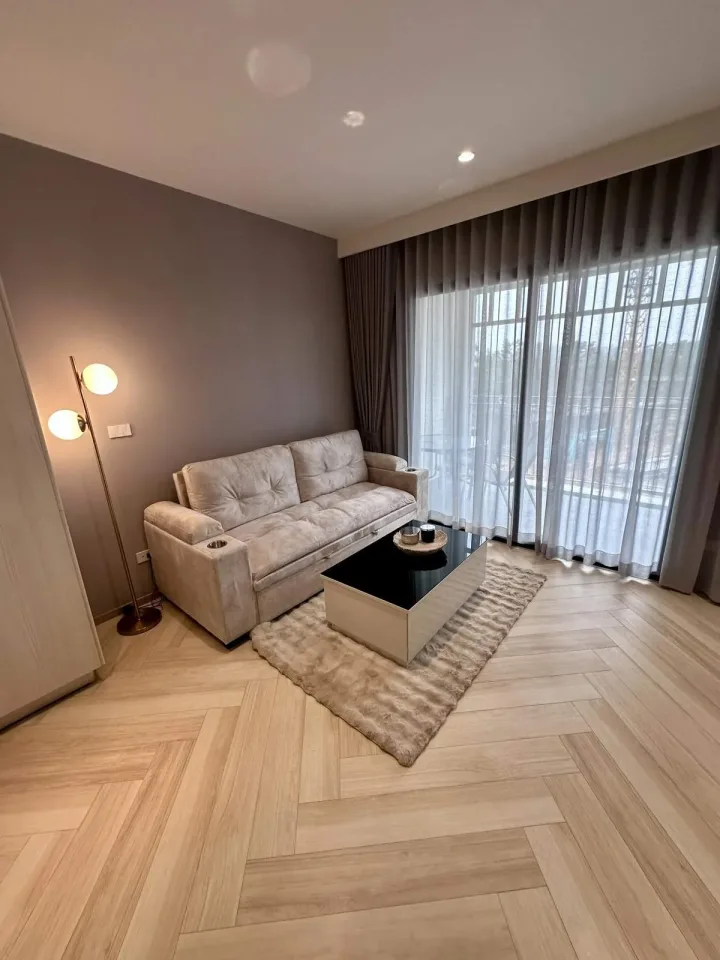
Renting an apartment or villa in Thailand before arrival can work well when the property, the counterparty and the payment terms are verified in a clear sequence. The main remote-rental risks are outdated listings, promotional photos that do not match the exact unit, and payment requests from people whose authority has not been confirmed.
Before sending a deposit, connect four things: the exact property, the landlord or authorised representative, the written rental terms and the receiving bank account. This approach is especially useful when comparing rentals in Phuket or properties for rent in Pattaya while you are still abroad.
Can you rent property in Thailand before arrival?
Remote renting is most practical for longer stays when a specific property has already been selected and a live video viewing can be arranged. Before reserving it, obtain the exact address, project name, building, unit number or another clear identifier, floor area, floor, rental term and total monthly cost.
For a condominium, confirm the building rules, resident registration procedure, access to shared facilities and any minimum-stay restrictions. For a villa, clarify parking, pool and garden maintenance, utility billing and responsibility for minor repairs.
Keep the agreed terms in writing: monthly rent, contract period, security deposit, move-in date, included services and refund conditions if the property cannot be delivered as agreed.
How to confirm that the listing matches the exact property
Start by connecting the advertisement to one identifiable home. Ask for the exact unit or villa number, building, floor, size and view. These details should remain consistent across the messages, live viewing and draft lease.
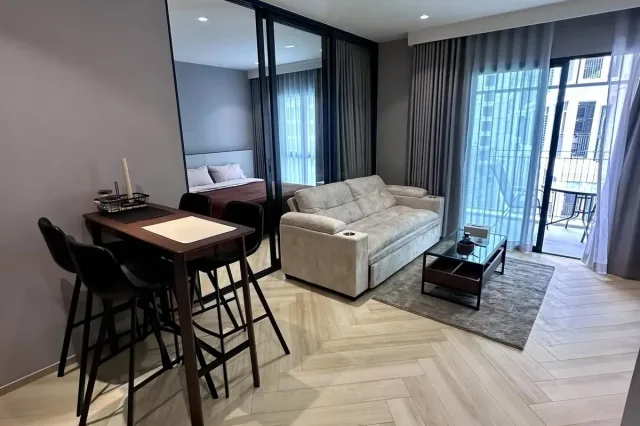
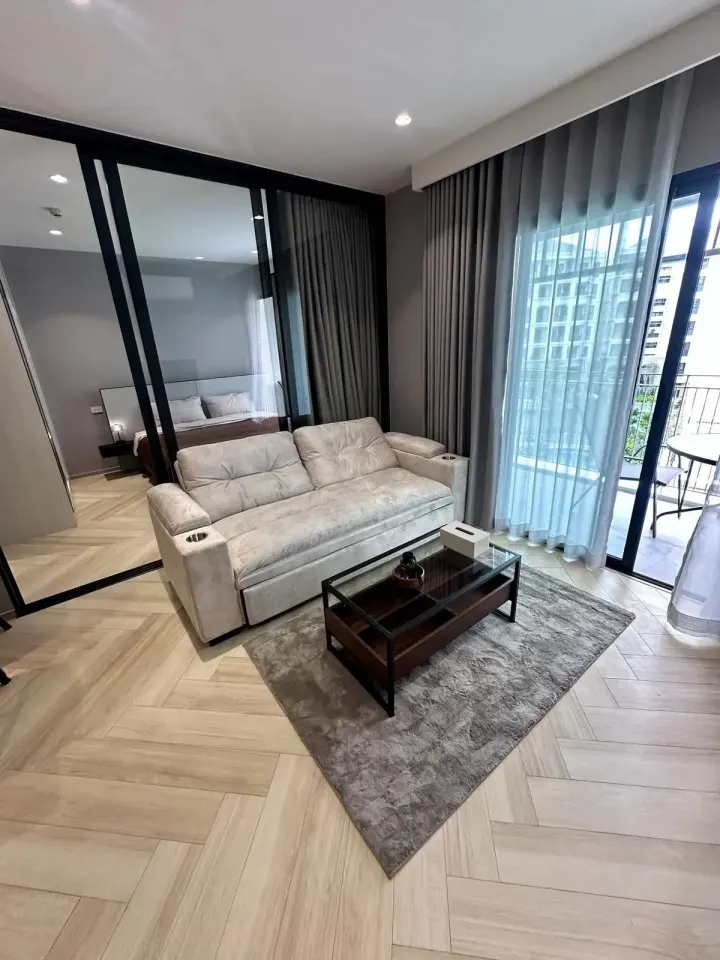
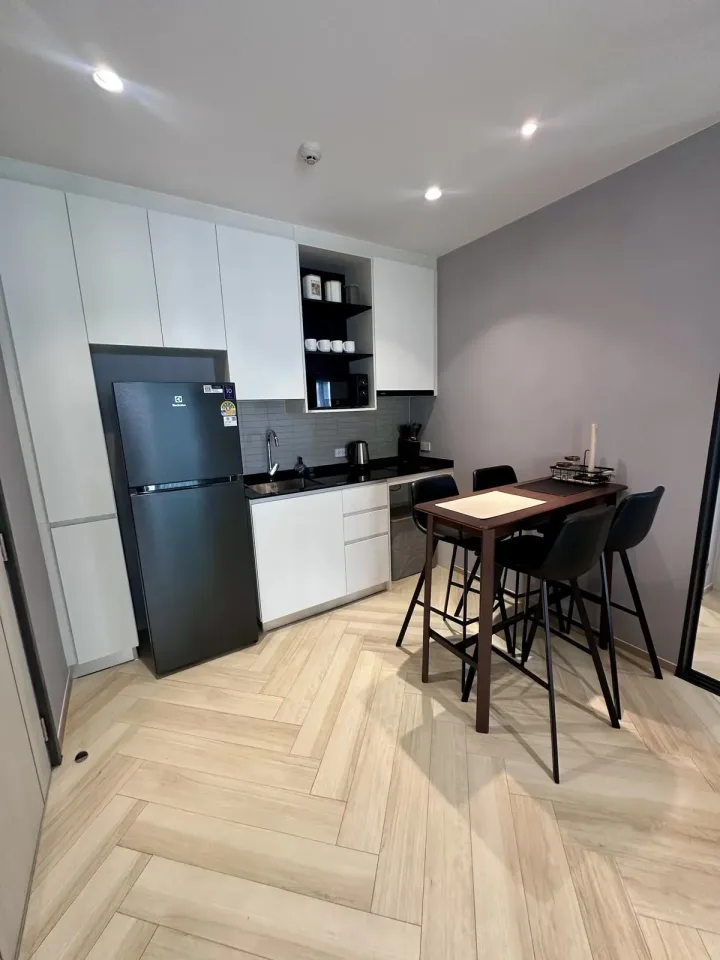
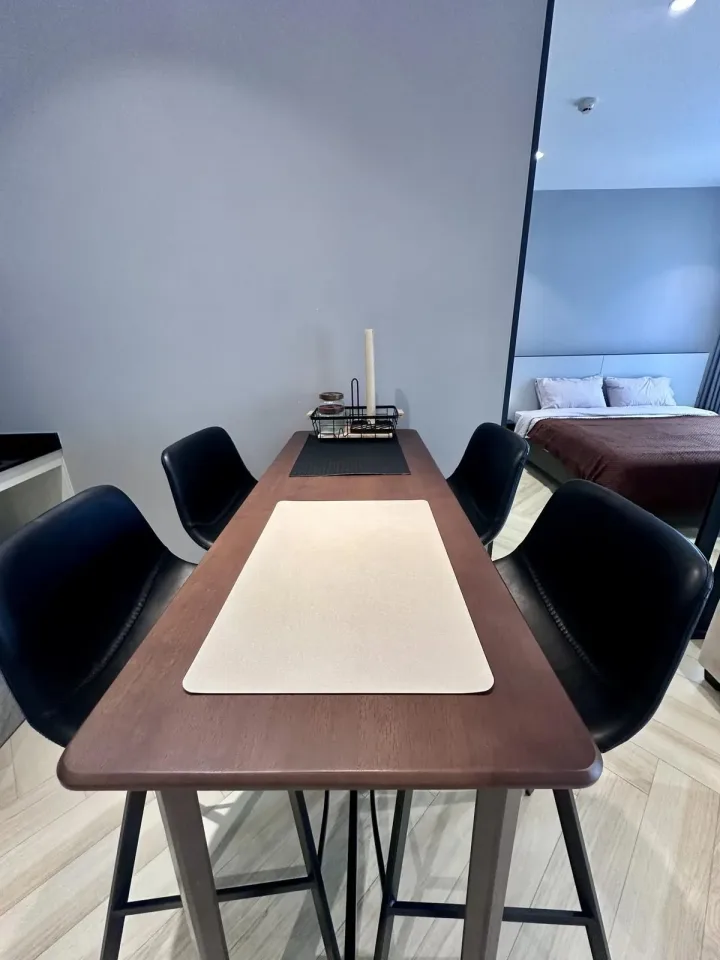
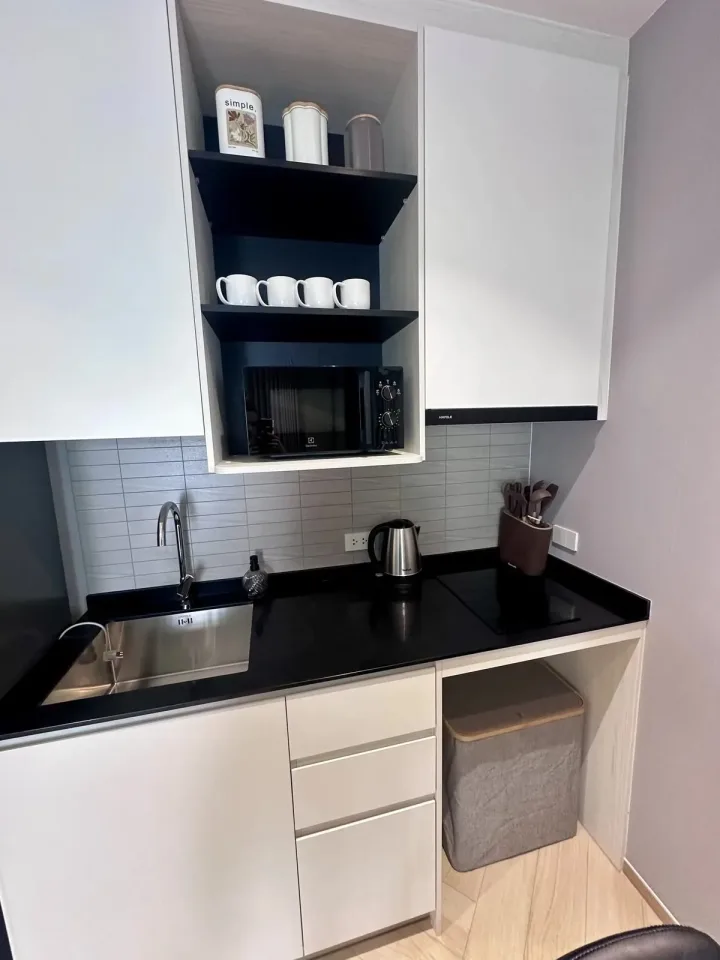
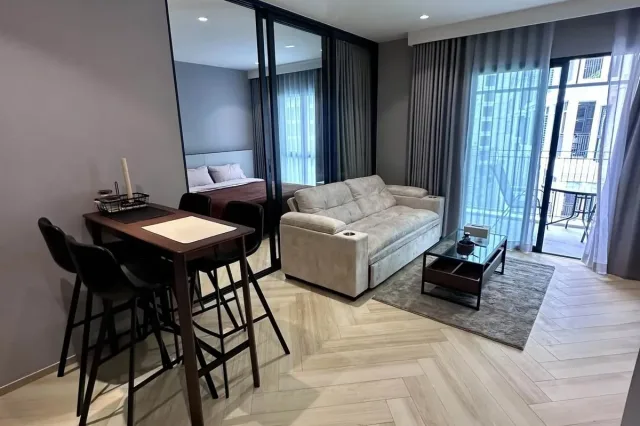
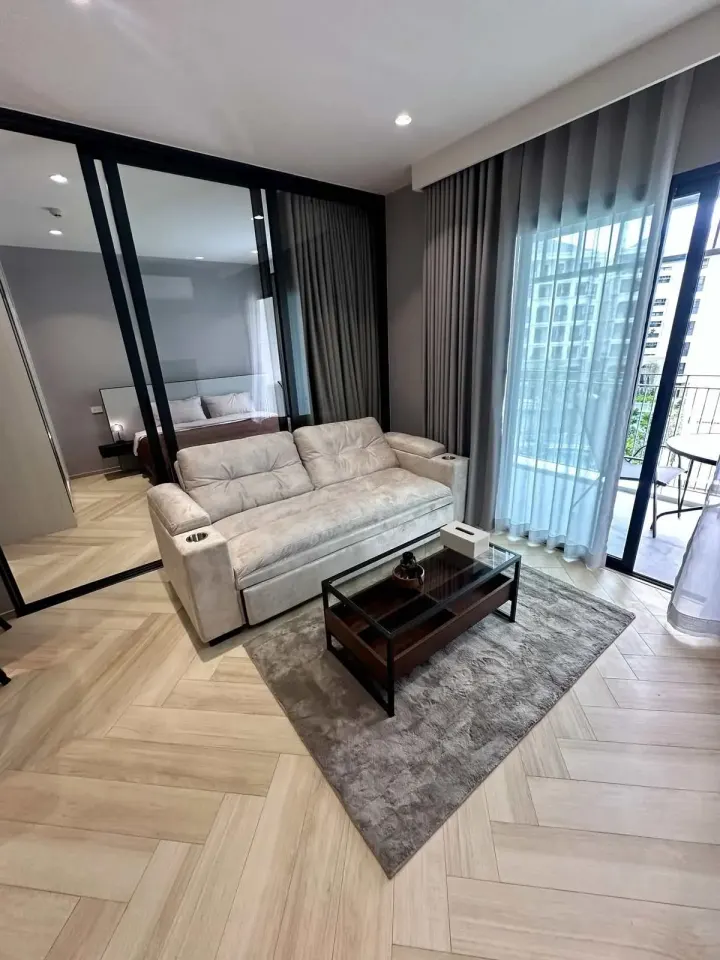
Current photographs are more useful than a development's promotional gallery. Ask to see the present condition of the bedrooms, kitchen, bathrooms, balcony or terrace, furniture and appliances. For furnished rentals, prepare a simple inventory of the main items that are expected to remain.
When several similar units are offered in the same project, the floor, orientation, view, proximity to a road or pool and furniture package become useful identifiers. They also reduce the risk of receiving a different unit after payment.
What to check during a live video viewing
A live video call from the property is one of the strongest remote checks. Ask the agent or landlord to begin at the building entrance or villa gate, continue to the exact door and then walk through every room.
During the viewing, check:
- the view from windows and balconies;
- air-conditioning operation;
- water pressure and bathroom condition;
- the refrigerator, hob and washing machine;
- visible moisture, damage or wear;
- water and electricity meters where accessible;
- traffic or construction noise with windows open;
- internet speed if you work remotely;
- the furniture and appliances included in the rental.
Ask the person filming to show the door number or another unit identifier together with the interior. A prepared list of questions makes the call much more useful.
How to verify the landlord or representative remotely
The next step is to confirm who has authority to sign the lease and receive money. Ask the landlord for identification and documents linking them to the property. For a condominium, this may include ownership evidence for the exact unit. Houses and villas can require a different set of documents depending on the ownership structure.
If a representative handles the transaction, obtain the company details, contact information and evidence of authority. The payment recipient should also have a clear documented connection to the landlord or authorised company.
The roles of owners, agents and management companies are explained in our guide to who manages property in Thailand. This distinction matters even more when the entire transaction is handled remotely.
Which documents to obtain before sending money
Before payment, collect enough information to connect the property, the counterparty and the financial terms. Depending on the transaction, useful documents include:
- a draft lease agreement;
- landlord or authorised company details;
- evidence of the right to rent out the property;
- the full address and exact unit identification;
- a furniture and appliance inventory;
- the rent and security-deposit amounts;
- electricity, water, internet and other service charges;
- bank details and payment purpose;
- the form of receipt or written confirmation provided after payment.
Foreign tenants should also ask in advance who will handle the TM30 residence notification after arrival and what information will be required from the tenant.
What should be agreed in the lease before payment
Obtain the draft lease before making a substantial payment. The document should clearly identify the property, address, rental period, start date, monthly rent and security deposit.
Review how electricity and water are charged, whether internet is included, and who pays for air-conditioning service, appliance repairs, pool care and garden maintenance. Furnished properties also benefit from a signed inventory.
The agreement should explain early termination, notice periods, security-deposit return and what happens if the property is unavailable on the agreed move-in date. Promised repairs, furniture replacements, cleaning or extra equipment should be written into the agreement.
For broader context on responsibilities during a tenancy, see our guide to how rental and property management work in Thailand.
How to pay the deposit and first rent securely
Payment should come after the exact property, the counterparty and the draft agreement have been checked. A bank transfer creates a traceable payment record that can be matched to the transaction.
Compare the recipient name with the verified landlord or company. When paying through an agency, request its company details, payment purpose and evidence that it is authorised to receive funds for the property.
The transfer reference can identify the property, rental period and payment type, such as reservation, security deposit or first month's rent. After the funds arrive, obtain a receipt or written confirmation showing the amount, date and purpose.
A practical remote-rental sequence is: exact property → live viewing → counterparty verification → documents → lease → bank details → transfer → payment confirmation. If one part of that chain remains unclear, resolve it before sending funds.