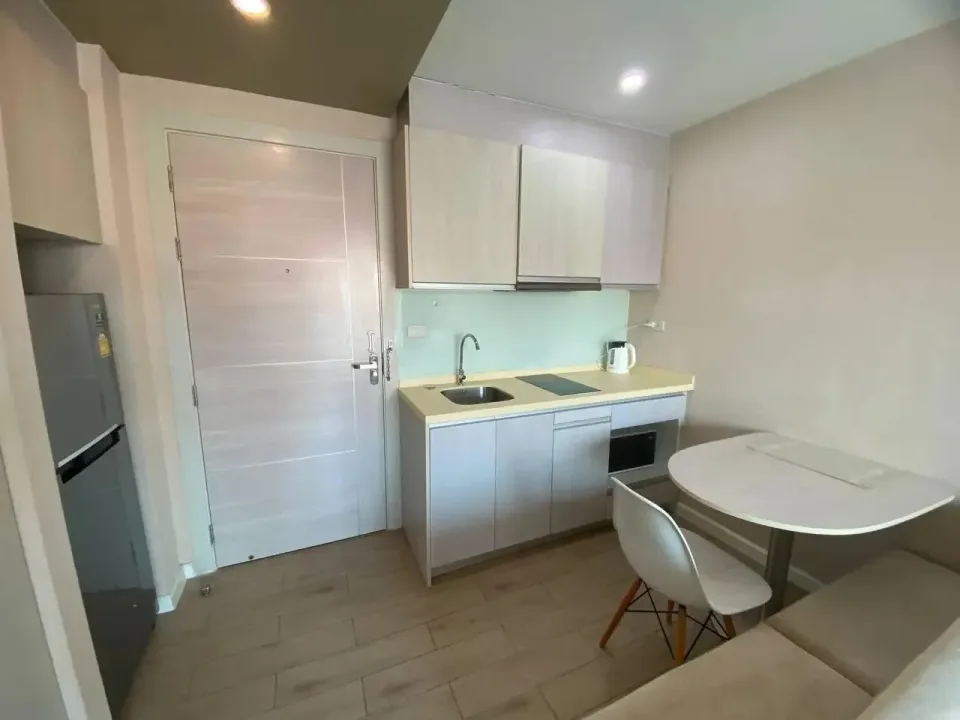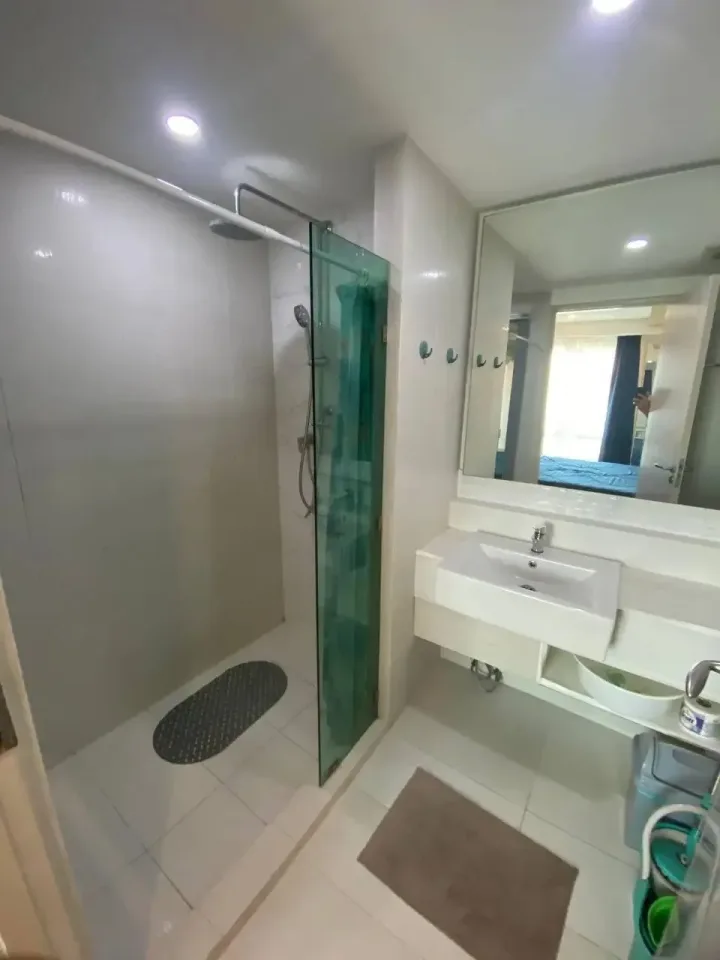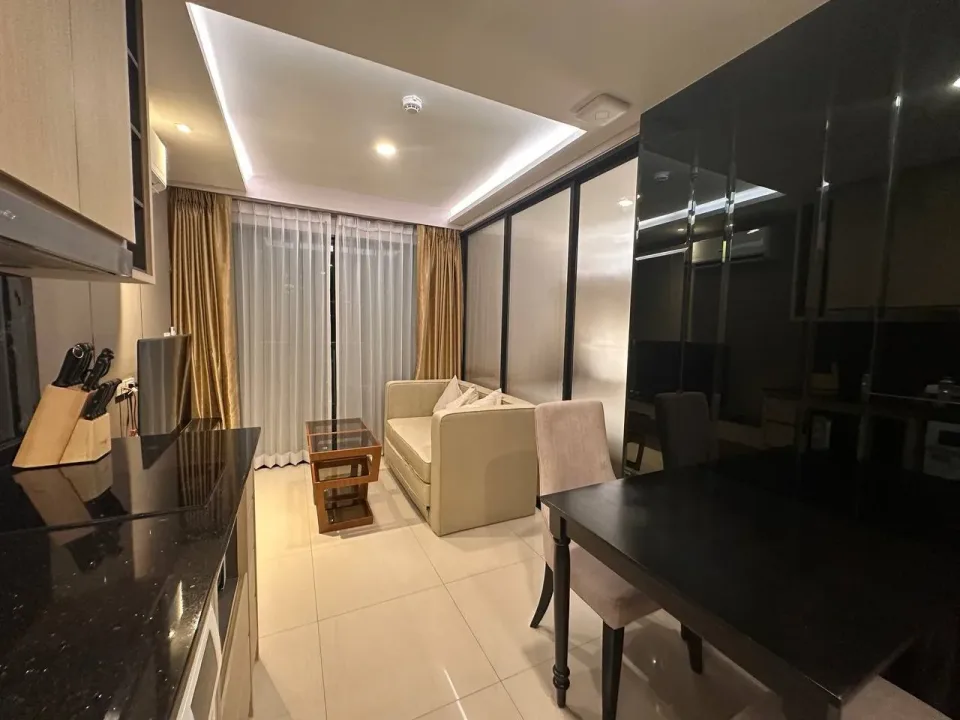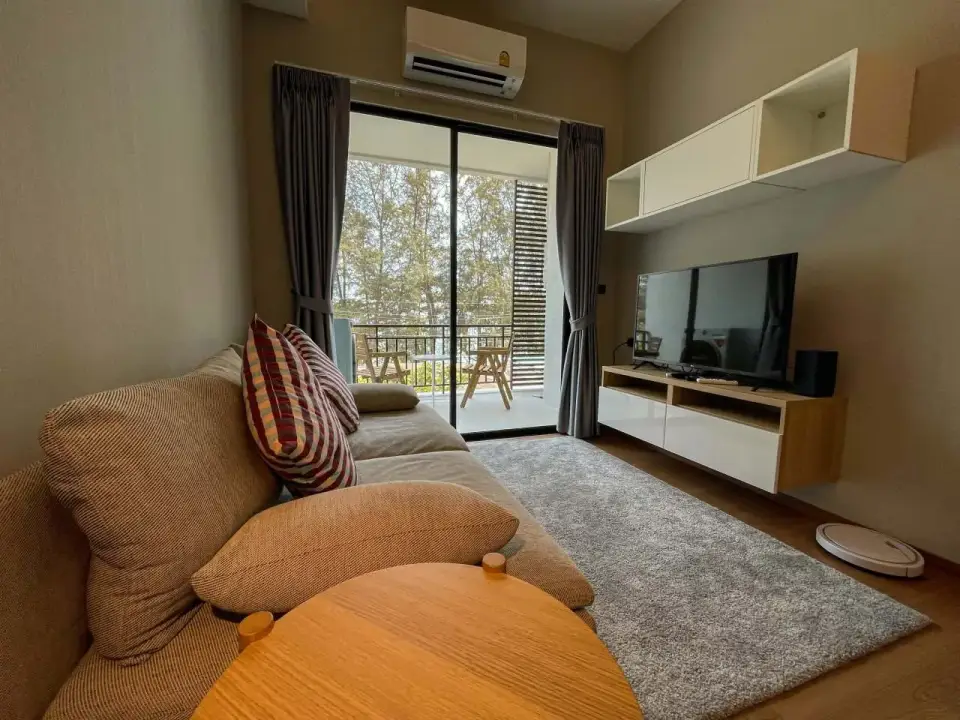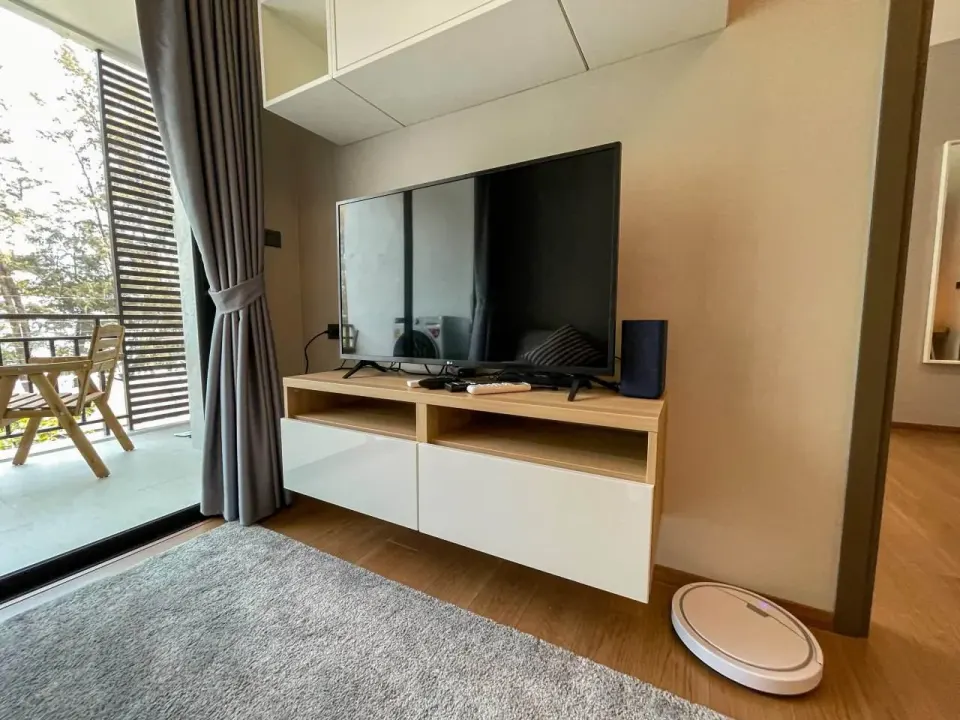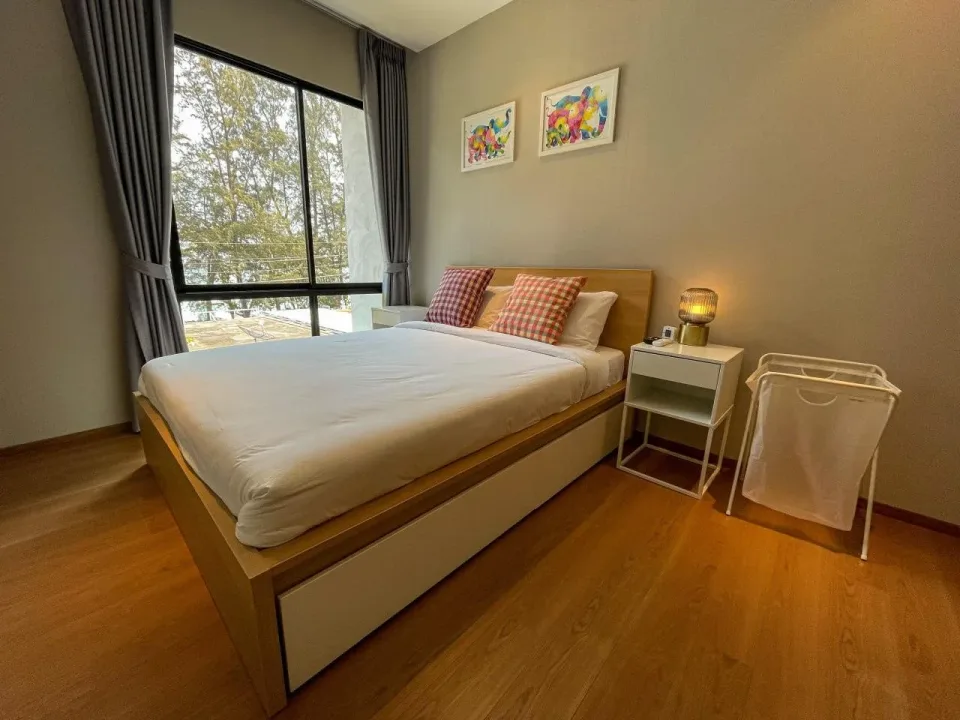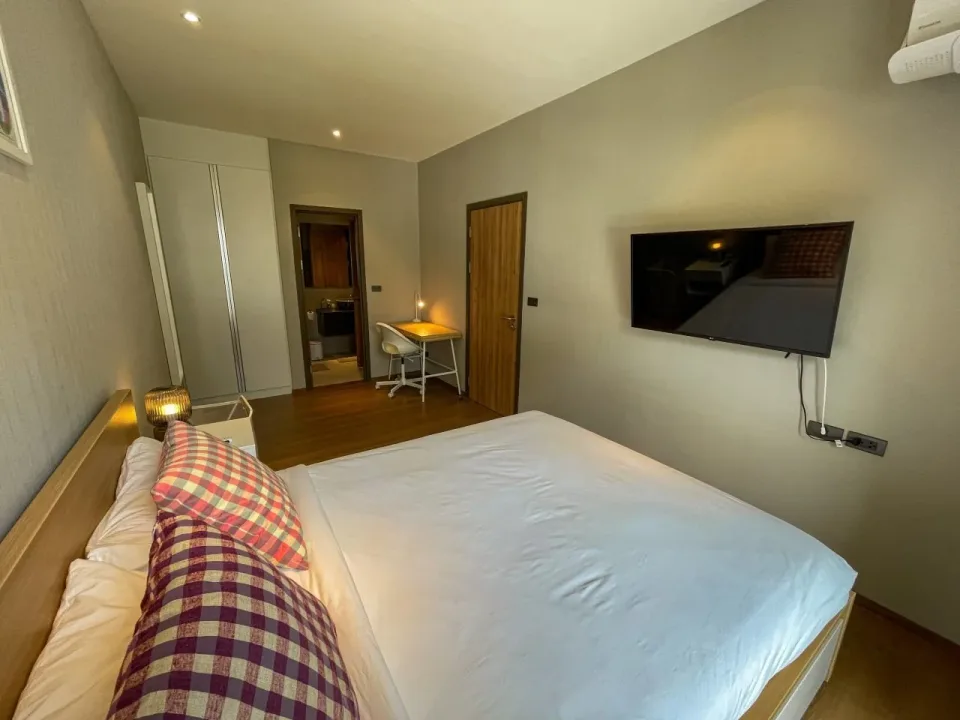
Ending a residential tenancy in Thailand involves several practical steps. The tenant vacates the property, the landlord checks its condition, final utility readings are recorded, and both parties settle the security deposit. Written handover records help establish what has been completed and whether any obligations remain outstanding.
The same basic process applies to condominiums, apartments and private villas in Phuket, Pattaya and other parts of Thailand. Specific requirements depend on the rental agreement, property type and legal status of the landlord.
1. Preparing for Move-Out: Lease Terms and Handover Date
Start by reviewing the rental agreement. Check the tenancy end date, any notice requirements, property handover arrangements and provisions governing final payments.
Confirm the inspection appointment with the landlord or property manager. Ideally, the inspection should take place after personal belongings have been removed, allowing all rooms, surfaces and equipment to be examined.
Prepare the following documents and items:
- Rental agreement and relevant attachments.
- Original property inventory and condition report.
- Move-in photographs and videos.
- Proof of security deposit payment.
- Recent electricity and water bills.
- Bank details for the deposit refund.
- Keys, access cards and remote controls received at check-in.
If you are moving to another property on the island, browse long-term rentals in Phuket early enough to coordinate your next move-in date with the end of your current tenancy.
Any disagreement about the departure date should be addressed in writing. Both parties need a clear record of when possession of the property was returned.
2. Conducting a Joint Move-Out Inspection
The tenant and landlord, or an authorised representative, should inspect the property together whenever possible. The purpose is to document its condition and identify changes that occurred during the tenancy.
Walk through each room and compare the current condition with the original inventory. Our guide to rental move-in inspections explains how the initial condition of a property should be recorded.
Check the following areas:
- Walls, ceilings, flooring and finishes.
- Doors, windows, locks and insect screens.
- Furniture, mattresses, upholstery and wardrobes.
- Air conditioners and household appliances.
- Bathrooms, plumbing and water heaters.
- Items included in the original inventory.
- Balconies, terraces and parking spaces.
For private villas, inspect the swimming pool, garden, outdoor lighting, gates and equipment included in the rental agreement. Maintenance obligations should be considered when assessing their condition.
Take photographs of every room and close-up images of any disputed damage. Short videos can help document equipment operation or other issues that photographs cannot show clearly.
Record disagreements separately in the inspection report. This allows both parties to acknowledge the handover while preserving their individual positions on unresolved matters.
3. Recording Final Utility Meter Readings
On the day of departure, record the final electricity and water meter readings. Photograph each meter with its reading and identification number clearly visible.
Compare the final readings with those recorded at the beginning of the most recent paid billing period.
Final utility settlement:
- Identify the last paid meter readings.
- Subtract them from the final readings.
- Apply the relevant contractual and legally permitted tariff.
- Add any applicable fixed charges.
- Compare the result with previous payments and outstanding invoices.
For example, an electricity reading increasing from 12,400 kWh to 12,650 kWh represents consumption of 250 kWh. The amount payable depends on the applicable tariff and billing arrangements.
In Thailand, utility bills may come directly from a provider or through the condominium management office. Some buildings use centralised water billing, so individual meter readings may need to be requested from management.
If the final invoice will arrive after departure, agree in writing how the amount will be calculated and when the final reconciliation will take place.
Special consumer-protection rules restrict electricity and water charges for qualifying residential rental businesses. Their application depends on the landlord's status and the rental arrangement.
4. Normal Wear and Tear, Property Damage and Cleaning
Normal wear and tear should be distinguished from damage caused by improper use or negligence.
Minor surface wear, gradual fading of upholstery and the ageing of materials may result from ordinary residential use. Broken furniture, damaged plumbing, burnt surfaces or missing inventory items require separate assessment.
The original condition of each item, the circumstances of the damage and the documented cost of repair should be considered before determining liability.
Before the final inspection:
- Remove personal belongings and rubbish.
- Clean kitchen surfaces and appliances.
- Clean bathrooms and sanitary fittings.
- Wash floors and accessible dirty surfaces.
- Empty the refrigerator and remove leftover food.
- Clear wardrobes, balconies and agreed storage areas.
Professional cleaning, air-conditioning servicing and pool maintenance requirements depend on the applicable lease terms and law. Any charges should be explained and agreed where appropriate.
If the landlord identifies damage, request photographs and a written description. Repair estimates, invoices and other supporting documents help establish whether a proposed deduction is reasonable.
5. Returning Keys and Signing the Property Handover Report
Once the inspection is complete, the parties should document the return of possession. A signed property handover report provides a record of the property's condition, returned access devices and outstanding payments.
Condominium tenants may need to return electronic access cards, parking permits and mailbox keys. Villa rentals can also involve gate remotes, keys to service rooms and equipment controls.
Sample Property Handover Record
The following template can be adapted to the rental agreement and applicable Thai legal requirements.
Residential Property Handover Record
Date and time: ____________________
Property address: ____________________
Lease agreement reference: ____________________
Landlord or authorised representative: ____________________
Tenant: ____________________
Property condition:
General condition: ____________________
Damage and observations: ____________________
Attached photographs and documents: ____________________
Final meter readings:
Electricity: __________ kWh
Water: __________ m³
Returned access devices:
Keys: __________
Access cards: __________
Remote controls: __________
Financial settlement:
Security deposit paid: __________ THB
Agreed deductions: __________ THB
Refund balance: __________ THB
Refund date and method: ____________________
Additional comments: ____________________
Landlord signature: ____________________
Tenant signature: ____________________
Both parties should retain a copy. If utility payments remain outstanding, record the agreed calculation method and settlement procedure separately.
6. Final Settlement and Security Deposit Refund
After the property is returned, the landlord and tenant determine the refundable deposit balance. Any deductions should be supported by a contractual or legal basis and appropriate evidence.
Refund deadlines depend on the rules applicable to the landlord. Thailand introduced updated consumer-protection requirements for qualifying residential rental businesses in September 2025, including certain landlords renting out three or more residential units.
Where these rules apply, the deposit must be returned within seven days if no damage is found. Where tenant-caused damage is established, the remaining deposit must be returned within 14 days after permitted deductions. Ordinary wear and tear cannot justify withholding the deposit under these rules.
Private landlords outside the regulated category remain subject to their agreements and applicable general Thai law. A single refund deadline should therefore never be assumed for every rental property.
For a broader explanation of payment types, permitted deductions and disputes, see our guide to rental security deposits in Thailand.
Before closing the settlement, check the original deposit amount, outstanding charges, supporting documents and bank details. Keep proof of the refund transfer.
7. Handling Disputes and Keeping Final Records
Disagreements at move-out commonly involve property damage, cleaning charges, unpaid utilities or refusal to sign the handover report.
If the landlord claims damage, request a written explanation and supporting photographs. Compare these with the initial condition report. For disputed utility charges, ask for the meter readings, rates and calculation.
If either party refuses to sign, document the property's condition, departure date and attempts to arrange the key handover. Send the records through a communication channel that provides evidence of delivery. Leaving keys without an agreed handover procedure can create additional uncertainty.
For disputed deposit deductions, send a written request explaining the amount claimed and attach relevant evidence. Legal assistance may be appropriate if the matter remains unresolved. Where consumer-protection rules apply, tenants may also contact Thailand's Office of the Consumer Protection Board (OCPB), hotline 1166.
Retain the lease, handover report, photographs, payment receipts and correspondence until the final settlement is complete and any outstanding issues have been resolved.
If your next home will be in another city, explore rental properties in Pattaya and coordinate the move-in date with the completion of your existing tenancy.
A properly documented move-out concludes with possession returned, records acknowledged and financial obligations settled. Both parties then have evidence of how the tenancy ended.