Why the floor matters beyond the view
When buying a condo in Thailand, the floor may look like a simple detail: higher means better views, lower means a lower price. In reality, the floor affects noise, humidity, privacy, temperature, air-conditioning load, lift convenience, safety, rental demand and future resale value.
A condo floor should never be judged separately from the layout. Two units on the same level can feel completely different: one may face the sea and greenery, while another may face a road, neighbouring building or service area. Before comparing floors, it helps to understand the unit format. Start with the difference between a studio, a 1-bedroom condo and a 2-bedroom condo, then compare floor level, view and price.
The goal is not to choose the most impressive unit on paper. The goal is to choose the unit that fits your scenario: personal living, winter stays, rental use, resale or a mix of several goals.
Ground floor: convenience, price, humidity and noise
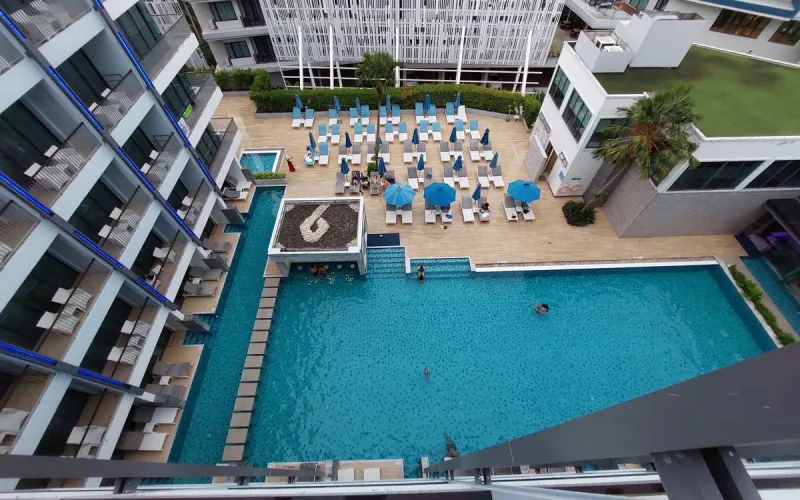
Ground-floor units are often cheaper than middle and upper-floor units. They can be convenient for families with children, pet owners, older buyers and people who want quick access to the pool, garden, parking or lobby. In some projects, a ground-floor unit can be attractive when it comes with pool access, a private terrace or a small garden.
There are also weak points. In Thailand, ground-floor units can face more humidity, insects, smells, foot traffic and lower privacy. If the windows face a pool, walkway, café or kids’ area, the unit may feel convenient during the day and noisy in the evening.
Before buying a ground-floor condo, check:
what is directly in front of the windows;
whether the outdoor area is private or exposed;
how close the pool, restaurant, rubbish room and parking are;
how ventilation works;
whether there is any damp smell after rain;
how security and access are managed.
A ground floor can work when it gives a real advantage: pool access, garden space, family convenience, a good price or a strong rental scenario. Without those advantages, middle floors often offer a better balance.
Middle floors: often the best compromise
Middle floors in Thai condominiums often give the most balanced result. They usually have less street noise, more natural light and better privacy than lower floors, while the price is still below the premium levels charged for top floors and panoramic views.
For living, a middle floor is practical: lift use is easier, there is less exposure to rooftop heat, evacuation is simpler and the unit is less dependent on the highest levels of the building. For rental use, this also works well. Tenants usually care about comfort, cleanliness, location, view, internet and price. The exact floor number rarely becomes the main decision point.
A middle-floor unit is especially strong when it faces greenery, a pool, an inner courtyard or open space. This type of unit is often easier to resell because it offers comfort without forcing the buyer to pay a large premium for a headline view.
High floors: views, privacy, heat and lifts
High floors are usually chosen for views, privacy and reduced noise. The higher the unit, the less it is affected by road traffic, pedestrians, parking areas and pool noise. In a strong location, a high floor may offer sea, mountain, city, sunset or green views.
For resale, a higher floor can look more attractive. It is easier to explain the value: more light, better views, less noise and more privacy. In tourist projects, good views can also help rental marketing.
There are trade-offs. Upper floors may heat up more, especially if the unit faces west or sits directly below the roof. During the hot season, this can increase air-conditioning use. Lifts are another factor. In large projects, waiting for a lift during peak hours can become annoying, especially in buildings with heavy short-term rental traffic.
Before choosing a high-floor unit, check:
whether there is a roof or technical level above;
which direction the unit faces;
whether afternoon sun will overheat the bedroom or living room;
how many lifts serve the building;
how strong the wind is on the balcony;
whether future construction can block the view.
A high floor is a strong choice when the view is genuinely valuable, the layout is comfortable and the price does not damage future liquidity.
Sea view: when the premium makes sense
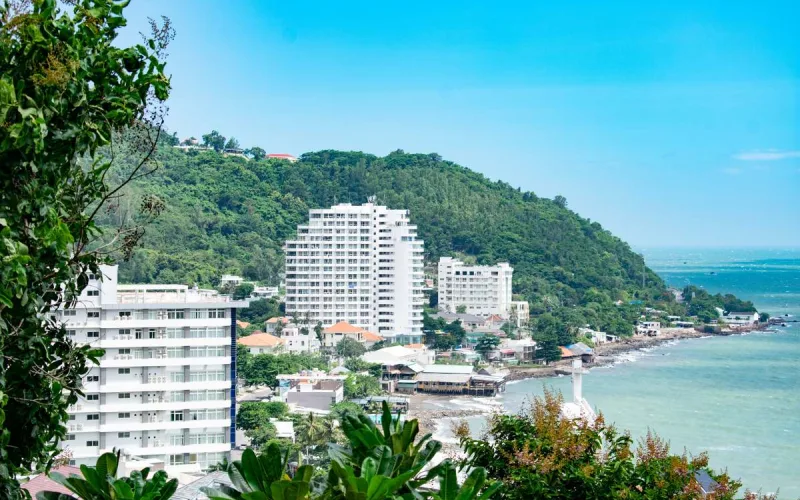
Sea view is one of the most expensive features in Thai real estate. It adds emotion, helps rental marketing and can support resale value. The most valuable views are open, direct, high enough, well oriented and protected from future construction risk.
The phrase “sea view” can mean many things. It may be a full panoramic view, a side view, a narrow gap between buildings or a small piece of water visible from the balcony. These options can be priced very differently while still being advertised in similar language.
The real question is simple: what exactly are you paying for? Paying for an open view, privacy and liquidity is one scenario. Paying for a small glimpse of water between neighbouring buildings is a different one.
For rental use, a view helps, yet it does not replace location, layout, furniture, management and rental pricing. We covered this in more detail in the guide on why a sea-view apartment does not always rent well.
Noise, humidity, sun exposure and maintenance
In Thailand, small details matter. Near the sea, humidity and salty air are stronger. This affects furniture, appliances, fittings, air conditioners, windows and balcony structures. The closer the project is to the water and the weaker the ventilation, the more important materials and maintenance become.
Noise is not only about the road. The main source can be the pool below the windows, restaurant, bar, kids’ zone, parking, lobby, beach access road or nearby construction. That is why the view should be checked together with the master plan and the surrounding area.
Sun exposure is another key point. A west-facing unit may offer beautiful sunsets, while also heating up more in the afternoon. An east-facing unit can feel more comfortable during the day. North and south orientation should be judged project by project, depending on nearby buildings, wind and layout.
A strong unit is not defined by the view alone. It is a balance of floor level, orientation, noise, humidity, layout, ventilation, management, costs and liquidity.
What matters for rental and resale
For rental, the scenario must be clear. Tourists and long-stay tenants usually want a good location, clean interior, proper furniture, fast internet, easy transport, fair pricing and no daily irritations. Sea view helps when it does not force the rental price too high.
For resale, floor level, view, layout, building condition, project reputation, owner costs and scarcity of the unit matter. A middle-high floor with a good orientation can be easier to resell than a top floor with heat issues or a ground-floor unit next to a noisy area.
If you plan to rent out the unit, review how rental and property management work in Thailand before buying. It will help you understand which features affect income and which features only look good in a listing.
Checklist before choosing a specific unit
Before reserving a condo, check:
floor level and window view;
what is below the balcony;
future construction risk;
sun orientation;
distance to lifts;
proximity to rubbish rooms and technical areas;
noise from pool, road, café and parking;
ventilation and humidity;
façade and window quality;
maintenance costs;
rental rules;
ownership structure and quota;
resale liquidity.
If you are still at the early stage, start with condos in Thailand, then narrow the search by city, area, budget, unit type and only after that compare floors inside specific projects.
The key takeaway is simple: the best floor is the one that fits your plan. For living, quietness, privacy and convenience matter most. For rental, location, price and management are critical. For resale, view, liquidity and the absence of obvious weak points carry the most weight.