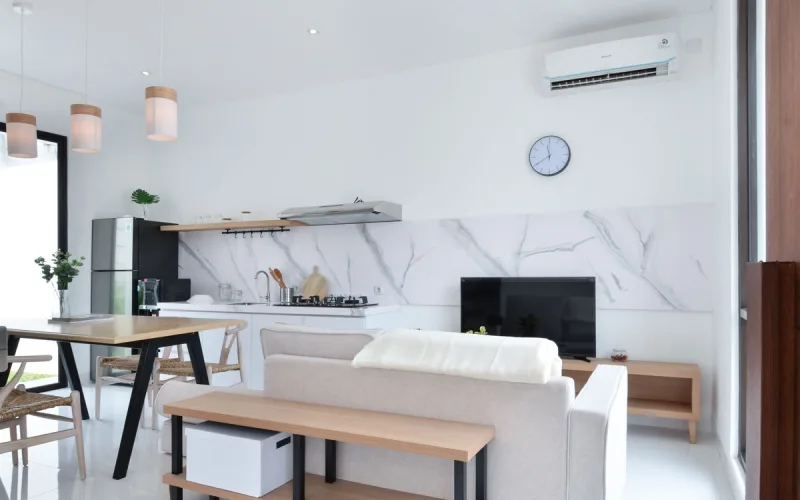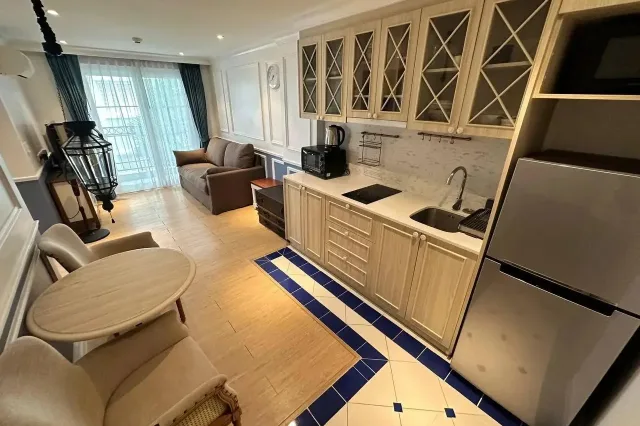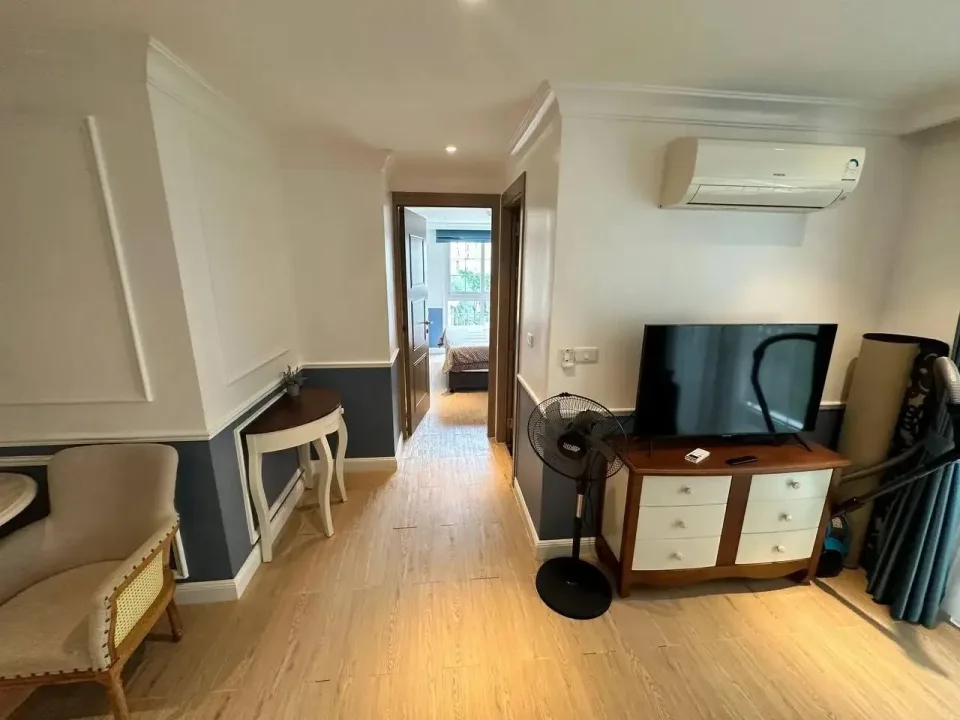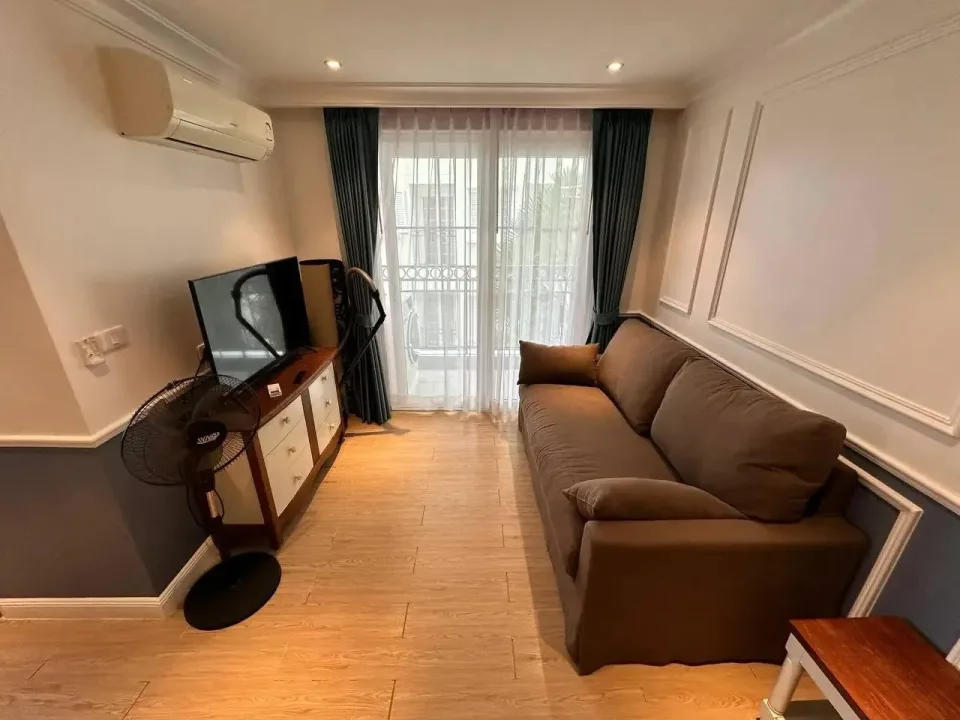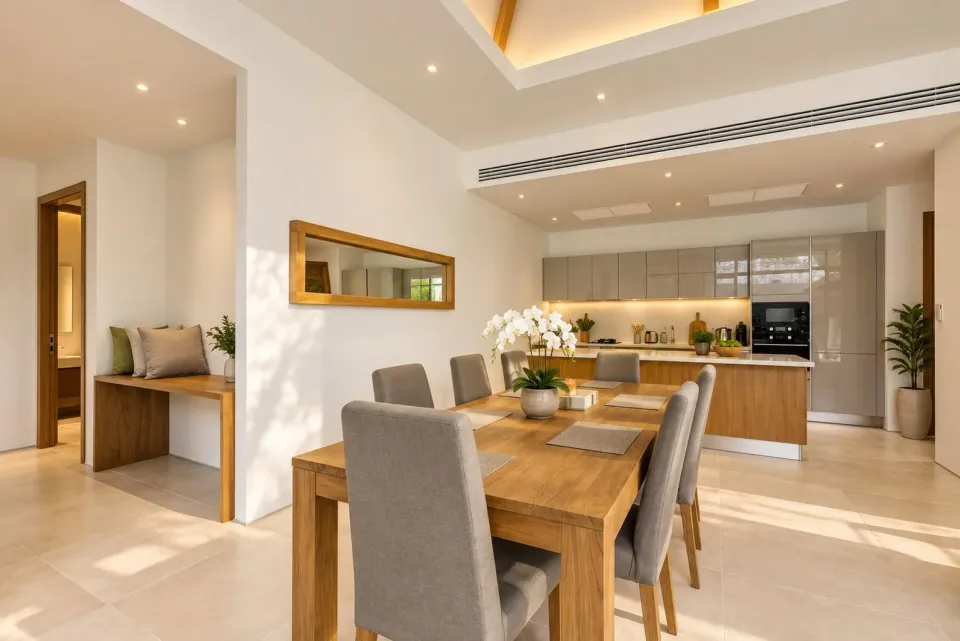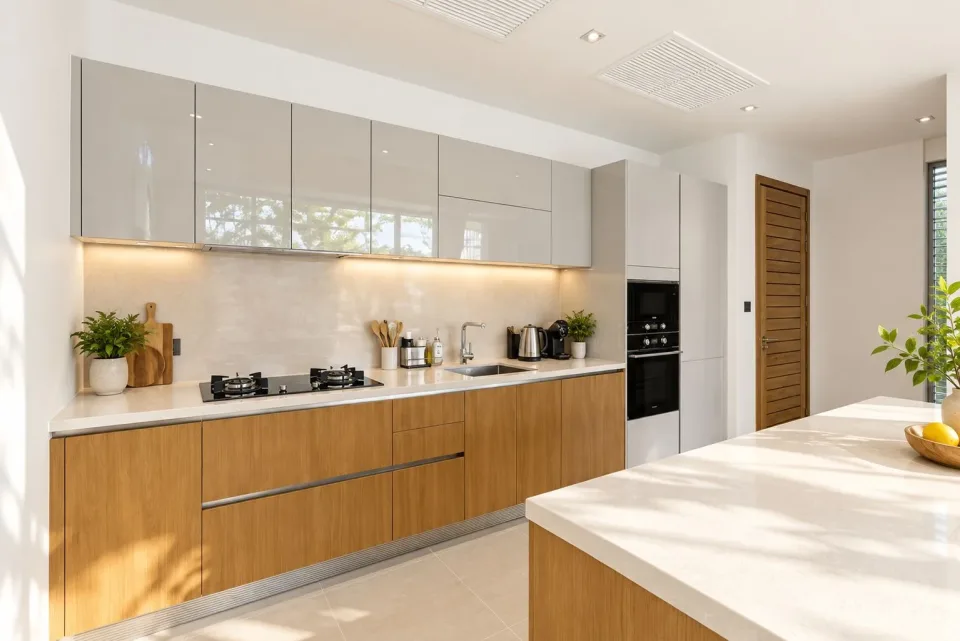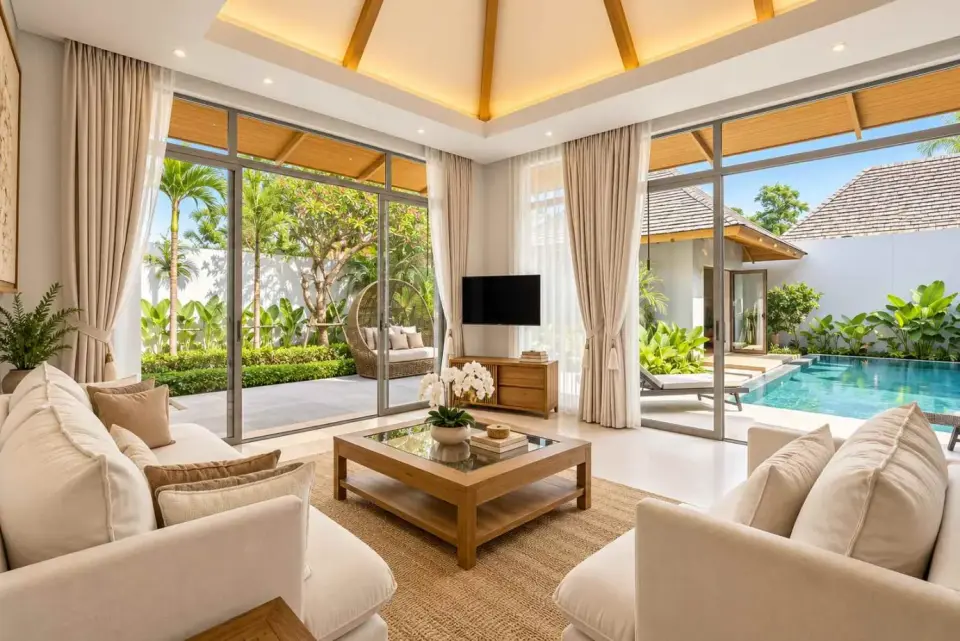
Choosing between a condo and a villa in Thailand depends on your daily routine, household size, preferred area, and total housing budget. A condo usually involves less day-to-day maintenance for the tenant. A villa provides more space, a private setting, and often its own outdoor area, while running costs and maintenance responsibilities can be higher.
For long-term living, compare the monthly rent together with utilities, transport, and property-specific services. That gives a much clearer picture of the true cost of each option.
| Factor | Condo | Villa |
|---|---|---|
| Monthly rent | Usually lower | Usually higher |
| Utilities | Often moderate | Higher for larger homes and private pools |
| Privacy | Shared building and common areas | Private grounds |
| Swimming pool | Shared resident pool | Private pool at many properties |
| Maintenance | Common areas are managed by the building | House, pool, and garden terms depend on the lease |
| Security | Often includes security and access control | Depends on the estate and individual property |
| Transport | More options in dense residential areas | A car or motorbike is often more useful |
Condo vs villa: how daily life changes
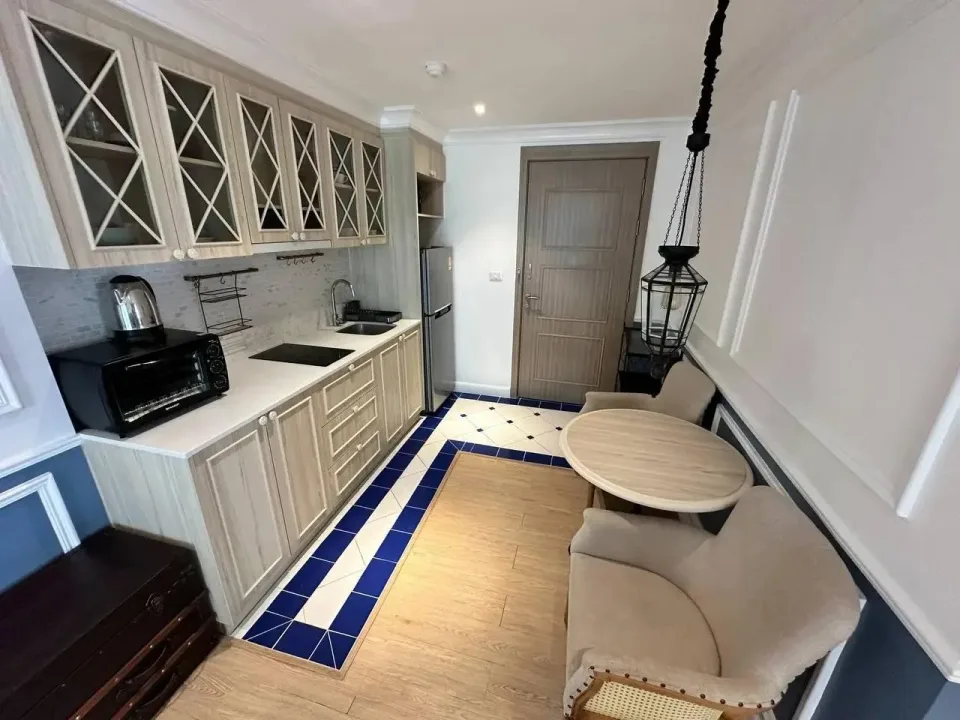
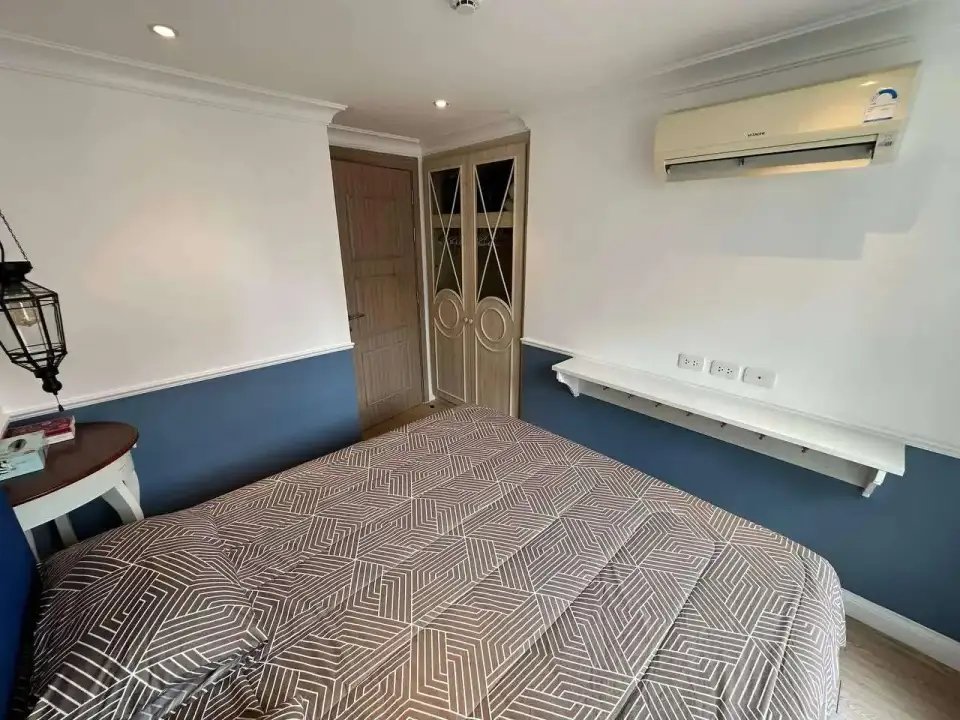
A condo works well for tenants who value compact living, shared facilities, and a straightforward maintenance setup. Modern condominium developments often provide a swimming pool, gym, parking, security, and resident leisure areas. Management handles the common parts of the building.
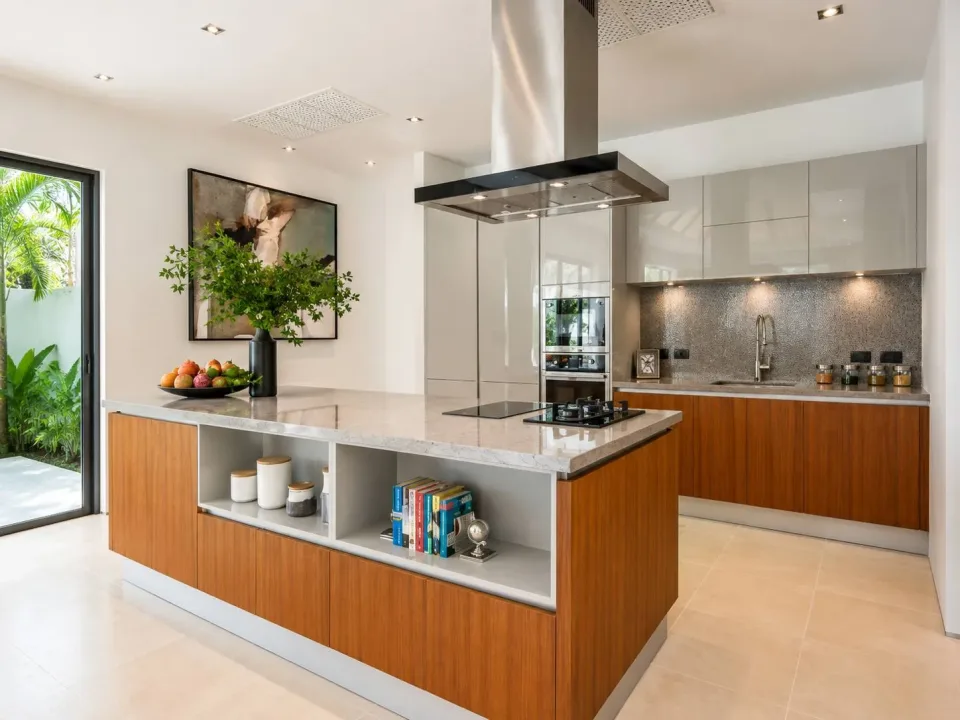
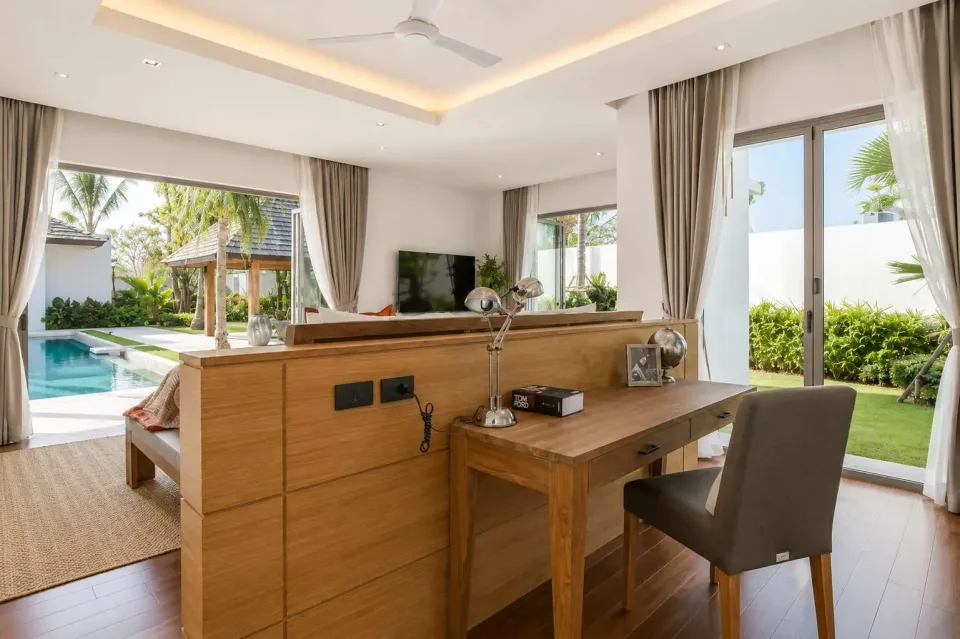
A villa creates a different daily routine. The property may include a detached home, parking next to the house, a terrace, garden, and private swimming pool. The extra space also creates more maintenance questions, so it is important to establish who handles the pool, landscaping, household equipment, and repairs.
Your normal weekday is a useful starting point. Someone who spends most of the day outside the home may appreciate the simplicity of a condo. Families, renters with children or pets, and people who spend more time at home may value the additional space of a villa.
Rental price and total monthly budget
Rental prices vary by city, area, season, lease term, floor area, bedroom count, condition, and development quality. A one- or two-bedroom condo will often require a lower monthly budget than a detached home in a comparable segment.
Villa pricing reflects larger living areas, land, private pools, parking, and more complex upkeep. Location can change the equation substantially, so property type and neighborhood should always be considered together.
You can compare current rental options in Phuket and homes for rent in Pattaya to see how property type and location affect monthly asking prices.
Your full budget should include rent, electricity, water, home internet, transport, cleaning, and any services connected with private outdoor areas. Villa tenants should also confirm the cost of pool and garden care.
Utilities and maintenance
Electricity is usually the main variable utility expense. Air conditioning is used throughout much of the year, so floor area, number of rooms, and cooling habits can make a meaningful difference. A villa may also use electricity for pool pumps, outdoor lighting, and equipment around the property.
Water is generally a smaller expense. Home internet may be included in the monthly rent or billed separately. Confirm the charging method, rates, and meter readings before move-in.
In a condominium, maintenance of the shared swimming pool, landscaped areas, corridors, and common facilities is normally organised by building management. The tenant uses those facilities under the development's resident rules.
Villa arrangements differ from property to property. Pool cleaning and gardening may be included in the rent or charged separately. Our guide to utilities and service costs when renting in Thailand explains these expenses in more detail.
Privacy, space, swimming pools, and outdoor areas
In a condominium, private space is mainly limited to the apartment itself. Corridors, lifts, swimming pools, gyms, and leisure areas are shared with other residents. For one person or a couple, this can be an efficient arrangement with most everyday facilities in one place.
A villa suits tenants who value a private terrace, dedicated parking, more indoor space, and the possibility of a private pool. Families can also gain separate bedrooms, play areas, and additional storage.
Privacy varies between villa estates. Houses can still sit close to one another, so check the distance to neighboring properties, window orientation, pool position, and access routes used by maintenance staff.
A private garden can also make a villa attractive to tenants with pets. The landlord's rules and estate regulations should always be confirmed before signing.
Location and transport
Condominiums are frequently found in areas with a higher concentration of restaurants, shops, beaches, and everyday services. A well-positioned condo can reduce travel time and make more daily trips possible on foot.
Villas are more common in lower-density residential areas where larger plots are available. These locations provide more space, although a car or motorbike often becomes more useful for routine travel.
This is particularly important in Phuket, where daily routes between different parts of the island can be significant. In Pattaya, the picture changes depending on whether you live near the coast, in central districts, or in the eastern residential areas.
Map out your regular destinations before choosing a property: work, schools, supermarkets, sports facilities, beaches, and healthcare. A smaller condo in the right location can save substantial travel time. A villa close to school or work can be equally practical for a family.
Security, development rules, and the rental agreement
Condominiums often use security staff, CCTV, electronic access, and building reception. A gated villa estate may offer a similar setup. Security at an independent house depends more heavily on the neighborhood, perimeter, lighting, and access systems.
Condo residents also follow building regulations covering parking, pets, common facilities, noise, and visitor access. Villa tenants should check estate rules and understand when pool or garden staff may enter the property.
The lease should clearly state the monthly rent, deposit, utility arrangements, term, repair responsibilities, furniture and appliance inventory, pool and garden obligations, early termination terms, and move-out procedure. Our guide on what to check in a Thailand rental agreement covers these points in detail.
Which should you choose: a condo or a villa?
A condo often suits one person or a couple who prioritize a moderate budget, convenient location, security, shared facilities, and a simple maintenance setup.
A villa often suits a family that wants several bedrooms, private outdoor space, a swimming pool, parking next to the home, room for children, and greater privacy.
Location becomes especially important for anyone without private transport. A condo close to shops, work, and everyday services may provide more practical value than a larger home requiring long daily journeys.
Families with children often benefit from choosing the area first, based on schools, road access, and daily routines. Property type then becomes the second decision.
A useful final comparison is based on four factors: total monthly budget, household size, daily travel, and the amount of property maintenance you are comfortable handling. Those four points usually make the choice between a condo and a villa much clearer.