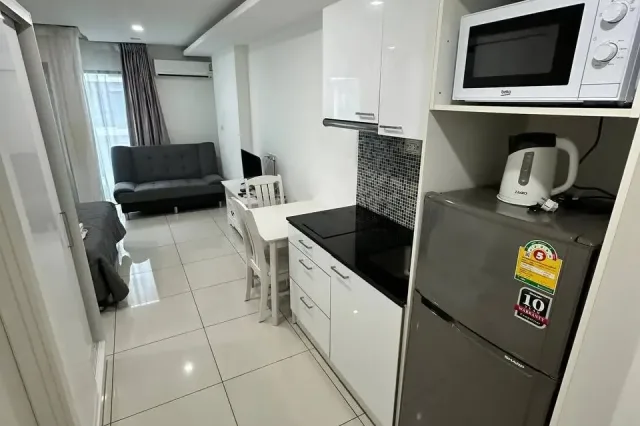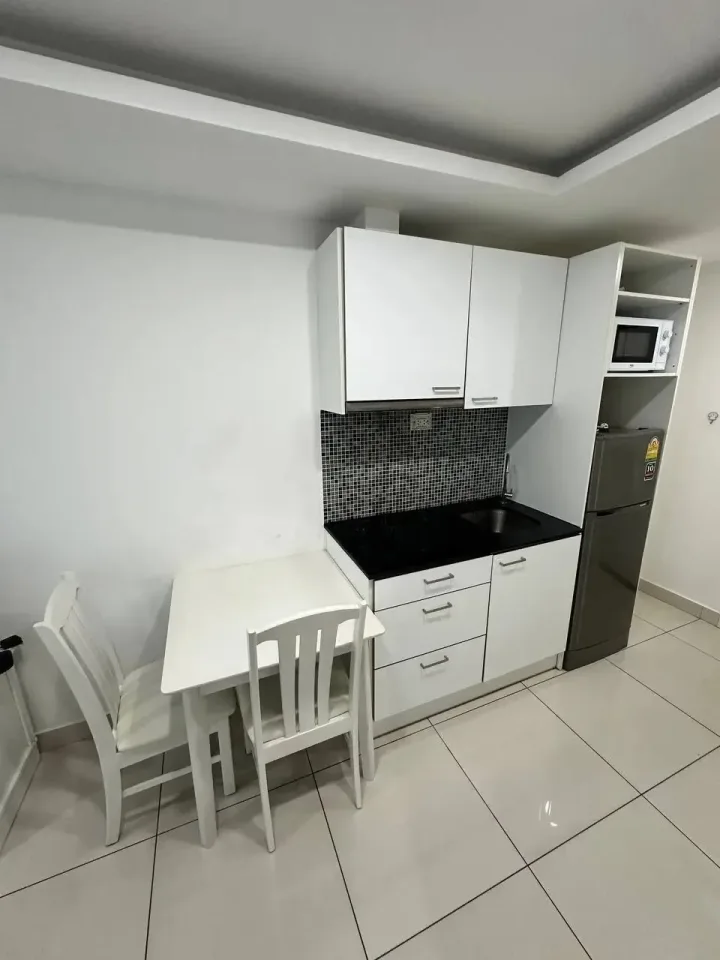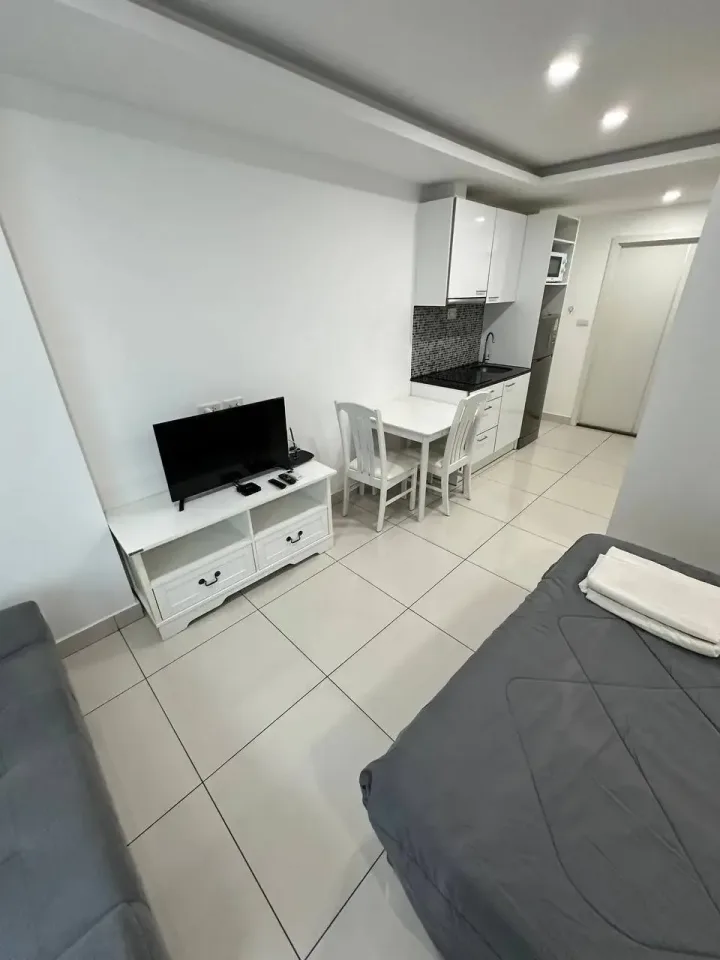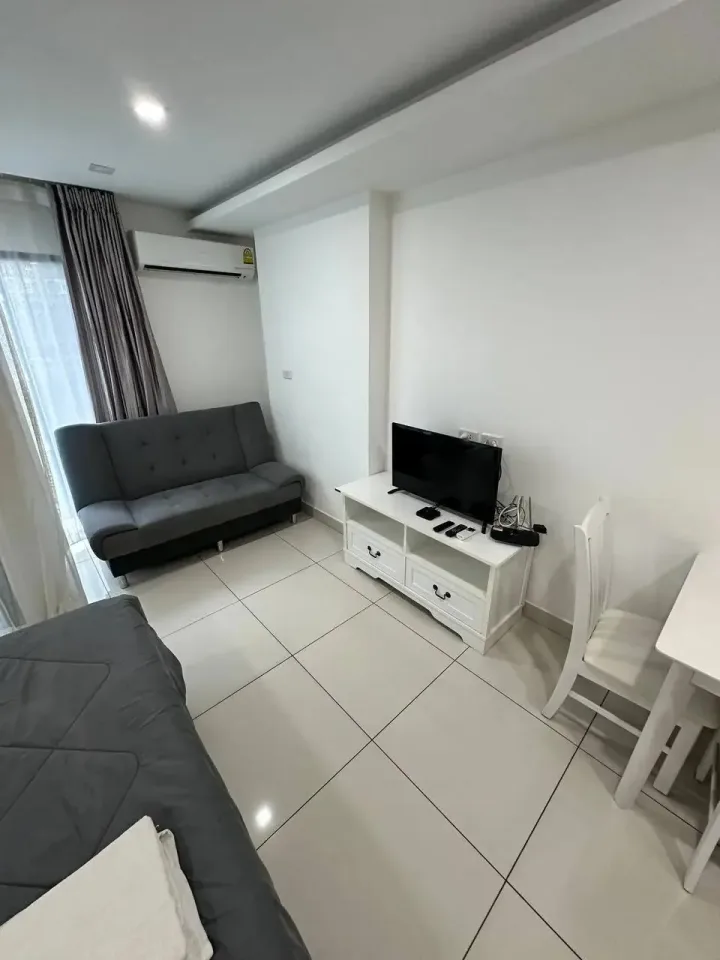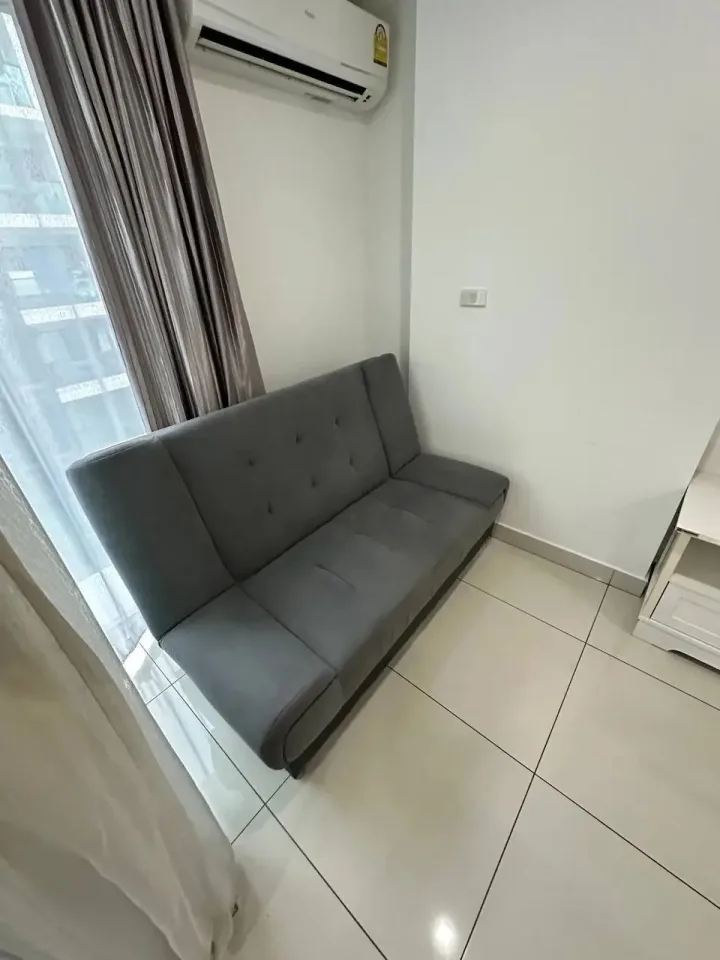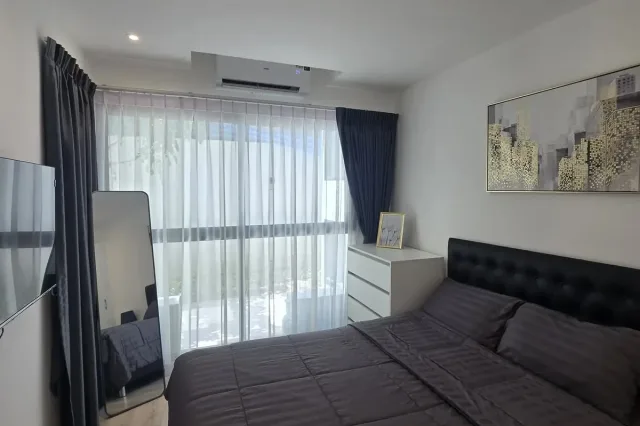
The advertised monthly rent shows only part of the tenant's actual housing budget in Thailand. Electricity, water, internet, and certain services are commonly billed separately. Villa rentals may also involve pool, garden, and equipment maintenance.
Before signing, it is useful to put every recurring expense into one monthly budget. For the complete rental process from property search to move-in, see our guide on how to rent a condo or villa in Thailand as a foreigner.
1. What is usually included in the monthly rent?
The monthly rate normally covers the use of the property itself and the furnishings or appliances specified in the agreement. Tenants in a condominium may also use shared facilities available to residents, such as swimming pools, gyms, lobbies, and common areas.
The building's common-area maintenance fee is commonly handled by the owner in a standard long-term condo rental and reflected in the rental economics. The agreement should still make the allocation of costs clear.
| Expense | Common arrangement |
|---|---|
| Use of the condo or villa | Included in monthly rent |
| Furniture and listed appliances | Included with furnished rentals |
| Shared condominium facilities | Usually available to residents |
| Common-area maintenance fee | Commonly handled by the owner |
| Electricity | Usually paid separately by the tenant |
| Water | Usually billed separately |
| Internet | Depends on the rental agreement |
The exact package differs from one property to another. A listing price of THB 35,000 per month does not by itself show the complete monthly cost of living there.
2. Which expenses do tenants usually pay separately?
The main variable expenses are electricity and water. Home internet may be included in the rent or billed separately.
Other possible charges include:
- cleaning;
- linen changes;
- additional parking;
- large-item waste removal;
- private pool maintenance;
- garden care;
- property-specific household services;
- final cleaning after move-out.
Some of these are recurring monthly costs, while others arise only when a particular service is used.
You can compare Phuket areas and residential projects when planning a rental on the island. For Pattaya, Pattaya projects and areas provide similar location context.
3. How much does electricity cost and how is it billed?
Electricity is usually the largest variable utility expense. Air conditioning is the main source of consumption for many tenants.
Different billing systems are used. Direct or near-government utility rates may be around THB 3.5–5 per kWh, while some apartments, private properties, or managed buildings may charge approximately THB 6–10 per kWh through the landlord or management structure.
Always ask for the actual rate per unit before moving in instead of relying only on someone else's monthly bill.
Two similar-sized homes can produce very different electricity bills because of:
- air-conditioning usage;
- number of occupants;
- sun exposure;
- insulation;
- age of appliances;
- electric water heaters;
- the rate charged per kWh.
In a smaller condo, moderate air-conditioning use can result in a bill of a few thousand baht per month. Continuous cooling can increase the cost considerably.
Photograph the electricity meter at move-in and again at move-out. This creates a clear record of consumption during the tenancy.
4. How is water charged?
Water costs are normally much lower than electricity costs. The billing method depends on the building or property.
Two common systems are:
- billing according to actual consumption;
- a fixed monthly charge.
Condo rates around THB 15–35 per cubic metre can be found in the market, while some developments use higher rates. Fixed monthly charges may amount to a few hundred baht.
For a detached house or villa, the billing structure depends on the property's water supply and local infrastructure.
Ask four questions:
- Is there an individual meter?
- Which unit is used for billing?
- What rate applies?
- Who receives payment?
Record the starting meter reading together with the move-in condition photos.
5. Internet, cleaning, parking, and other services
Some properties already have home internet connected and include it in the monthly rent. Others require the tenant to pay the existing package or arrange a separate service.
Long-term rental offers commonly show internet costs of roughly THB 500–1,200 per month depending on the provider, speed, and package.
Before moving in, confirm:
- the internet provider;
- the connection speed;
- who pays the monthly bill;
- whether an installation charge applies;
- what happens to the equipment at move-out.
Parking may be included for residents, although some condominiums charge for an additional car space. Vehicle stickers or access permits may also be required.
Cleaning is generally a separate service. Serviced properties may include a set number of visits each month, so the frequency and scope should be confirmed in advance.
6. Extra utility and service costs for villas
Villa rentals can involve more recurring services because private outdoor areas and equipment belong to the individual property.
Check who pays for:
- pool cleaning;
- pool chemicals and equipment;
- garden maintenance;
- irrigation;
- waste removal;
- water pumps;
- private cleaning;
- internet;
- electricity and water.
Some landlords include pool and garden care in the monthly rent. Other properties charge these services separately.
A larger villa with several air conditioners, a pool pump, and extensive outdoor systems can have a much higher utility budget than a condo.
7. What to check in the agreement and on the meters before moving in
Calculate the likely total monthly cost before making the first payment. The agreement should make the utility rates, included services, and billing process clear.
Use this final checklist:
- confirm whether electricity is included;
- record the electricity rate per kWh;
- confirm how water is billed;
- photograph both meters;
- check the internet arrangement;
- confirm parking charges;
- for villas, clarify pool and garden maintenance;
- check whether final cleaning carries a separate fee;
- confirm when and how each bill must be paid.
You can also compare these financial terms with our guide on what to check in a Thailand rental agreement before signing.
The real monthly rental cost is the advertised rent plus the recurring expenses assigned to the tenant. Clear rates, recorded meter readings, and written billing terms make that cost much easier to estimate before move-in.