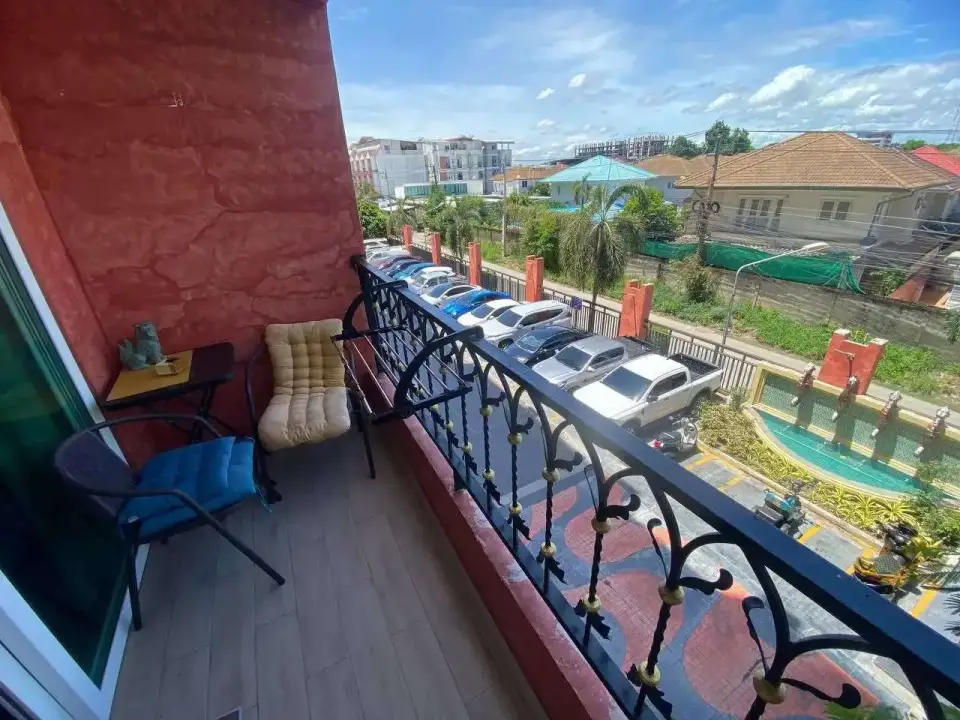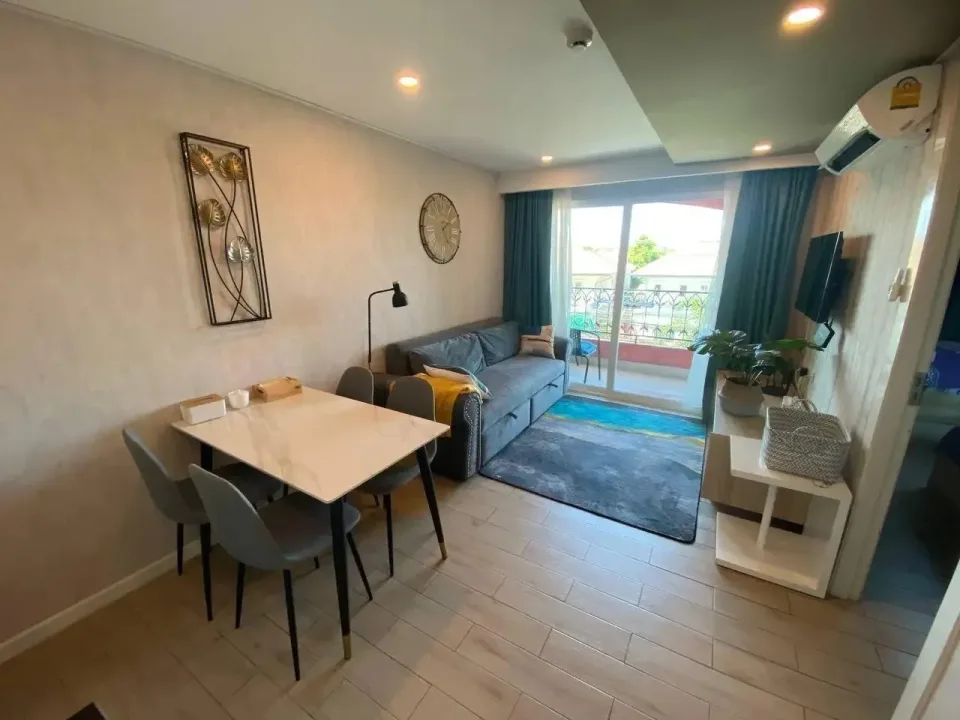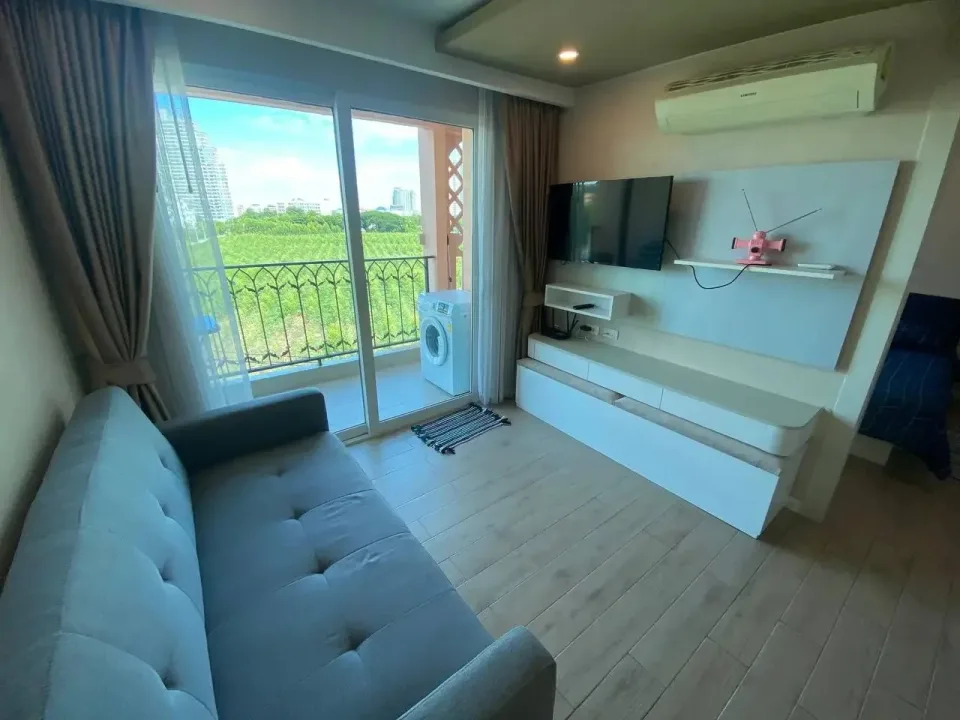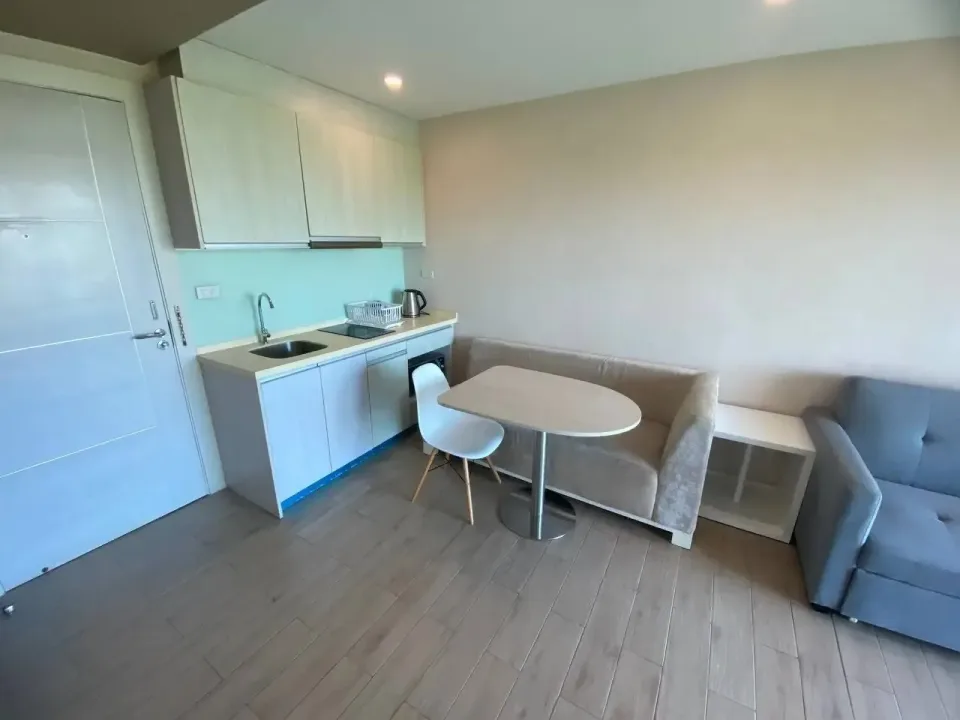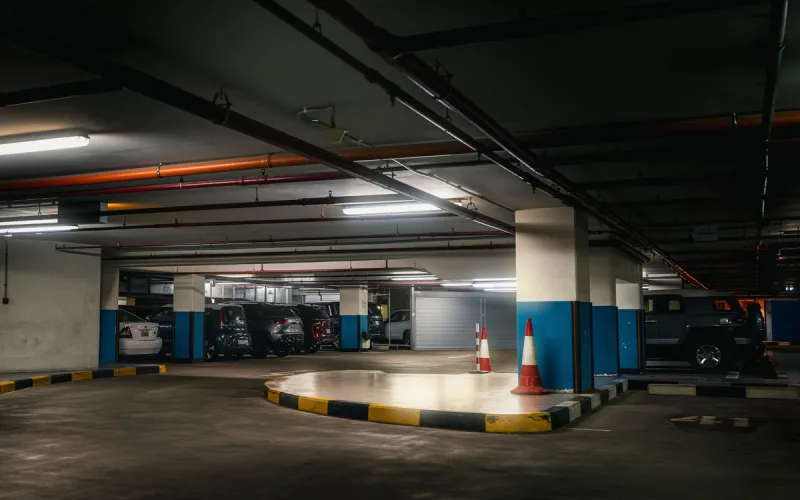
A parking facility shown in a condominium description confirms that vehicles can be accommodated within the project. An apartment owner’s actual rights depend on the legal status of the area, the registered condominium documents, and the building rules. One project may offer access to any available space, while another may assign a numbered bay to a particular unit.
A buyer should separate ownership of the apartment, shared ownership of common property, and the right to use a specific parking space. Each arrangement provides a different level of control.
What right does an apartment owner receive?
The buyer of a registered condominium unit receives ownership of the unit together with the corresponding share in the common property. Parking areas are frequently managed as common facilities used by co-owners under the building rules.
Three arrangements are commonly encountered:
| Arrangement | Owner’s right | What to verify |
|---|---|---|
| Common parking | Access to an available space under the building rules | Capacity, access procedure, and restrictions |
| Assigned space | Use of a specified parking bay | Space number and documentary basis |
| Additional space | Temporary permission subject to a separate fee | Term, cost, and renewal procedure |
The number of vehicles owned by a resident does not determine the scope of parking rights. A condominium may issue one permit per unit, keep a waiting list, or charge for an additional vehicle.
When is a parking space assigned to a unit?
The connection between a specific parking bay and an apartment should have a written basis. Buyers should review the unit title deed, sale and purchase agreement, registered condominium regulations, parking allocation plan, and any separate agreement.
A reliable clause identifies the parking number or location, term of use, applicable charges, and transfer conditions. Sales materials and verbal statements provide limited protection without supporting documents.
Where parking forms part of the common property, access may be controlled through vehicle stickers, permits, access cards, or registered licence plates. Such permission operates under the current rules of the condominium.
How does common parking work?
Common parking is usually used according to space availability. Actual capacity depends on the number of apartments, permanent residents, tenants, visitor bays, and restrictions applying to additional vehicles.
When comparing condos for sale in Phuket, consider how strongly residents depend on private transport. Projects located away from beaches and commercial areas may generate greater parking demand. For condos in Pattaya, public transport access, building density, and the number of rental units also influence demand.
The stated number of spaces should be compared with the number of apartments. Staff bays, visitor areas, motorcycle parking, charging stations, and tandem spaces should also be included in the assessment.
Who sets the parking rules and charges?
The use of common areas is governed by the registered condominium regulations, co-owner resolutions, and the authority granted to the building’s management bodies. Day-to-day access is generally administered by the condominium juristic person or its appointed management team.
The rules may cover:
- the number of vehicles permitted per unit;
- vehicle stickers and access cards;
- tenant registration;
- visitor bays and time limits;
- charges for a second vehicle;
- vehicle height and size limits;
- measures for parking violations;
- use of electric vehicle charging points.
A charge for an additional parking space should be reviewed separately from routine building expenses. The main owner payments are explained in the guide to common fees and sinking funds in Thai condominiums.
Which documents should a buyer request?
The review begins with the documents for the individual apartment and the registered records of the condominium. A wider legal review is covered in the guide to documents to check before buying property in Thailand.
For parking, request:
- the unit title deed;
- the sale and purchase agreement with its schedules;
- the current condominium regulations;
- the parking area plan;
- written confirmation of the status of a specific space;
- the vehicle permit procedure;
- fees applying to an additional vehicle;
- rules for tenants and visitors;
- information about any waiting list;
- recent co-owner resolutions affecting parking.
Written confirmation should identify the apartment, the parking number where applicable, and the number of vehicles the owner intends to register.
How can actual parking capacity be assessed?
A site plan shows designed capacity. Actual availability is best assessed during the evening after most residents have returned home. A second visit on a weekend can reveal a different usage pattern.
During the inspection, check:
- how many spaces remain available after 8 p.m.;
- whether driveways or temporary areas are occupied;
- whether tandem parking is used;
- whether larger vehicles fit comfortably;
- where motorcycles and visitor vehicles are placed;
- how entry is controlled;
- whether additional permits have a waiting list.
Residents can also provide useful information about seasonal pressure, recurring disputes, and the way parking rules are enforced.
What should be recorded in the contract?
If a particular parking space is important to the buyer, the contract should identify its number, location, legal basis, term of use, cost, and transfer conditions.
For common parking, record the access right, permitted number of vehicles, registration procedure, and known charges. Tenant, visitor, and resale conditions should also be clarified.
The existence of a parking area describes the project’s facilities. The owner’s enforceable rights come from the relevant documents. A written review before paying a deposit helps establish whether the buyer receives a specific space, a temporary permit, or access to a shared area subject to availability.