

Can a Tenant Leave Before the Lease Ends?
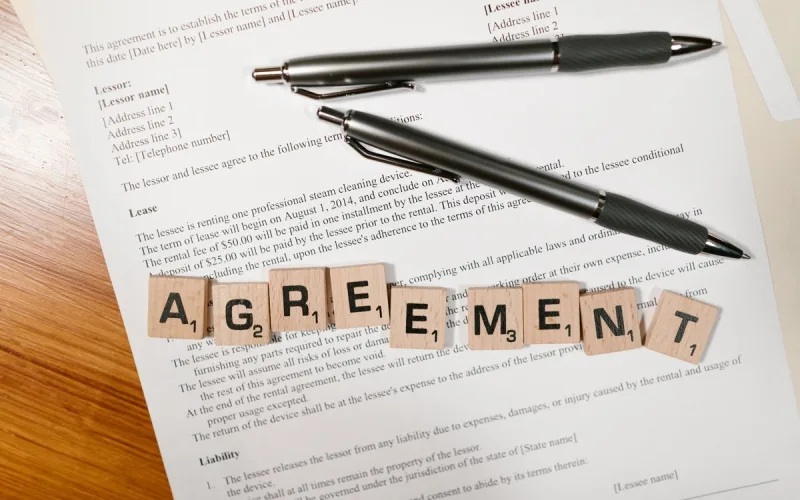
Leaving a rental property early in Thailand starts with the lease agreement. It usually sets the rental term, notice requirements, early termination consequences, security deposit rules and payments due before the property is handed back.
For a private landlord renting only one or two units, the contract and general civil-law rules remain the main reference points. Additional consumer-protection rules apply to professional landlords offering three or more residential units. For qualifying fixed-term leases, the current rules allow a tenant to terminate after occupying the property for at least half of the agreed term, provided 30 days' written notice is given and all charges due up to the effective termination date are settled.
This means a universal “30-day exit rule” should not be assumed for every tenancy. The landlord type, lease wording and applicable rules should be checked first.
What to Check in the Lease Before Moving Out
Review the clauses covering the lease term, early termination, notice, security deposit and final settlement. Check whether the agreement provides for deposit deductions, an additional charge, liability for the remaining rental period or a replacement tenant.
A detailed list of these points is available in the guide on what to check in a Thai rental agreement.
Before contacting the landlord, write down your intended move-out date, required notice period, security deposit amount and all payments that may remain due before the keys are returned.
How and When to Give Notice
Notice should be given in writing and proof of delivery should be kept. The message should identify the property, lease date, intended move-out date and request written confirmation of the settlement procedure.
If the lease requires 30, 60 or 90 days' notice, that period should be followed unless both parties agree in writing to a different date. Written confirmation helps avoid later disputes about when notice was received and what was agreed.
The parties can also agree in advance on the inspection date, meter readings, utility payments, cleaning and key handover.
What Happens to the Security Deposit?
The treatment of the security deposit depends on the lease, applicable rules and the reason for termination. A private fixed-term lease may provide for partial or full deposit deductions following an early departure. Tenants renting from professional operators may have additional consumer-protection rights restricting unjustified deductions.
A security deposit should also be distinguished from advance rent and a booking payment. These payments serve different purposes. The differences are explained in the guide to rental deposits, deductions and refunds in Thailand.
Before leaving, ask for a written settlement showing the deposit amount, outstanding rent, utilities, documented damage and the final refundable balance. Move-in and move-out photographs can be important where deductions are disputed.
Replacing the Tenant as a Practical Solution
A common practical solution in Thailand is to agree with the landlord that the existing tenant will find a replacement for the remaining rental period. The new tenant is then approved by the owner and signs a new lease or a written agreement documenting the change.
One deposit arrangement sometimes used is for the original tenant's deposit to remain with the landlord. The incoming tenant reimburses the outgoing tenant for the same amount. When the incoming tenant eventually moves out, the landlord returns the deposit to that tenant according to the terms of the new agreement.
This can allow the outgoing tenant to recover the deposit immediately while the landlord avoids receiving and returning the same amount twice. The arrangement should be documented in writing, including the amount held by the landlord, the payment between tenants, the date responsibility changes and the person entitled to receive the deposit at the end of the new tenancy.
Landlord approval is essential. A tenant should not transfer possession to another person without the owner's agreement where the lease requires consent.
Tenant Obligations Before Handover
The tenant will normally need to settle rent up to the agreed termination date, utilities and other charges required by the lease. Documented damage beyond normal wear may also form part of the final settlement.
A joint inspection is useful before the keys are returned. Record the condition of the property, furniture, appliances and meter readings, and keep dated photographs together with payment records.
Tenants looking for another property can compare current Phuket rental listings and Pattaya rentals.
What to Do if a Dispute Arises
Collect the lease, attachments, payment records, photographs, written communication, meter readings and the landlord's final calculation. Set out your position in writing and propose a specific settlement.
Where the landlord is a professional residential operator, check whether Thailand's consumer-protection rules apply. Significant disputes, large financial claims or demands for the remaining lease term may justify advice from a Thai lawyer.
Early communication often produces the cleanest result. A landlord who knows the move-out date, understands the condition of the property and has an acceptable replacement tenant has more room to agree a practical settlement.