Rental prices in Thailand often leave some room for negotiation. The final deal depends on seasonality, lease length, demand for the property, move-in date, and how quickly the tenant is ready to proceed. The strongest negotiations are based on clear market comparisons and a specific counter-offer.
How to prepare before negotiating rent
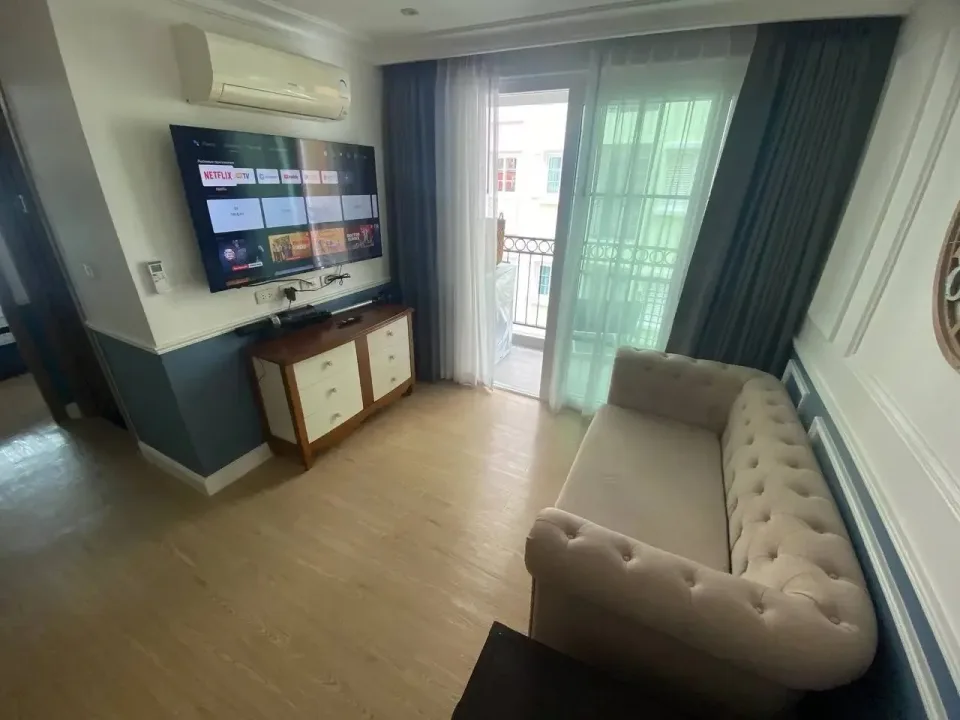
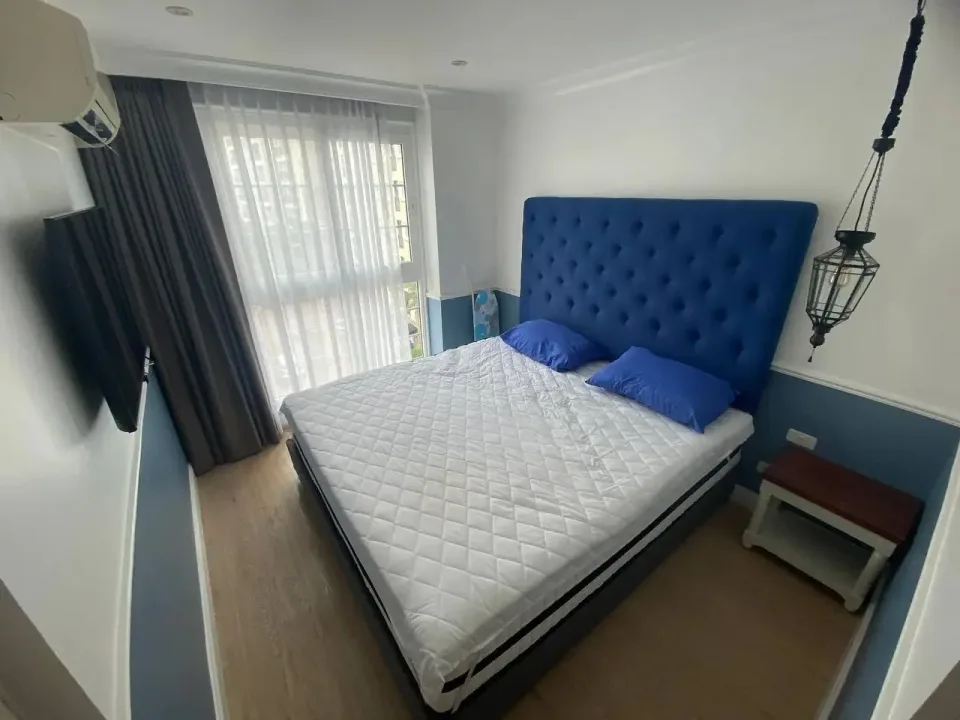
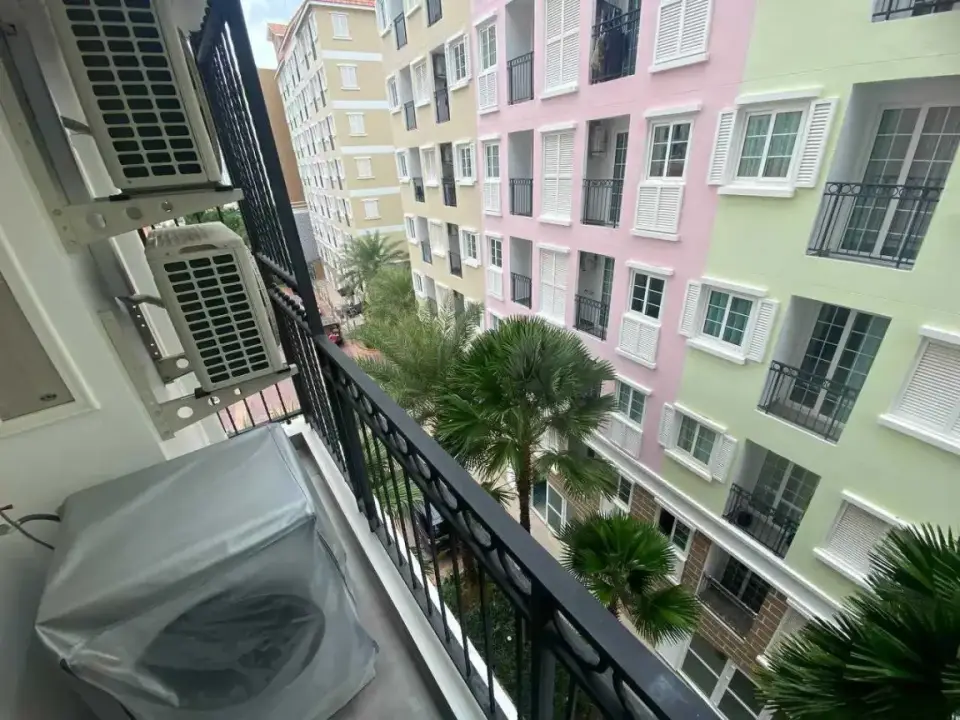
Compare several similar properties in the same area before speaking with the landlord. Look at size, condition, floor, view, furnishings, distance to the beach, development facilities, and minimum lease term.
You can compare current long-term rentals in Pattaya and rental properties in Phuket to understand the price range for comparable homes.
A simple request for a lower price gives the landlord little reason to agree. A stronger proposal combines the requested rate with a long lease, a clear move-in date, reliable payments, and readiness to sign promptly.
How much can you negotiate on the monthly rent?
For a suitable property, a counter-offer around 5–10% below the asking rate can be a reasonable starting point. There may be more flexibility when a property has been vacant, demand is low, the lease is for twelve months, or several months will be paid upfront.
Large discounts without supporting reasons can weaken the discussion. State a precise amount and explain what the landlord receives in return.
For example, if the asking rent is THB 50,000 per month, a tenant could propose THB 46,000–47,000 for a twelve-month lease with an immediate move-in. The landlord may counter with another figure or keep the rent unchanged while improving other terms.
Using lease length and upfront payment
A longer lease gives the owner greater income stability. Twelve months are usually more attractive to a landlord than a one- or three-month stay, which makes lease length one of the tenant's main negotiating tools.
Paying several months in advance can also strengthen the offer. A three- or six-month upfront payment may support a lower monthly rate. Before transferring a large amount, verify the property, the other party's authority, and the final lease terms.
Calculate the total value over the full contract. A THB 2,000 monthly reduction saves THB 24,000 over one year. In some deals, included internet, cleaning, pool care, or another recurring service can provide similar or greater value.
Can the security deposit be negotiated?
Long-term rentals in Thailand commonly involve a security deposit equal to one or two months' rent. The exact arrangement depends on the property, landlord, and contract.
The amount can be discussed together with the rent and lease term. A long contract, clear payment schedule, reliable rental history, and quick completion can support a request for a lower upfront burden or a different payment schedule.
The agreement should state the deposit amount, purpose, return procedure, and permitted deductions. Photograph the property and prepare an inventory at move-in.
Which extra conditions should you negotiate?
Focus on the total cost of living in the property. Electricity, water, internet, cleaning, and property services can materially change the monthly budget. Our guide to utilities and service costs when renting in Thailand explains the main items to check.
For a villa, clarify pool care, garden maintenance, pumps, and other equipment. For a condo, discuss internet, parking, access to shared facilities, and development rules.
Other negotiable points may include cleaning, replacement of furniture, additional appliances, pets, and minor repairs before move-in. When an agent is involved, confirm who pays the rental agent commission and what the fee covers.
Put every negotiated term in writing
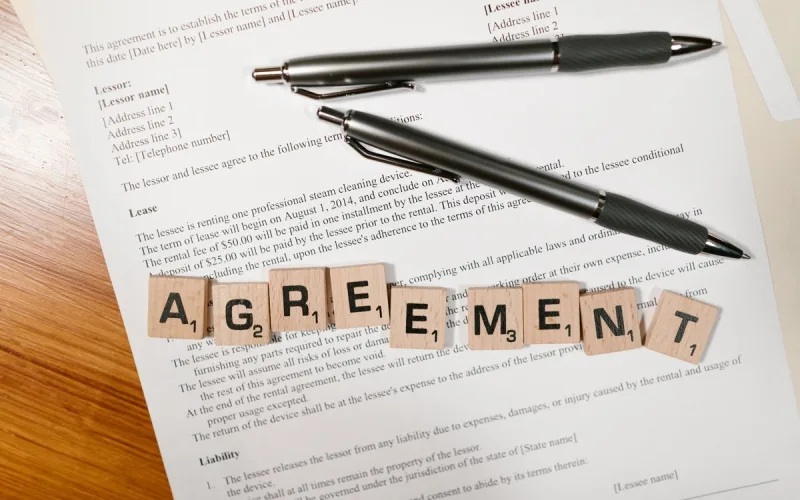
Move every agreed concession into the written lease before making the main payment. The document should show the monthly rate, lease period, payment schedule, security deposit, utility arrangements, maintenance responsibilities, renewal terms, and early-exit conditions.
If the landlord agrees to install an appliance, replace a mattress, arrange cleaning, or complete a repair, record the specific work and completion date.
Early termination also deserves attention. Agree on the notice period, financial consequences, and final settlement procedure before signing.
A practical negotiation order
Start with the monthly rent, then discuss lease length and payment schedule. Move on to the security deposit, utilities, maintenance, furniture, and exit conditions.
A strong counter-offer is simple: one price, one lease term, and clear tenant commitments. Reducing uncertainty for the landlord makes the proposal more attractive.
When tenants have less negotiating leverage
Discounts can be harder to secure during peak season, when several tenants want the same property, when the home has rare features, or when an attractive listing has just entered the market.
Compare the potential saving with the overall quality of the property. A well-located home with transparent costs and favourable terms can deliver better value than a cheaper property with recurring extra charges.
The aim is to secure a balanced package for the full tenancy: a fair monthly rate, a clear deposit, predictable expenses, and written exit conditions.