What Defines a Large Condo Development and a Boutique Residence
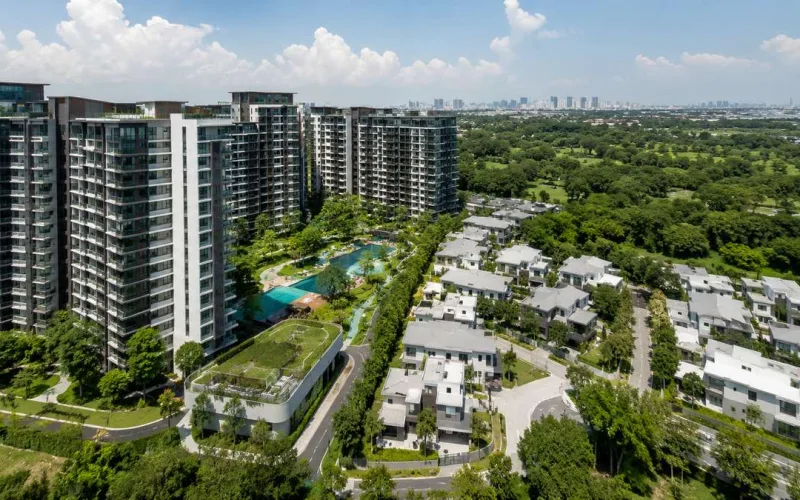
There is no universal legal threshold separating a large residential development from a boutique project. In marketing, boutique residence usually describes a building or small group of buildings with fewer units, limited resident traffic and compact shared facilities. A large development may contain several hundred residences, multiple buildings, extensive landscaping and resort-style amenities.
Unit count alone does not determine comfort. A 400-unit development may work well when it provides enough lifts, pools, parking spaces and staff. A 60-unit building can still feel crowded when it occupies a small site with one lift and a compact swimming pool.
When comparing condos in Thailand, assess four factors together: the number of units, site area, number of buildings and capacity of the shared facilities.
Density, Privacy and Everyday Noise
Higher density increases traffic through the lobby, corridors, lifts and leisure areas. Residents are more likely to hear closing doors, housekeeping carts, luggage, renovation work and conversations from neighbouring units. This is particularly noticeable in buildings with many compact apartments and active short-term rentals.
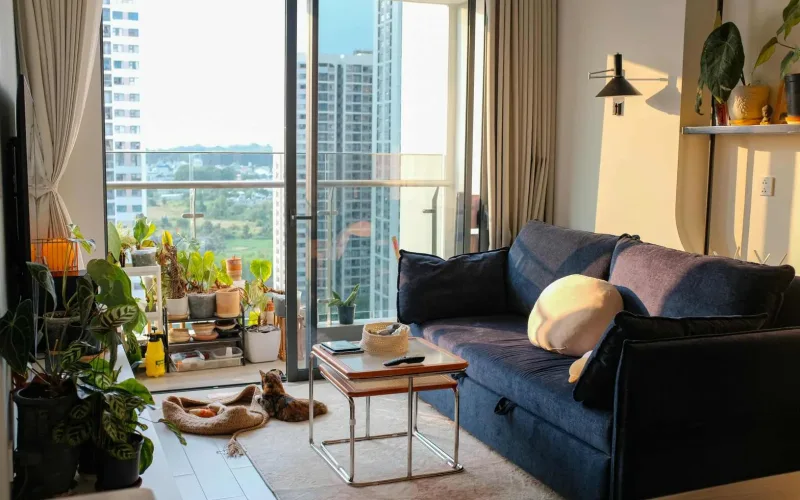
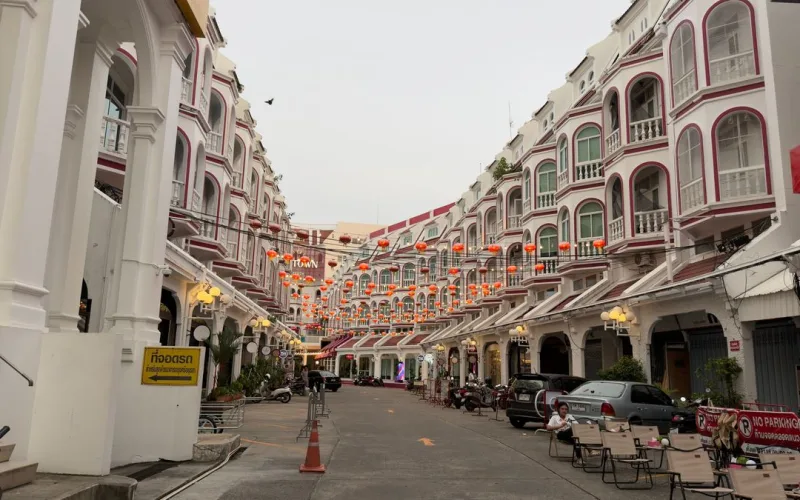
Boutique residences usually offer a quieter environment. Neighbours recognise one another, staff become familiar with residents, and the pool or gym is less likely to feel crowded. Actual privacy still depends on floor layout, door positions, sound insulation and unit orientation.
Before buying, check how many apartments share each floor and lift. Review the unit’s position relative to the lift lobby, service rooms, parking entrance, swimming pool and drop-off area. A corner apartment in a large development may be quieter than a centrally located unit in a small building.
Facilities: More Choice or Peak-Time Crowding
The main advantage of a large development is the range of shared amenities. It may provide several swimming pools, a fitness centre, kids’ club, co-working space, restaurant, sports facilities, landscaped areas and shuttle services. Owners receive a resort-style environment within the property.
A long facilities list does not show how easily residents can use them. One pool shared by several hundred units can become crowded during high season. A small gym may be busy in the morning and evening. Limited parking can create a daily problem for residents and tenants.
Boutique projects usually provide fewer amenities. Shared areas may be easier to access, while weak maintenance can still cause rapid wear. Buyers should decide which facilities they will actually use. Every owner contributes to the upkeep of tennis courts, clubhouses and multiple pools, including owners who rarely use them.
Management Quality, Common Fees and Sinking Fund
Large developments benefit from economies of scale. Security, gardening, administration and technical staffing costs are shared among more units, which may keep the monthly fee at a reasonable level. The management team must also maintain a larger site, more equipment and heavier resident traffic.
A boutique residence may deliver more personal service. Costs are divided among fewer owners, so the fee per unit can be higher. Lift replacement, roof repairs or pump upgrades can have a greater impact on the finances of a smaller condominium.
Before purchase, request the current common fee, sinking fund balance, financial statements and minutes of the latest co-owner meeting. Check owner arrears and planned repairs. It is also important to understand how rental and property management work in Thailand, as the management team directly affects building condition and tenant reviews.
How Project Size Affects Rental Demand
Large developments are generally more visible in the market. They accumulate more reviews, photographs, listings and completed transactions. Extensive facilities can appeal to families, holidaymakers, remote workers and tenants seeking a ready-made range of services.
Visibility creates internal competition. Many owners may advertise similar studios or one-bedroom units at the same time. Tenants compare price, floor, view and renovation quality within one building, forcing weaker units to offer lower rates.
Boutique projects have fewer competing listings. A well-positioned apartment with a strong view may benefit from scarcity. The tenant pool can be narrower because some clients prefer large developments with kids’ clubs, restaurants, staffed reception and several pools.
Review the number of active listings in the project, asking-rate range, time on market and seasonal discounts. Competition within the building can matter more than general demand across the district.
Resale Liquidity and Scarcity
Large condominiums usually record more transactions. Buyers can find comparable units and understand the market range more easily. Project recognition expands the buyer pool, while regular sales provide clearer pricing evidence.
High supply may limit the price growth of individual apartments. When dozens of similar units are available, buyers have strong negotiating power. Sellers compete through condition, view, floor, furniture and ownership structure.
A boutique residence can benefit from limited supply and a strong location. A sale may still take longer because the buyer pool is smaller and recent comparable transactions are less available. Buyers should understand what affects property liquidity in Thailand beyond the size of the building.
Choosing the Right Format for Living, Holidays or Investment
For permanent living, the main considerations are noise, parking, road access, lift quality, resident profile and the ability to use shared areas without waiting. A boutique project suits buyers who value privacy and accept a more compact facilities package. A large development works well for families and active residents when its site and management capacity match the number of units.
For seasonal use, a large project provides an established resort environment and a broad range of services. A boutique residence offers a calmer atmosphere with less of a hotel feel. The right choice depends on the owner’s daily habits.
For rental use, identify the target tenant. A mass-market project may provide broad demand and transparent pricing while creating stronger competition between landlords. A boutique residence may appeal to tenants seeking privacy and exclusivity when it has a strong location and professional management.
When comparing new developments in Thailand, avoid choosing solely by the number of pools or the limited unit count. Review facility capacity, condominium finances, rental rules, management quality and the characteristics of the exact unit. The best project is the one that matches your objective and intended use.