Life by the Sea Starts With Daily Reality
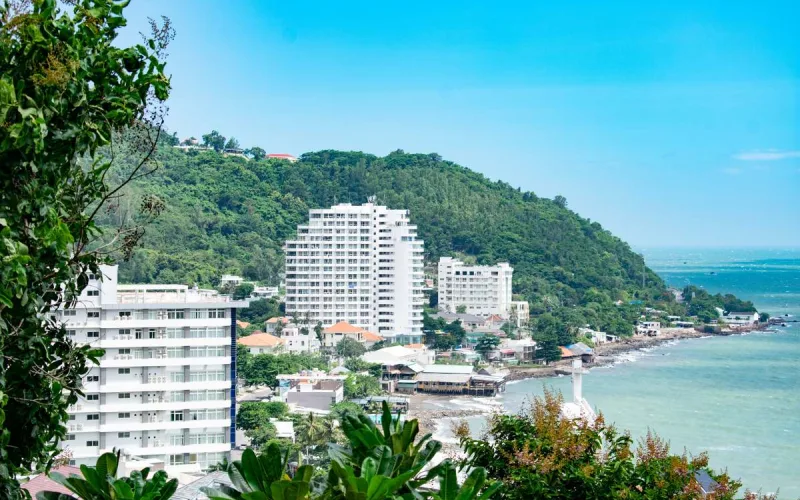
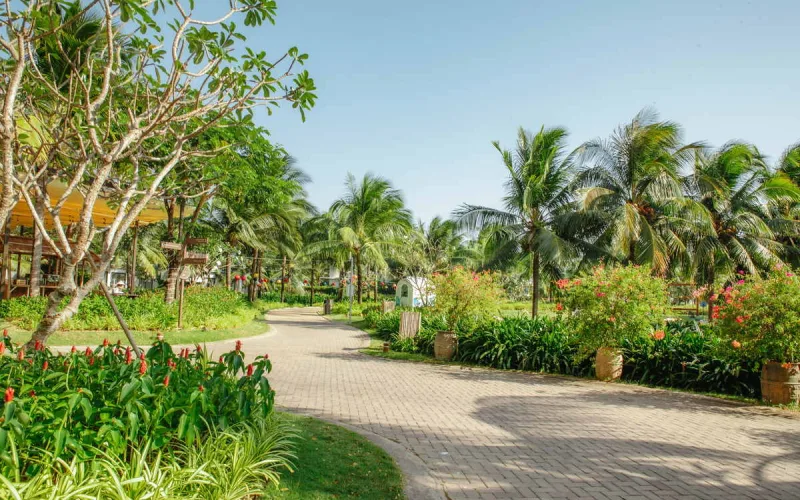
Living by the sea in Thailand is attractive for clear reasons: warm weather, beaches, greenery, fresh fruit, outdoor activities and a slower rhythm. During a holiday, it looks like a ready-made picture: sea nearby, sunshine, cafés, pool and a view from the window.
For long-term living, other details become more important. The area must work every day: access to shops, school, healthcare, internet, transport, evening noise, property condition after rain, air-conditioning maintenance, pool care and garden upkeep.
Buyers considering property near the beach in Thailand should look beyond beach distance. Real comfort is shaped by details that become visible after several weeks of ordinary daily life.
Main Advantages of Coastal Living
The first advantage is climate. In Thailand, people spend more time outdoors, walk, swim, exercise, visit the beach after work and live without a winter break.
The second advantage is lifestyle. Coastal living makes it easier to include walking, swimming, terrace breakfasts, evening time by the water, fitness, yoga, children’s activities or relaxed family routines.
The third advantage is property choice. Pattaya, Phuket, Koh Samui and Hua Hin offer different formats: condominiums, private pool villas, townhouses, gated residences and managed estates.
The fourth advantage is the international environment. Popular coastal areas have schools, clinics, cafés, services, sports clubs, children’s activities and foreign communities. For many families, this matters more than the beach itself.
Humidity and Property Care
Humidity is the main daily factor of coastal life. It affects walls, furniture, clothes, appliances, wooden elements, doors, fittings and bathrooms.
Air conditioners work more often, wardrobes need ventilation, bathrooms and kitchens should stay dry, and storage areas need airflow. Apartments near the sea show dampness faster, while villas require more attention to gardens, pools, façades and engineering systems.
Mold appears where humidity, poor ventilation and closed spaces meet. Before choosing a property, buyers should check windows, bathrooms, kitchen areas, storage rooms, ceilings, air conditioners and indoor smell.
A sea view is pleasant, while ventilation quality and maintenance directly shape everyday comfort.
Rainy Season and Area Choice
The rainy season in Thailand does not mean constant rain every day. Rain often comes in periods, and the weather can change quickly. For coastal living, the important issue is the area and infrastructure.
Low-lying roads may flood. On hillsides, it is important to check access roads, drainage, parking and stormwater systems. Along the coast, the sea changes during the season: some beaches become less comfortable for swimming, waves get stronger, water becomes cloudy and storms bring debris to shore.
Before buying or renting long-term, it is worth visiting the area during the wet season. This shows how roads work, whether flooding appears, how quickly water drains and how convenient it is to reach the property after heavy rain.
Noise Near the Beach
Sea access does not automatically mean quiet surroundings. Beach streets often have bars, cafés, night markets, hotels, motorbikes, music, short-term rentals, construction and tourist traffic.
In Pattaya, noise is stronger in central areas and on popular streets. In Phuket, the situation depends on the exact location: Patong, Kata, Karon, Bang Tao, Rawai and Nai Harn all have different rhythms. On Koh Samui and Koh Phangan, peacefulness also changes from beach to beach.
For long-term living, it is better to check the street and neighbouring properties. A house 500 metres from the sea can be quieter than a beachfront apartment above a busy road.
Transport and Daily Routes
Coastal living quickly reveals how convenient an area is beyond the holiday impression. The real daily routes matter: supermarket, school, clinic, gym, local market, café, bank, service centre and airport access.
Phuket often requires a car or motorbike. Taxis on the island can increase monthly costs, especially with frequent trips. Pattaya is easier without private transport because the city is denser and many areas are connected by shared routes and short rides.
Hua Hin is calmer, although a car adds freedom. On Koh Samui, personal transport strongly affects quality of life, especially when the house is outside the central areas.
Before choosing a property, it is useful to map a normal day: school in the morning, work during the day, shopping in the evening, beach on weekends, hospital visit and airport pickup. After this check, the area becomes much easier to judge.
Insects and Tropical Environment
A tropical climate means an active environment around the home. In Thailand, ants, mosquitoes, geckos, mosquito screens, garden treatment and regular cleaning are part of ordinary life.
Villas with gardens create more contact with nature. This is attractive, and it also requires maintenance: grass, trees, wet zones, pool, drainage and outdoor lighting. Homes with wooden elements need termite prevention.
In a condominium, these tasks are reduced, while owners depend more on building rules, common areas, neighbours, lifts, parking and the management team.
Coastal property requires discipline: ventilation, cleaning, pest control, air-conditioning service and attention to damp areas.
Repairs, Services and Maintenance
Service quality in Thailand depends on the area, management company and specific contractors. Simple tasks can be solved quickly, while some works take longer, especially in high season.
A villa has a pool, garden, pumps, filters, air conditioners, roof, drainage, façade, gate and outdoor lighting. An apartment has air conditioners, plumbing, furniture, appliances, building fees and residence rules.
That is why buyers should look beyond the purchase price. It is important to understand who will maintain the property, how much regular work costs and which expenses appear after handover.
It is worth estimating property owner expenses in Thailand in advance: maintenance, utilities, management, repairs, insurance, pool care and garden care.
Where Coastal Living Feels More Comfortable
Phuket suits buyers who want beaches, nature, international schools, villas and developed infrastructure. The island is more expensive, and many areas are difficult without a car.
Pattaya is more practical for budget, transport and city infrastructure. It is easier to find a condo near the sea, and daily expenses are often lower than in Phuket.
Hua Hin offers a calmer pace, seaside living, Bangkok access and a more predictable daily environment. It suits families, retirees and people who value a steady routine.
Koh Samui offers island living, nature and villas, while logistics and healthcare require more attention.
Koh Phangan and Koh Lanta suit people looking for quietness and a slower rhythm. Service choice is narrower, so daily compromises are more noticeable.
What to Check Before Buying or Renting
Before choosing a coastal property, it is worth asking direct questions. Which beach is nearby, and is it suitable for swimming? How noisy is the area in the evening? What happens during the rainy season? Is there mold in bathrooms or wardrobes? How does ventilation work? Where is the nearest clinic? How much do taxis cost? Who maintains the pool? Is the internet stable? Where do residents buy groceries?
For a condo, check the management company, common fees, rental rules, parking, lift condition, humidity in corridors and air-conditioning performance.
For a villa, check the garden, pool, drainage, roof, façade, pumps, gates, access road, security and maintenance budget.
A beachside condo does not always rent well by default. Rental performance depends on the area, building condition, view, management, seasonality, competition and rental format.
How to Approach the Decision
Living by the sea in Thailand can be comfortable when the area and property are chosen with a practical mindset. The sea is a strong advantage, while ordinary life depends on routes, costs, climate and maintenance quality.
The best approach is to live in the area first and buy later. This reveals the real daily environment: noise, humidity, transport, shops, roads, neighbours, management quality and property condition.
Our guide on moving to Thailand before buying property helps structure this test period and avoid choosing a property based only on attractive photos.
Final Thoughts
Coastal living in Thailand offers warmth, nature, beaches, an active lifestyle and a wide choice of property. Daily comfort requires attention to humidity, seasonality, repairs, insects, transport, noise and monthly costs.
A good coastal property is defined by more than the view and distance to the beach. The area, access roads, building quality, ventilation, maintenance, management and post-purchase budget matter just as much.
When these factors are checked in advance, life by the sea becomes a practical and enjoyable everyday lifestyle.