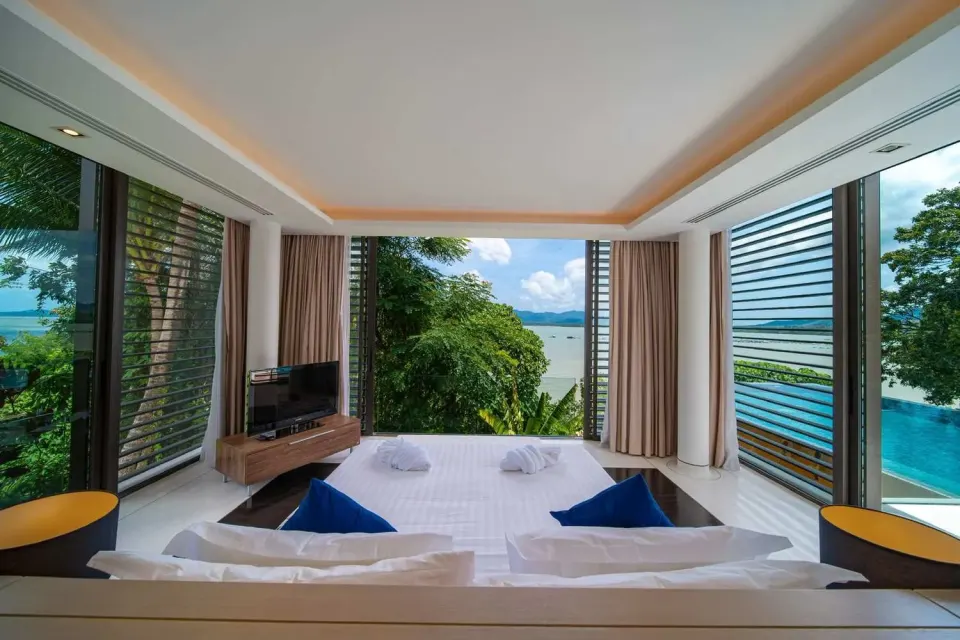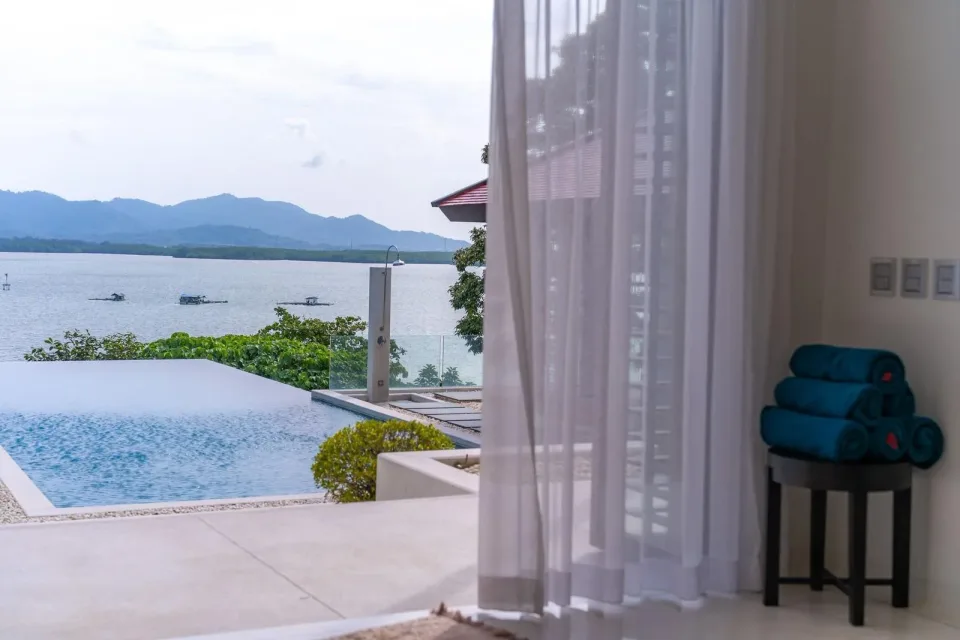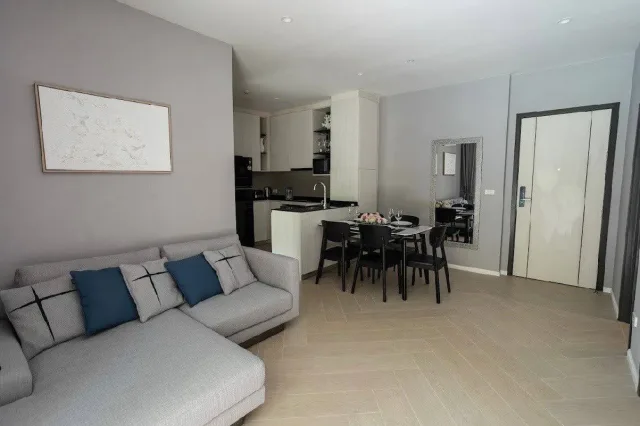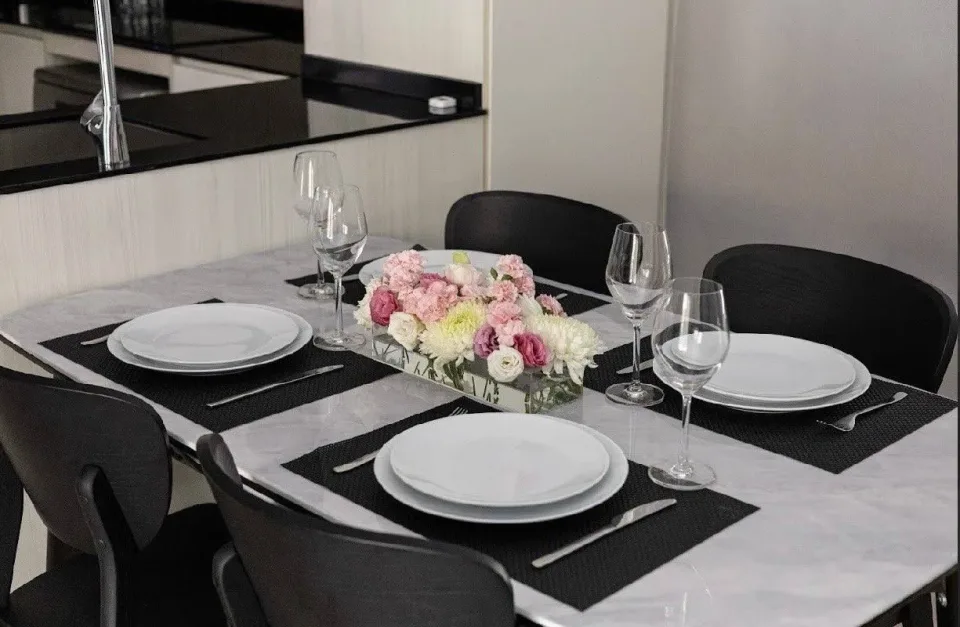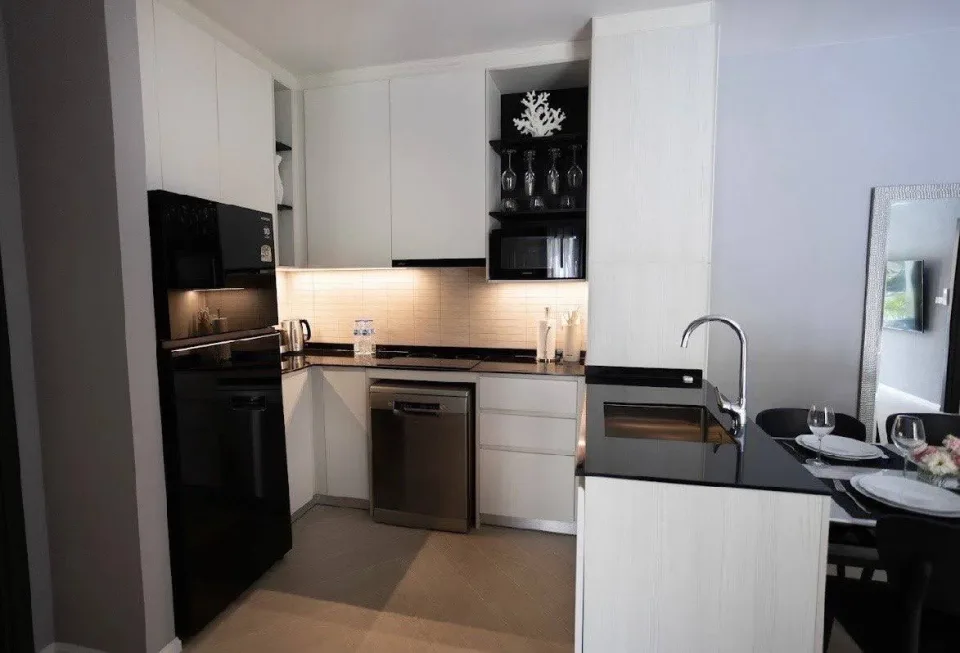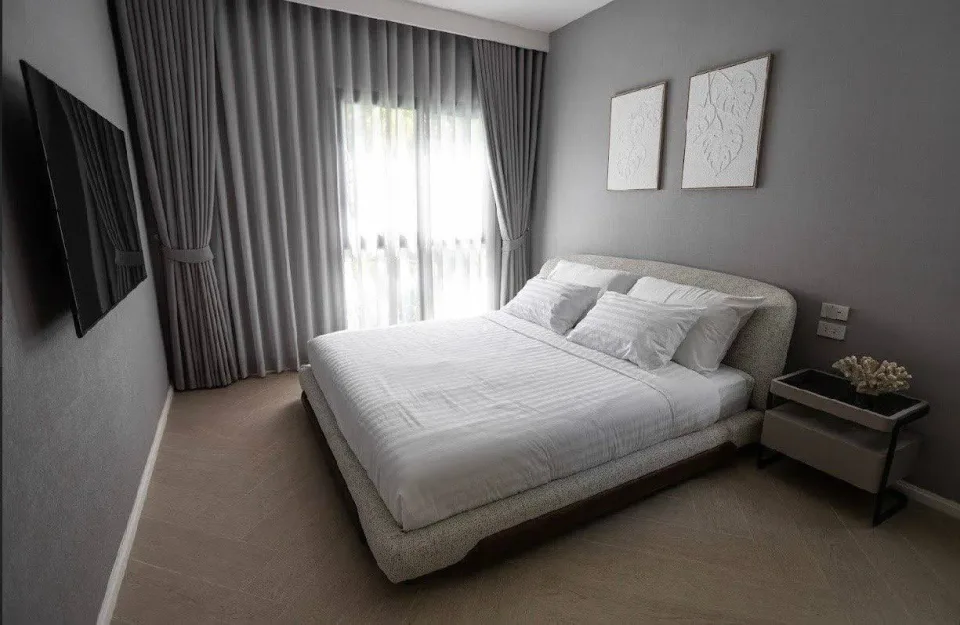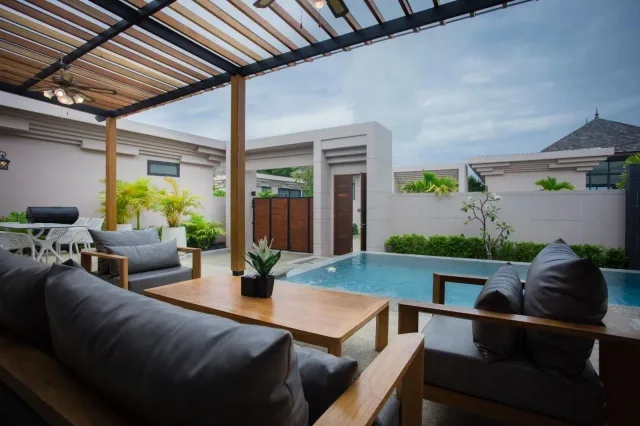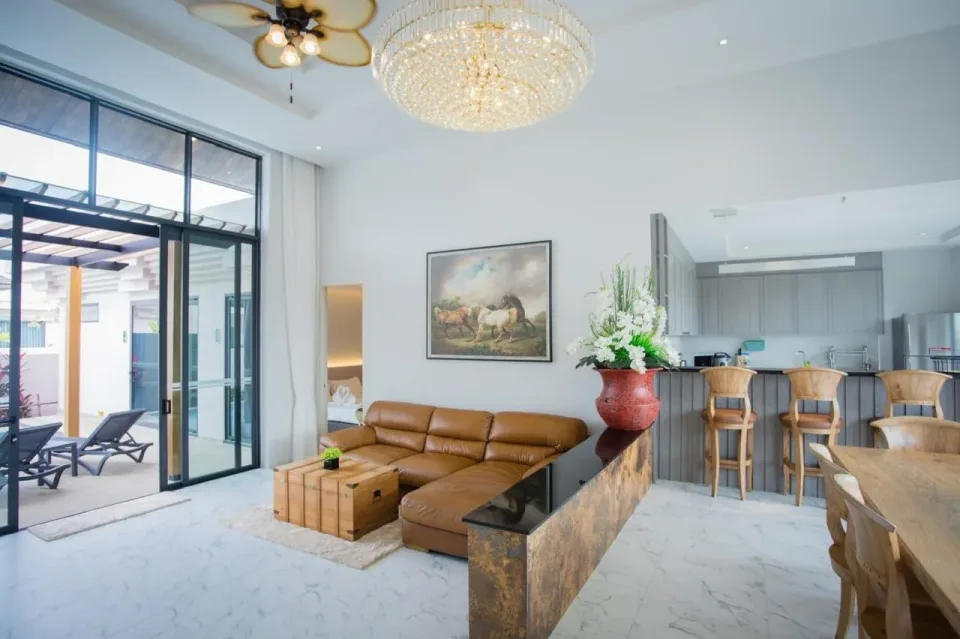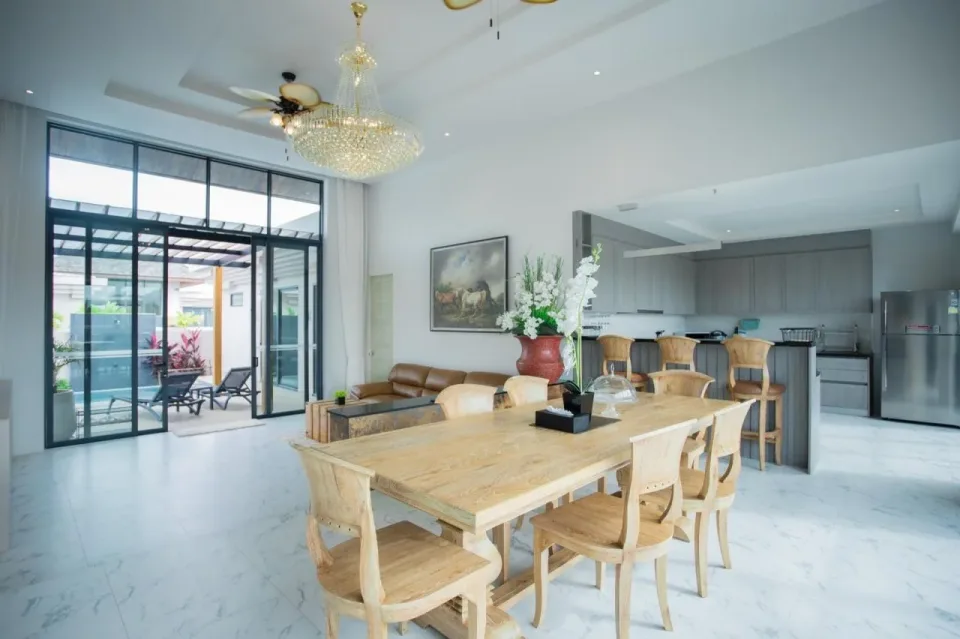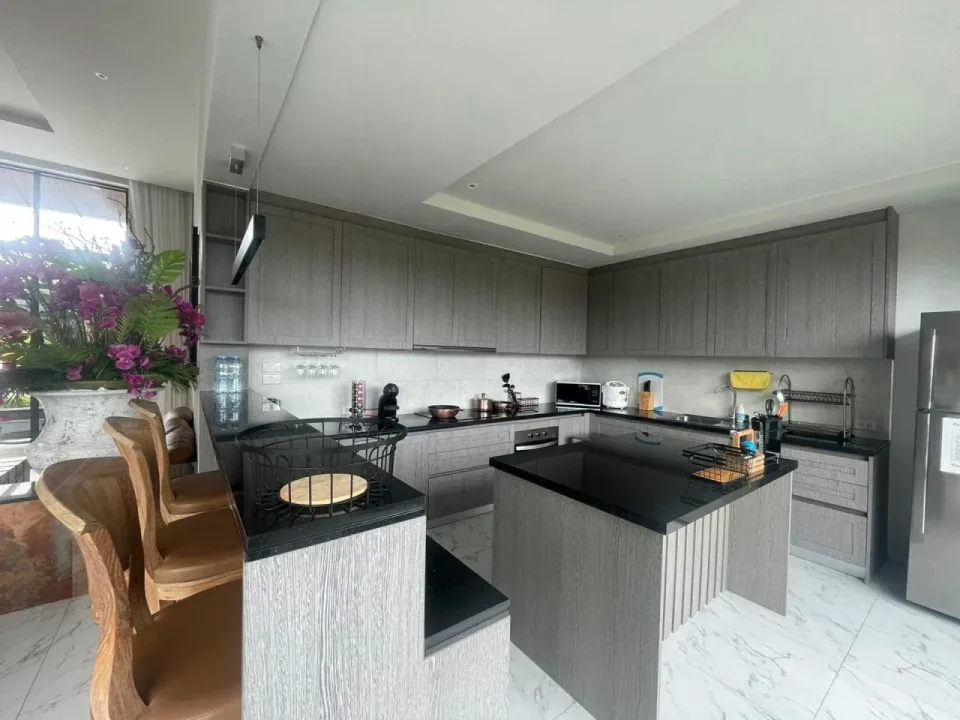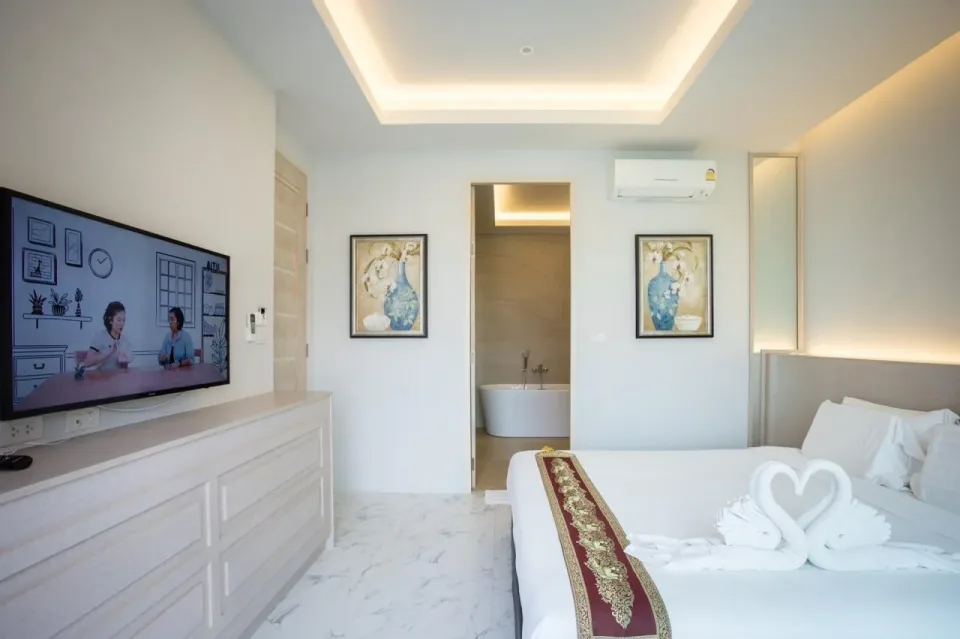
A move-in inspection records the condition of a condo, apartment or villa before the tenant starts living there. Ideally, the tenant and landlord or representative should walk through the property together, test the equipment, record utility meter readings and document any existing damage.
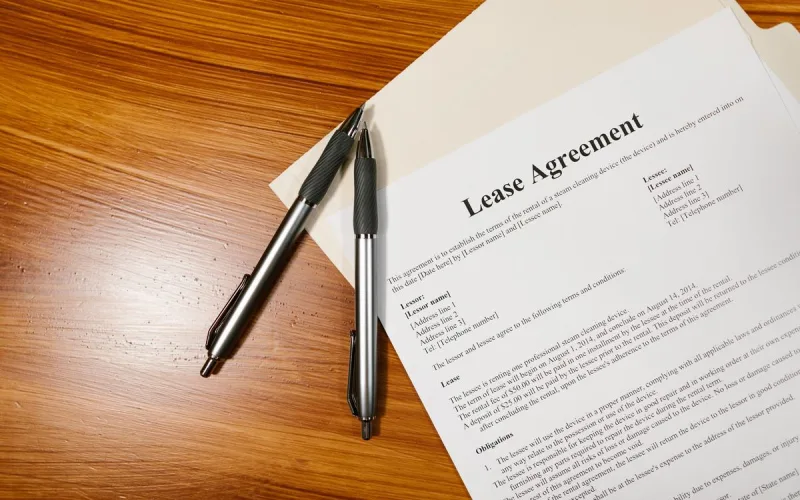
The inspection is easiest to complete before unpacking. If the lease is still being finalised, compare the handover terms with our guide to Thailand rental agreements. Renters still searching for a home can browse current long-term rentals in Phuket before applying the inspection process to a selected property.
Why inspect a rental on move-in day
The purpose of the inspection is to establish the property's starting condition. Scratches on flooring, stains on furniture, chipped tiles or damaged cabinet doors should be documented before regular use begins.
Walking through the property room by room reduces the chance of missing important details and creates a clear record for comparison at the end of the tenancy.
Pay particular attention to expensive furniture, built-in appliances, plumbing and surfaces where damage may later be attributed to the tenant. This documentation can also support discussions about the security deposit. Our guide to rental deposits in Thailand explains deductions and refunds in more detail.
What to check in every room
Start with the overall condition of the room. Inspect walls, ceilings, floors, tiles, doors and windows for cracks, scratches, stains, moisture marks, damaged paint and chipped surfaces.
Open windows and balcony doors and test locks, handles and latches. Check mosquito screens where they are part of the property.
In bathrooms, run hot and cold water, check water pressure and drainage, test taps, showers, toilets and water heaters, and look underneath sinks and around wet areas for signs of leakage.
Test the main electrical sockets and switches. Turn on lighting throughout the home, including balconies, terraces and outdoor areas where applicable.
How to check furniture and appliances
Inspect furniture systematically in each room. Look for stains and wear on sofas and chairs, scratches or chips on tables, and problems with wardrobe doors, hinges and drawers. Check the mattress carefully, especially for a long-term rental.
Run every air-conditioning unit for several minutes. Confirm that it cools properly and operates without excessive noise or visible leaks. It is also useful to check the condition of accessible filters at handover.
Make sure the refrigerator cools and the freezer works. Test the stove, extractor fan and lighting. Run the washing machine on a short cycle to confirm that it fills and drains correctly.
Water heaters, televisions, ovens, microwaves and other supplied appliances should also be tested. Remote controls, cables and accessories provided with the property should be included in the inventory.
How to record electricity, water and meter readings
Locate the electricity and water meters on move-in day. Record the opening readings and take a clear photograph of each meter. Where a meter number is visible, include it in the photograph as well.
The starting figures should ideally appear in the handover record or another document acknowledged by both parties. Keep a copy of any written confirmation sent to the landlord or property manager.
Opening readings separate the new tenant's usage from previous consumption. The purpose at this stage is to establish the baseline figure; the applicable electricity and water rates belong to the wider monthly-cost calculation.
The same process applies to long-term rentals in Pattaya, including condominium units where meters may be located inside the property or managed through the building office.
What to photograph and record on video
A useful sequence is to photograph the whole room first, then the relevant area, followed by a close-up of each defect. This provides both location context and detail.
Record walls, floors, ceilings, furniture, kitchen surfaces, plumbing fixtures, appliances, windows, doors and balconies. Take separate close-ups of scratches, stains, cracks, chips, damaged furniture and signs of moisture.
Short videos are useful for showing appliances in operation: an air conditioner cooling, water running from taps, a washing machine starting or a villa gate opening. Video can also capture the overall condition before personal belongings are moved in.
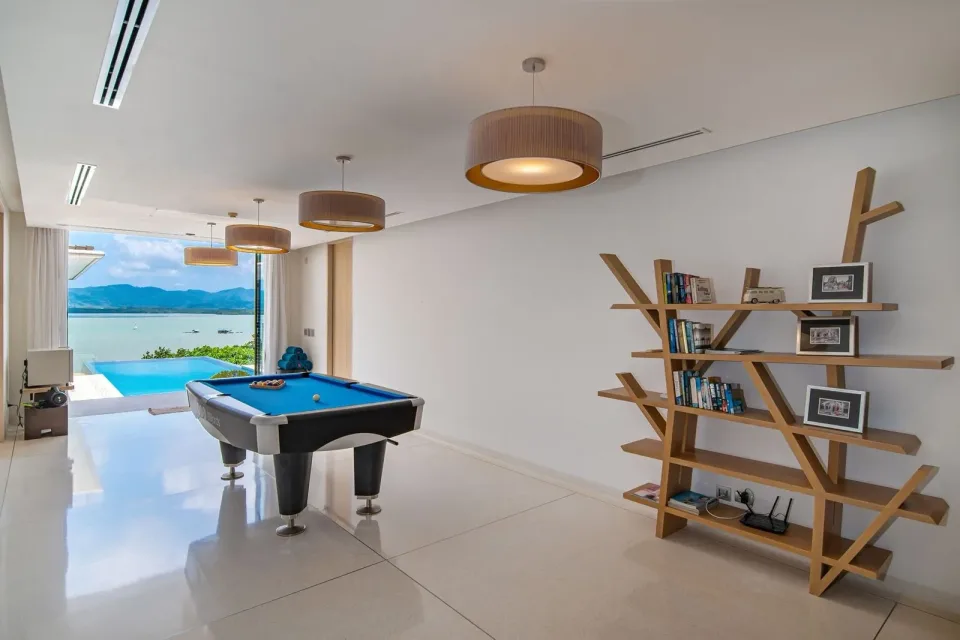
For villas, additionally document the swimming pool, surrounding surfaces, garden, outdoor furniture, gates, exterior lighting, parking and any equipment supplied with the home.
How to complete the inventory and report issues
The inventory should reflect what is actually handed over with the property. Include furniture, appliances, remote controls, keys, access cards and other supplied items.
For each item, record its condition in simple terms. Existing scratches, stains, chips, upholstery damage or items requiring repair should be identified and supported with photographs where useful.
Send the completed list of issues to the landlord or representative in writing. A jointly signed inventory works well, as does a dated written record accompanied by photographs. If repairs are promised after move-in, record the agreed work and expected timing.
Count all keys and access cards at handover. Villa rentals may also include gate remotes, keys to service areas and controls for property equipment.
What to keep until the rental ends
Store photographs and videos together with the rental agreement, inventory and opening meter readings. Keep these records until the final financial settlement after moving out.
Written reports, landlord replies and records of completed repairs should be retained as well. Together they provide a clear history of the property's condition during the tenancy.
Before moving out, repeat the same inspection route through the rooms, furniture, appliances, plumbing and utility meters. Comparing the move-in and move-out records makes it easier to distinguish changes during the tenancy from conditions documented at the beginning.