After a foreign national moves into a property in Thailand, the property owner, landlord, accommodation manager or another responsible host reports the address of residence to Thai immigration using the TM30 notification. For tenants, this provides a record of the address that may later be relevant to immigration procedures.
The filing responsibility sits with the accommodation provider. The tenant supplies the required personal and arrival information and should obtain proof once the notification has been completed. The wider rental process is covered in our guide to renting property in Thailand as a foreigner.
What TM30 is and why it matters to renters
TM30 is Thailand's notification of residence for foreign nationals staying at a specific address. It can apply to condos, apartments, houses, villas, hotels and other forms of accommodation.
For a tenant, the practical purpose is to establish the recorded place of residence. This information may be relevant when dealing with immigration matters such as extensions of stay, residence certificates and other address-related procedures.
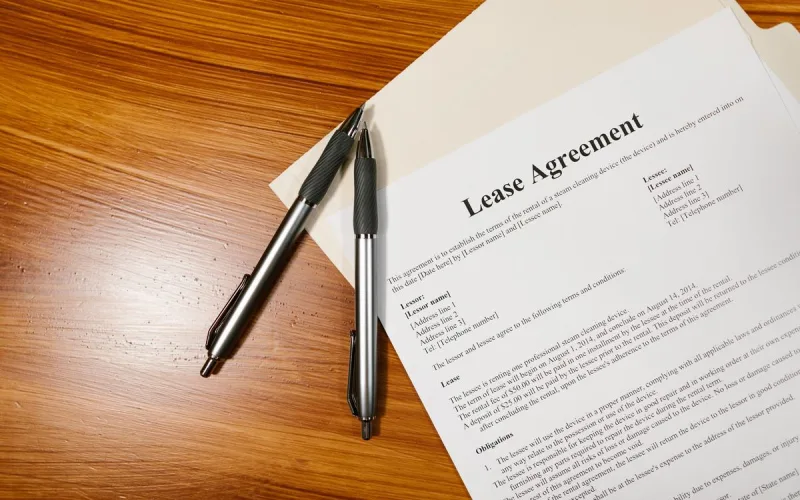
The rental agreement and TM30 serve different purposes. The agreement governs the relationship between the landlord and tenant, while TM30 records the foreign resident's address with immigration. Before signing a lease, review the key clauses in our guide to Thailand rental agreements.
Who is responsible for filing TM30
The reporting responsibility generally belongs to the property owner, landlord, accommodation manager or another person responsible for providing the place of residence. Hotels normally handle the process through their management, while a private rental is usually reported by the owner or an authorised representative.
The tenant provides the information needed for the notification, including passport and arrival details, the move-in date and, where requested, a copy of the rental agreement.
Before paying or moving in, it is useful to confirm who will submit the TM30 and how you will receive proof of registration afterwards.
Documents and information usually required
The tenant is commonly asked for a copy of the passport photo page, current visa or entry stamp and details of the latest arrival in Thailand. A signed rental agreement may also be requested.
The landlord normally provides identification and documents connecting them to the property, such as a Thai ID card or passport, property ownership information, house registration or other relevant property records. Exact requirements can vary according to the filing method and local immigration office.
Providing clear and accurate copies helps prevent errors in passport numbers, dates of arrival and property addresses.
When TM30 should be filed after moving in
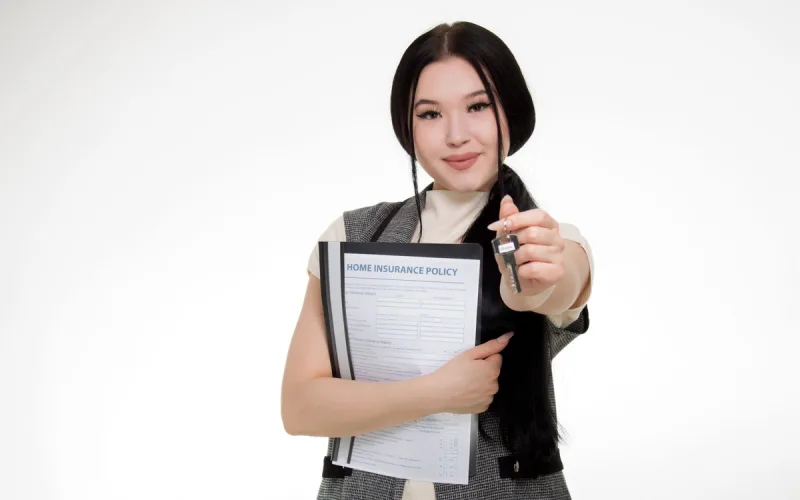
The search results and procedural guidance consistently refer to filing within 24 hours of the foreign national arriving at the residence. For this reason, the TM30 process is best discussed when the keys are handed over.
A move to a new address requires a notification for the new residence. Requirements following travel and return to the same address can depend on the circumstances and current immigration practice, so tenants should confirm the applicable rule with the local immigration office when needed.
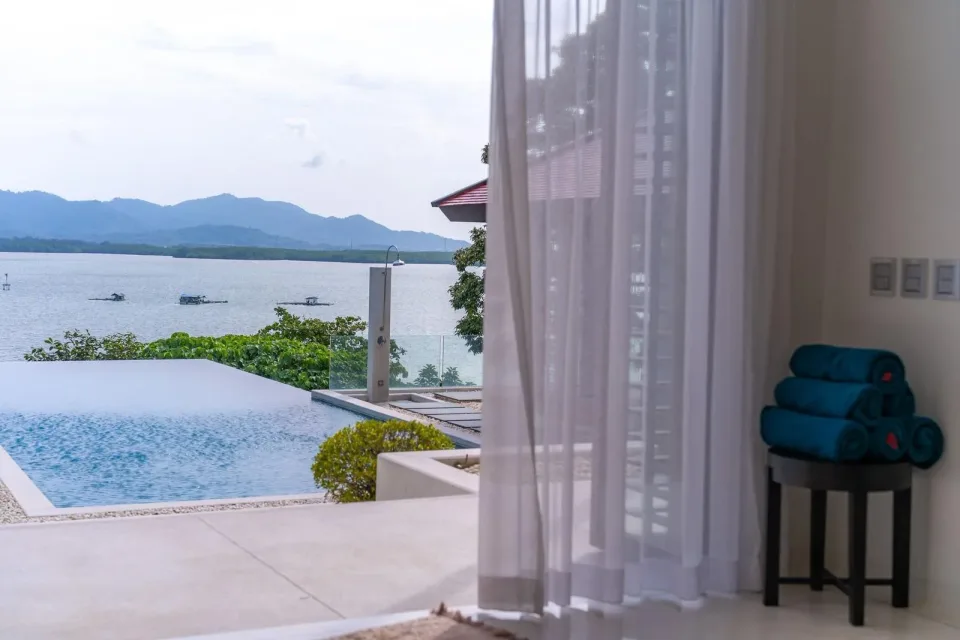
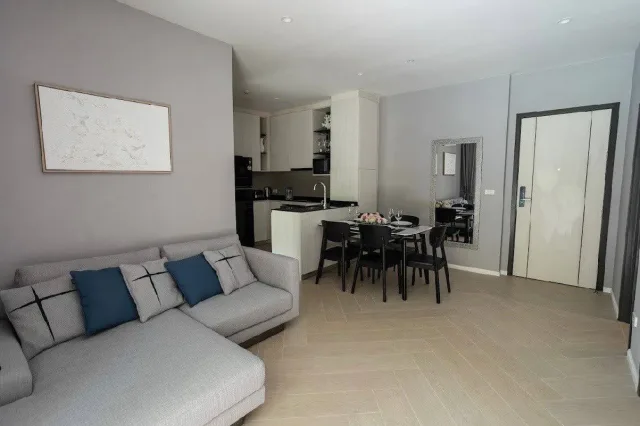
If you are still choosing where to live, current long-term options can be explored through our Phuket rental listings and Pattaya rentals.
What to obtain from the landlord after filing
Ask for evidence showing that the notification was submitted and accepted. This may be a printed receipt, an electronic confirmation or another record produced by the official system.
Check your name, passport number, property address and filing date. Any discrepancy is easier to address while the landlord or property manager is still dealing with the registration.
Keep a digital copy together with your rental agreement and passport records. A printed copy can also be useful when visiting an immigration office.
How to check whether TM30 has been filed
The simplest approach is to ask the landlord or property manager for the filing confirmation. The document should identify the foreign resident and the registered address.
Where the official system provides access to the record, the accommodation provider can show the submitted registration. Tenants can also visit the local immigration office with their passport and rental documents to ask staff to check the registered address.
The key point is that the recorded address should match the place where you actually live and your personal details should match the documents used to enter Thailand.
What to do if there is no TM30 record
Contact the landlord, manager or authorised representative first and ask them to complete the notification. Keep the request in writing and have your passport, arrival information and rental agreement ready.
If the issue remains unresolved, contact the local immigration office and ask which procedure applies to your circumstances. In some cases, immigration staff can guide the tenant through the available options when the relevant accommodation and landlord documents are available.
Penalties and administrative consequences depend on the applicable rules and circumstances. For a disputed case, current requirements should be confirmed directly with immigration.
What to check immediately after moving in
After receiving the keys, confirm that the accommodation provider has your correct details and understands the TM30 requirement. Once the filing is completed, obtain proof, check the address, passport details and filing date, and keep the record with your rental documents.
This simple step can reduce complications during later immigration procedures and forms part of a well-organised long-term move into a rented home in Thailand.