How to Decide Who Pays for a Repair
Responsibility for repairs in a Thai rental property depends on the cause of the problem, the rental agreement and the type of work required. The landlord will generally handle significant technical faults and necessary property repairs. The tenant will commonly cover ordinary upkeep, minor household maintenance and damage caused by the tenant.
The lease may separately allocate air-conditioning servicing, filter replacement, pool maintenance, garden care and other routine tasks. These provisions should be reviewed together with the deposit terms before move-in.
| Situation | Who Usually Pays |
|---|---|
| Air conditioner fails because of age or a technical fault | Landlord |
| Routine air-conditioner cleaning | According to the rental agreement |
| Refrigerator fails during normal use | Landlord |
| Appliance is damaged by the tenant | Tenant |
| Old pipe or concealed plumbing connection leaks | Landlord |
| Drain is blocked because of improper use | Tenant |
| Minor household maintenance | Tenant or according to the lease |
| Normal wear and tear | Landlord |
If you are still looking for a home, compare maintenance responsibilities alongside rent, deposits and included services. Current rental properties in Phuket and long-term rentals in Pattaya provide practical examples of individual rental conditions.
Who Pays for Air-Conditioner Repairs and Servicing?
Air conditioners operate intensively in Thailand, so a technical fault should be distinguished from routine servicing. If a compressor, control board, fan motor or another major component fails during normal use, the repair will generally fall to the landlord.
Filter cleaning and scheduled servicing may be allocated by the lease. Some landlords arrange the service, while other agreements place routine cleaning costs on the tenant.
If a fault results from misuse, unauthorised work on the unit or prolonged neglect of an obvious problem, the tenant may become responsible for the resulting cost. Report unusual noise, leaking water or loss of cooling promptly and keep a written record.
Refrigerators, Washing Machines and Other Appliances
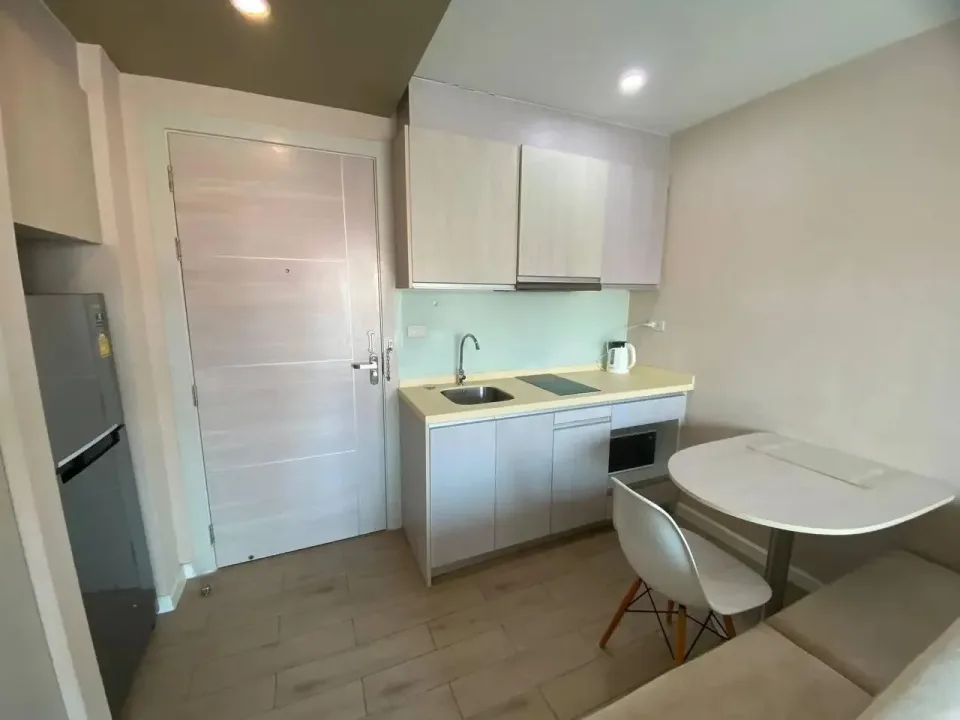
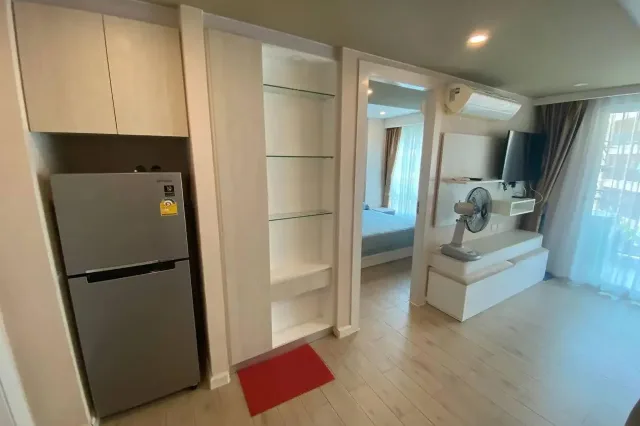
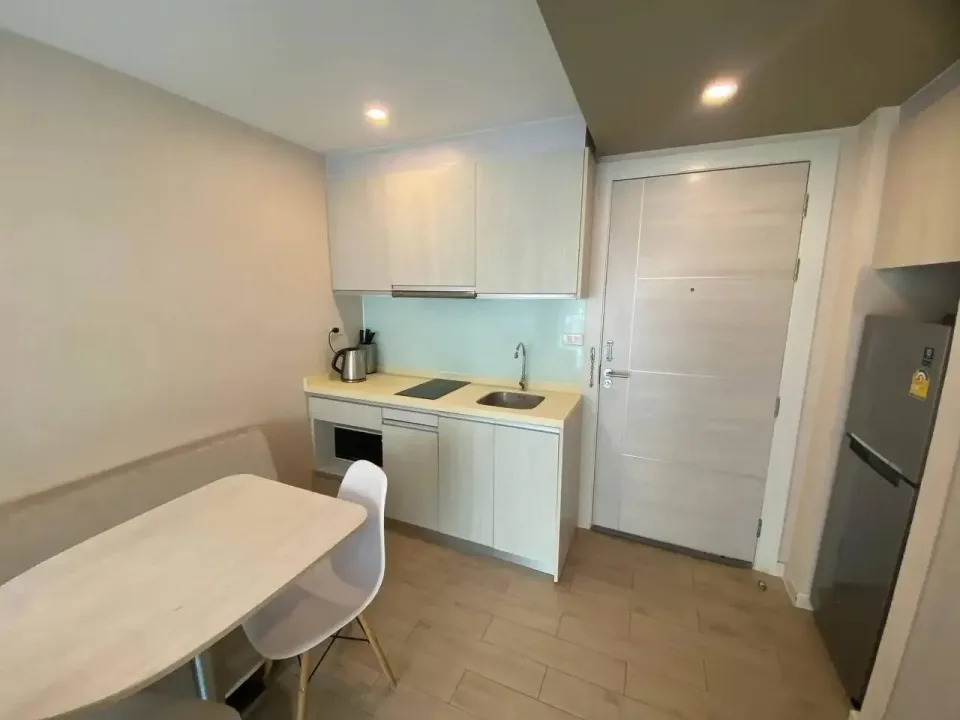
The same cause-based approach applies to household appliances. A refrigerator, washing machine, hob or water heater that reaches the end of its service life or develops an internal fault during normal use will generally require action from the landlord.
Physical damage caused by the resident can shift responsibility to the tenant. Examples include broken glass panels, damaged appliance doors, forced controls and other identifiable mechanical damage.
The condition of each item at handover matters. Photographs, video and a signed inventory help establish whether a defect already existed. Our guide to a rental move-in inspection in Thailand explains how to create this record.
Plumbing Leaks and Emergency Repairs
The source of a leak determines the next step. Deteriorated pipes, concealed connections, faulty water heaters and defects in property systems generally require landlord involvement. A blockage caused by inappropriate items or improper use may become the tenant's responsibility.
When water is escaping quickly, the priority is to limit further damage. Shut off the water where possible, contact the landlord or property manager and document the affected area. If the source belongs to a condominium's common system, building management may also need to become involved.
Prompt reporting matters. A small leak can damage flooring, furniture or neighbouring units when left unattended for an extended period.
Normal Wear and Tear Versus Tenant-Caused Damage
Normal wear develops gradually through ordinary use. Surfaces age, seals deteriorate, finishes fade and appliance components reach the end of their service life.
Broken glass, damaged furniture, burnt worktops, broken doors and damaged appliances may justify a claim against the tenant where responsibility can be demonstrated.
A written condition record from the beginning of the tenancy is particularly useful when distinguishing an existing defect from later damage.
Can a Tenant Arrange a Repair Directly?
The usual first step is to notify the landlord or property manager. Describe the problem, provide photographs and ask for written confirmation of how the repair should be handled. This allows the parties to agree on the contractor, cost and payment method.
Where urgent action is required to prevent further property damage, retain photographs, messages, invoices and payment receipts. These records will be important when the cost is discussed afterwards.
Deducting a repair bill directly from the next rent payment can create a dispute unless the arrangement has been agreed in writing.
When Can Repair Costs Be Taken from the Security Deposit?
A security deposit may be used to cover substantiated damage for which the tenant is responsible under the lease and the circumstances of the case. Evidence should establish the original condition, the damage and the amount claimed for repair or replacement.
Normal wear should be assessed separately from tenant-caused damage. Move-in records, photographs, inventories and repair documents provide the basis for comparison. Our guide to rental security deposits in Thailand covers deductions and final settlement in greater detail.
A practical response to any fault follows four steps: document the problem, report it in writing, identify the cause and agree on the repair before payment whenever circumstances allow.