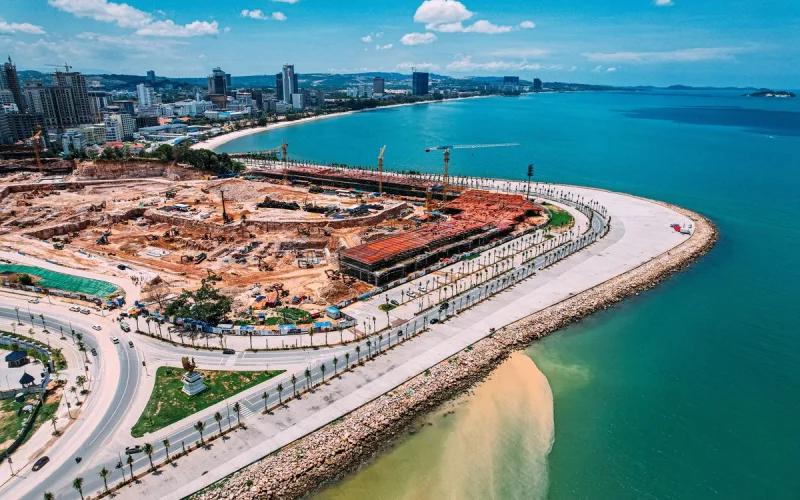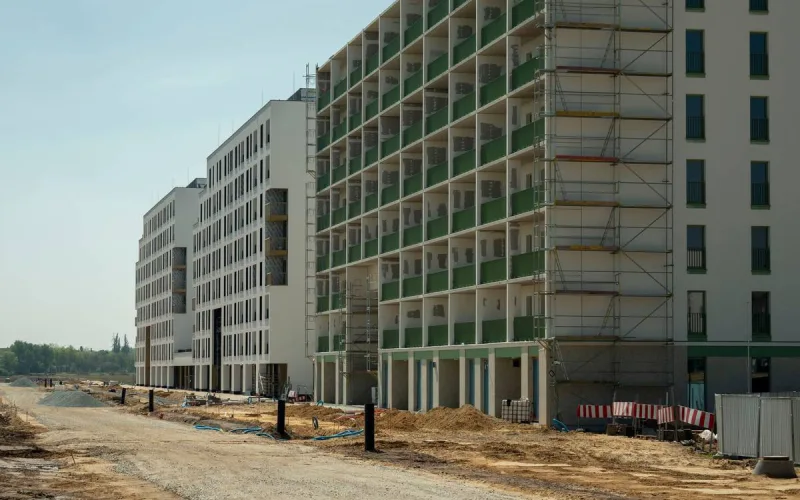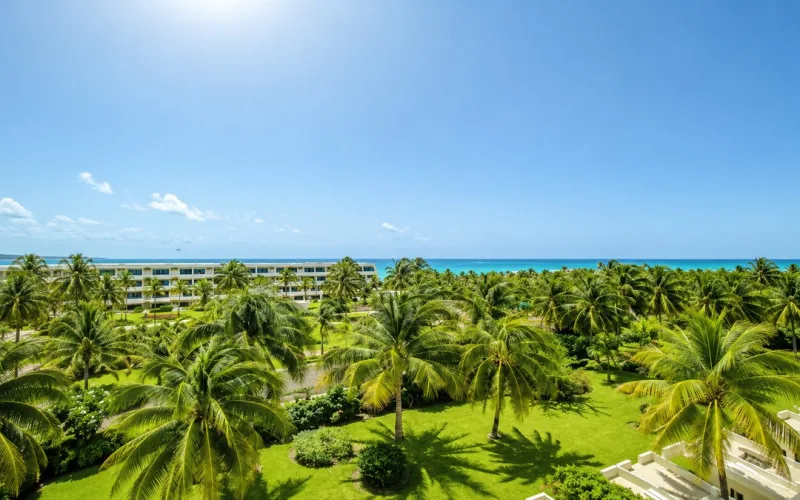
A condominium with an open sea view can cost considerably more than a comparable apartment facing the garden or city. Buyers often pay extra for a higher floor, panoramic windows and an unobstructed horizon. However, an empty plot between the building and the coastline may eventually become another condominium or hotel.
New construction in Thailand can partially or completely block an existing sea view. A view from an apartment does not ordinarily give its owner control over neighbouring land. Before paying a reservation deposit, buyers should investigate nearby plots, building restrictions, planning approvals and proposed developments.
This guide explains how to assess that risk in Phuket, Pattaya and other Thai property markets.
Can a New Building Block Your Sea View?
Consider an eighth-floor apartment overlooking the coast. A vacant plot sits between the building and the beach. Today, the owner enjoys a wide view over trees and open land. Several years later, a new condominium is approved on that neighbouring property.
Depending on the building's height, location and footprint, the development could obstruct part of the coastline or the entire horizon.
Buying on a higher floor can reduce exposure to some nearby buildings, but it does not guarantee an unobstructed view. Distance, terrain elevation, window orientation and the position of neighbouring structures all affect the result.
Particular attention is needed when a vacant plot lies directly between the apartment and the sea, when later construction phases are planned nearby, or when the open land belongs to an unrelated owner.
When comparing condominiums for sale in Phuket, consider how the position of each building affects the view. A side-facing apartment may sometimes have less exposure to future construction than a unit looking directly across vacant land.
How to Identify Neighbouring Land Plots
Start with a map of the condominium and determine the direction from the apartment towards the sea. Identify vacant parcels along that line, including land across roads and small undeveloped areas between existing buildings.
Thailand's Department of Lands provides the LandsMaps parcel mapping service. It can help locate land plots and display available parcel information.
Record the parcel reference, land title number and administrative location where available. These details make subsequent enquiries more precise.
Chanote, also known as Nor Sor 4 Jor, is a Thai land title document identifying registered ownership and surveyed land boundaries. The relevant local Land Office maintains the official land records.
Online mapping information is intended for preliminary identification. Legal confirmation of ownership, boundaries and registered rights requires verification through the appropriate land records. Detailed owner information may not be publicly accessible online.
Pay attention to large areas comprising multiple adjoining parcels. Separate plots can sometimes be consolidated for a future development.
How to Check Zoning and Building Height Restrictions
Once the plot has been identified, the next step is establishing what type of construction is legally permissible.
Thailand regulates development through building control laws, town planning requirements and environmental protection measures. The applicable restrictions depend on the location and characteristics of the individual parcel.
In Phuket, coastal distance, elevation above sea level, hillside gradients and local planning zones can influence building height and permitted development.
Environmental protection rules published in December 2024 establish special requirements for coastal areas of Phuket. The first 20 metres from the relevant shoreline are subject to strict building restrictions and statutory exceptions. The following coastal band includes a six-metre height limit.
These figures should never be applied across the entire island without checking the governing zone and current regulations. Other coastal bands, town planning rules and development categories have different requirements.
Pattaya is subject to its own planning framework in Chonburi Province. Phuket-specific restrictions cannot be assumed to apply there.
Request the current zoning designation and building restrictions for the exact parcel from the relevant local planning or municipal authority.
The practical question is: what is the maximum legally permissible development on this particular piece of land?
How to Find Future Developments in ONEP
A vacant plot may already be associated with a proposed residential development, even when there are no construction fences, promotional signs or sales offices nearby.
Thailand's Office of Natural Resources and Environmental Policy and Planning, known as ONEP, operates the Smart EIA Plus environmental assessment database.
The database provides information about projects subject to environmental impact assessment requirements. Certain condominium developments must complete this process under the applicable legal criteria.
Search by province, district and project category. Thai project names and registered developer company names are especially useful because official filings may use different names from those used in property marketing.
Review the proposed location, development type, applicant, report number and assessment status. Where a map is available, compare the recorded project position with the vacant parcels near the apartment.
The assessment stages must be interpreted correctly. A submitted report indicates that documentation has entered the review process. Formal approval is recorded separately with an approval reference and date. Environmental approval does not itself replace a construction permit.
Absence from the database does not establish that the land will remain vacant. A development may be at an earlier planning stage or fall outside the specific EIA requirements.
How to Verify Construction Permits
Contact the authority responsible for building permits in the relevant municipality or local administrative area.
Provide the parcel details, location and any known project information. Ask whether a construction permit has been issued and whether approved plans identify the building type, height, floors and position within the site.
For multi-building projects, the layout of the entire development matters. A secondary building may obstruct the sea view even when the main tower is located elsewhere.
Sometimes a valid permission exists before construction becomes visible. In other cases, a development may be promoted while its final design is still subject to approval.
If a seller claims that construction is prohibited on neighbouring land, ask for documentary evidence of the relevant restriction.
For broader land documentation checks, see our guide to land titles, ownership records and property encumbrances in Thailand.
How to Assess the Risk Before Paying a Deposit
Combine the legal information with the actual position of the apartment. A building may be legally permitted without necessarily blocking the view from the unit you intend to purchase.
Start by identifying the orientation of the living room and balcony. Draw a line towards the visible coastline and locate neighbouring parcels along that direction.
Compare the apartment's elevation with the possible height of future buildings. On sloping land, ground elevation can be as important as the number of storeys.
| Check | Information required |
|---|---|
| Adjacent land | Parcel boundaries and identifying references |
| Zoning | Permitted development categories |
| Building height | Applicable limits and approved dimensions |
| ONEP records | Proposed projects and assessment status |
| Building permits | Authorised construction details |
| View corridor | Potential obstruction from the selected floor |
For an expensive sea-view apartment, a local architect or engineer can assess the sightline using survey information, terrain elevations and proposed building plans.
Similar questions arise when comparing Pattaya apartments for sale, particularly in areas where high-rise condominiums stand next to lower buildings and vacant land.
What if the Seller Promises a Permanent Sea View?
A promise of a permanent sea view should be supported by clear evidence.
If land between the condominium and the coast belongs to a third party, its future use depends on the applicable legal restrictions and ownership rights.
Request the development master plan, relevant land records and any documents supporting claims about protected views. Marketing illustrations of surrounding land may become outdated as neighbouring sites develop.
For an off-plan purchase, examine how the contract describes the apartment's floor, number, orientation and material characteristics. Ask whether the seller has accepted any specific contractual obligation regarding the advertised view.
Before paying a reservation deposit, review the wider documentation required when buying property in Thailand.
Before purchasing: identify the surrounding plots, check their development potential and assess the actual line of sight from the apartment. If reliable information is unavailable, the uncertainty should be reflected in the price you are prepared to pay.