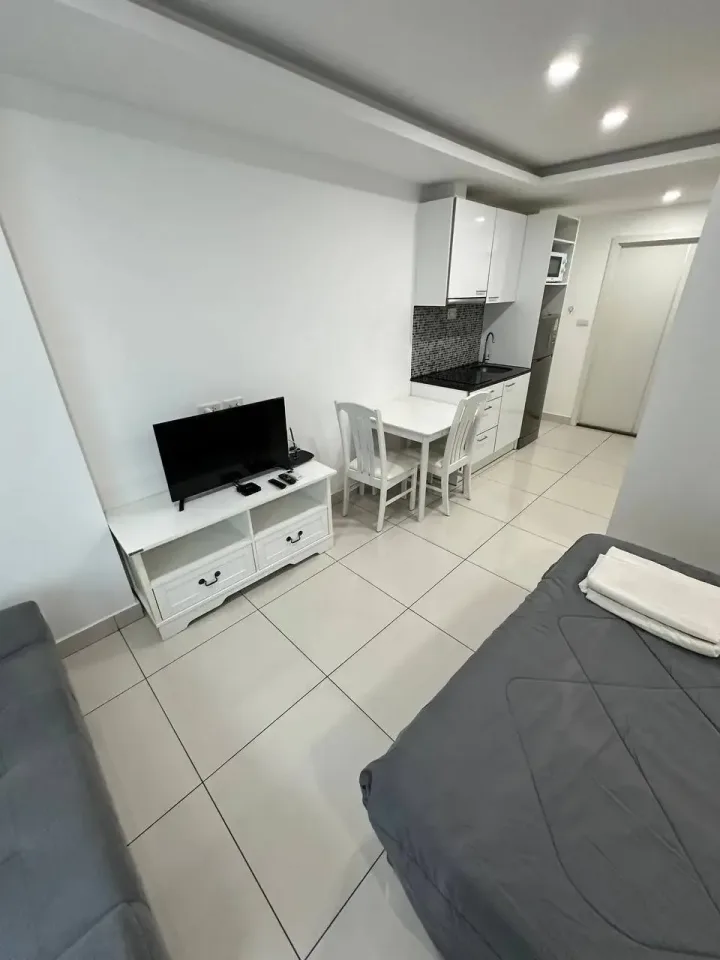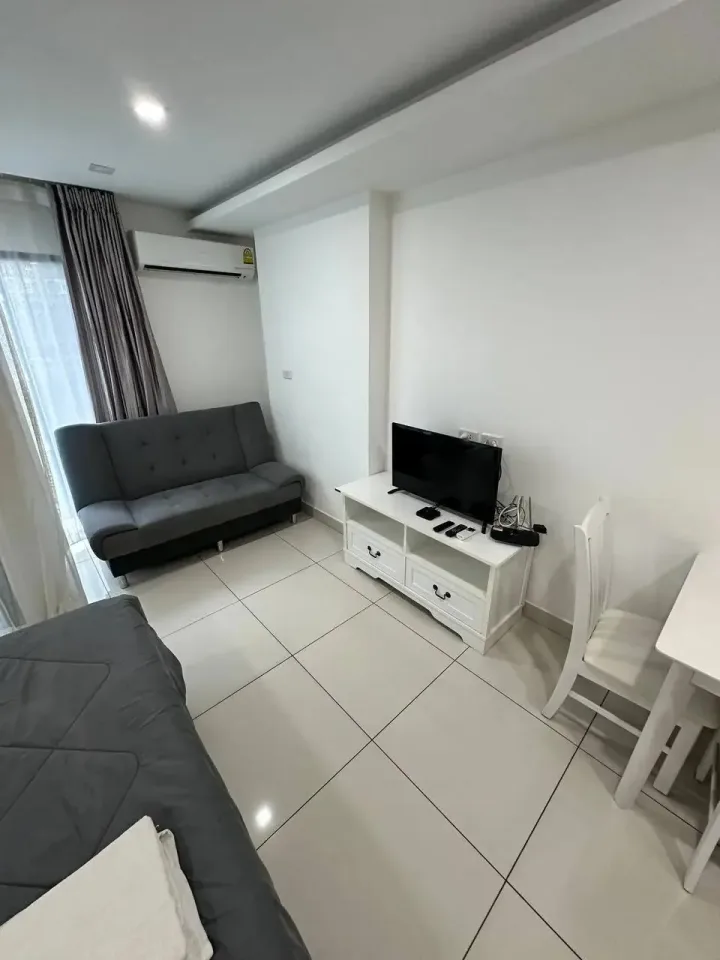
A reliable tenant is selected through verifiable information: identity, income, rental history, household composition and willingness to follow the lease terms. A consistent screening process helps a landlord reduce the risk of late payments, disputes and property damage.
Set the selection criteria before speaking to applicants
Start by defining the required lease term, payment date, permitted household size, pet policy, smoking policy and residential community rules. Apply the same relevant criteria to every applicant.
Compare the proposed terms with current market supply. Rental properties in Phuket show common lease periods and property specifications on the island, while Pattaya rental listings provide a useful comparison with a different price range and demand profile.
Prepare a short application covering:
- preferred move-in date and lease term;
- all intended occupants;
- occupation and source of income;
- pets;
- reason for moving;
- previous landlord contact details;
- acceptance of the property’s residential rules.
Written criteria make applicants easier to compare and reduce the influence of personal impressions.
Hold an initial conversation before the viewing
The first conversation should clarify the applicant’s expectations and identify any conflict with the property terms. Ask about the reason for moving, preferred lease length, expected move-in date and usual method of paying rent.
Confirm who will occupy the home, whether regular guests are expected, whether the household has pets and whether parking is required. For a villa with a pool or garden, discuss maintenance access and responsibility for equipment.
A responsible applicant normally gives clear answers and asks sensible questions about payments, repairs and house rules. Pressure for immediate access, conflicting dates and evasive responses justify further review.
Verify identity and immigration details in Thailand
A Thai applicant may provide a national identification card. For a foreign tenant, verify the passport, current visa or entry permission and contact details. The name should match the lease and payment records.
The practical paperwork is explained in the document checklist for foreign tenants in Thailand. The landlord will also require information for the TM30 residence notification when a foreign national moves into the property.
Obtain document copies with the applicant’s knowledge and explain their purpose. Access should be restricted, and a reasonable retention period should be established.
Confirm income and employment
Assess affordability through the source, stability and regularity of income. An employee may provide an employment letter, recent payslips or bank statements. A business owner or independent professional may use company documents, active contracts and several months of transaction records.
Employer details can be checked through the company’s official website or main telephone number. Contact the employer with the applicant’s permission and limit the questions to role, employment period and current status.
A single large deposit provides limited evidence of long-term affordability. Regular income, a clear source of funds and sufficient money after essential expenses give a stronger picture.
Review rental history and landlord references
Ask for previous addresses, occupancy dates and contact details for landlords or property managers. Obtain permission before contacting them.
Useful questions for a previous landlord include:
- Do the stated tenancy dates match?
- Was rent paid by the agreed date?
- Were the property rules followed?
- What was the condition of the home at move-out?
- Were there documented deductions from the security deposit?
- Would they rent to the applicant again?
Confirm that the reference is connected to the stated property. Neutral questions about the building, lease period and management arrangements can help establish this connection.
Assess warning signs as a complete picture
Further review is appropriate when the application conflicts with the documents, addresses change repeatedly without a clear explanation, the source of funds remains unclear, payment is proposed through an unrelated third party or the applicant pushes to bypass the normal process.
A single concern may have a reasonable explanation. Several unrelated inconsistencies create a higher risk. Record the findings under five headings: identity, affordability, rental history, compatibility with property rules and document completeness.
A consistent scoring method supports a fact-based decision. Personal characteristics unrelated to performance of the lease should be excluded.
Record every agreement before handing over the keys
Once an applicant is selected, confirm the exact property, lease term, rent, due date, security deposit, utilities, repair responsibilities, pet conditions, visitor rules and early termination procedure.
The main provisions are covered in the guide to checking a Thailand rental agreement. Any terms agreed in messages should be transferred into the signed document.
At handover, prepare an inventory, record the condition of the property, note utility meter readings and count the keys. Each party should receive matching copies of the lease, attachments and handover record.
Tenant screening reduces avoidable risk, while a clear lease establishes the working rules for the tenancy. The strongest decision combines verified information, direct communication and written terms.