Why a new property still needs a detailed inspection
Fresh finishes, new furniture and clean rooms can make a property appear fully ready. A closer inspection may reveal hollow tiles, moisture marks, poorly adjusted doors, weak water pressure or incorrect equipment connections. Some findings are cosmetic, while others may lead to expensive repairs after moving in.
The inspection focus also depends on the property stage. Buyers considering new developments in Thailand usually inspect the unit before final handover. With completed condos and villas, the inspection should also cover signs of use, worn seals, appliance condition and older water damage.
Each finding should identify the exact location, the visible symptom and the required correction. A note such as “poor finish” is too broad. “Hollow floor tile beside the bathroom entrance” gives the developer a clear item to repair.
Defects in walls, ceilings, tiles and flooring
Common wall and ceiling issues include uneven surfaces, hairline cracks, paint drips, visible filler, stains and damp patches. Side lighting often reveals waves and imperfections that are difficult to see under normal ceiling lights. Inspect corners, window surrounds, air-conditioning units and pipe penetrations carefully.
Floor and wall tiles should be tapped gently across the full surface. A solid sound usually suggests good adhesion, while a hollow or ringing sound may indicate insufficient adhesive beneath the tile. Check for:
- cracks, chips and scratches;
- uneven levels between adjacent tiles;
- irregular or incomplete grout lines;
- incorrect slopes in bathrooms, showers and balconies;
- cement, adhesive or sealant residue.
Laminate flooring may show gaps, swelling, squeaking or movement underfoot. Timber surfaces should be checked for scratches, moisture marks and inconsistent colour. Compare all supplied finishes with the contract and the guide to furniture and finishing packages in Thai new developments.
Plumbing, drainage and waterproofing problems
Wet areas should be tested while the systems are running. Open every tap for several minutes, then assess pressure, water temperature, drainage speed and the pipe connections beneath each sink. Flush every toilet repeatedly and direct shower water toward corners, glass screens and thresholds.
Typical findings include:
- drips around pipes or fittings;
- weak or unstable water pressure;
- slow drainage;
- standing water away from the drain;
- sewer odours;
- gaps in silicone seals;
- damp marks inside cabinets, on walls or on ceilings.
Standing water after testing usually indicates an incorrect floor slope. Persistent puddles can lead to staining, odours and moisture penetration. Ceiling marks on the level below, blistered paint and dark grout require a closer waterproofing assessment.
Electrical and air-conditioning faults
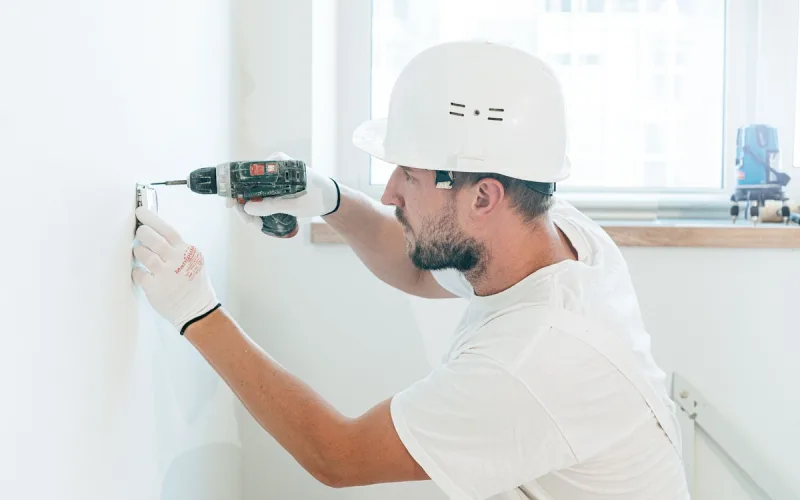
Test every socket with a voltage indicator or a small electrical device. Each switch should control the correct light, and the circuit breakers should have clear labels. Grounding is especially important in bathrooms, kitchens and outdoor areas.
Common electrical findings include:
- dead sockets;
- loose switches or faceplates;
- flickering lights;
- incorrect breaker labels;
- overheating plugs or sockets;
- missing power connections for built-in appliances.
Run every air-conditioning unit in cooling mode. Check the air temperature, noise, vibration and airflow after several minutes. Inspect the indoor unit for dripping water and confirm that the condensate pipe drains correctly. Water on a wall or floor may indicate a blockage, poor pipe slope or faulty installation.
Windows, doors and built-in furniture
Open and close every window and door several times. Frames should move smoothly and locks should operate without excessive force. Examine seals along the full perimeter and look for scratches on the glass from several angles in daylight.
Frequent issues include:
- misaligned doors;
- frames rubbing against the floor or surrounding structure;
- loose handles and hinges;
- gaps around windows;
- damaged insect screens;
- scratched glass or frames;
- uneven cabinet fronts;
- sticking drawers and doors;
- damage to worktops and fitted furniture.
Inspect the inside of kitchen cabinets, especially around sinks and pipes. Run built-in appliances through their main functions. Compare the model, quantity, colour and condition of supplied items against the signed specification.
Defects commonly found in villas and private pools
A villa inspection should cover the interior, exterior walls, roof, terraces, garden and outdoor utility systems. After tropical rain, examine ceilings, walls, window openings and the lower part of the façade for damp marks, salt deposits or blistered paint.
Check how water drains across the site. Paved areas should direct rainwater away from the building. Standing water near foundations, gates or plant rooms may indicate inadequate slopes or drainage.
For a private pool, inspect:
- the pool shell, tiles and grout;
- the water level and possible signs of leakage;
- the pump and filtration system;
- drains, lights and water jets;
- the surface surrounding the pool;
- the plant room and pipework;
- ladders, handrails and safety barriers.
Outdoor lights, gates, irrigation, water heaters and reserve pumps should also be tested. Large cracks, recurring leaks, unstable electrical systems and pool equipment faults require assessment by a suitable specialist.
How to document defects and verify completed repairs
Record every defect as a separate item. State the room, exact location, visible symptom and expected correction. Attach a wide photograph and a close-up image. Video is useful for leaks, unusual sounds, weak pressure and intermittent equipment faults.
Findings can be divided into three groups:
- cosmetic — scratches, paint marks and uneven grout;
- functional — sticking doors, slow drains and faulty appliances;
- serious — leaks, electrical faults, waterproofing failures and major cracks.
After repairs, inspect every recorded item again. Repair work can affect nearby finishes, so examine both the original defect and the surrounding area. The developer’s completed projects and response to previous problems should also form part of checking a property developer in Thailand.
A detailed defect report gives the contractor clear instructions and provides a reliable basis for the follow-up inspection. It also reduces the risk of unexpected repair costs after receiving the keys.