Common rental scams in Thailand
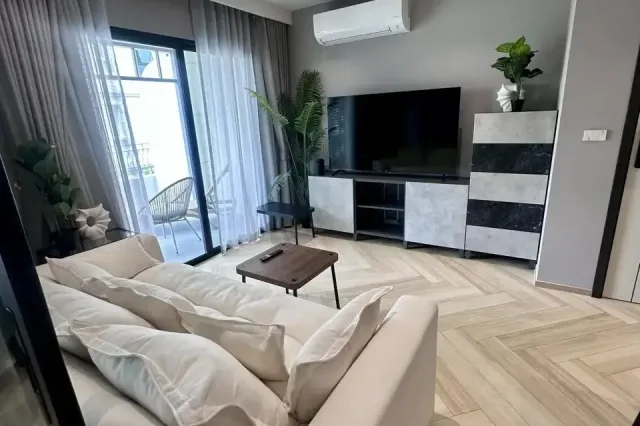
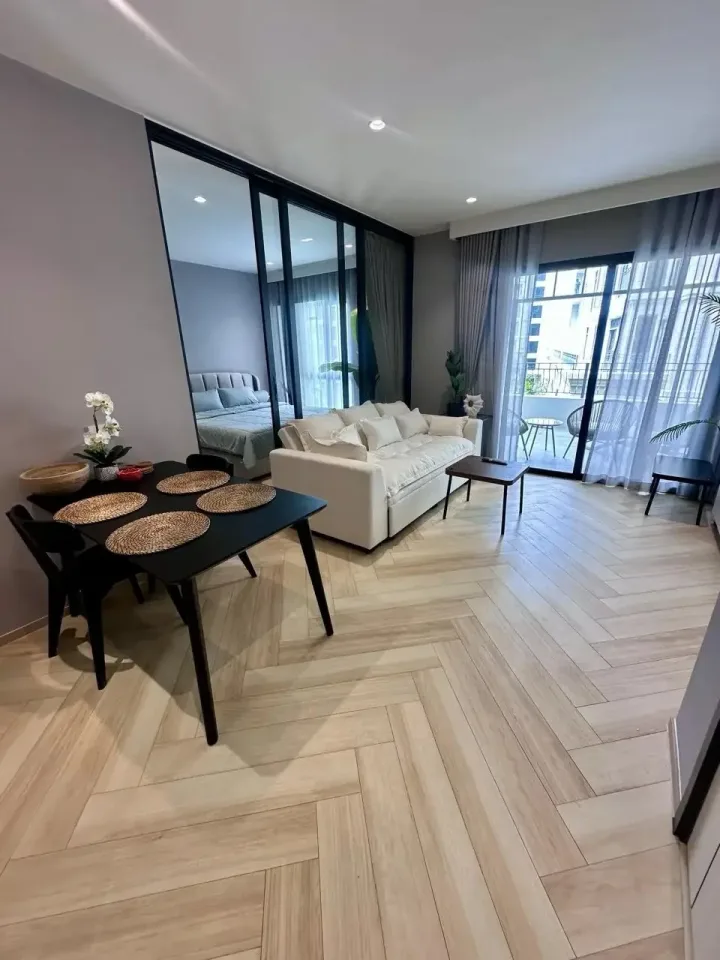
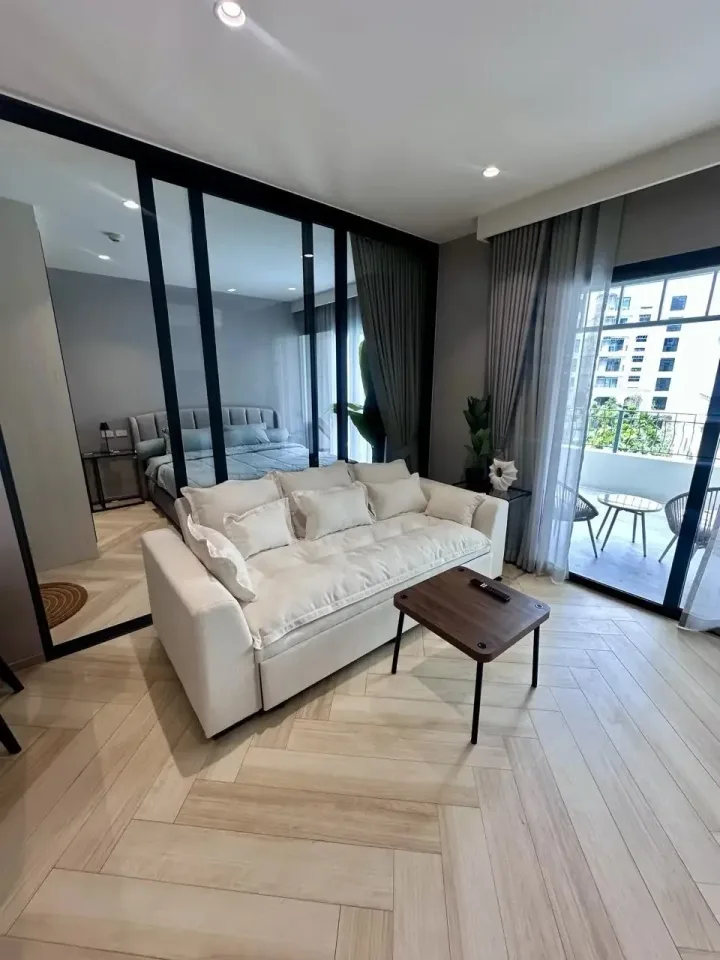
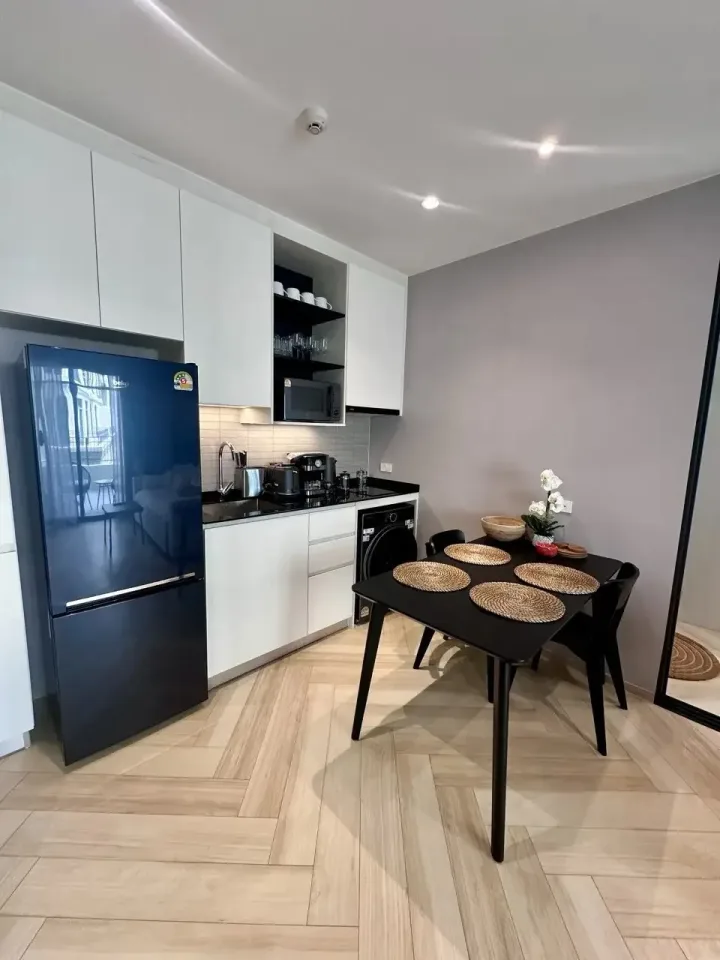
One of the most common schemes uses a real property. A scammer copies genuine condo or villa photos, publishes a new listing at an attractive rate and asks for an urgent booking payment. After the transfer, communication stops or the actual owner turns out to know nothing about the transaction.
Another scenario involves a genuine property and authentic photos while the person offering it has no authority to rent it out. This can happen through unauthorised subletting or access to a property without the owner's permission.
Representatives create another layer of risk. An agent, property manager or owner's representative may legitimately negotiate the rental. Their authority to sign an agreement and receive money should be verified separately.
If you are still comparing homes, current Phuket rental properties and Pattaya rentals provide useful price benchmarks. Several comparable listings make an unusually low asking price easier to recognise.
How to check the photos and listing
Start with a reverse image search. Run several photos through Google or another image search service. Matches with a hotel, an old listing, another address or a property in a different area require further verification.
Compare visible details such as the view, pool shape, kitchen, balcony, furniture and surrounding buildings. Then check the location on a map and compare the surroundings with official photos of the development.
Request a current video walkthrough. Ask the person to start at the entrance, walk through the rooms in one continuous sequence and show the kitchen, bathrooms, view and identifiable details of the exact property. During a live call, ask them to show a room or feature that you choose.
If you are arranging accommodation before arriving in Thailand, use our guide to renting property in Thailand remotely before arrival. It covers video inspections, property identification and the steps to take before signing.
How to verify the owner or representative
Before paying, request the landlord's name and identity document. A Thai owner may provide a Thai national ID card, while a foreign owner may use a passport.
Next, establish the person's connection to the property. A house or villa may involve land documents such as a Chanote title deed. A condo requires documentation linked to the specific unit. A Tabien Baan house registration book can help confirm the address, although it does not by itself prove ownership.
If a representative handles the transaction, ask for documentation explaining their authority. This is especially important when that person will sign the lease or receive the deposit.
A fuller list is available in our guide to documents required when renting property in Thailand.
9 checks before sending money
- The property exists and matches the listing photos.
- The exact address and unit match the agreement.
- The landlord's identity has been verified.
- The documents connect the owner to the property.
- The representative's authority is documented where applicable.
- The same parties and property appear in the lease.
- The payment recipient is connected to the agreement or has written authority to receive funds.
- The payment amount and purpose are recorded.
- Booking and security-deposit refund terms are agreed in advance.
For a condo, an additional check with the building management office can be useful. Ask whether they recognise the owner or representative, whether the proposed rental period is permitted and how tenant registration is handled.
How to check the bank account, deposit and lease
Compare the payment recipient's name with the documents already provided. A direct match with the verified owner makes the transaction easier to understand. A company or authorised representative may also receive funds when their authority is documented.
A request to send a large amount to an unrelated personal account without a lease, power of attorney or another clear basis is a serious warning sign. The same caution applies to unexplained intermediaries and deposits split between several recipients.
Before payment, the lease should identify the exact property, rental period, monthly rent, booking fee or security deposit, payment dates, refund terms, utility charges and permitted deductions.
Keep the bank confirmation, signed agreement, relevant messages and a written record of the payment purpose. For cash payments, request a dated receipt showing the amount and recipient.
Red flags in a suspicious rental listing
- A price far below the local market. Compare the rate with several similar homes in the same area.
- Pressure to pay immediately. You are told that another tenant is ready to take the property.
- Refusal to join a live video call. Only pre-recorded footage is provided.
- Names do not match. Different people appear in the listing, documents, lease and bank details without a clear explanation.
- The exact property is withheld. The development or unit remains unclear even while the lease is being prepared.
- Copied photos. The same images appear online under another address.
- Payment is requested before documents are checked.
- The terms keep changing. New fees, deposits or price adjustments appear after the initial agreement.
- The person cannot be independently verified. They avoid company contacts, office details and other verifiable channels.
What to do if you have already sent money
If you suspect fraud, contact your bank immediately and report the disputed transfer. Whether a payment can be stopped or recovered depends on the payment method and processing stage, so acting quickly matters.
Preserve screenshots of the listing, page address, messages, phone numbers, bank details, payment confirmation, copies of documents and the lease. These records can help reconstruct the transaction if the listing disappears.
You can then report the incident to the Thai police. Foreign visitors can also seek assistance from the Tourist Police. Where a company or professional service provider is involved, consumer-protection channels may also be relevant.
The strongest protection comes before payment: verify the property, the other party's identity and authority, the documents, the lease and the relationship between the payment recipient and the transaction.